Can You Freeze Lettuce? A Complete Guide

– Frozen lettuce can be used in various dishes such as soup, stock, quiche, casseroles, stir fries, and as a substitute for spinach in recipes.
– Whole frozen lettuce leaves can be used as wraps after being thawed in the refrigerator overnight.
– Braising frozen lettuce leaves in chicken broth and butter or using oyster sauce is recommended for an Asian-inspired dish.
– Peas can be cooked with frozen lettuce by layering them in a pan and adding butter and/or mint for extra flavor.
– It is recommended to use frozen lettuce within six months for the best quality.
– Lettuce tends to go bad quickly and can become soggy and wilted.
– Washing lettuce is important to remove bacteria, bugs, dirt, and pesticides.
– It is recommended to wash lettuce as soon as you get home from the store.
– Remove damaged, wilted, damp, or slimy leaves before washing.
– Lightly rinse lettuce under water and pat dry with a paper towel or use a salad spinner.
– There is no definitive answer on whether pre-washed lettuce should be washed again, but it is recommended to do so.
– Lettuce needs moisture and airflow to stay crisp.
– Wrap a full head of lettuce in a damp paper towel and put it in a plastic bag for storage in the refrigerator.
– For individual lettuce leaves, spin them dry after washing and store in a lettuce keeper or a container in the fridge.
– Adding a few paper towels to absorb excess moisture and replacing them every few days is recommended.
– Soaking cut lettuce in ice water for a few minutes can help crisp it up.
– Lettuce should be kept away from ethylene fruits (pears, avocados, apples, and tomatoes) as they release gas that can cause other produce to ripen faster.
– Loose leaf lettuce can last 7 to 10 days when properly stored, while head lettuce can last 1 to 3 weeks in the fridge.
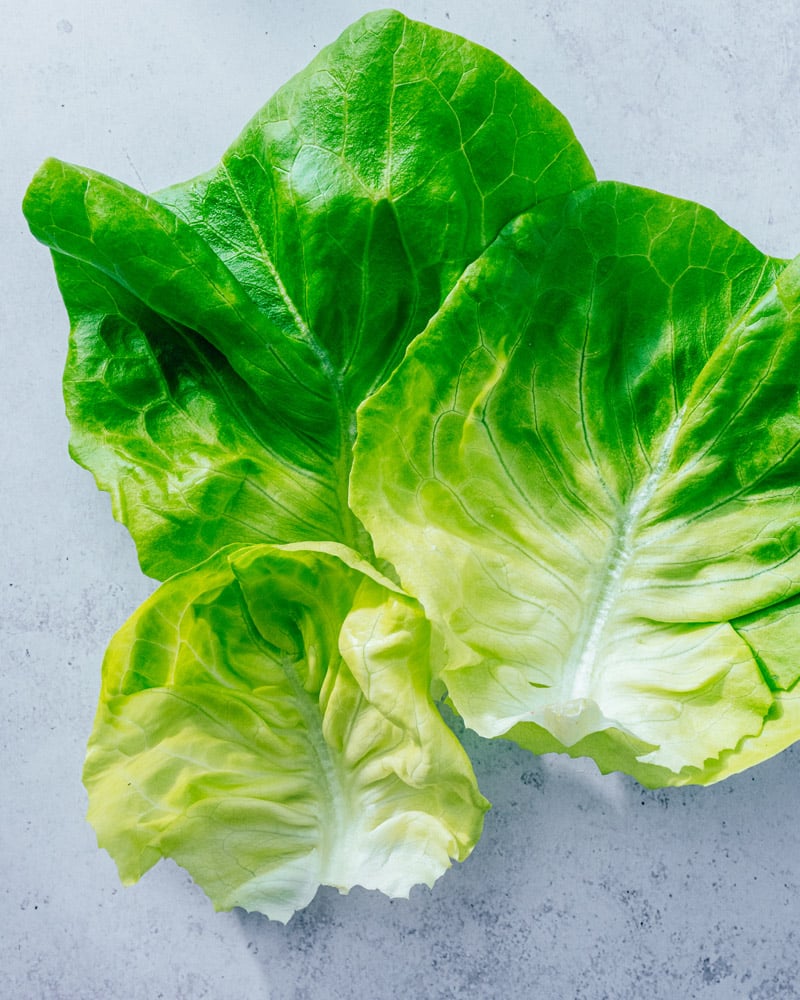
– Romaine or butterhead lettuce is recommended for freezing.
– Freezing lettuce can cause a loss of crispness and flavor, so it is best used for smoothies, soups, and stews rather than fresh salads.
– Lettuce can be frozen by either freezing full leaves or pureeing and freezing in ice cube trays.


Continue Reading

Pudgy Pie Maker: An Epic Guide to Delicious Outdoor Treats

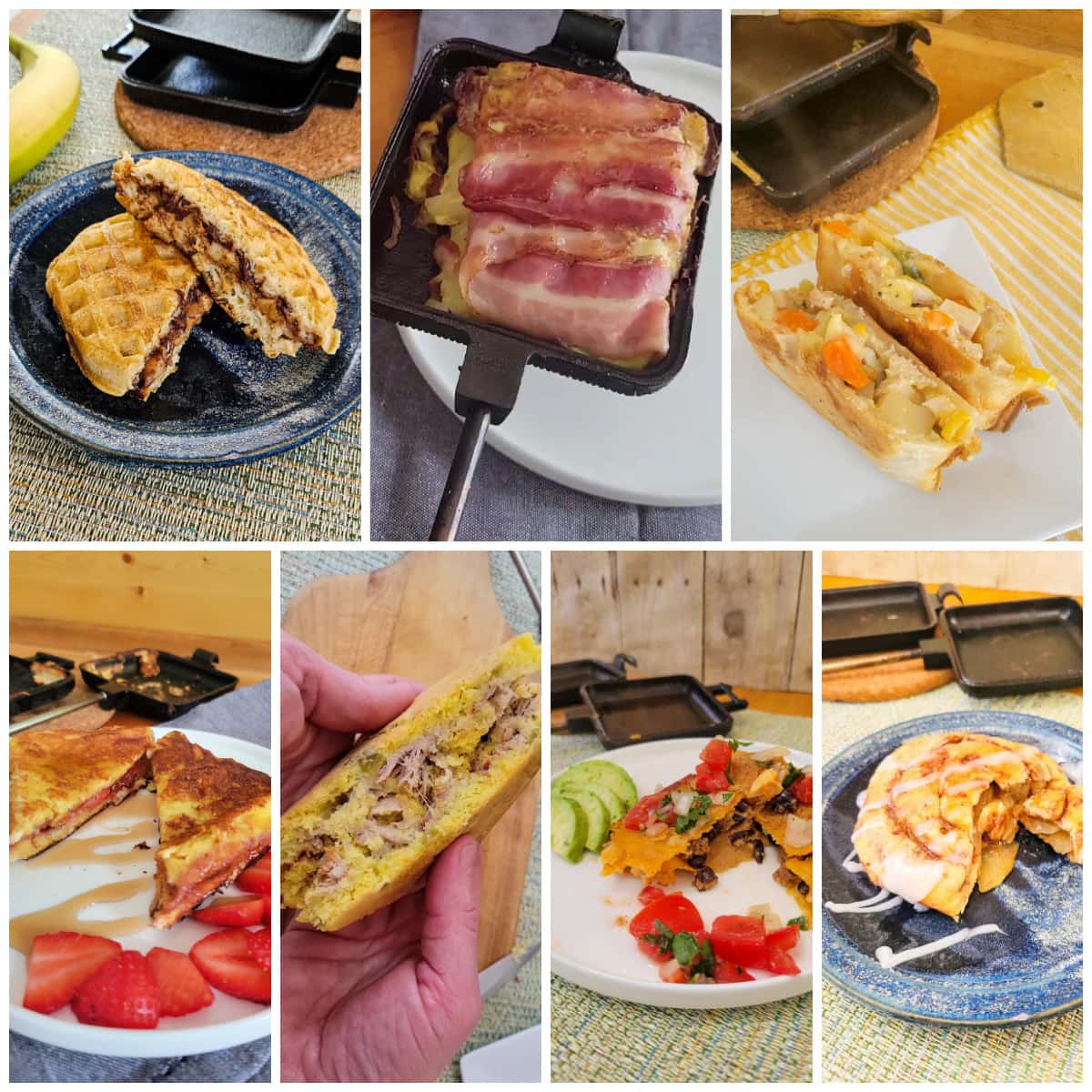
A Pie Iron is a device used to cook grilled and pressed sandwiches and pies over a campfire. By using two pieces of buttered bread filled with desired ingredients, the pie iron can seal and toast the sandwich or pie over the fire for 3 – 5 minutes. A pie iron is often made of cast iron and can make warm, toasted sandwiches and pies stuffed with fillings. Sandwiches made with a pie iron are called pudgy pies, hobo pies, mountain pies, or jaffles. A cast iron pie iron is recommended for durability and even heating. It should have a long handle with a heatproof grip and a clasp to lock it closed. Season the cast iron pie iron before use by washing off any protective wax, coating it with oil, and heating it. Cook with the pie iron by making a sandwich with fillings and bread, buttering it, and placing it in the pie iron. Cook over medium to high heat for about 3 to 5 minutes per side, or 6 to 10 minutes total. Avoid putting the pie iron directly into the fire. Experiment with different breads and fillings. Use cooking spray for extra insurance against sticking. This article provides tips for using a pie iron to make cooked sandwiches over a fire. It advises using cooking spray to prevent sticking, not overfilling the pie iron, using precooked ingredients, preheating the press, cooking over medium to high heat, flipping the pie during cooking, and checking the pies often. The article also provides two pie iron recipe ideas: Sticky Pecan Cinnamon Rolls and a Breakfast Sandwich. The article provides instructions for making various types of sandwiches using a pie iron. It suggests making a “Pudgy Pie” by placing a sausage patty and a slice of cheese between two slices of bread, and cooking it in the pie iron until golden brown. The article also provides a recipe for a vegetarian version of the Pudgy Pie, where the sausage patty is omitted or replaced with a meat-free alternative. Another recipe provided is for Loaded Pie Iron Hash Browns, which involves layering shredded hash browns, bacon, green onions, and cheese in the pie iron and cooking until golden brown. The article also includes recipes for Spicy Italian Ham and Cheese Panini, and Mushroom, Bacon, and Swiss Panini, each cooked in the pie iron until golden brown. The article provides recipes for different types of pies that can be made using a pie iron. The first recipe is for a bacon, egg, and cheese sandwich pie. The instructions state to spray the pie iron with non-stick spray, place a slice of bread on one side of the iron, top with bacon, egg, and cheese, and then cover with another slice of bread. The pie iron is closed and cooked for 3 to 4 minutes per side until golden brown. The second recipe is for a pepperoni pizza pie. The instructions state to drizzle olive oil on both sides of the pie iron, place a stretched pizza dough on one side of the iron, top with pizza sauce, pepperoni, and cheese, and then cover with another piece of dough. The pie iron is closed and cooked for 3 to 4 minutes per side until golden brown. The third recipe is for monkey bread. The instructions state to divide biscuit dough into nine pieces, dip each piece in melted butter and then in cinnamon sugar, place the sugar-coated balls on one side of the pie iron, and then cover with the other side. The pie iron is cooked for 3 to 4 minutes per side until deep golden brown. The fourth recipe is for s’more waffles. The instructions state to dip frozen waffles in melted butter and cinnamon sugar, place one waffle in one side of the pie iron, top with chocolate or Nutella and marshmallows, cover with the other waffle, and then close the pie iron. The pie iron is cooked for 2 to 3 minutes per side until well toasted. The article discusses the use of pie irons for cooking while camping.

Continue Reading

Temperature for Medium Burger: The Perfect Safe Cook

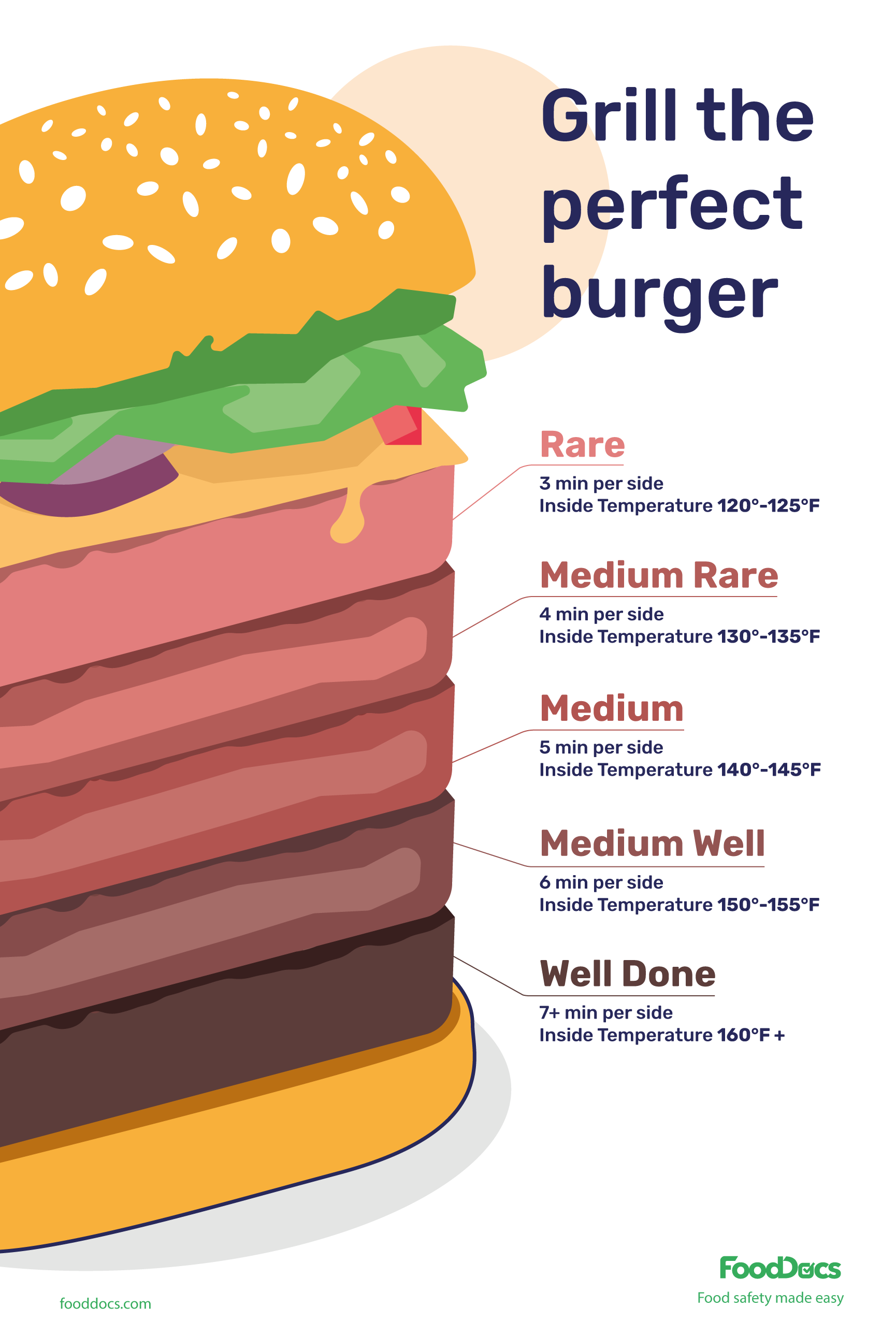
– The USDA recommends a minimum safe temperature of 160 F/71 C for ground meat
– Recommended minimum temperature for ground meat burgers is 160˚F (71˚C)
– Other burger temperatures options:
– Medium-rare: 130° to 135° (54° to 57°C)
– Medium: 140° to 145° (60° to 63°C)
– Medium-well: 150° to 155° (66° to 68°C)
– Cook medium-rare burgers for about 2 1/2 minutes per side or five minutes total
– Thicker patties may require more cooking time
– Some pinkness in burgers is okay if desired

Continue Reading

Delicious and Nutritious: Exploring Mouthwatering food that starts with M!

Foods That Start With M:
1. M&M’s: Small chocolate candies with candy shells.
2. Macadamia nuts: Creamy nuts commonly used in desserts.
3. Macaroni: Dry, short pasta that goes well with salads and soups.
4. Macarons: Meringue-based treats with fluffy “feet” and various flavors.
5. Macaroons: Coconut-flavored desserts that are golden brown on the outside and moist and chewy on the inside.
6. Mai Tai: A rum-based cocktail with white rum, lime juice, orange curacao, and sugar syrup.
7. Malt: A cereal grain made from barley found in various foods.
8. Mandarins: Citrus fruits rich in vitamin C.
9. Mango: A fruit rich in vitamin C and known as the king of fruits.
10. Maple syrup: A staple at breakfast tables. Maple syrup is extracted from maple trees and a single maple tree can produce 5 to 15 gallons of sap between late winter and early spring.
11. Maraschino cherries: Cherries preserved in brine, starting off light and gradually darkening.
12. Margaritas: Cocktails made from tequila, orange liqueur, and lime juice, available in different fruity flavors.
13. Marinara sauce: A tomato-based sauce with garlic, onions, and herbs, commonly used for pasta or as a dip.
14. Marjoram: An herb used in meat dishes and also has medicinal properties.
15. Marshmallows: Soft treats that can be added to desserts like cookies and cakes.
16. Mayonnaise: A dressing made from egg yolks and oil, used as a base for many dressings.
17. Mead: An alcoholic beverage made with honey, barley, and fruits.
18. Meatballs: Ground meat formed into balls and can be fried or baked.
19. Melons: Fruits belonging to the berry family, including watermelon, cantaloupe, and honeydew.
20. Meringue: A dessert made with whipped egg whites and sugar, commonly added to pies and cakes.
21. Merlot: A dry red wine made from a variety of grape.
22. Minestrone soup: A tomato-based vegetable soup.
23. Mint: An herb commonly used in cooking.
24. Mirin: A sweet rice wine often used in Japanese cuisine.
25. Miso soup: A traditional Japanese breakfast staple made from miso paste or fermented soybeans.
26. Molasses: A dark-colored sweetener often used in desserts.
27. Monterey Jack cheese: A mild and slightly sweet cheese originating from the United States.
28. Moon cakes: A Chinese pastry often given as gifts during festivals.
29. Moussaka: A baked dish popular in Greek and Turkish cuisine, made with vegetables and meat.
30. Mousse: A light and airy dessert that originated in France.
31. Mozzarella: A common cheese used in pizzas, salads, and pasta dishes.
32. Muesli: A breakfast dish similar to oatmeal, typically served cold with milk, nuts, and fruits.
33. Mulberries: Larger and more fibrous than blackberries, with a unique flavor.
34. Mushrooms: Edible fungi rich in fiber and protein, used in various types of cuisine.
35. Mussels: A type of seafood related to the mussel family.
36. Mustard: A condiment made from ground mustard seeds and various other ingredients.
37. Milk chocolate: A popular type of chocolate used in desserts.
38. Macaroni salad: A creamy dish often served as a side with burgers, hot dogs, and grilled meats.
39. Muffuletta: A New Orleans sandwich made with olive salad and cold cuts.
40. Meatloaf: A classic comfort food, often topped with ketchup.
41. Mascarpone cheese: An Italian cheese used in desserts.
42. Manicotti: An Italian dish similar in flavor to lasagna or baked ziti, made with stuffed oversized noodles.
43. Mexican rice: A flavorful rice dish commonly served with Mexican cuisine.
44. Mashed potatoes: Potatoes that have been boiled and mashed.
45. Mongolian beef: A Chinese-American dish made with sliced beef, vegetables, and a flavorful sauce.
46. Muenster cheese: A soft and mild cheese that originated in France but is now commonly made in the United States.
47. Muffins: Small, individual-sized baked goods often made with fruit or nuts.
48. Moo goo gai pan: A Chinese dish made with chicken, mushrooms, and vegetables.

Continue Reading

Does queso fresco melt? How to use it in cooking!

– Queso fresco is a fresh cheese that can be crumbled and shredded.
– It has a sweet subtle milky flavor with a hint of tang.
– Queso fresco can be melted, although there is some debate about this.
– It is made from fresh cow’s milk.
– It can be used crumbled on top of food or melted and mixed into various recipes.
– It can be used in dishes such as enchiladas, tacos, elote, pizza, queso dip, quesadillas, fruit salad, and as a garnish on top of soup.
– When melted, queso fresco does not become creamy and smooth like other cheeses.
– It can be melted on the stove by grating or shredding it, then heating it with evaporated milk in a skillet or saucepan.
– The article provides tips on how to melt queso fresco cheese using a stovetop or a microwave.
– For the stovetop method, shredded queso fresco is added to steaming milk and continuously stirred until melted.
– Additional milk can be added for a thinner consistency.
– For the microwave method, the queso fresco is grated or shredded and microwaved in 1-minute intervals until fully melted.
– Milk can be added if needed for thinning.
– Concerns about queso fresco not melting properly are addressed, suggesting the use of shredded or grated cheese, adding milk or evaporated milk, and cooking for a longer time if necessary.
– Oaxaca cheese and queso blanco are good Mexican cheeses for melting.
– Queso fresco and mozzarella are not the same, with mozzarella being milder in flavor and better at melting.
– Queso fresco can be used on pizza.
– Various ways to use queso fresco cheese are discussed, including crumbled on pizza, tacos, salad, or melted as a dip or pour over rice.
– The article discusses whether queso fresco will melt well into a roux sauce for making mac and cheese.

Continue Reading

Sides for Lasagna: Mouthwatering Recipes That Complement Perfectly

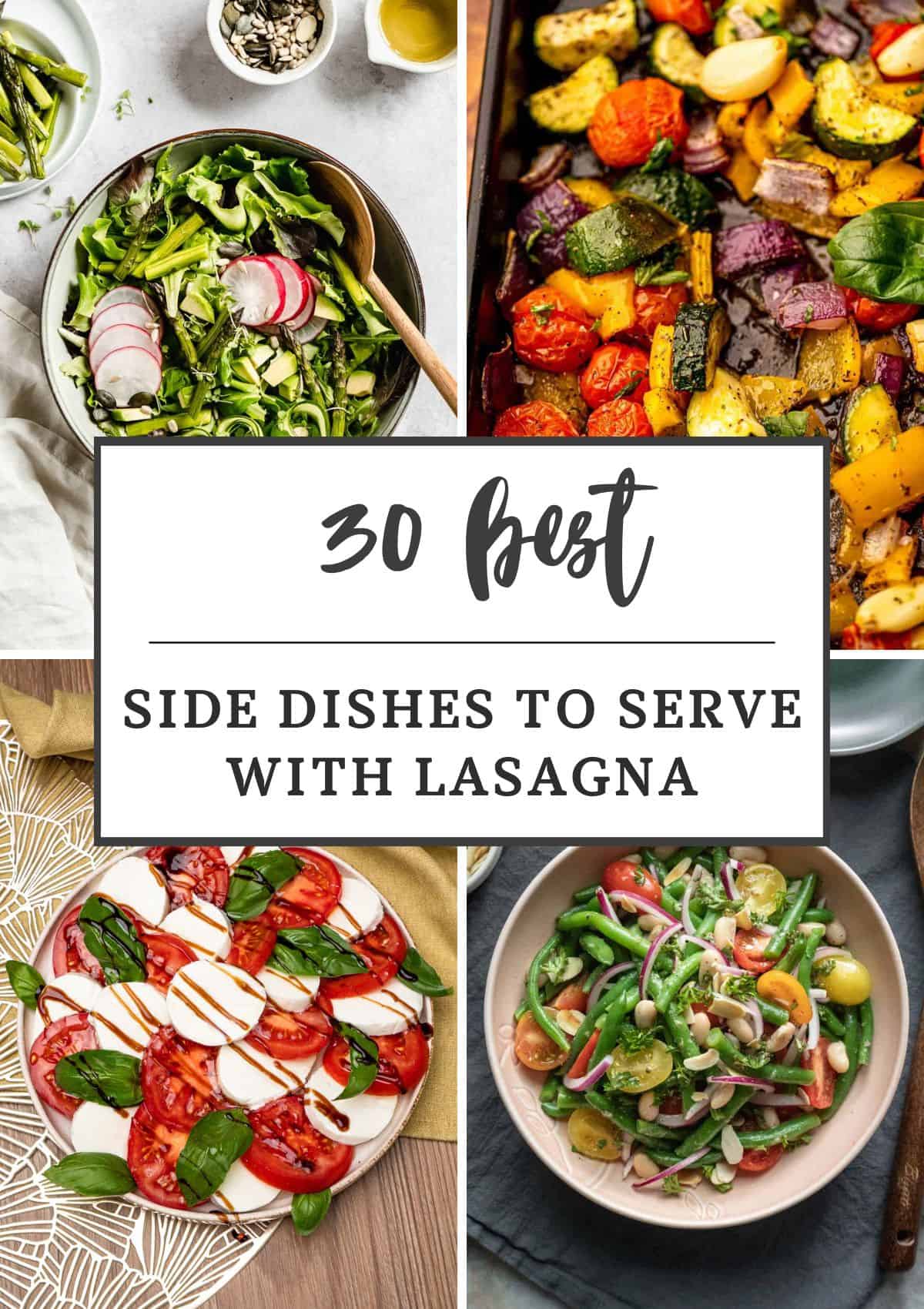
This article provides a list of side dishes that pair well with lasagna. The suggested side dishes include fresh bread, garlic bread or knots, salads such as arugula or balsamic vinegar salad, and a vegetarian antipasto platter. The article also provides recipe ideas for side dishes such as easy stovetop Brussels sprouts, air fryer squash, cashew basil pesto, Mediterranean roasted vegetables, Italian green bean salad, and vegan Mediterranean chickpea salad. The recipes mentioned include Garlic Parmesan Asparagus, Caprese Salad, Sourdough Focaccia, Bruschetta, Cavolo Nero Salad, Sautéed Broccoli Rabe, House Salad, Mediterranean Green Beans with Lemon Dressing, Broccoli with Lemon and Garlic, Air Fryer Portobello Mushrooms, Air Fryer Artichokes, and Vegetarian Caesar Salad. The side dishes vary in ingredients and cooking time, with a focus on vegetarian or vegan options. The article provides a variety of recipes for side dishes that can be served with lasagna.

Continue Reading

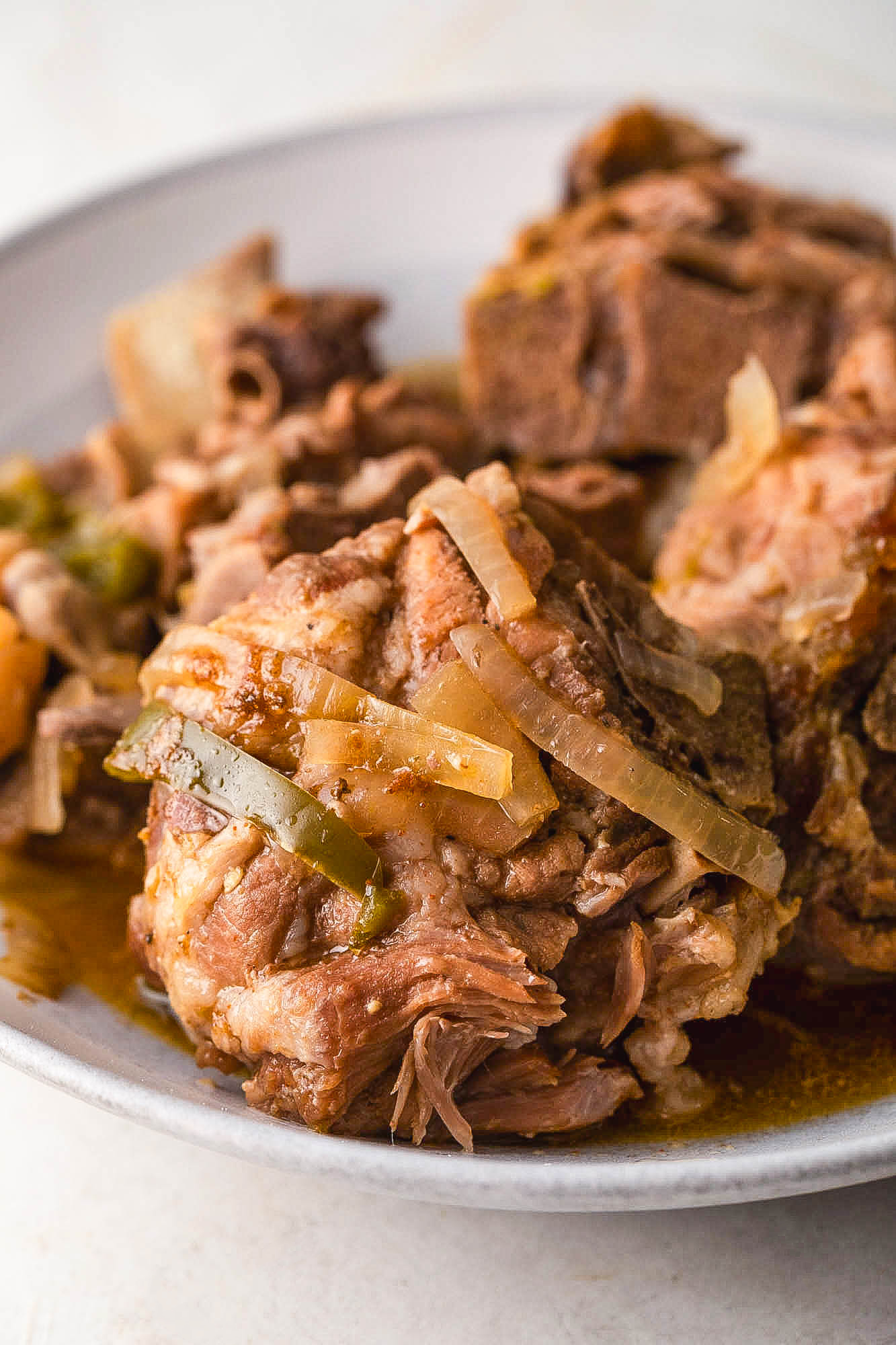
Neck Bone Recipe: Discover Delicious Slowcooker Creations!

– Southern-style neck bone recipe
– Pork, turkey, and beef neck bones
– Sage-infused spice rub
– Slow-cooking instructions
– Selecting meatiest neck bones
– Using bacon fat or vegetable oil for searing
– Serving suggestions: Southern Cornbread, Corn Muffins, Collard Greens, Southern Baked Macaroni and Cheese
– Neck bones for stocks, broths, or centerpiece recipes
– Sliced white onions for flavor
– Chicken bouillon powder for gravy
– Thickening gravy with all-purpose flour or cornstarch
– Cooking instructions: preheating oven, seasoning with salt, pepper, paprika, garlic powder, and sage, browning in a pot, baking with onions, preparing gravy, pouring over neck bones, cooking until meat falls off the bone
– Serving suggestions: collard greens, rice, roasted fingerling potatoes, mashed sweet potatoes
– Variations: slow cooker, different spice combinations, swapping meats, adding jalapeños, habaneros, or Scotch bonnet peppers for heat
– Tips and tricks: thawing before cooking, searing for flavor, being patient during cooking
– Storing leftovers and reheating instructions
– FAQs about purchasing and cleaning neck bones
– Neck bones as a healthy source of protein, vitamins, and minerals
– Recipe suggestions from Grandbaby Cakes

Continue Reading