
Everything You Need To Know About Measuring 150 ML
If you’re anything like me, you probably have a lot of questions about measuring 150 mL. Here’s everything you need to know!
Continue Reading
If you’re anything like me, you probably have a lot of questions about measuring 150 mL. Here’s everything you need to know!
Continue Reading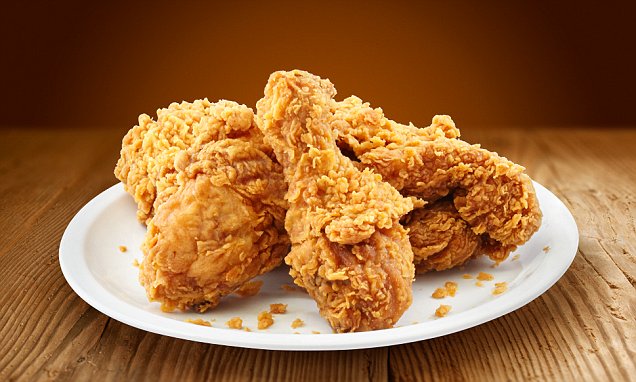
– Broasted chicken is made using a broaster pressure-fryer, which deep fries and pressure cooks at the same time.
– It is popular in Sheboygan, Wisconsin, Detroit, Michigan, and other parts of the Midwest.
– Broasters are usually large and expensive, so alternative cooking methods are provided in the article.
– The Instant Pot method may require testing to see if it can reach the proper frying temperature.
– The ingredients needed for broasted chicken include a whole chicken cut into pieces, buttermilk, salt, all-purpose flour, spices (turmeric, paprika, chili powder, black pepper), and frying oil (canola, peanut, or vegetable oil).
– The recipe starts with a buttermilk soak and requires some waiting time for the chicken to become crunchy and delicious.
– The article suggests serving the broasted chicken with various side dishes such as mashed potatoes and corn spoon bread.
– It also answers frequently asked questions about the difference between broasted chicken and fried chicken, the breading process, and how long leftover fried chicken can be stored in the refrigerator.
– Thurmont Kountry Kitchen in Maryland is known for its award-winning broasted chicken.
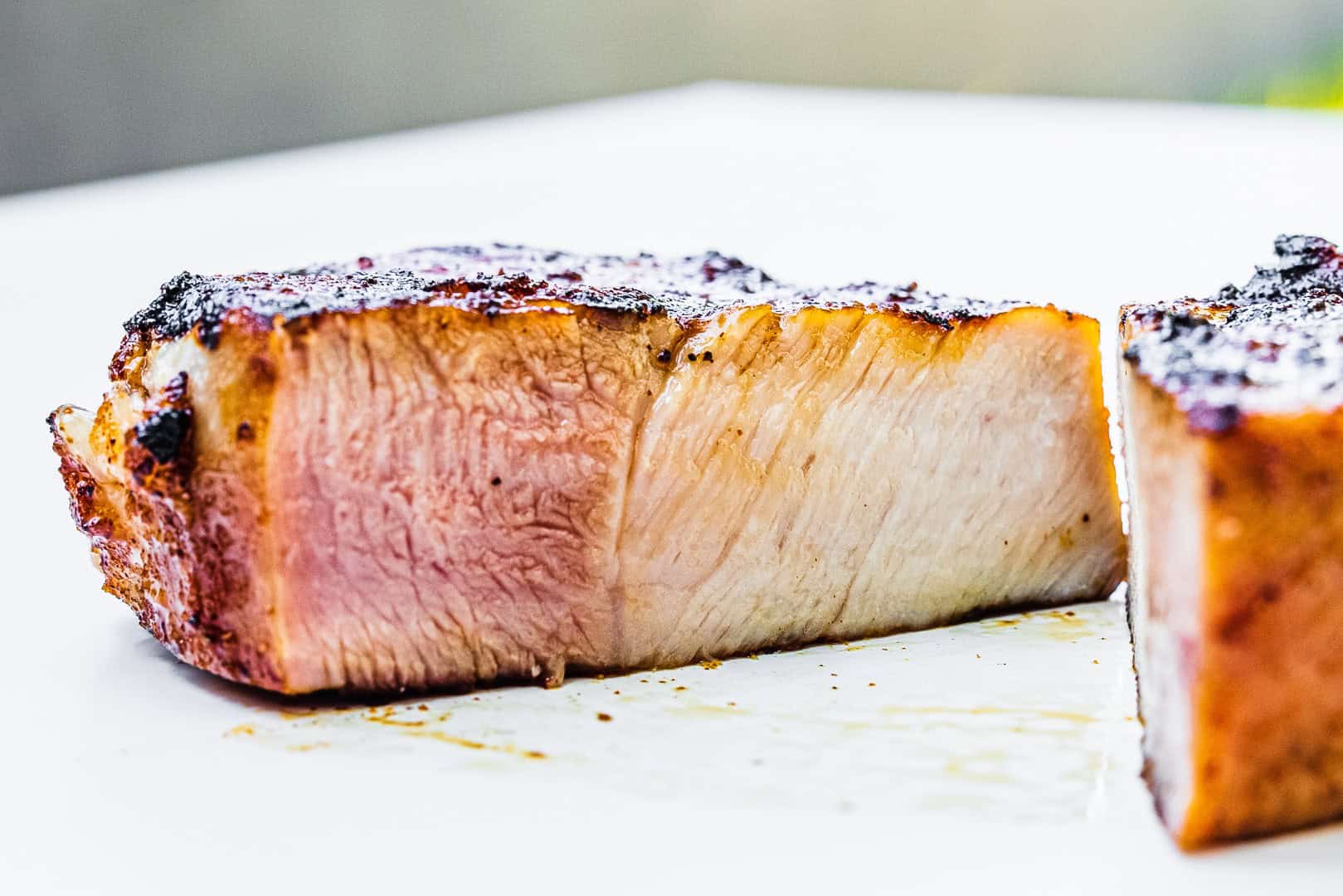
– The safe internal pork cooking temperature for fresh cuts is 145° F
– Ground pork should be cooked to 160° F
– Fully cooked ham can be reheated to 140° F or enjoyed cold
– Fresh ham should be cooked to 145° F followed by a 3-minute rest
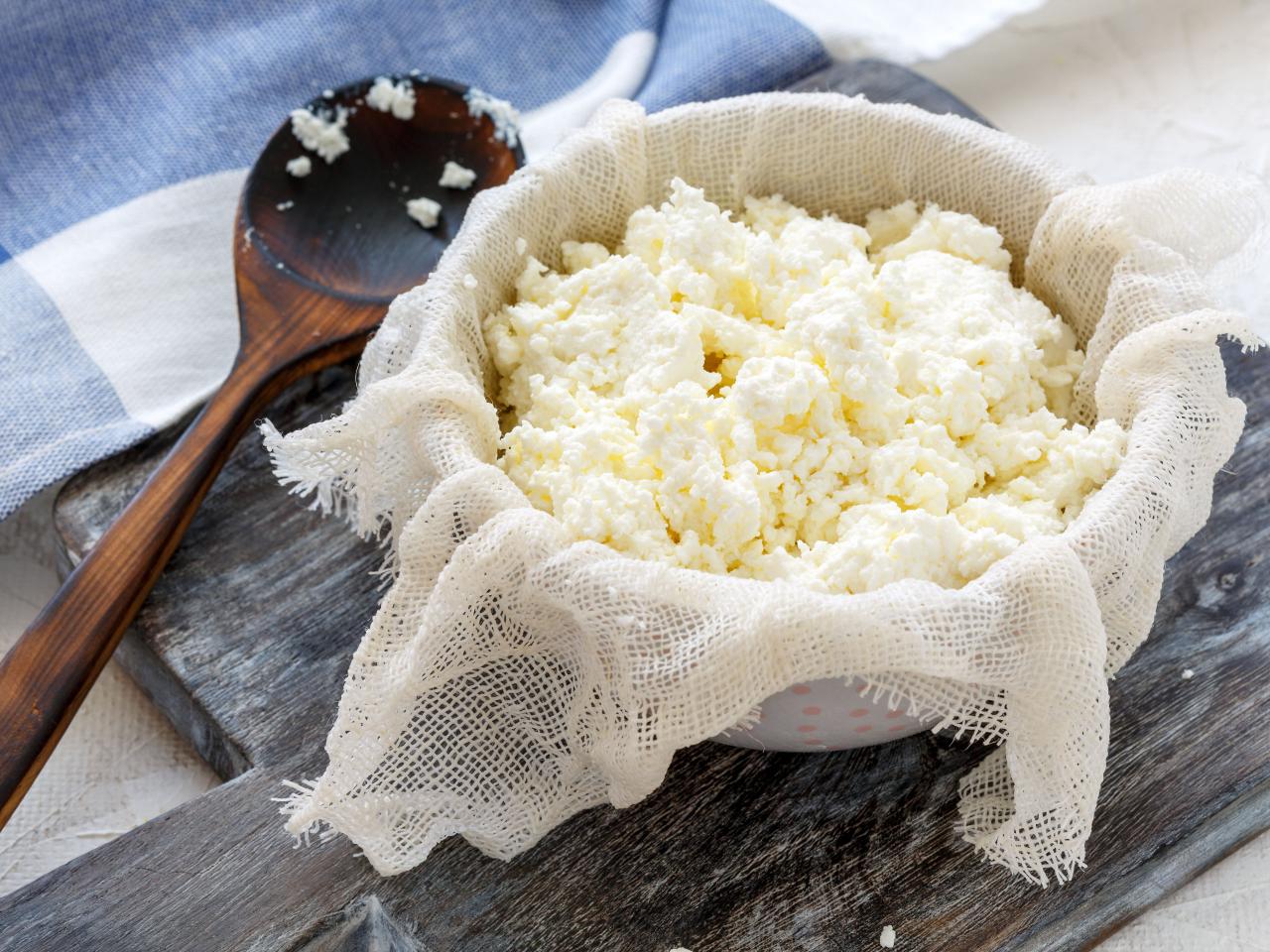
Where to buy cheesecloth:
– Department stores
– Grocery stores
– Kitchen supply stores
– The safe temperature for raw chicken is at least 40 degrees Fahrenheit
– Raw chicken should be stored in a refrigerator or freezer immediately after purchase
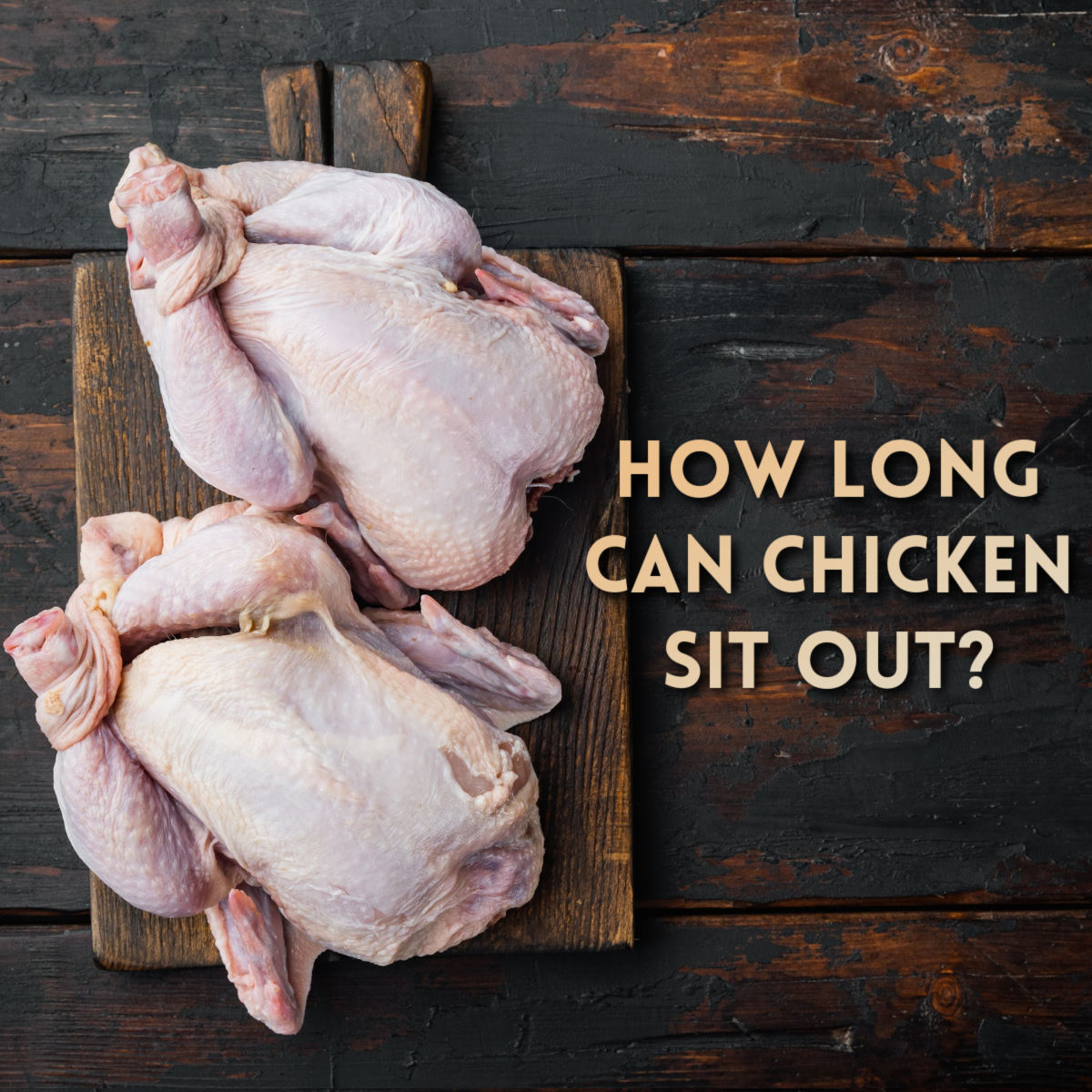
– Raw chicken should not sit at room temperature for more than two hours
– Always wash hands after handling raw meat
– Thawed raw chicken can be cooked and should reach an internal temperature of 165 degrees Fahrenheit
– Cooked chicken should be refrigerated below 40 degrees Fahrenheit within two hours
– Cooked chicken should be consumed within 3-4 days
– Rinsing raw poultry is not recommended as it does not remove bacteria and can spread it
– Essential points for handling chicken include refrigerating it immediately after purchase, avoiding leaving it in a hot car, and using an insulated container when transporting it.
– Raw chicken can be refrigerated in its original wrapping in the coldest part of the refrigerator for 48 hours after purchase.
– If raw chicken will not be used within 48 hours, freezing is recommended.
– Cooked, cut-up chicken should be refrigerated for two days or less, while whole cooked chicken should be refrigerated for three days or less.
– Fresh, uncooked chicken should be kept on the lowest level of the refrigerator to avoid dripping on other foods.
– Thawing methods:
1. Refrigerator thawing is the preferred method. A 4-pound entire chicken takes about 24 hours to thaw in the refrigerator, while cut-up portions need 3 to 9 hours.
2. Thawing in cold water: Place the chicken in its original wrap or a waterproof plastic bag and change the water every 30 minutes. It takes around 2 hours to thaw a 4-pound entire chicken.
3. Microwave thawing: Use the microwave on the Defrost or Medium-Low setting. Microwave for 2 minutes, then set aside for 2 minutes. Repeat if necessary. Ensure the chicken does not begin to cook.
– When cooking chicken, use an instant-read meat thermometer to test for doneness. The thickest part of the chicken (breast or thigh) should reach a safe minimum internal temperature of 165°F, according to the USDA Food Safety guidelines.
– It is important to check the “best if used by” date and look for signs of spoilage such as changes in smell, texture, and color.
– Vacuum-sealed cooked chicken can last up to two weeks in the refrigerator.
– Vacuum-sealed raw chicken should be consumed within 4-5 days.
– Bacteria multiply quickly at temperatures between 40-140 degrees Fahrenheit.
– Raw chicken should be frozen for two days to keep it fresh for nine months.
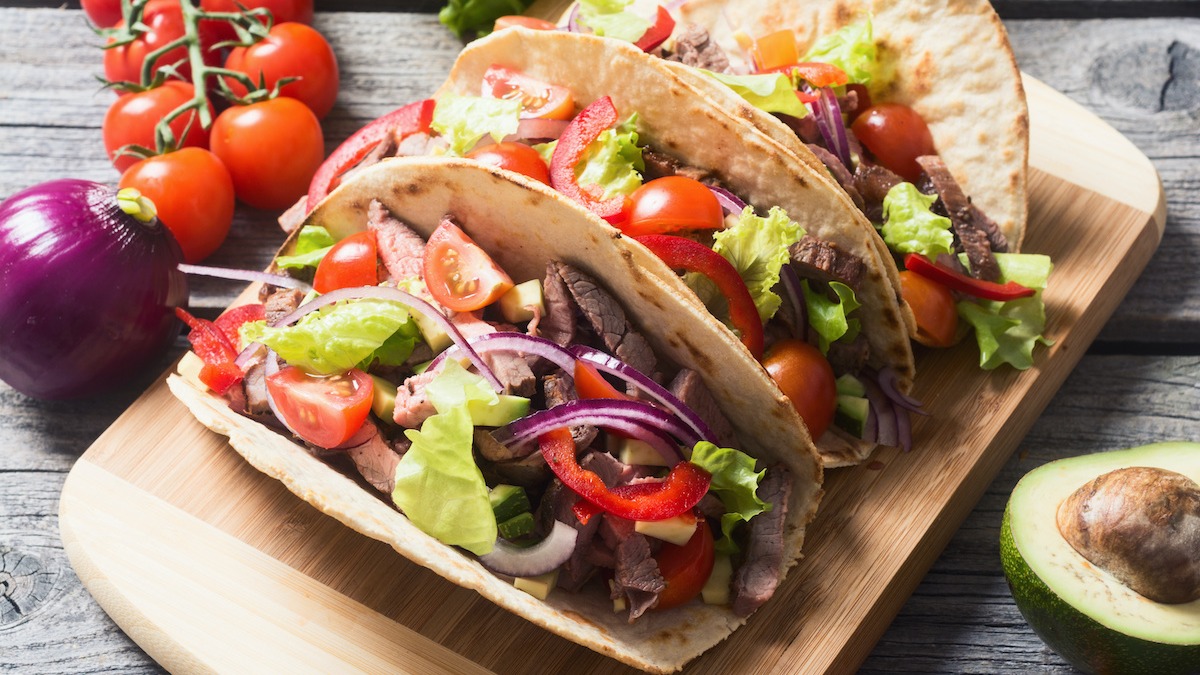
List of pertinent details about ‘tacos de buche’:
– The article discusses the author’s personal experience with and opinions about pork stomach tacos.
– The author enjoyed the taco de buche, which had a spicy and umami flavor.
– The tacos are made with stewed fillings and served with double layers of corn tortillas.
– The author compares pork stomach to beef tripe, stating that pork stomach has a less spongy texture and is easier to chew.
– The author recommends cleaning the pork stomach before cooking it to remove any pungent odors.
– The restaurant is known for its use of fresh ingredients and careful technique.
– The author describes the appeal of tacos de buche, which are made with pork stomach.
– The article discusses a small family-owned restaurant where a brother and sister work together.
– The father is the cook in the kitchen and uses pre-prepped items like chiles rellenos and tamales.
– The sister is efficient at taking orders, while the brother struggles with it.
– The mother is the waitress and brings tortilla chips and fresh salsa to the table.
– The author compares the dining experience to ethnic joints in Los Angeles that serve food without frills or garnishes.
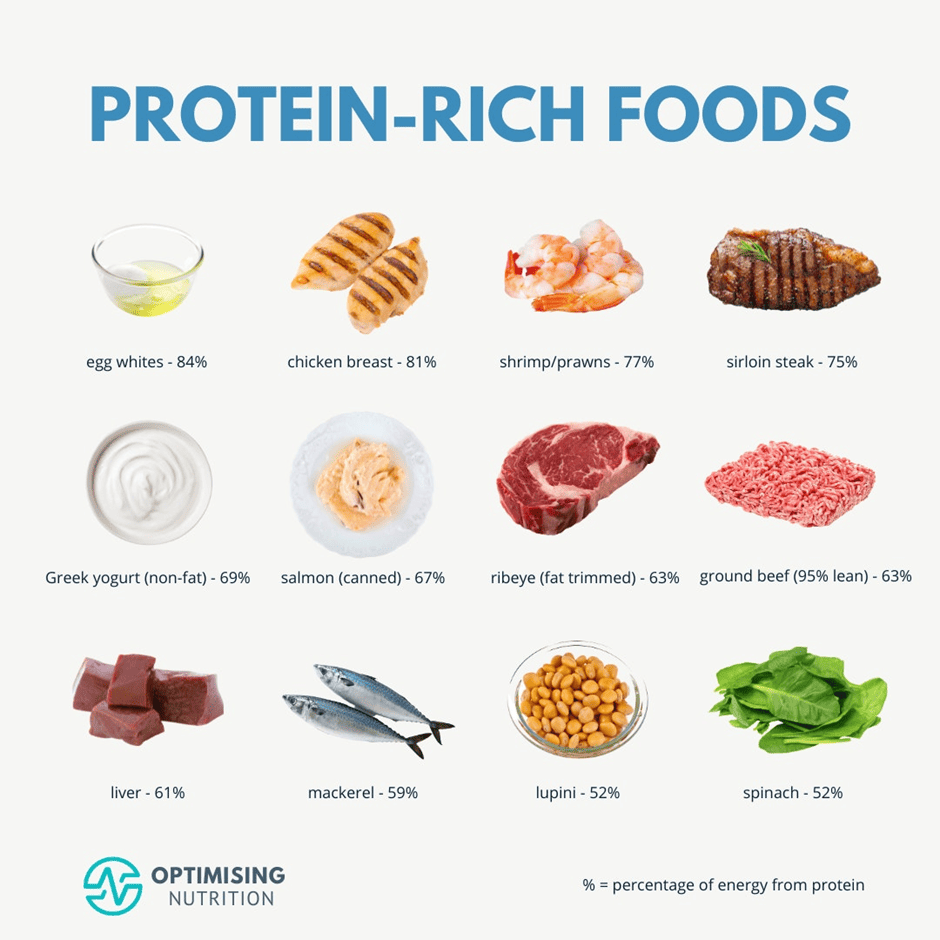
List of Pertinent V Foods:
1. Vanilla Beans
2. Vanilla Ice Cream
3. Valencia Orange
4. Veal
5. Vegetable Oil
6. Vegetable Soup
7. Veggie Chips
8. Velvet Beans
9. Venison
10. Vermicelli
11. Victoria Plums
12. Vienna Sausages
13. Vindaloo
14. Vinaigrette
15. Vinegar
16. Vodka
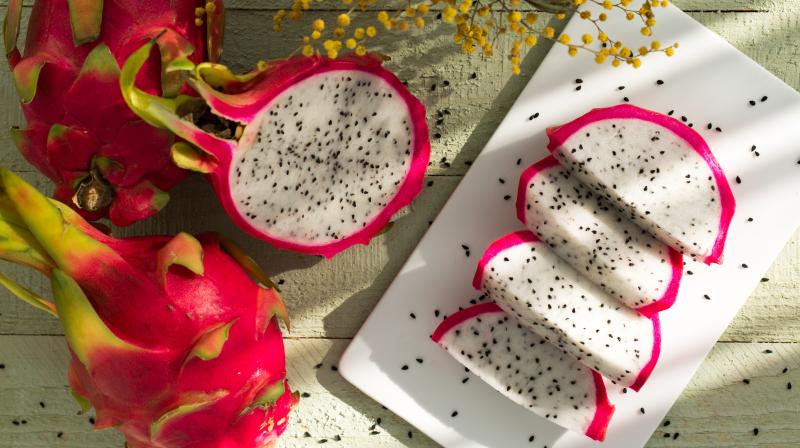
Dragon fruit, also known as pitaya
Exotic superfruit
Indigenous to South America
Delicately sweet and vibrant pink
Rich in nutrients
Vitamins C and B
Magnesium
Zinc
Iron
Fiber
Antioxidants
Freeze-dried to create pitaya powder
Certified organic
Sourced directly
Recommended to store in the refrigerator
Country of origin: USA or Vietnam
Packaged in a facility that also processes tree nuts
Product is a 4oz Dragon Fruit Powder
Reviewer experienced a solid block instead of a powder
Reviewer had to put in effort to create usable powder
Reviewer expresses disappointment in the product
– Champagne is a true French classic and its flavor reflects the terroir of Northern France’s Champagne region, which includes a cool climate, chalky soils, and high altitude.
– Champagne typically has dominant notes of citrus, almond, and green fruit, as well as floral and sometimes herbal flavors.
– It has a creamy taste and texture and is famously effervescent.
– Quality Champagne has a velvety mouthfeel, a rich aroma of citrus, almond, and cream, and effervescent bubbles.
– The choice of grapes used in Champagne (Chardonnay, Pinot Noir, and Pinot Meunier) contribute to its flavor and aroma profile.
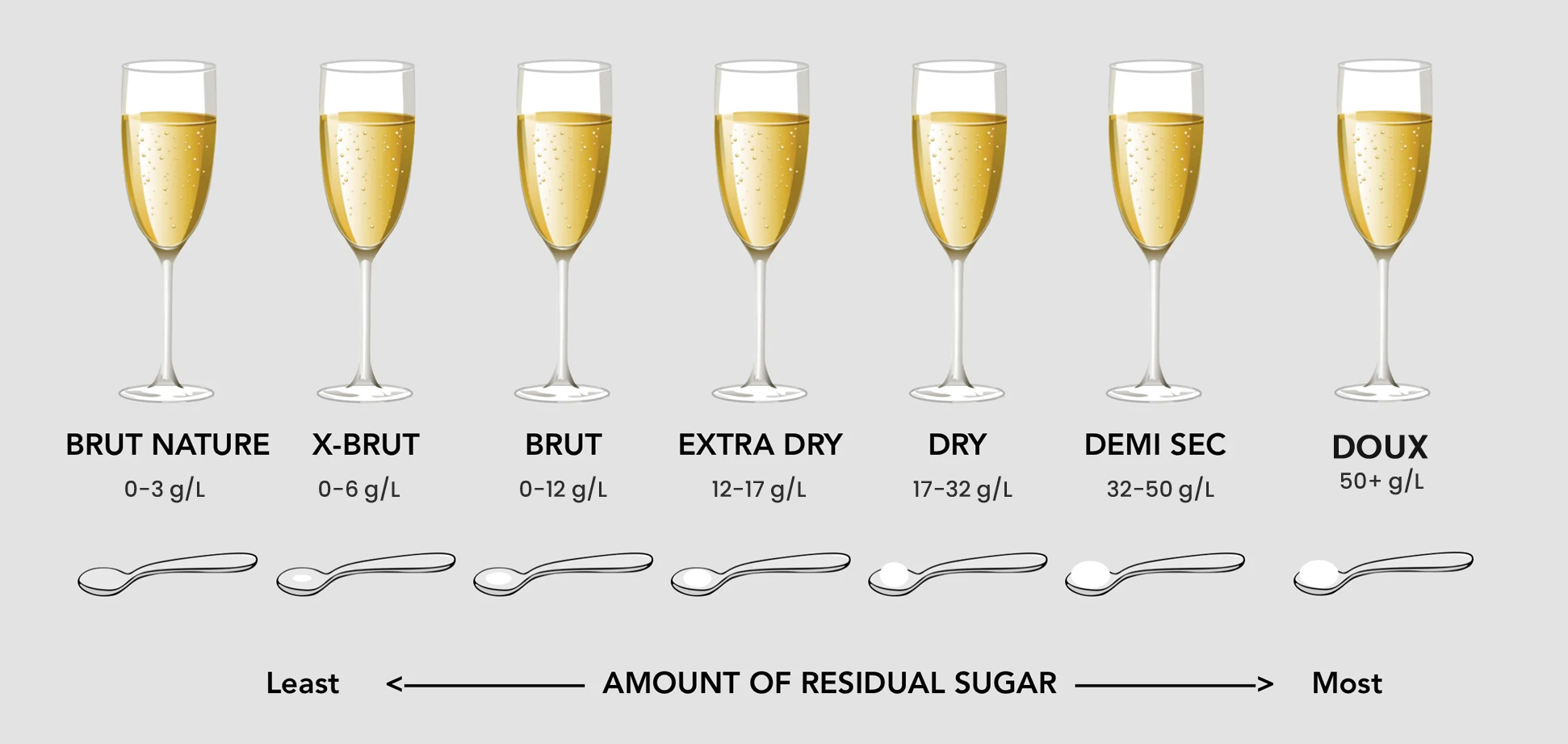
– The sweetness level of Champagne is indicated on the bottle’s label, with terms like Brut Nature and Extra Brut representing low sugar content. Champagne taste can vary depending on the level of sweetness. Here are the different levels of sweetness and their corresponding sugar content per liter:
– Brut: The most popular and fairly dry Champagne, with up to 12 grams of sugar.
– Extra Dry, Extra Sec, Extra Seco: Sweeter than brut, with 12 to 17 grams of sugar.
– Dry, Sec, Seco: Considerably sweeter than brut, with 17 to 32 grams of sugar.
– Demi-Sec, Demi-Seco: A sweeter Champagne, with about 32 to 50 grams of sugar.
– Doux, Sweet, Dulce: The sweetest Champagne, with 50 or more grams of sugar.
– Blanc de Blanc: Champagne made entirely from white grapes, usually 100% Chardonnay.
– Blanc de Noirs: Champagne made from 100% black grapes such as Pinot Noir or Pinot Meunier.
– Rosé: Pink Champagne made by mixing red and white grapes, sometimes with skin contact.
– Expensive Champagne has consistently streaming bubbles due to the process of making quality Champagne.
– Expensive Champagne has a more complex flavor with fruity and floral notes, as well as subtle tastes of vanilla, peach, lemon, and honeysuckle.
– Cheaper Champagne can have sweeter, smoother, and generally less complex flavors.
– Champagne is associated with luxury and is often consumed during celebrations.
– Champagne has a bubbly and popping nature.
– Champagne is an acquired taste that people can grow to appreciate over time.
– Champagne is highly acidic and the bubbles can be strongly felt in the mouth and throat.
– Champagne is ideally served at a temperature of 8-10°C (47-50°F) to preserve its taste and flavor.
– The traditional Champagne flute is the best glass for serving Champagne.
– Champagne can be enjoyed on its own or used in cocktails, such as the mimosa.
– Champagne pairs well with foods such as cheeses, lobster, shrimp, crab, oysters, salmon, poultry, sushi, and salty snacks.
– Champagne can be consumed as a digestif and pairs well with desserts like gelato or ice cream.
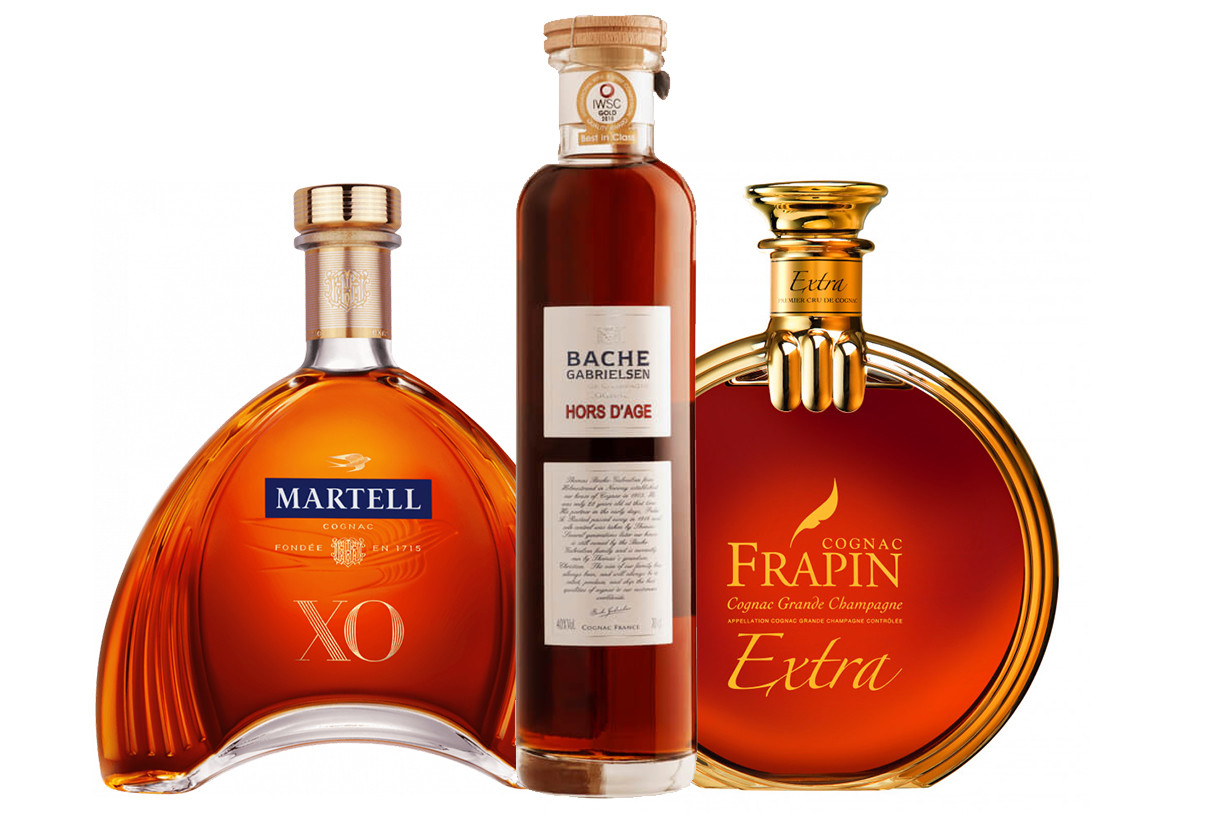
– Cognac is a type of French brandy made from distilling wine.
– Cognac has a rich and full-bodied flavor with hints of fruit and leather.
– There are several grades of Cognac based on aging: VS or 3 stars (2 years), VSOP (4 years), Napoléon (6 years), and XO (10 years).
– The best Cognac substitutes are any type of brandy, bourbon, and sherry.
– Brandy is a high-end French brandy, while Armagnac and Calvados are other types of French brandy.
– Brandy de Jerez is Spanish brandy and can also be used as a substitute.
– Pisco is Peruvian brandy but is not recommended as a Cognac substitute.
– Bourbon has a similar flavor profile to Cognac and can be used as a substitute in cocktails.
– Sherry, a fortified wine made by adding grape liquor to white wine, can also be used as a substitute for Cognac in a pinch.