Does Bacon Grease Go Bad? Tips for Preservation

– Bacon grease can be stored in the refrigerator at or below 40 degrees F for up to three months.
– Storing bacon grease in a cool, dark place such as the refrigerator or freezer will help it last longer.
– Bacon grease left uncovered at room temperature has a shelf life of only two hours.
– Exposure to heat and light can make bacon grease spoil quicker, so avoid storing it near the stove or in direct sunlight.
– If bacon grease has a sour or rancid odor, or if it has turned from white to yellow in color, it is no longer safe to consume.
– Freezing bacon grease can make it last for up to six months, as long as it is tightly sealed in an airtight container.
– Bacon grease should be stored in a sealed container to prevent contact with air, which can turn the fat rancid.
– Removing the particles from bacon grease by straining it can help it last longer.
– Bacon grease has a higher smoke point and can be used for cooking at higher temperatures without burning.
– It can be used for sautéing, frying, and baking as a substitute for butter.
– Proper storage can extend the lifespan of bacon grease.

Continue Reading

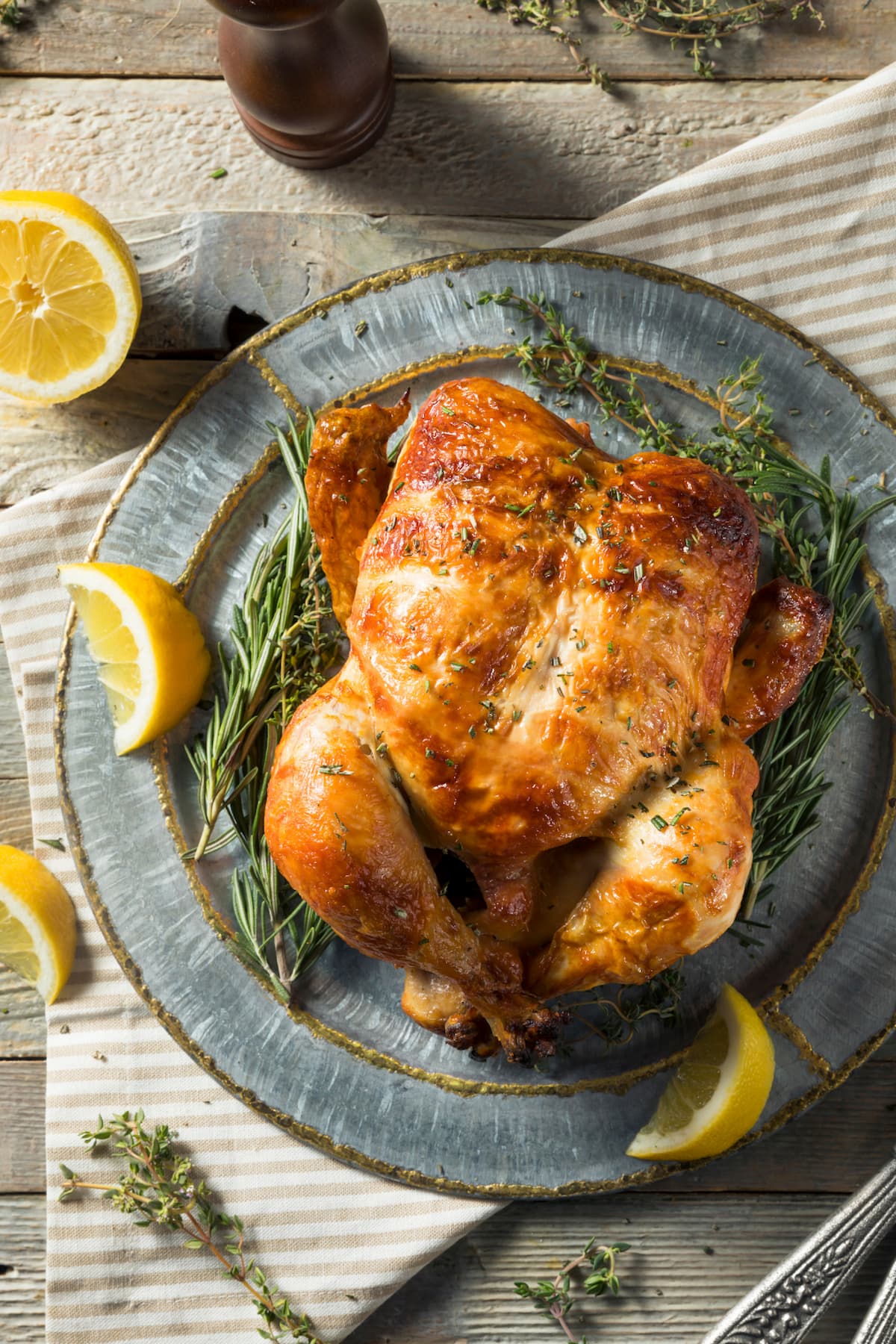
Reheating Rotisserie Chicken: Safe Methods, Storage Tips, and Flavorful Ideas

List of Pertinent Points:

– Reheating rotisserie chicken in the oven keeps the skin crispy and the inside moist.
– Preheat the oven to 350°F, place the chicken in an oven-safe dish with a cup of chicken broth, cover with foil, and roast for 25 minutes. Remove foil and roast for an additional 5 minutes.
– Reheating rotisserie chicken in the microwave is a quick solution.
– Place the desired amount of chicken on a microwave-safe plate, cover with a damp paper towel, and microwave for approximately 2 minutes.
– Reheating rotisserie chicken in the air fryer gives it extra-crispy skin.
– Simply place the chicken in the air fryer and cook according to the air fryer’s settings.
– To reheat the chicken in an air fryer, the temperature should be set to 350°F.
– Remove the chicken from the packaging and place it in the air fryer.
– Set the timer for 3 to 4 minutes until the chicken becomes crisp and heated through.
– Reheating shredded or chopped rotisserie chicken on the stovetop requires a skillet sprayed with non-stick spray or with 1 to 2 tablespoons of oil.
– Set the burner to medium-high heat.
– Add the chicken to the skillet and stir frequently until heated through, approximately 5 minutes.
– Remove the chicken from the skillet and use it as a taco filling or as a topper for a couscous salad.

Continue Reading

Can wine freeze? The science, storage, and preservation

– Wine can freeze if placed in the freezer
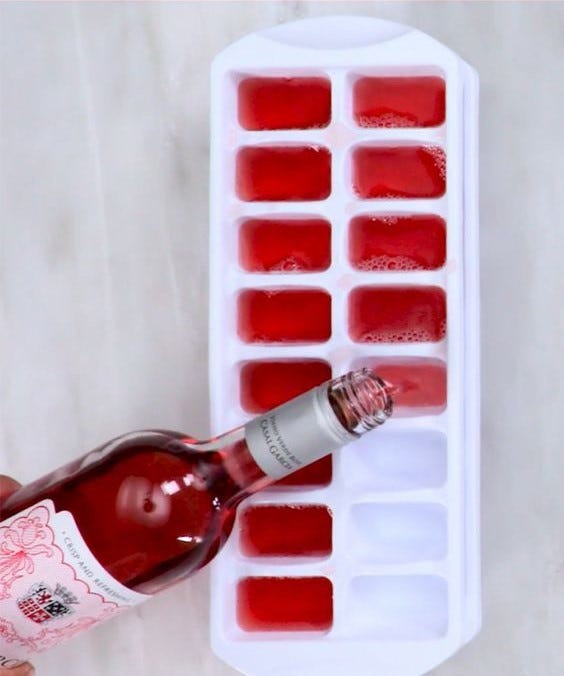
– Freezing wine can be used to make wine ice cubes for cooking
– Wine ice cubes can also be used in cocktails like Sangria or spritzers
– Freezing wine can chill it quickly or save an opened bottle
– Alcohol needs lower temperatures than water to freeze (32°F)
– Most freezers don’t drop to temperatures needed to freeze liquor, so wine can freeze after about five hours
– The temperature at which wine freezes depends on the alcohol content, ranging from 15°F to 20°F
– When freezing wine, it will likely become slushy rather than a solid cube
– It is important not to freeze wine with a sealed cap or cork, as the expanding water can cause leaks or cork expulsion
– Leave room for the wine to expand when freezing to avoid potential bottle breakage
– The safest option is to transfer wine to ice cube trays or a freezer-safe bag
– Putting sparkling wine in the freezer is dangerous because the pressure in the bottle can cause it to explode.
– Freezing wine can lower its quality and mute its flavor profile, especially for finer wines.
– Table wines and everyday wines are better options for freezing.
– If wine is left in the freezer for too long, it can begin to leak and eventually explode.
– A quick chill can be achieved by submerging the bottle in an ice and salt bath for 5 to 10 minutes.
– Once frozen wine returns to a liquid state, it is safe to drink, but the wine may have experienced “bottle shock” and may have tartaric crystals forming in it.

Continue Reading

Low Sodium Cottage Cheese: Benefits, Uses, and Recipes

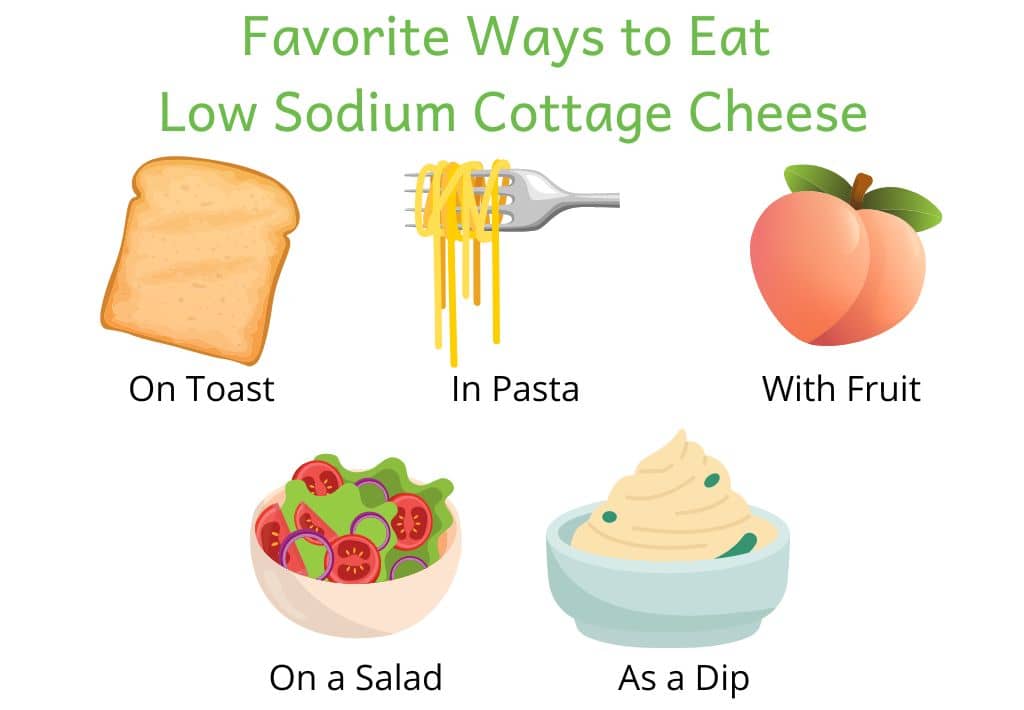
– Hood Cottage Cheese offers a low salt and low fat option called No Salt Added Low Fat Cottage Cheese
– No added salt or sugar
– Contains 14g of protein
– Available in a 16 oz size
– Small curd cottage cheese
– Suitable for those maintaining a low-sodium diet
– Refreshing dairy taste
– Dense texture
– High in protein (15 grams)
– Low sodium content
– Contains 10% calcium, supporting bone health
– Certified kosher ingredients

Continue Reading

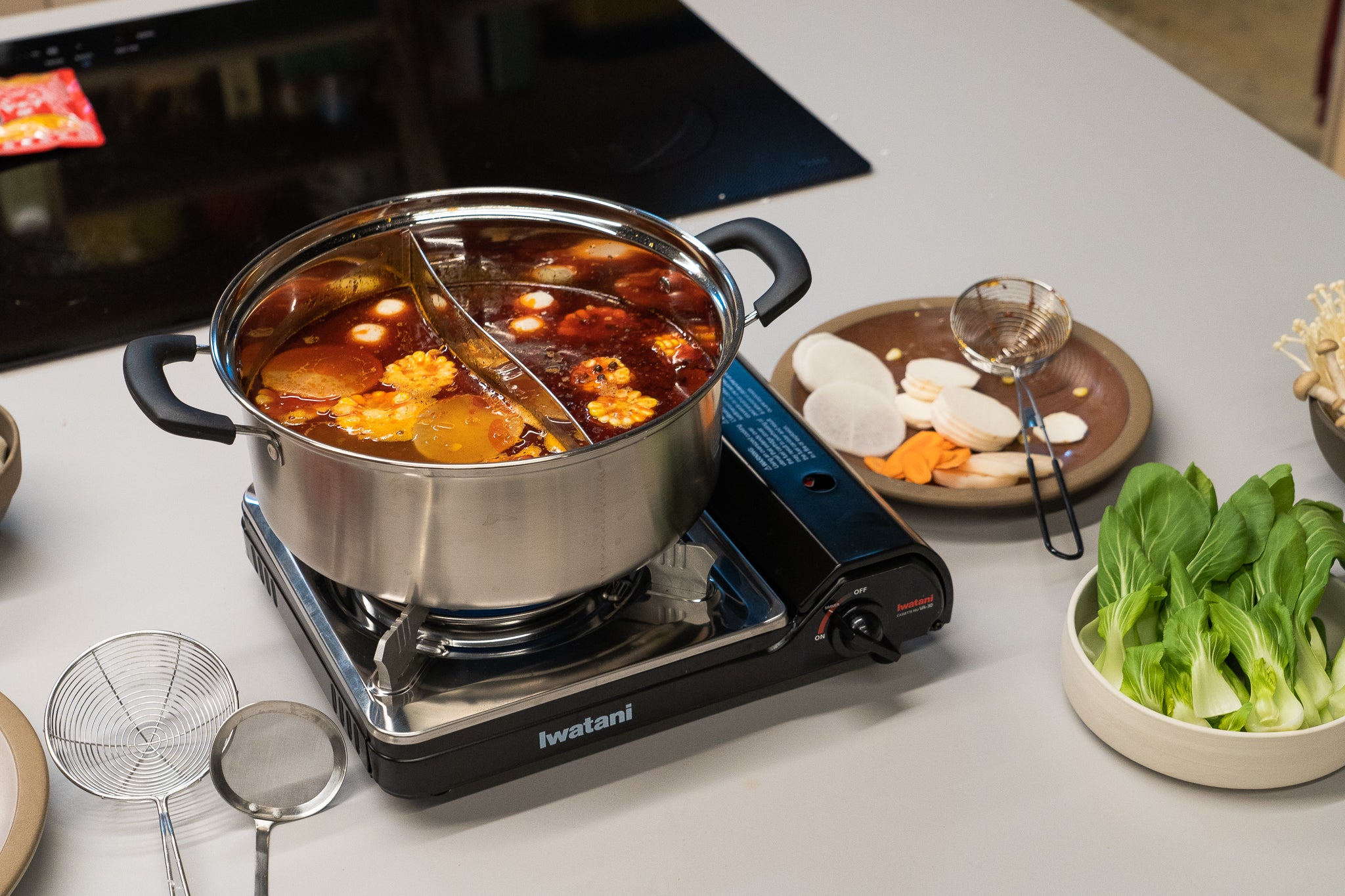
Electric Hot Pot: A Beginner’s Guide to Effortless Cooking

Keywords: electric hot pot, hot pot, Chinese cooking style, ingredients, broth, dinner table, Good Housekeeping Institute, Kitchen Appliances and Innovation Lab, recommendations, buy, Kitchen Appliances and Technologies Lab, director, Nicole Papantoniou, factors, purchase, cookbook author, Kristina Cho, Sarah Leung, tips, cook, home

Pertinent list of keywords:
– electric hot pot
– hot pot
– Chinese cooking style
– ingredients
– broth
– Good Housekeeping Institute
– Kitchen Appliances and Innovation Lab
– recommendations
– Kitchen Appliances and Technologies Lab
– director
– Nicole Papantoniou
– factors
– purchase
– cookbook author
– Kristina Cho
– Sarah Leung
– tips
– cook
– home

Continue Reading

How to store jalapenos for lasting flavor

Here is the list of pertinent methods for storing jalapenos, removing any duplication:

1. Pickling jalapenos:
– Prepare a pickling brine.
– Pour the hot brine over sliced jalapenos in a jar.
– Seal the jars and allow them to cool at room temperature.
– Store the sealed jars in the fridge. Once opened, consume within 2-3 weeks.

2. Fermenting jalapenos:
– Weigh the jalapenos before starting.
– Calculate 2-3% of the jalapeno weight to determine the amount of salt needed.
– Process the jalapenos and salt in a food processor.
– Pack the mixture into a glass jar, leaving some headspace.
– Cover the jar and proceed with the fermentation process.

3. Candied jalapenos:
– The recipe includes vinegar and different spices.
– Store in the fridge and consume within 2 weeks after opening. Check for signs of mold before consuming.

4. Dehydrating jalapenos:
– Use dried jalapeno flakes or powder as a spicy seasoning.
– Smoke jalapenos before dehydrating for a chipotle-style powder.
– Store dried jalapenos for up to a year if fully dehydrated. Use a food-safe desiccant packet to keep moisture out.

5. Freezing jalapenos:
– Freeze jalapenos whole or chopped.
– They will keep for at least 6 months without losing spiciness, flavor, or nutritional value.
– Flash freezing and using freezer bags is recommended. Thawed jalapenos are best for frying or roasting.

6. Other storage methods:
– Use jalapenos to make pepper jam or relish.
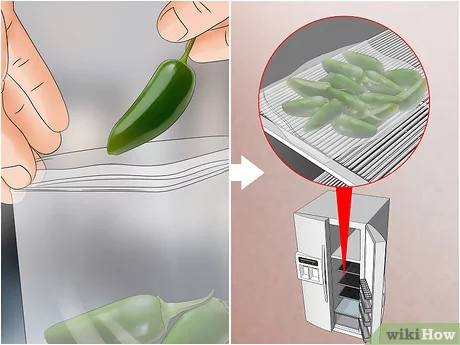
– Store fresh jalapenos in a plastic or paper bag in the fridge for up to two weeks.
– Dry jalapenos by hanging them in a dry place for 3-4 weeks or baking them at 300 °F (149 °C) for 1 to 3 hours.
– Store dried jalapenos in an airtight container in a cool, dry place for at least a year.
– Freeze jalapenos by boiling them for 3 minutes, blanching them in ice water for 1 minute, and cutting them to the desired size and shape before storing them in an airtight, freezer-safe container for up to 1 year. Thawed frozen jalapenos may be softer than fresh ones.

Continue Reading

Is Popcorn Vegan? A Guide to PlantBased Snacking

Popcorn is vegan if it is plain and made from corn. However, it becomes non-vegan if it contains butter, cheese, or other animal-derived ingredients. Some pre-popped popcorn brands that offer vegan options include Boom Chicka Pop, Skinny Pop, Smart Food, and Earth Balance. It is important to check ingredient labels and allergen information to determine if popcorn is vegan. Dairy is the main culprit for popcorn not being vegan, indicated by “Contains: Milk” on the ingredients list. Most movie theaters have vegan popcorn, but it is advisable to confirm with specific locations.

Continue Reading

Do bitters go bad? The science behind expiration

– Bitters can be stored in a cool, dry area away from direct sunlight and heat
– Fruit-based bitters may need to be kept in the refrigerator
– Excess bitters can be used in jams, marinades, dressings, and dips
– Bitters are made by infusing herbs, fruits, bark, spices, seeds, and other ingredients into a neutral spirit
– Most bitters have a shelf life comparable to any spirit, essentially indefinite
– Some fruit bitters made by Fee Brothers may have a shorter shelf life if made with glycerin instead of ethanol

Continue Reading