How Long Are Mashed Potatoes Good For and Best Storage Tips

List of Pertinent Information on ‘How Long Are Mashed Potatoes Good For’:

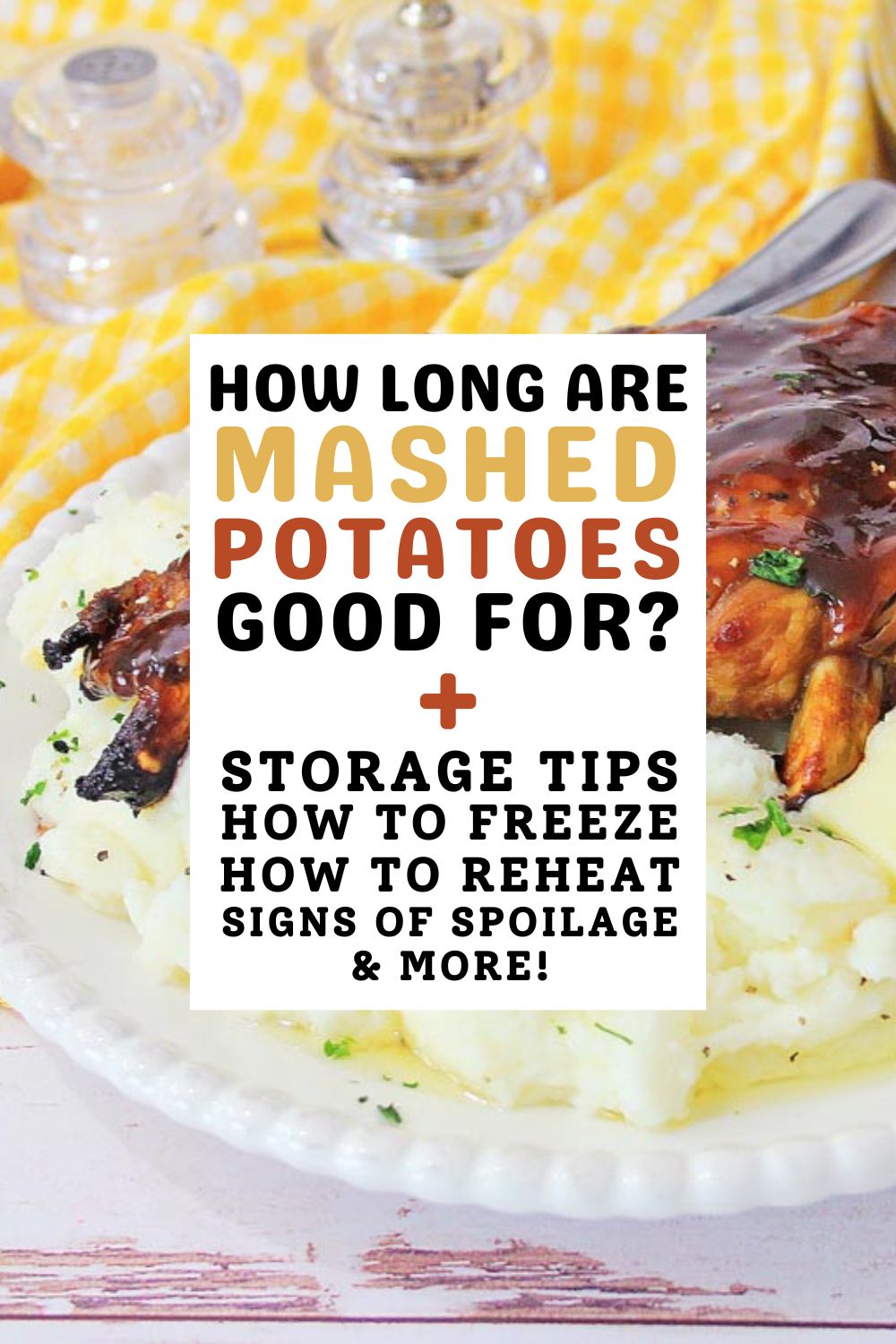
– Cooked mashed potatoes can be stored in the refrigerator for 3-4 days.
– Cooked mashed potatoes can be stored in the freezer for 10-12 months.
– Fresh potatoes will last 2-3 months at near 50°F.
– Fresh potatoes will last 1-2 weeks at room temperature.
– Raw potatoes stored in water will last 24 hours.
– Boiled potatoes stored in the refrigerator will last 3-4 days.
– If there is a foul smell or appearance, mashed potatoes should be discarded.
– Reheat mashed potatoes to 165°F to kill any bacteria that may have formed.
– Ways to freeze mashed potatoes include adding cream and butter, dividing them into one-cup portions, and freezing them on a baking sheet.
– Mashed potatoes can be reheated on the stovetop or in the oven.
– Adding extra liquid, such as cream or buttermilk, can help prevent them from drying out while reheating.
– If reheating in the oven, spread butter on top and bake at 350 degrees Fahrenheit for 20 to 25 minutes, until the potatoes reach 165 degrees Fahrenheit.
– It is recommended to make dishes with mashed potatoes before they go bad or spoil.
– Nutritional information for mashed potatoes cooked with skin without salt: 87 calories, 1.9 grams of protein, 20.1 grams of carbs, 77% water, 1.8 grams of fiber, and 0.1 grams of fat.
– Recommended potatoes for mashing are Russet Potatoes and Yukon Gold Potatoes.
– Russet Potatoes are reddish-brown with dark brown skin, white, dry, and starchy flesh.
– Yukon Gold Potatoes are creamy when crushed, never plump, and have a slightly buttery flavor.
– Recipe ingredients: 1kg potatoes, 1/2 cup hot milk, 1 teaspoon salt, 1/3 cup unsalted butter, 6-8 cloves of garlic, 1/4 cup sour cream, 1/4 cup shredded parmesan cheese (optional), salt and pepper for taste, 1 tablespoon chopped parsley (optional).
– Recipe instructions: peel and cut potatoes, boil for 15-20 minutes, fry garlic in butter, drain cooked potatoes, add butter, milk, garlic, and sour cream, mash potatoes, add parmesan cheese, salt, and pepper.
– Storing mashed potatoes in an airtight container prevents deterioration due to oxygen exposure and moisture loss.
– Leftover mashed potatoes can be used to make a variety of dishes.
– It is important to reheat mashed potatoes to a temperature of 71 degrees Celsius before consuming if they have been left out for 8-10 hours.
– Peeled potatoes can sit in water for 12-24 hours but should not be kept for more than 24 hours.
– Mashed potatoes can last longer when stored in the freezer.
– Mashed potatoes should not be stored with onions and apples because they produce gases that can affect their quality.

Continue Reading

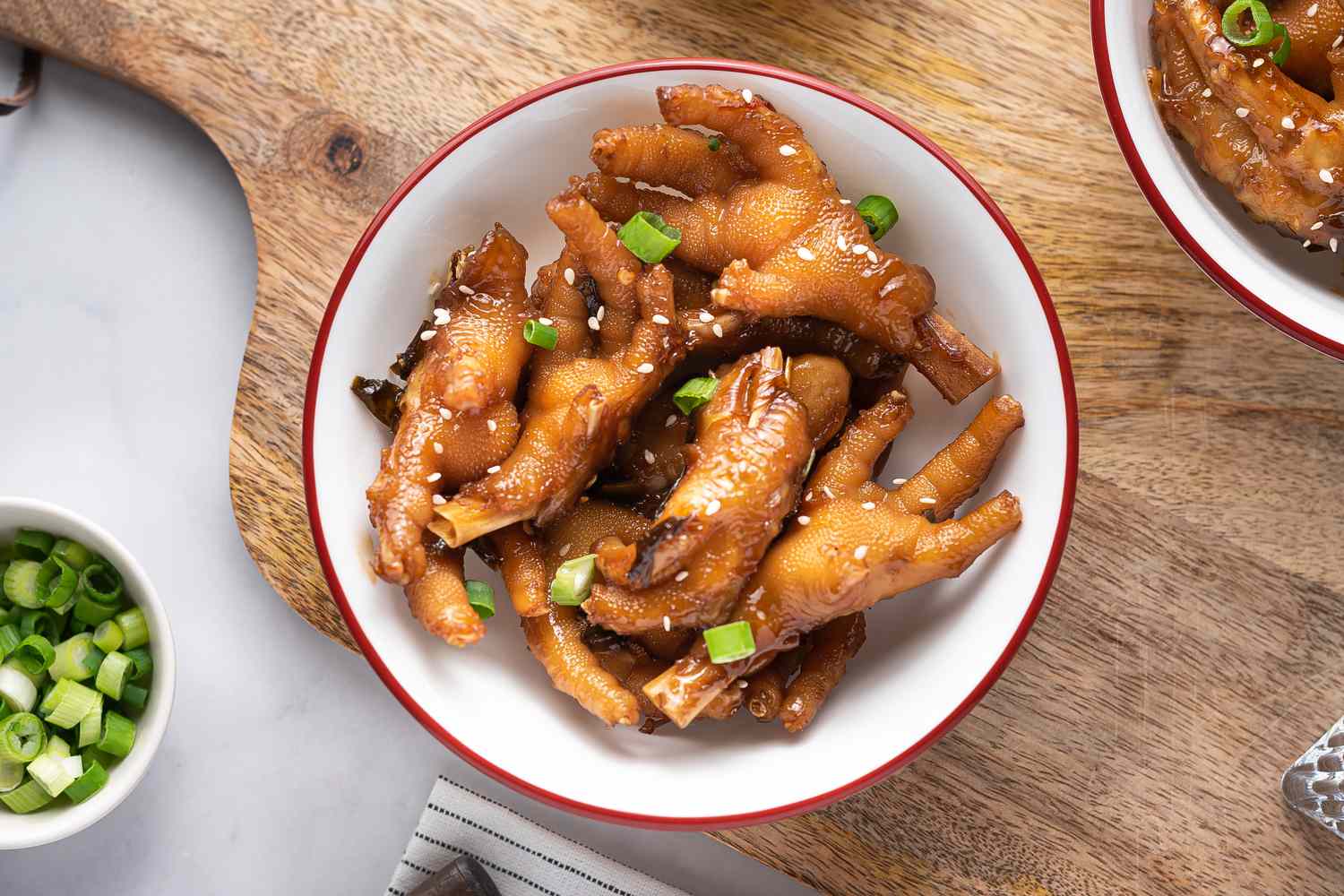
How to Eat Chicken Feet: A Guide to Traditional Cuisine

List of Pertinent Steps on How to Eat Chicken Feet:

1. Soak the chicken feet in hot water for 30 seconds to remove the skin and nails.
2. Combine the feet with salt, sugar, soy sauce, and garlic in a sauté pan.
3. Simmer the feet in the sauté pan for 2 hours.
4. Use chopsticks or hands for better grip while eating.
5. Bite off each joint before sucking the meat off the bone.
6. Gnaw at the chicken feet until only the bones remain.
7. Suck the skin and flavor from the toes.

Continue Reading

Discover the Benefits and Uses of Air Fryer Paper Liner: A MustHave for Easy, OilFree Cooking!

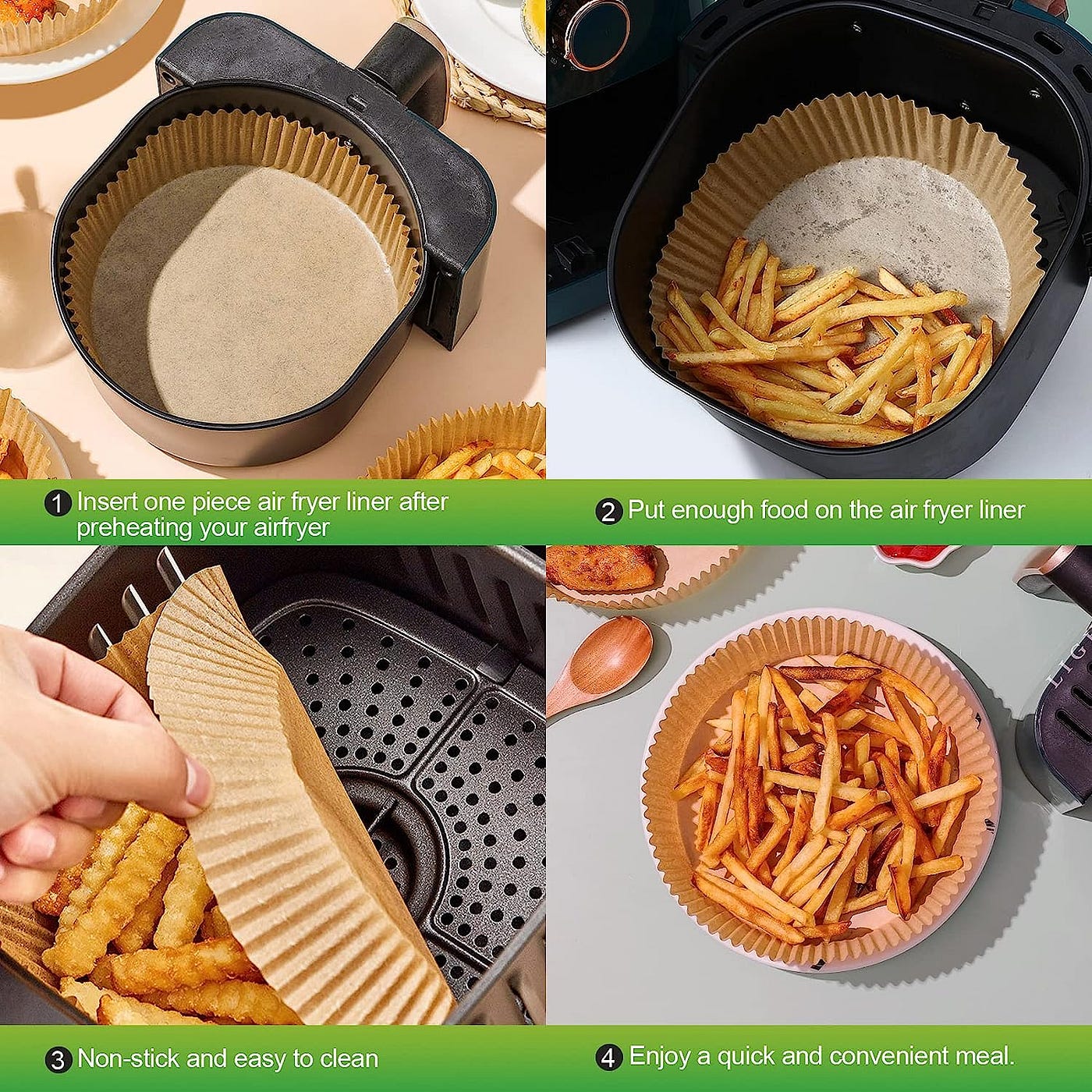
– Types of air fryer liners available, such as parchment paper and silicone liners
– Convenience and benefits of using air fryer liners, including non-stick surface, easier cleaning, and protection of the fryer basket
– Differences between parchment paper liners and silicone liners, including convenience, fit, and material
– Tips for cleaning reusable liners, such as washing in warm, soapy water or using a dishwasher
– Use of aluminum foil or disposable aluminum foil liners in air fryers
– Benefits of using perforated liners for enhanced air flow and crispier food
– Importance of trimming and perforating liners for optimal cooking results
– Safety precautions when using liners, including using heat-resistant and food-safe materials, weighing down liners, and ensuring proper ventilation and airflow
– Common issues with air fryer paper liners, such as sticking and tearing, and solutions to prevent them
– Importance of properly fitting liners in the air fryer basket for efficient use
– Tips for cleaning and storing air fryer silicone mats or reusable liners promptly and properly
– The significance of using food-grade materials in the air fryer
– The importance of choosing the right size and shape of liners for the air fryer basket

Continue Reading

Seafood Boiler: A Guide to Delicious Seafood Preparation

List of Pertinent Information about Seafood Boiler:
– The article discusses a 30 qt. Boil Fry Steam Kit
– The kit includes a 30 qt. aluminum pot with a patented twist and drain design
– It also includes a 10 qt. pan
– The pot can be used for boiling, frying, and steaming seafood
– The pot is big enough to cook a large amount of food for a neighborhood feast
– The pan is the perfect size for frying and cooking smaller dishes like chicken wings and French fries
– The kit is designed for outdoor cooking
– The kit is built to last

Continue Reading

Discover the Exquisite Flavors of Authentic Batard Bread:

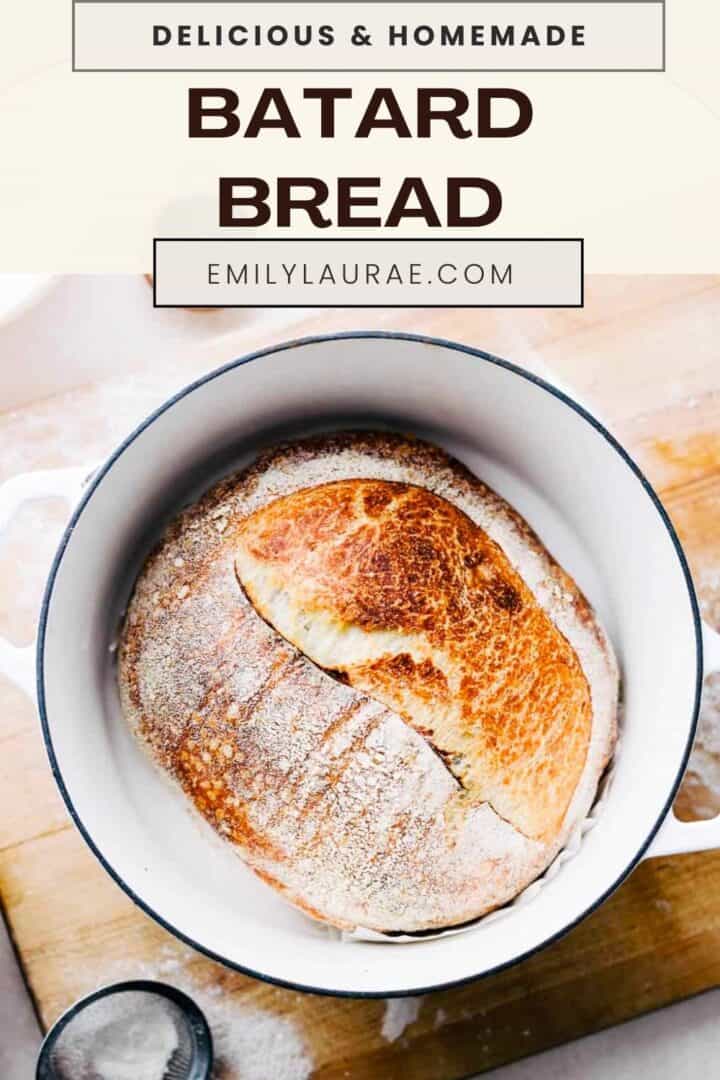
The article describes the batard bread, which is a football-shaped loaf and one of the last classic shapes formed by French bakers. The word “batard” is French for “bastard.” Originally, French bakers shaped their dough into baguette and boule shapes. In the 19th century, a baker invented the batard loaf shape, which became popular. The batard bread comes in different sizes: 1#, 2#, and Sandwich Batard. It can be sliced into different thicknesses: 1/2″, 5/8″, ¾”, or 1″.

Continue Reading

Can You Eat Lamb Rare? Know the Risks for Optimal Safety!

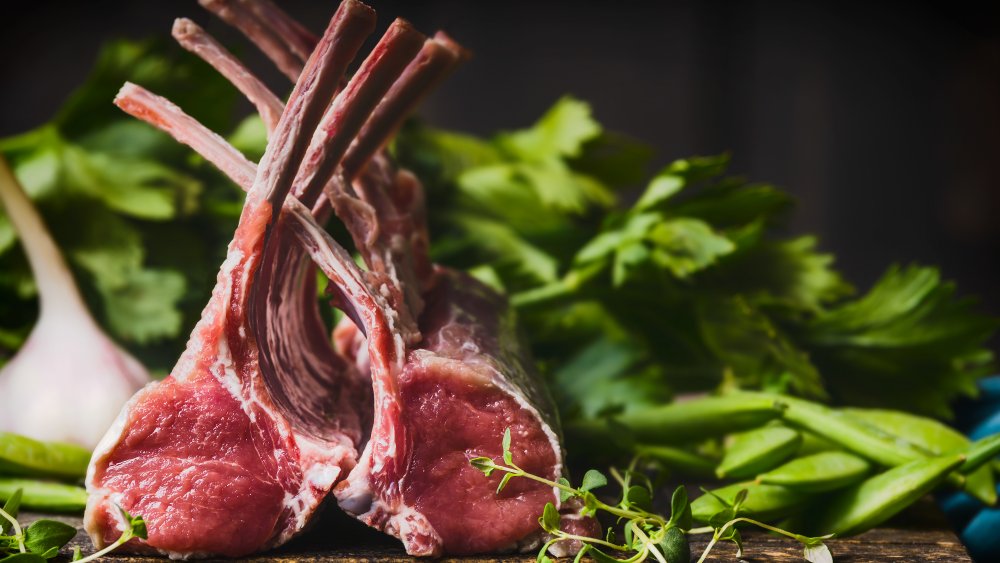
– Lamb can be eaten rare if the exterior is cooked and the surface bacteria is killed off
– Use a meat thermometer to check for doneness and aim for an internal temperature of 120-125 degrees Fahrenheit (50 degrees Celsius)
– Let the lamb rest for five minutes after cooking to reach a final internal temperature of 128-130 degrees Fahrenheit
– It is not recommended to eat rare lamb leftovers because they may have bacteria picked up during storage
– Leftover lamb should be reheated to at least medium doneness to reduce the chances of consuming bacteria
– Eating raw lamb is not advisable due to food safety concerns, although some people enjoy lamb tartare
– If making lamb tartare, it is important to use high-quality, previously frozen lamb and ensure cleanliness during preparation
– Common foodborne pathogens associated with undercooked lamb include E. Coli, Salmonella, Staphylococcus aureus, Norovirus, and Campylobacter
– Proper cooking, such as searing the lamb, helps remove bacteria from the outer surface

Continue Reading

Durian vs Jackfruit: Unveiling the exotic fruits’ distinctive characteristics

– Durian and jackfruit are two different tropical fruits that are often compared due to their similar appearance and origin in Southeast Asia.
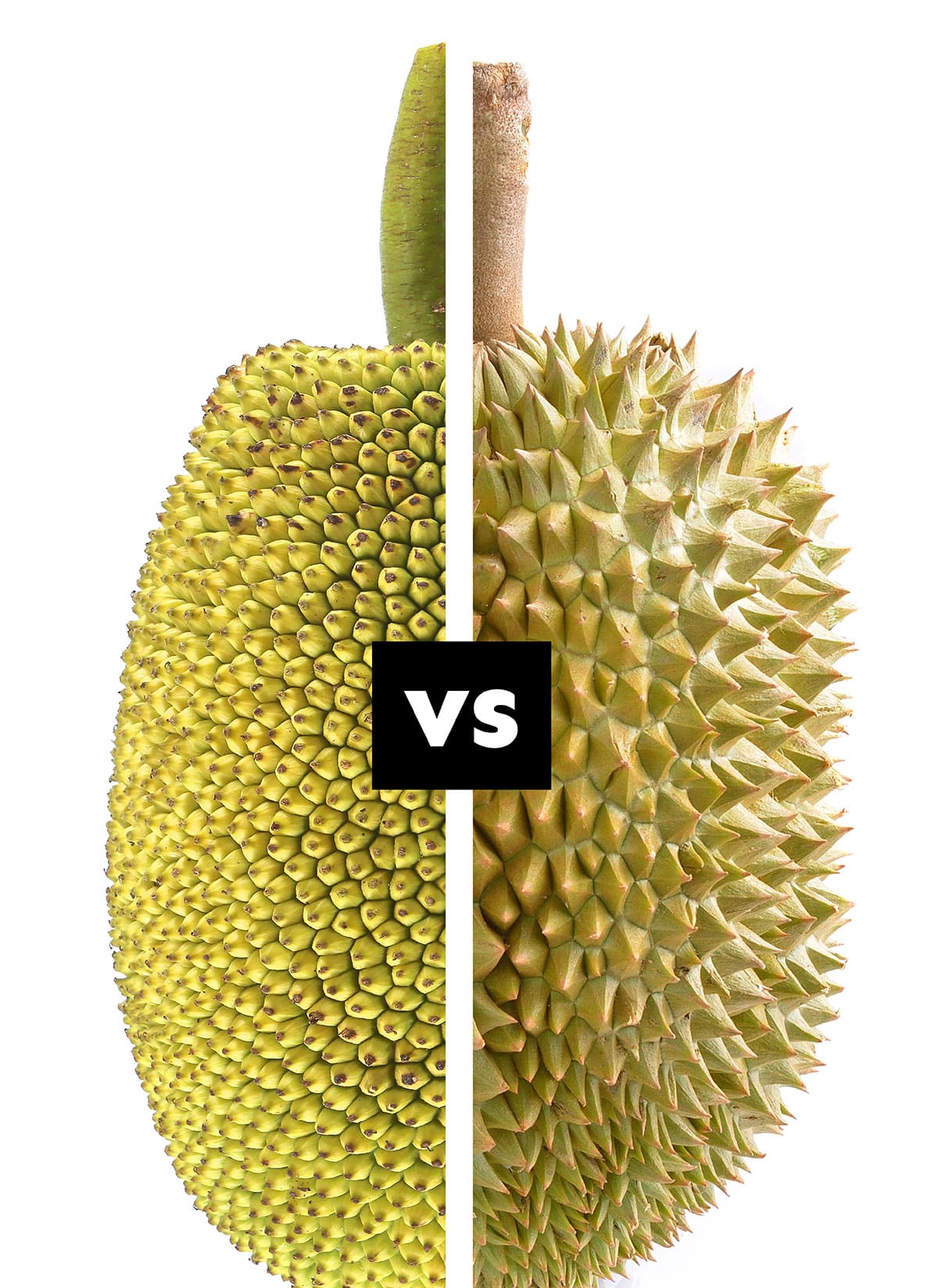
– Durian is larger and heavier than jackfruit with a spiky exterior and a strong, distinct aroma.
– Jackfruit is more elongated and has a bumpy exterior with a milder aroma.
– Durian has sweet, custardy flesh and creamy texture.
– Jackfruit has a sweet and tropical flavor.
– Durian is banned in some public places.
– Durian is considered the “king of fruits.”
– Jackfruit seeds are edible and can be used in various dishes.
– Durian is native to Southeast Asia, specifically Indonesia, Malaysia, and Thailand.
– Jackfruit is native to South Asia, specifically India and Bangladesh, and is also widely grown in Southeast Asia.
– Durian trees can grow over 160 feet tall with spiky trunks and large, glossy leaves.
– Jackfruit trees are smaller, growing up to 65 feet with smooth gray bark and rounded leaves.
– Durian measures around 6 to 8 inches in diameter and weighs 2 to 7 pounds.
– Durian has a spiky, greenish-brown exterior.
– Jackfruit has a more elongated shape.
– Durian has a sharp, triangular spiked exterior while jackfruit has a rough, green exterior with blunt, knobby spikes.
– Durian fruit is smaller, growing up to 35 inches in diameter and weighing up to 40 pounds. Jackfruit is much larger, growing up to 35 inches in diameter and weighing up to 40 pounds or more.
– Durian has a strong, pungent odor described as a mix of rotten onions, gym socks, garbage, and sweet custard. Jackfruit has a sweet, tropical aroma often compared to a blend of banana, pineapple, and mango but with a twist of rotting onion odor.
– Durian has a creamy texture like custard with a sweet, buttery flavor, while jackfruit has a fibrous, chewy texture with a sweet, tropical flavor often compared to a blend of pineapple, mango, and banana.
– 1 cup of durian contains approximately 357 calories, 13 grams of fat, 66 grams of carbohydrates, 9 grams of fiber, and 4 grams of protein. The same amount of jackfruit contains approximately 157 calories, 2 grams of fat, 38 grams of carbohydrates, 2.6 grams of fiber, and 2.4 grams of protein.
– Durian is higher in vitamins and minerals such as vitamin C, vitamin B6, potassium, and iron. Jackfruit is higher in vitamin A and magnesium.
– Durian is often eaten raw or used in sweet desserts and pastries. It can also be used to flavor savory dishes. Jackfruit is versatile and can be used in both sweet and savory dishes. The fibrous texture makes it a popular vegetarian meat substitute.
– Both durian and jackfruit come from different tree species and belong to different plant families. Durian belongs to the family Malvaceae and the genus Durio, while jackfruit belongs to the family Moraceae and the genus Artocarpus.
– Durian is not universally banned, but it is restricted in some public places due to its strong and distinctive odor.
– Durian trees can only be grown in the U.S. in Hawaii due to their sensitivity to cold temperatures.
– The high cost of durian is mainly due to limited availability and high demand.
– Jackfruit has a distinctive smell, often described as a mix of banana, pineapple, and rotting onion. Ripe jackfruit is sweet with a flavor similar to a mix of banana, pineapple, and mango. Unripe jackfruit is starchy and less sweet, with a flavor and texture more similar to a vegetable.
– Both durian and jackfruit are classified as fruits because they develop from the ovary of a flower and contain seeds.
– Jackfruit seeds are edible, oval or kidney-shaped, and have a brown, hard outer shell.
– The seeds can be boiled, roasted, or fried and used in a variety of dishes.
– Durian is known as the “king of fruits” due to its unique combination of flavor, texture, and aroma.
– Durian has a sweet, custardy flesh with a creamy texture.
– Durian has a distinctive and strong aroma that can be described as heavenly or revolting.
– Durian is highly prized and sought-after in Southeast Asia and other parts of the world.
– Durian is considered a symbol of status and luxury.
– Both durian and jackfruit are beloved and celebrated fruits in Southeast Asia.

Continue Reading

Cook in front of you: The Ultimate Culinary Experience

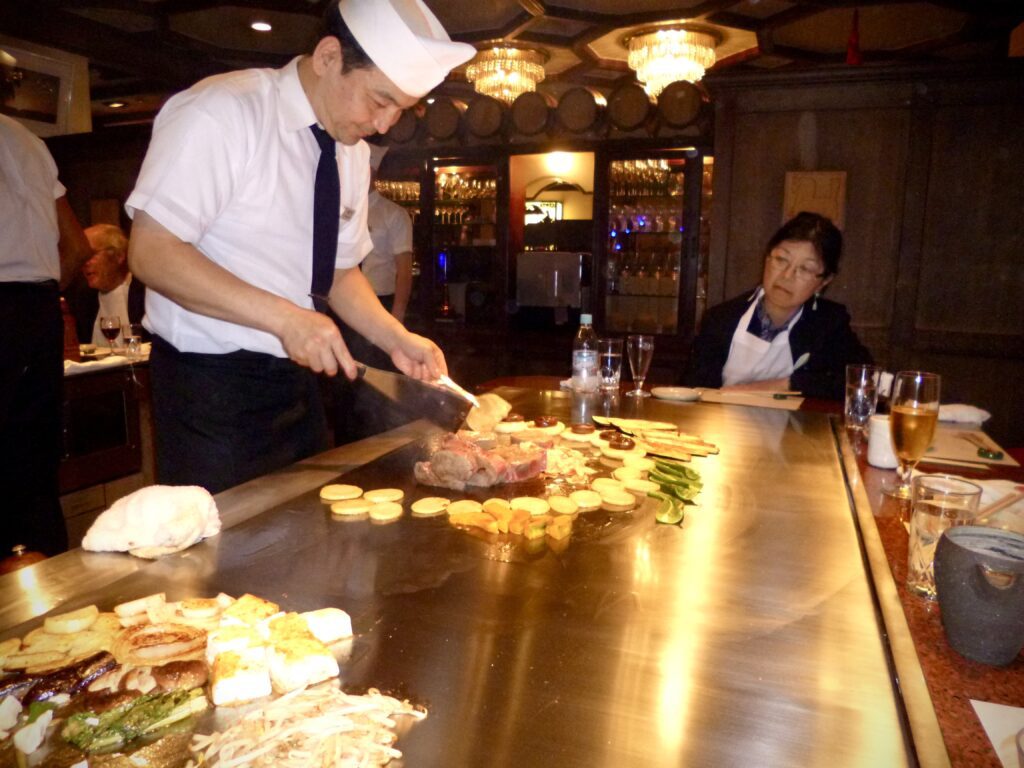
Teppanyaki and hibachi are both popular Japanese cooking styles that involve grilling over a metal plate. Teppanyaki chefs are trained to perform tricks like flaming an onion volcano. Common foods cooked on teppanyaki include shrimp, beef, chicken, and tofu, with sidings like grilled vegetables, fried rice, and noodles.

Hibachi grills have open grates and are typically made of wood or ceramic lined with metal. Some hibachi chefs also perform tricks like teppanyaki chefs.

The main difference between teppanyaki and hibachi is the characteristics of their cooking plates. Teppanyaki uses a solid, flat iron griddle heated with propane, while hibachi traditionally uses circular grills made of wood or ceramic lined with metal. Hibachi grills can also be smaller and portable compared to teppanyaki griddles.

The Japanese Korean Ceramic Hibachi BBQ Table Grill from Amazon is praised for its ability to deliver searing heat and infuse food with a charcoal flavor. The grill is small, portable, easy to store, and cleaning is not a chore. The hibachi grill is compact, portable, and easy to store, and requires no assembly. It comes with a pair of tongs and a stand. The hibachi pot is ceramic with a stainless steel grill plate, and has a double air vent to control heat.

Hibachi grills have similar cooking times to regular barbecues. They can be used for thin cuts/small cubes and slices of meat, as well as thicker cuts like steak if the size and shape of the meat are suitable. Thicker cuts may require extended cooking time and more frequent turning to prevent burning. Brushing fish with oil can prevent it from sticking to the grill plate.

The hibachi grill is easy to use, portable, and doesn’t require assembly. It takes around 30 minutes to heat the charcoal before placing it in the grill. Binchotan, a Japanese charcoal, is recommended for this type of grilling as it brings out the natural flavor of the food and allows for better heat control. Binchotan can be reused several times. Regular charcoal may produce a stronger smoky flavor and more smoke.

The hibachi grill is easy to clean, with the clay pot requiring no cleaning and the grill plate easily fitting in a sink or dishwasher. The hibachi should be stored indoors or well covered when not in use.

The price of hibachi grills can range from $60 to $800, depending on the size and brand. The article also mentions that a hibachi grill priced at $69 impressed testers, but points out the ongoing cost of buying binchotan charcoal.

Continue Reading