
Charcuterie: Everything You Need To Know
If you’re a fan of cheese and cured meats, then you’ll love charcuterie. This French cuisine is all about enjoying these tasty foods, and we’ve got everything you need to know about it.
Continue Reading
If you’re a fan of cheese and cured meats, then you’ll love charcuterie. This French cuisine is all about enjoying these tasty foods, and we’ve got everything you need to know about it.
Continue Reading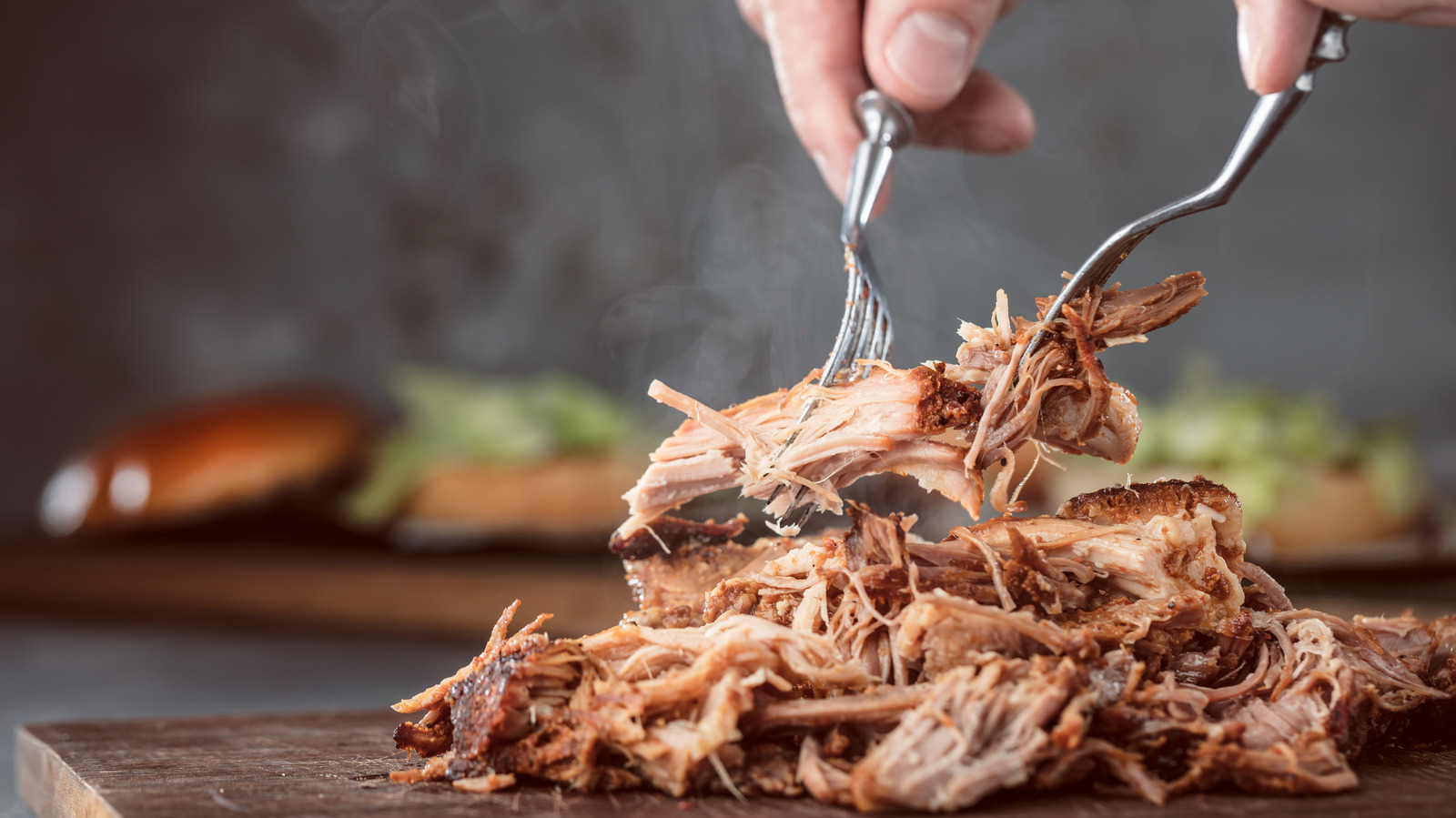
– Pulled pork is a common barbecue dish, typically made from the shoulder of a pig.
– It is usually smoked low and slow and cooked until tender in a low oven or slow cooker.
– Pulled pork is often coated with a dry rub before cooking and mixed with various barbecue sauces after shredding.
– Leftover pulled pork is common, as it is typically made with a whole shoulder weighing between 12 and 16 pounds.
– There are ways to reheat pulled pork without drying it out. The article discusses how to properly store and reheat pulled pork to prevent it from drying out. It suggests keeping the pork in one piece until reheating to retain moisture. Vacuum sealing is recommended as an effective method for storage, as it preserves the food and saves freezer space. The article also mentions that vacuum sealers are now affordable and widely available. Overall, the article provides tips and advice on preserving the quality of leftover pulled pork. The article provides tips and methods for reheating pulled pork. It suggests weighing out equal portion sizes before freezing to prevent wastage. The recommended serving size is roughly 5oz per adult, halving that for small children. Leftovers can be placed into individually sealed vacuum bags with labels indicating the date, weight, and contents. The article recommends reheating by placing a vacuum-sealed bag of pulled pork into boiling water for 5 minutes to retain moisture. Larger portions may require longer heating times. Alternatively, reheating in the oven is also suggested by placing the pork in an ovenproof dish, adding a liquid such as apple juice or BBQ sauce, covering it with foil, and baking at 225°F. This article provides four different methods for reheating pulled pork. Here are the important facts, stats, and figures:
1. Reheat in the oven:
– Place the pulled pork in the middle of the oven on a tray.
– Cook until the internal temperature reaches 165°F.
– Optional: Open the foil to broil for a few minutes to add crunch to the bark.
– If the pork butt is stored whole, shred it after removing from the oven.
2. Reheat on the grill:
– Use a 2-zone cooking method to prevent the direct heat from drying out the meat.
– For gas grills, keep one burner off and set the other to high heat.
– For charcoal grills, pile charcoal on one side to create a hot zone.
– Bring the hot zone to 225°F and place the pork wrapped in foil on the cool zone.
– When the internal temperature reaches 165°F, crisp up the pork on the direct heat side.
– If already shredded, place in a pan first.
3. Reheat in a crock pot (slow cooker):
– Defrost frozen meat for 24 hours before reheating in the crock pot.
– Set the crock pot to low heat or keep warm setting.
– Add a splash of liquid to the pot.
– The crock pot will bring the meat up to temperature in a few hours.
4. Reheat with the Sous Vide method:
– Sous vide is a method of cooking by immersing food in a hot water bath inside a vacuum-sealed bag.
– Use sous vide to cook pulled pork by following the same principle.
Note: It is important to ensure the internal temperature reaches 165°F to avoid bacterial issues. Facts, stats, and figures from the article “Reheating Pulled Pork”:
– To safely store pulled pork, wrap it tightly in foil and plastic bag, place in a cooler with ice, and then move it to the fridge.
– Refrigerated pulled pork can last for about 4 days, while frozen pulled pork can last for 2 to 3 months.
– Reheating pulled pork multiple times increases the chances of bacterial growth.
– Rapidly cooling the reheated pork after each use reduces bacteria but may degrade the quality of the meat.
– It’s recommended to reheat pulled pork only once and store it in single-serving portions.
– Suggestions for using leftover pulled pork include loaded nachos, stuffed potato skins, and BBQ pulled pork grilled cheese.
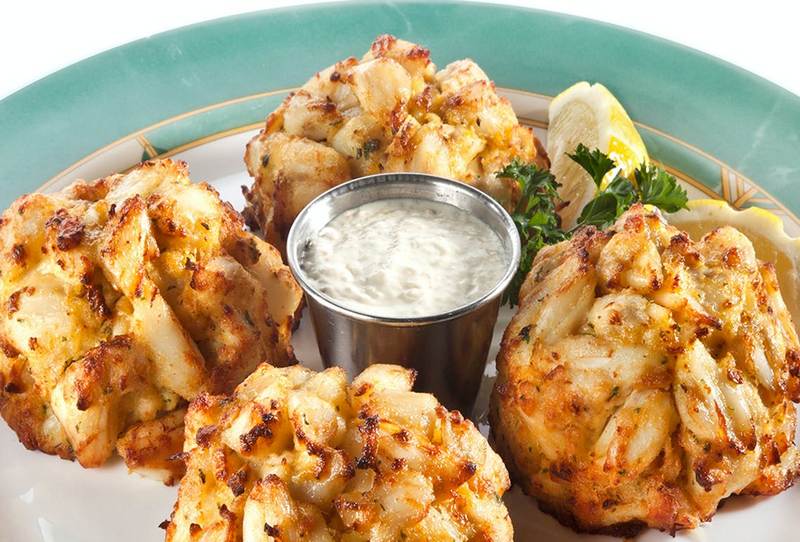
Have you eaten crab cakes before? This is a dish that you can use as appetizers or for meals and several things can also be done with them. Anyone fond of eating crab will also find crab cakes delightful. In case you are not fond of crabs, you may still find delight in eating crab […]
Continue Reading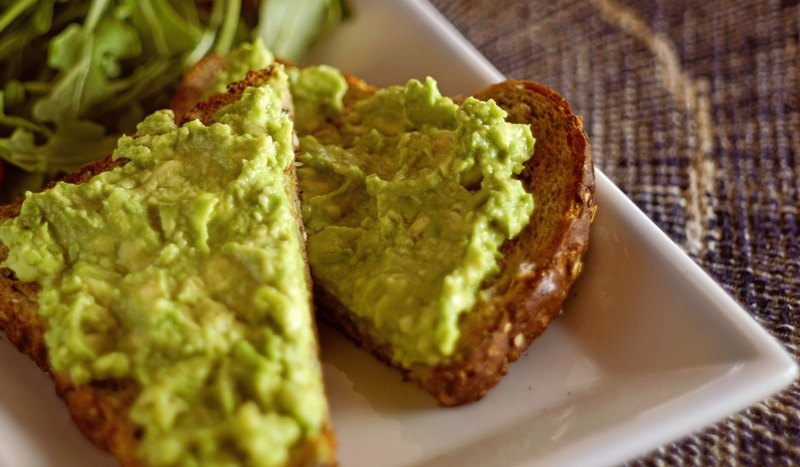
Avocado for a meal is not only scrumptious but very healthy as well. You can have it plain, wrapped into a burrito, combined in a salad, stuffed in Deviled eggs, or mashed in a guacamole. There are various dishes to make with avocados and we will look at the simplest yet yummiest avocado guacamole. Guacamole […]
Continue Reading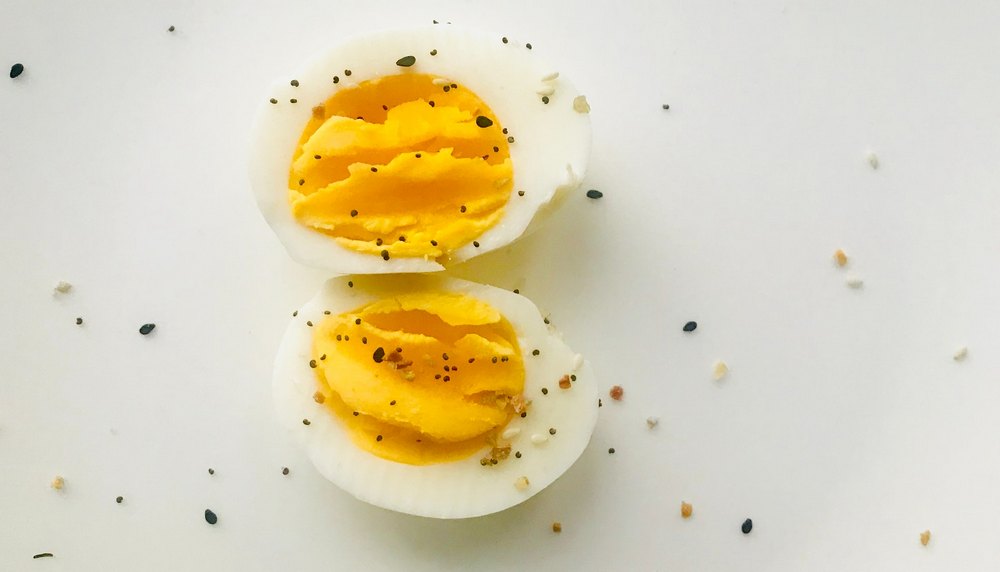
Eggs are nutrient dense food, available all year round as well as the cheapest source of protein. Most people like to have it for breakfast, and you can have it stir-fried rice, sunny side up, soft boiled or hard boiled. Let’s talk about hardboiled eggs. Hardboiled eggs are easy to prepare but it takes time […]
Continue Reading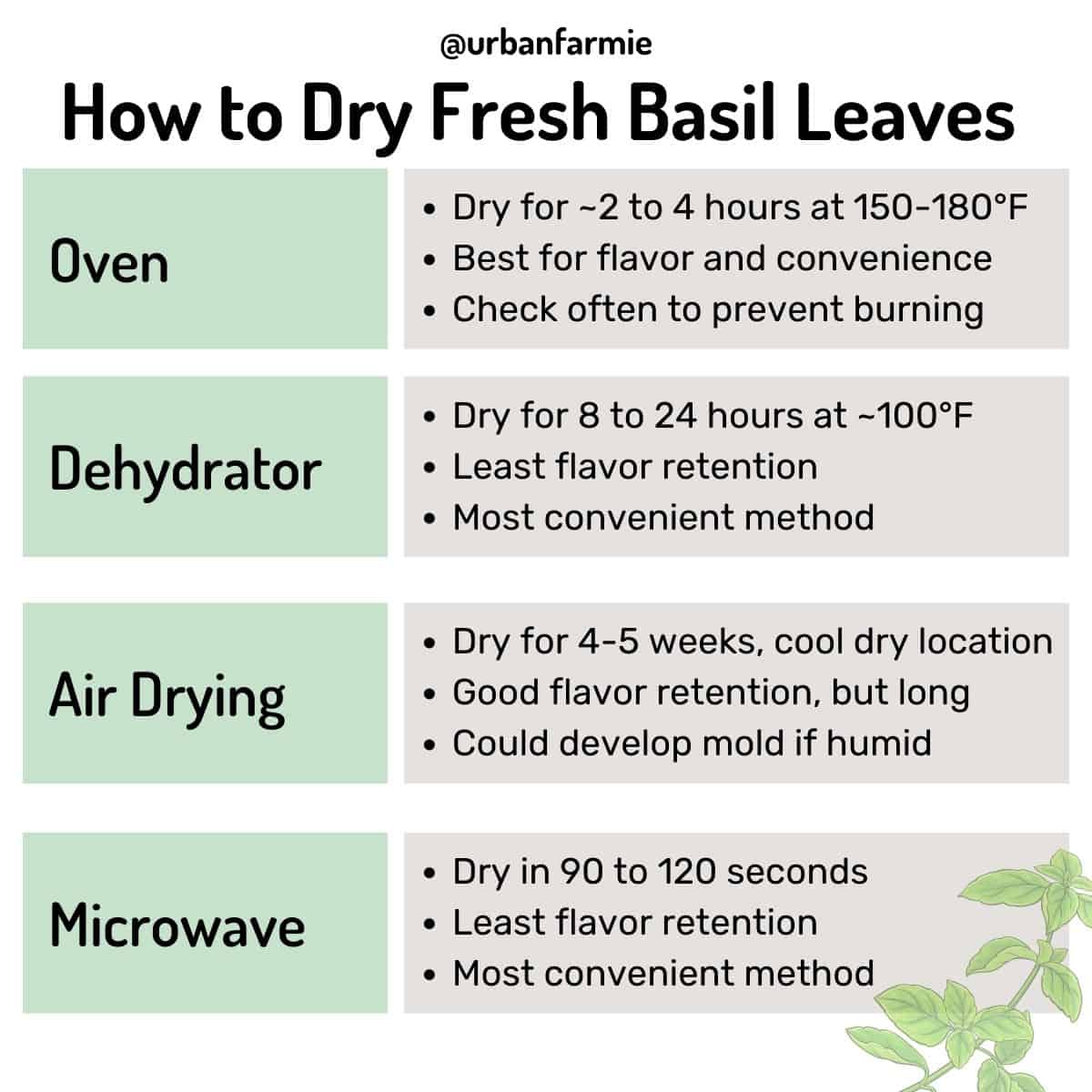
– The article discusses different methods for drying basil, including air-drying, using the kitchen oven, or using a dehydrator.
– It also provides instructions and visuals for each method.
– This article provides step-by-step instructions for drying basil leaves using the microwave and/or the oven methods.
– The author mentions that drying basil can help prolong its life and preserve its flavor.
– They also suggest alternative methods for preserving the flavor closest to the fresh form, such as making and freezing pesto, freezing fresh basil leaves, or freezing basil as herb bombs.
– The article states that the homemade version of dried basil is better than storebought.
– The required ingredients for drying basil include basil leaves and a microwave oven, a regular oven, or a dehydrator oven.
– The article also provides tips for picking basil and recommends removing the stems before drying.
– The article provides instructions on how to dry basil leaves using an oven or microwave.
– When drying in an oven, preheat to the lowest setting possible (around 175°F) and spread the basil leaves in a single layer on a baking sheet.
– Dry for about 2.5 hours, checking every 15 minutes to prevent burning.
– The leaves should sound crunchy and change color to a dark green when done.
– In the microwave method, place a towel on a microwavable plate, arrange the leaves in a single file, and place another towel on top.
– Microwave in 30-second bursts, checking after each burst.
– The leaves should shrivel.
– The microwave method produces lesser flavor compared to oven or air-drying.
– To maximize flavor, store dried basil as whole leaves and crush them right before use.
– When substituting dried basil for fresh, use ¼ to ⅓ of the amount called for in the recipe.
– One tablespoon of fresh herbs is approximately equal to one teaspoon of dried herbs.
– Dried basil leaves last at least a year when stored in an airtight container in a cool and dark place.
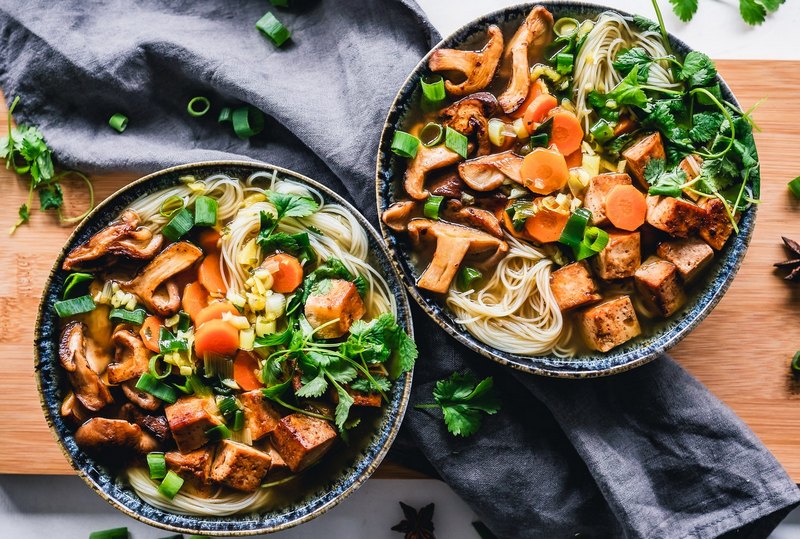
One important item of our everyday meal is vegetables, on the pyramid of food, vegetables rank among the highest foods recommended to be taken. According to research, an individual is supposed to eat about five to 13 servings of vegetables and fruits per day. One of those highly recommended foods, when you are following a […]
Continue Reading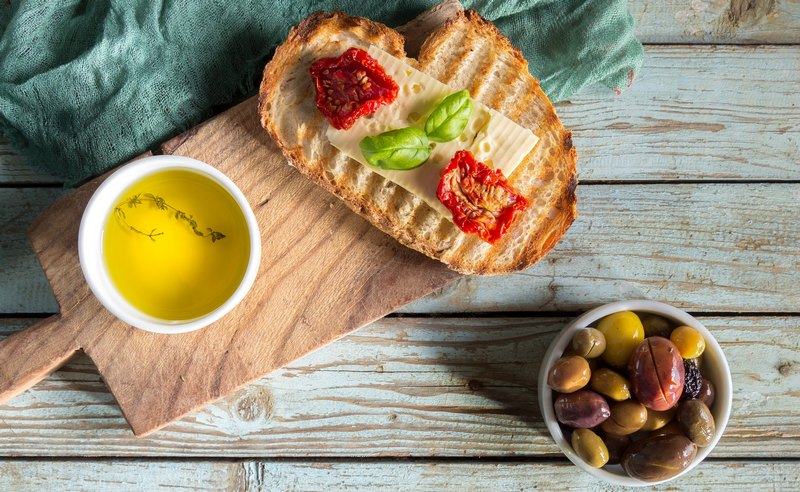
Almost everyone uses vegetable oil, if not, then almost everyone knows what it is. You use vegetable oil regularly as an ingredient in cooking most especially for fried foods. It is an essential commodity in almost every household and some people buy in bulk so that they can save money. There is always a need […]
Continue Reading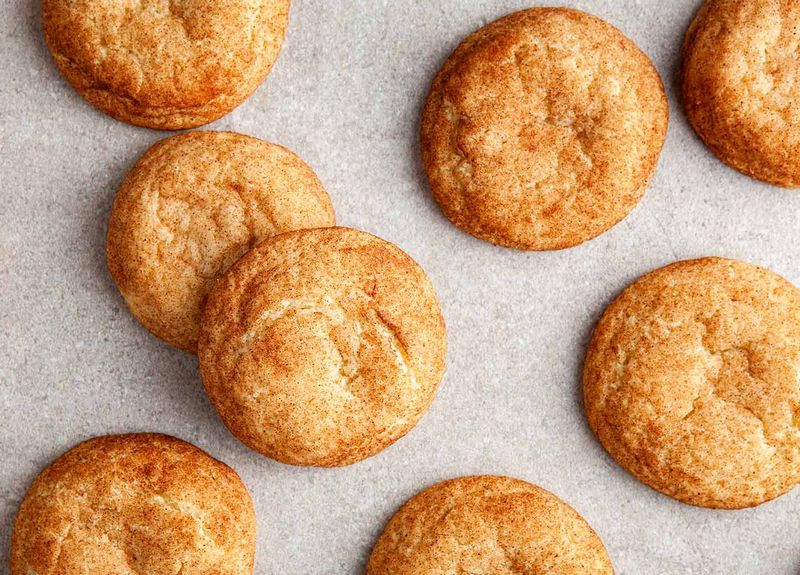
When you bake during quarantine, it would mean going through some classic recipes of cookies for a different set of people. The recipes are not complicated and staples that can be easily found inside the pantry of most homes like baking powder, flour, and sugar are mostly used to make them. A wonderful approach to […]
Continue Reading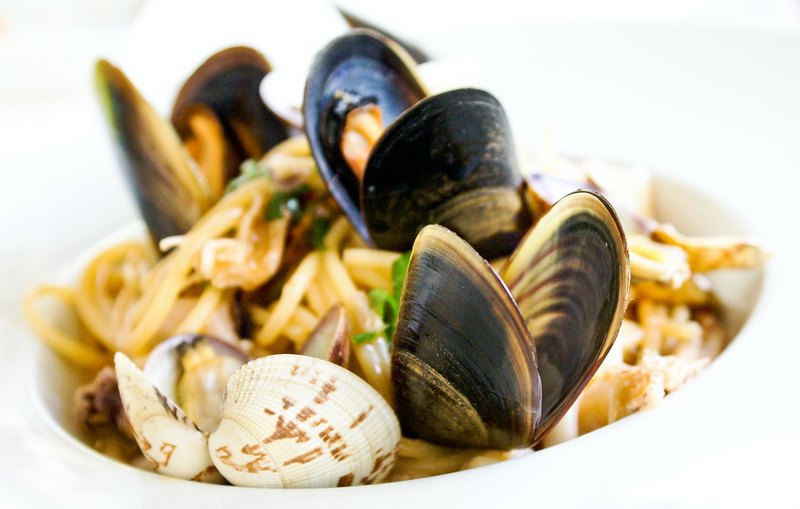
Have you ever gone to a restaurant and ordered some mussel dish? Do you like to buy fresh mussels and cook your favorite mussel dish? Either way, it means you truly like this particular mollusk which other deems exotic. Mussels are soft and chewy when prepared properly and some people find it a tedious job […]
Continue Reading