Basil on Pizza: Exploring Unique Flavors and Pairings

– Basil is one of the most popular herbs used in Italian dishes like pizza.
– Basil has health benefits and is a good source of vitamins A and C. It also has anti-inflammatory properties.
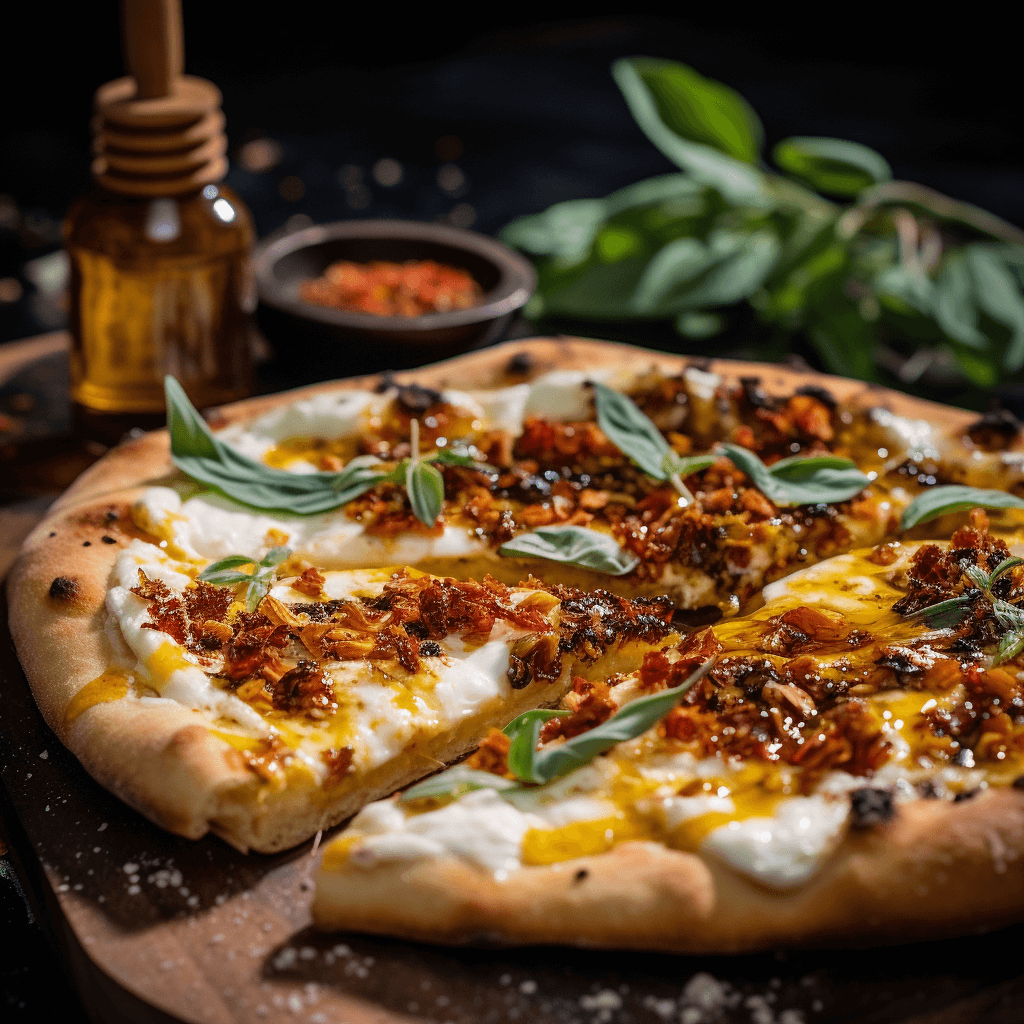
– Ingredients for basil margarita pizza include thin crust, tomato sauce, mozzarella, tomatoes, oregano, and basil. Optional toppings can include arugula and prosciutto.
– The pizza should be baked in the oven for 15 minutes until the crust is golden brown and the cheese is bubbling.
– Adding basil to pizza helps keep it fresh and prevents it from becoming soggy or shriveled.
– Basil adds a fragrant aroma and intense flavor to the pizza.
– Fresh basil is recommended over dried basil, as it has a stronger flavor without overpowering other ingredients.
– Chiffonade basil and Thai basil are mentioned as alternative options for pizza toppings.
– When using basil on frozen pizza, fresh basil can be added to the sauce before baking or sprinkled on top before serving.
– Basil should be added right before serving to maintain its freshness.
– Drizzling fresh basil with olive oil can help preserve its appearance.
– Wilted basil should be avoided as it can lose flavor and color.
– Fresh basil should be added immediately after baking to prevent burning or oxidation.
– Dried basil can be added at any time, but it is best to add it right before the pizza goes into the oven.
– Adding basil to pizza can improve both the taste and appearance of the dish.
Continue Reading

Dried Jalapeno: An Exploration of Flavor and Preservation

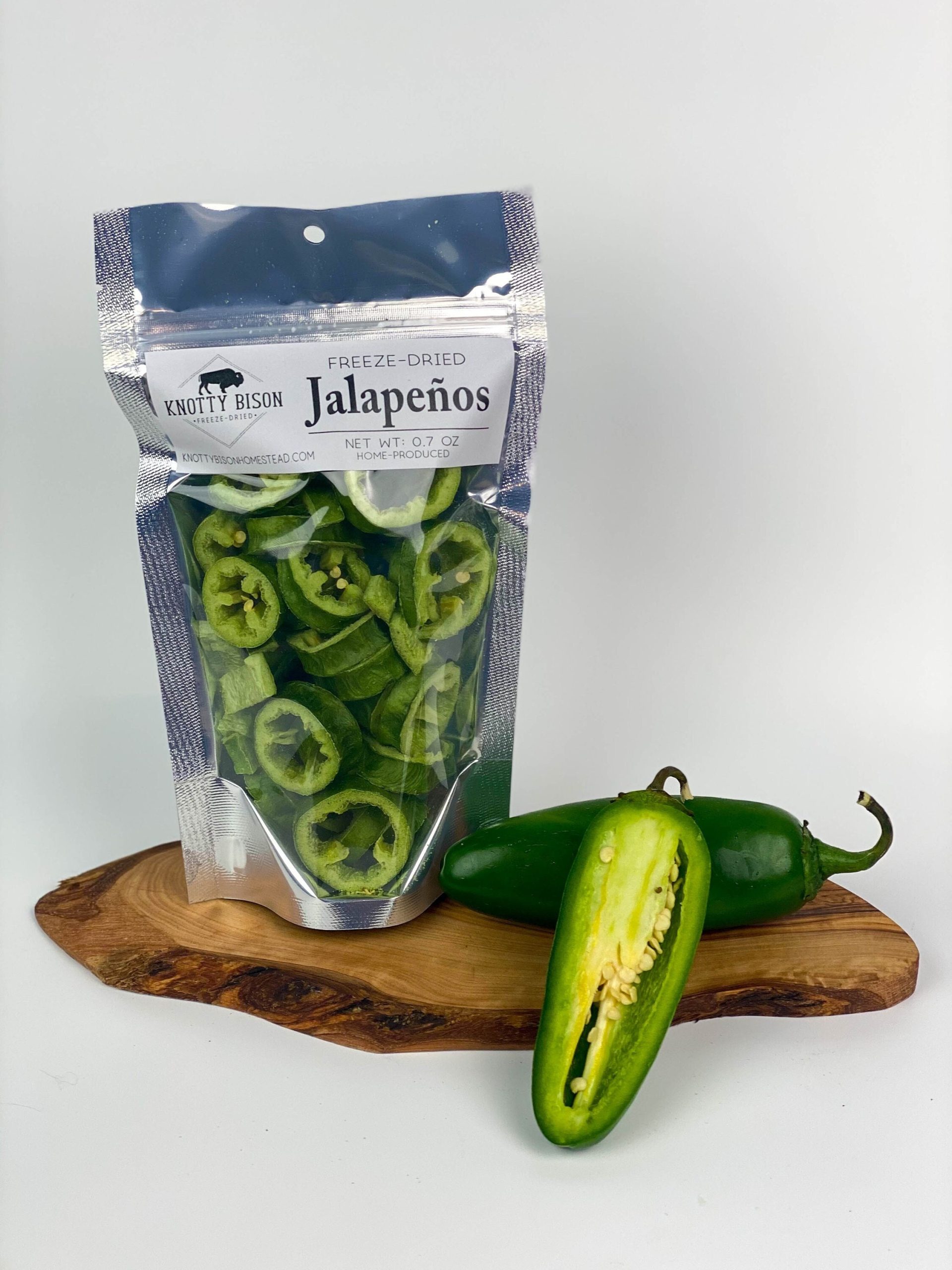
– Drying jalapeno peppers is a popular way to preserve them.
– Jalapenos have thick walls and moderate heat levels, making them a common choice for spicy peppers in North America.
– There are several methods for dehydrating jalapenos, including using a food dehydrator or an oven.
– A food dehydrator is recommended for better results in maintaining the green color of the peppers.
– Dehydrating jalapeno peppers in the oven can cause unwanted cooking and is not cost-effective.
– Air drying may not work well in humid climates as peppers may grow mold before drying completely.
– The ideal method for dehydrating jalapenos is to use a food dehydrator, specifically the Excalibur 2400.
– Steps for dehydrating jalapenos in a dehydrator include selecting peppers, washing and drying them, slicing them, arranging them on dehydrator trays, setting the temperature to 125°F, and dehydrating for 6-10 hours.
– Dehydrated jalapenos can be stored for up to a year when stored properly.
– It is important to check dried jalapenos for any signs of mold before consuming.
– Making jalapeno pepper powder requires dehydrating the peppers until they become brittle and then pulsing them in a grinder or blender.
– Rehydrating dried jalapenos involves submerging them in hot water for 10-15 minutes.
– Other methods of preserving jalapenos include pickling, freezing, and making hot sauce.

Continue Reading

Capers substitute: Exploring flavorful alternatives for culinary experiments

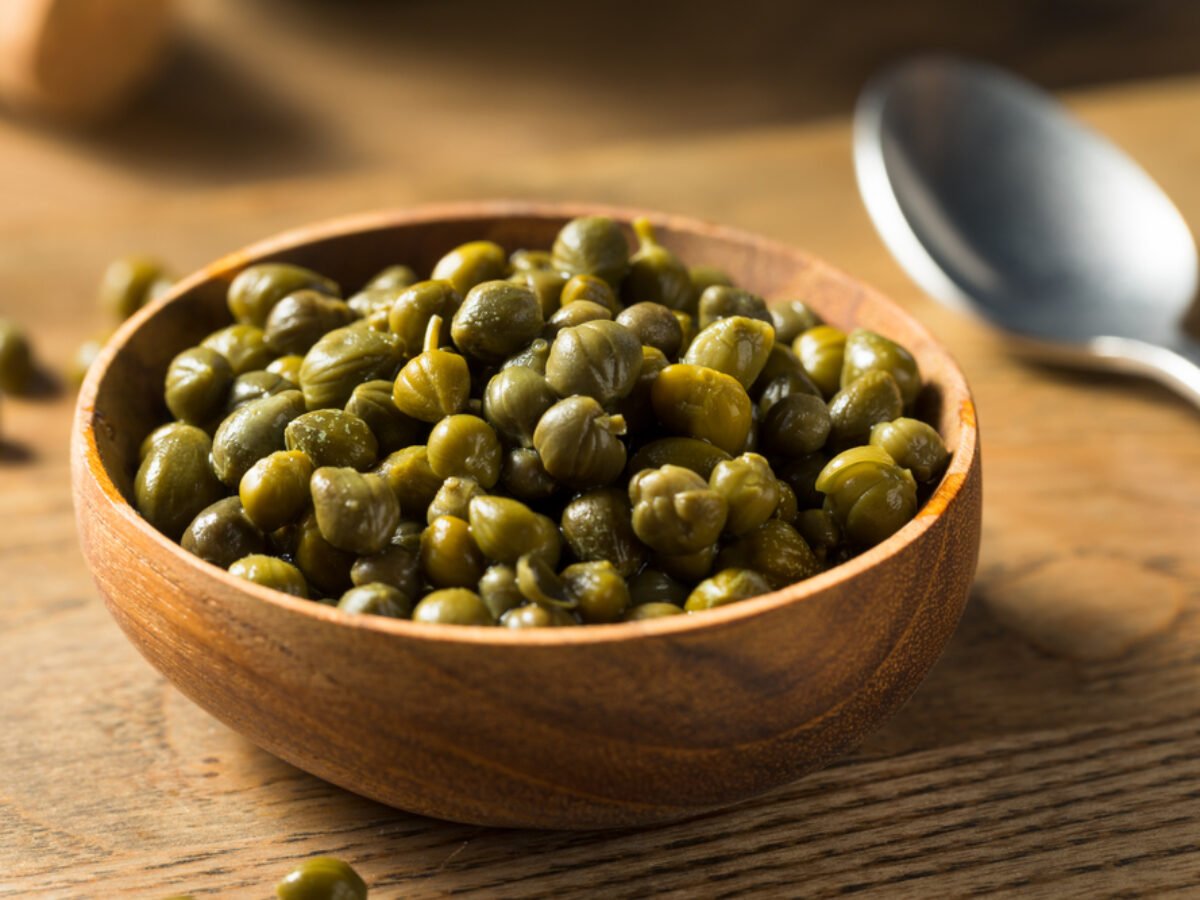
-Capers are the edible flowers from the Caper Bush, often preserved in salt or vinegar.
-Caper berries are the fruit from the caper bush, larger and with a stronger flavor.
-Alternative substitutes for capers include olives, gerkins or cornichons, roast almonds or pinenuts, feta cheese, fresh herbs, preserved lemons, and sea salt flakes.
-Capers can be stored in an airtight container in the pantry, but should be refrigerated once opened.
-Flavor pairings for capers include anchovy, fish, olive, tuna, cream, and dill.

Continue Reading

Discover the Health Benefits of Raw Crab Meat: Essential Nutrients and Culinary Delicacies

– Raw crab meat should not be eaten due to the presence of harmful microorganisms and parasites.
– Crab meat in sushi rolls is often imitation crab meat made with fish and does not contain real crab.
– Fresh crab meat should be consumed as soon as possible or within a few hours if not preserved.
– Extracting crab meat from the shell takes skill, but prepared crab meat is also available for purchase.
– Raw crab is unappetizing and has a watery, mushy texture.
– Raw crab can contain harmful microorganisms such as Lung fluke, Vibrio parahaemolyticus, and Vibrio cholerae.
– Cooking crab thoroughly is the only way to eliminate these risks and make it safe to eat.
– Imitation crab is already cooked and safe to eat without further preparation.
– Canned crab meat quality can vary, with good-quality options having visible chunks and a sweet, fishy flavor.
– Whole live crabs should be cooked as soon as possible after being caught.
– Cold crab is safe to eat once it has been cooked and prepared.
– Proper cooking methods destroy toxins in certain species of crabs, making them safe for consumption.
– Whole cooked crab should be refrigerated and consumed on the day of purchase.
– Freezing crabmeat is a way to preserve freshness, with cooked crab meat frozen on the day it is caught.
– Dressed crab involves removing inedible parts and placing the tasty parts back in the shell.
– Raw crab meat may contain sharp shell fragments.
– Some people may be allergic to shellfish, including crab, and consuming it raw could lead to severe reactions.
– Crabs can accumulate harmful biotoxins from the environment, which may not be destroyed by cooking.
– Raw and cooked crab meat have differences in appearance, texture, taste, safety, and nutritional content.
– Consuming raw or undercooked crab poses a risk of foodborne illnesses.
– Proper storage practices, such as refrigeration and using airtight containers, are important for raw crab meat.
– Cooking methods for crab include boiling, steaming, grilling, and baking.
– The dangers of consuming raw crab outweigh any culinary appeal.

Continue Reading

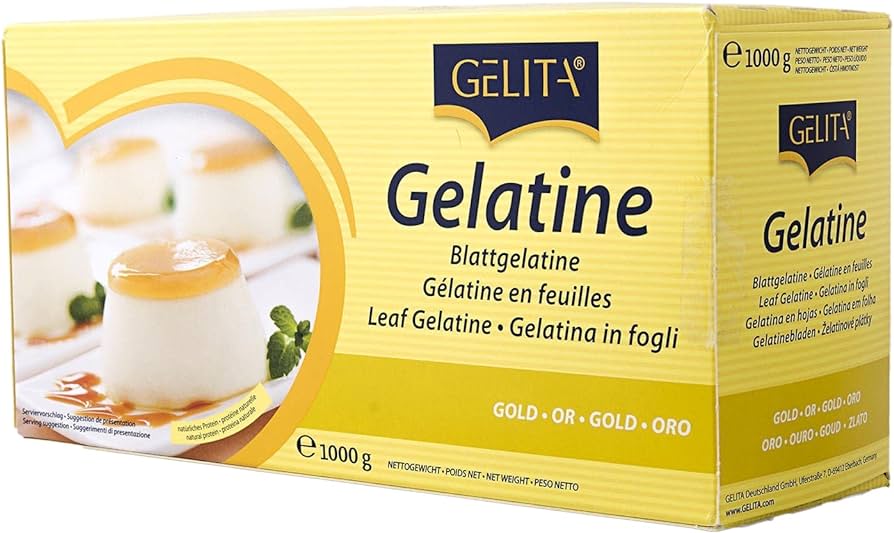
Gelatin Sheets: A Versatile Ingredient in Culinary Delights!

Keywords: gelatin sheets, gelatin, thickening agent, collagen, molded desserts, cold soups, marshmallows, confectioneries, stabilizer, thickener, texturizer, jams, yogurt, cream cheese, animal hide, bone, kosher, Halal, vegetarian diets, sheet gelatin, granulated gelatin, professional cooks, European recipes, clarity, ease of use, blooming gelatin, tropical fruit juices, Bloom Gelometer, measurement of gelatin rigidity, Bloom grade, Silver grade, Gold grade, soaking, dissolving, chilling, freezing, syneresis, Modernist Pantry

Summary:
Gelatin sheets are a form of gelatin commonly used as a thickening agent in various dishes. Gelatin is made from collagen found in animal bones, cartilage, and connective tissue. It is used in molded desserts, cold soups, marshmallows, and confectioneries. It acts as a stabilizer, thickener, and texturizer in foods like jams, yogurt, and cream cheese. Gelatin sheets are derived from animal hide and bone. They dissolve more slowly but produce clearer results compared to granulated gelatin. Professional cooks and European recipes often prefer sheet gelatin. Blooming gelatin refers to the process of softening it in liquid before melting. It is recommended to avoid using fresh tropical fruit juices as they contain enzymes that break down gelatin. Gelatin rigidity is measured using a Bloom Gelometer. Different grades of sheet gelatin are available, including Silver grade (160 Bloom) and Gold grade (190-220 Bloom). Using gelatin sheets involves soaking them in cold water, removing excess water, adding to room temperature liquid, and heating until dissolved. Gelatin desserts should be chilled for at least eight hours, and freezing gelatin may cause syneresis upon thawing. The gelatin sheets sold by Modernist Pantry are made in Germany from pork skin and are widely used by chefs and recipes globally.

Continue Reading

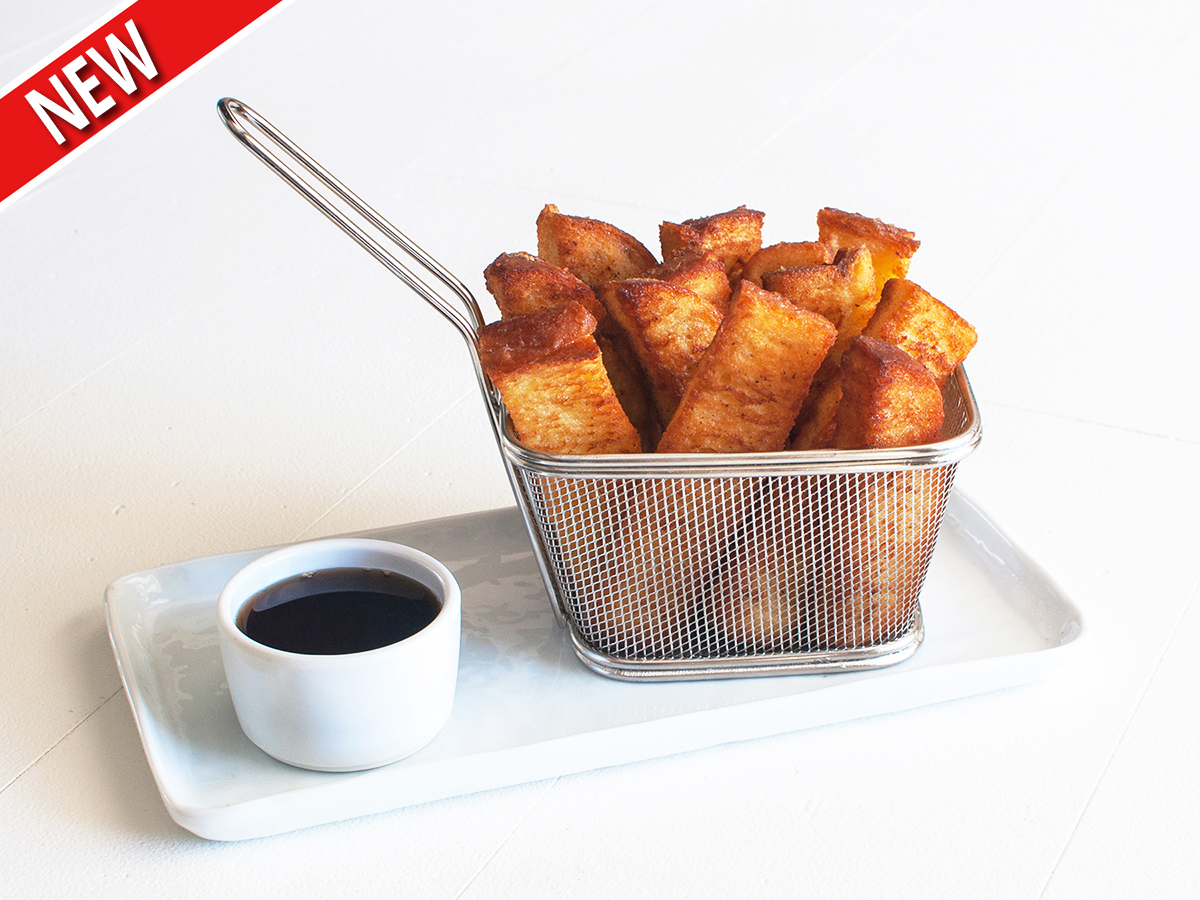
Discover the Delectable History of French Toast Sticks: Fast Food Fun Facts!

– Wendy’s, Burger King, Jack in the Box, and Sonic are all offering French toast sticks as part of their breakfast menus.
– Restaurants see breakfast as an important time to engage customers as society emerges from the COVID-19 pandemic.
– Overall restaurant traffic declined 2% in the second quarter of 2022, but breakfast and morning snack dining remained unchanged.
– Some chains are expanding their breakfast offerings despite cost-related challenges.
– Full-service breakfast is experiencing a recovery in demand, with chains like First Watch and Waffle House making a comeback.
– Breakfast traditionally lags behind lunch and dinner in popularity.
– Breakfast accounts for 20% of restaurant transactions and 13% of total fast-food sales.
– Breakfast sales declined significantly during the pandemic but are now recovering as people return to office work environments.
– Fast-food chains are innovating and expanding their breakfast menus to capture incremental sales.
– Total spending for quick-serve eateries (fast food and coffee shops) was up 32% compared to 2019 levels.
– The growth of breakfast is outpacing other dayparts as behaviors return to normal.
– Rising food costs and consumer cutbacks are key factors affecting the industry.

Continue Reading

Discover the Secret Behind McDonald’s Breakfast Sauce: Mouthwatering Recipes

List of Pertinent Information:

1. The article discusses a recipe for McDonald’s breakfast sauce that can be made at home.
2. The sauce is described as savory, sweet, and tangy.
3. The sauce can be used on various dishes like steak, eggs, cheese bagels, seafood, and chicken.
4. The ingredients for the sauce include mayonnaise, mustard, steak sauce, lemon juice, dried dill weed, salt, and pepper.
5. The recipe is simple and can be made in minutes.
6. Tips and variations for the recipe are provided, such as doubling the ingredients for more servings, substituting yellow mustard with Dijon mustard for more flavor, and adding hot sauce or cayenne pepper for a spicy taste.
7. The sauce can be stored in the refrigerator for up to 2 weeks.
8. The article provides a recipe for a homemade McDonald’s breakfast sauce.
9. The nutrition information for the sauce is provided.
10. The article mentions that the original McDonald’s Breakfast Sauce was discontinued in August 2018 and offers a copycat version that can be made at home.
11. The key ingredients for the copycat version include mayonnaise, yellow mustard, steak sauce, dried dillweed, and cheddar cheese powder.
12. The sauce can be customized to taste and is preservative and additive-free.
13. The recipe is quick and easy, taking only 10 minutes to make.
14. Optional ingredients for the recipe are suggested, such as turmeric, chili powder, and liquid smoke.
15. The article mentions that the sauce can be made vegan by using vegan mayo and dairy-free cheddar cheese powder.
16. Storage tips recommend keeping the sauce in an airtight container in the fridge for up to 10 days.
17. Optional ingredients can be added or omitted based on personal taste.
18. The nutritional information for the sauce is provided, including calories, carbohydrates, protein, and fat content.
19. The article mentions @mysweetprecision on Instagram and encourages readers to use the hashtag #mysweetprecision if they try the recipe.

Continue Reading

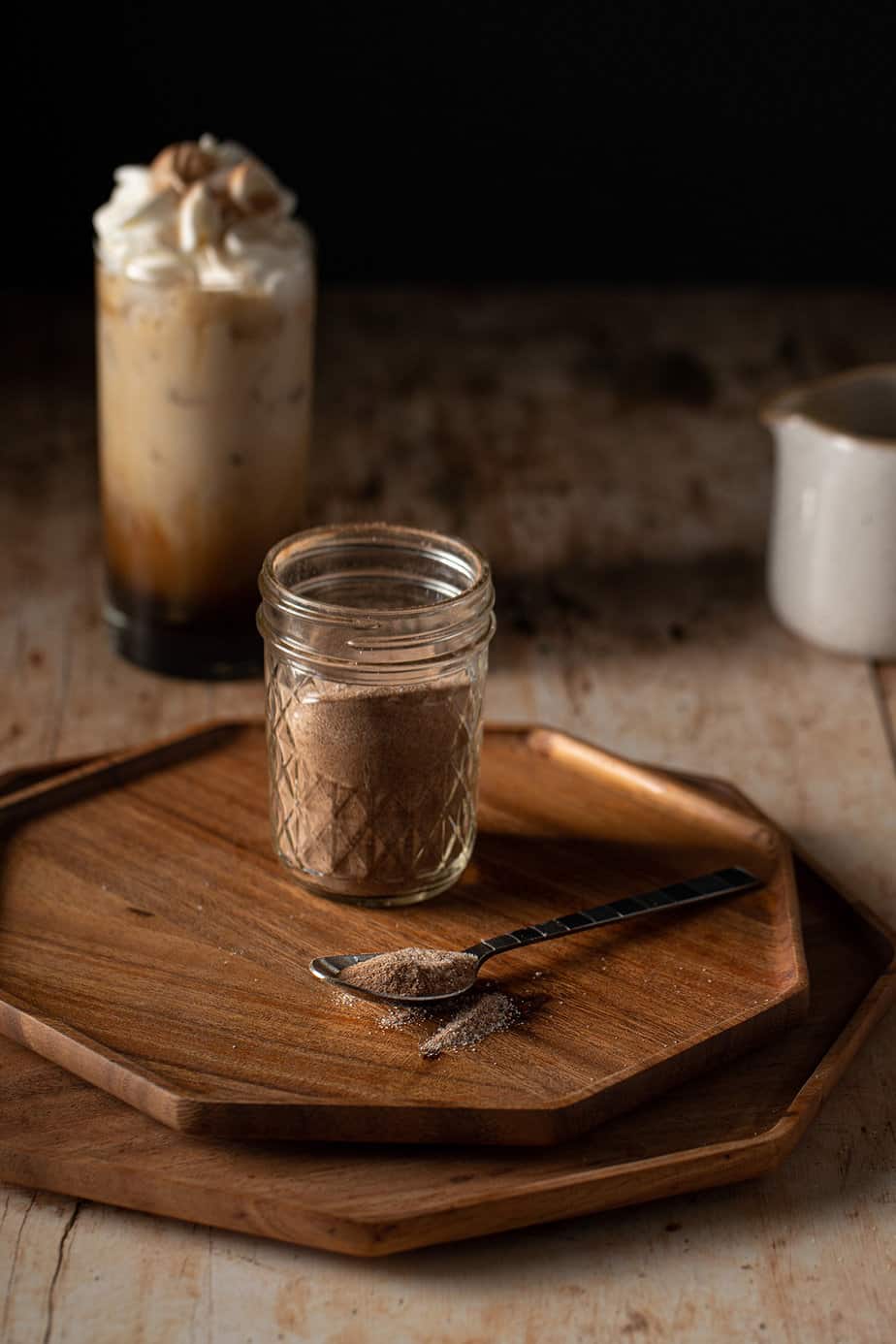
Cinnamon Dolce Sprinkles: A Delightful Addition to Desserts

– This article discusses a recipe for making Cinnamon Dolce Sprinkles, which are a Starbucks copycat recipe and can be used as a topping for coffee drinks.
– The recipe requires four ingredients: sugar, ground cinnamon, milk powder, and salt.
– The ingredients should be combined in a small bowl and stored in an airtight container.
– There are also other Starbucks copycat recipes available.
– The recipe includes measurements and instructions for making the sprinkles, which are described as a copycat recipe from Starbucks.
– The ingredients include granulated sugar, ground cinnamon, milk powder, and a pinch of kosher salt.
– The recipe suggests using the sprinkles as a topping for coffees and lattes.
– The nutritional information is provided, assuming a 1 teaspoon serving size, with 45 calories, 11 grams of carbohydrates, 0.4 grams of protein, and 0.4 grams of fat.
– The note mentions that milk powder can be optional but adds depth of flavor.
– Cinnamon dolce sprinkles are a sweet cinnamon topping available at Starbucks.
– It is used to top specialty coffee beverages such as Cinnamon Dolce Latte and Iced Cinnamon Dolce Latte.
– The ingredients in Starbucks’ cinnamon dolce topping include sugar, cinnamon, salt, extractives of butter (milk), and other natural flavor.
– Homemade cinnamon dolce sprinkles can be made with granulated white sugar, nonfat powdered milk, ground cinnamon, and a pinch of salt.
– The homemade sprinkles recipe takes less than 5 minutes to make.
– The sprinkles can be stored in an airtight jar at room temperature for up to 2 weeks.
– Other ways to use the sprinkles include sweetening oatmeal, topping pancakes or French toast, and sweetening yogurt.
– The article mentions other Starbucks copycat recipes for cranberry bliss bars, a pineapple passionfruit refresher with coconut milk, and a caramel frappuccino.

Continue Reading

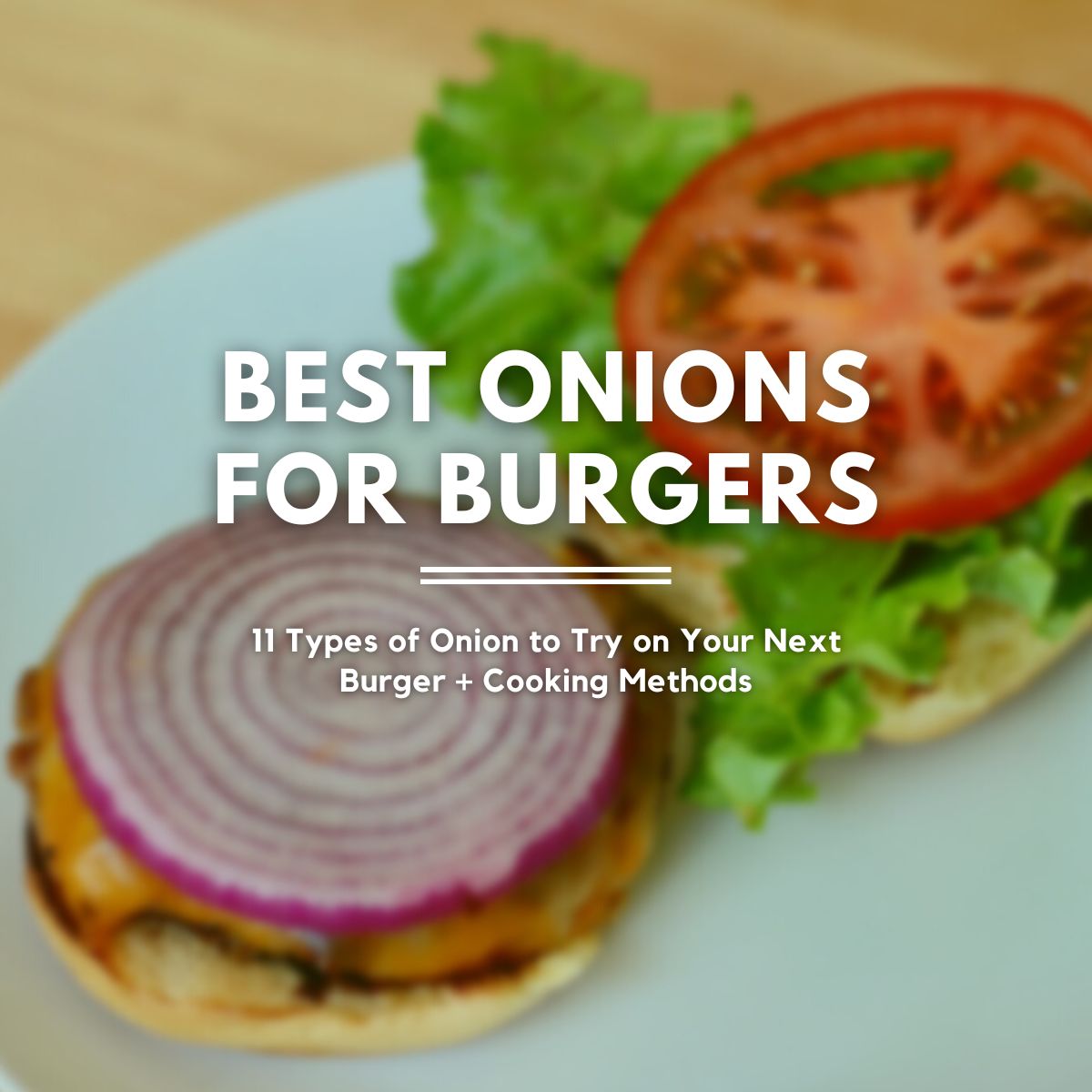
Discover the best onions for burgers: a flavorful guide

– The article discusses different types of onions that are commonly used on burgers such as yellow onions, white onions, red onions, and sweet or Vidalia onions.
– Other onion varieties mentioned include soft shallots, crunchy leeks, French’s crispy fried onions, grilled onions, caramelized green onions, and crispy spring onions.
– Yellow onions are described as intense, strong, dry, complex, firm, crisp, juicy, translucent, astringent, rich, versatile, and common. They are not recommended for raw consumption but can be grilled, sautéed, or caramelized.
– White onions are described as light, mild, sweet, soft, translucent, fresh, sour, palatable, and versatile. They can be used raw, grilled, sautéed, or caramelized.
– Red onions are known for their bite, slight sweetness, and bitterness. They provide contrast and depth of flavor and can be used raw, pickled, grilled, sautéed, or added to the beef mixture.
– Sweet or Vidalia onions have a low sulfur content, resulting in a less pungent flavor. They are naturally sweet and can be grilled, sautéed, caramelized, or used raw on burgers.
– Shallots are mild and similar to red onions but with less of a bite. They can be used fried, pickled, or raw.
– Leeks have a mild onion flavor with a little more crunch. They can be grilled or sautéed for use on a burger.
– French’s crispy fried onions are a popular choice for burgers, providing a salty and crunchy contrast. They are not gluten-free.
– Grilled or sautéed onions bring out the natural sweetness and mellow out the flavor. They can be cooked for a short time for more crunch or longer for caramelization.
– Green onions are mild and can be served raw.
– Spring onions have a pungent flavor and can be used raw or mixed into the patty.
– Onion-based condiments like onion jam, onion chutney, salsa, and relish can add flavor to burgers.
– Onions can be sliced into rings or diced for burgers.
– Grilled onions should be cooked for 3-5 minutes.
– Caramelized onions are best made slowly in a skillet on the cooktop.

Continue Reading