A Perfect Substitute for Cilantro: Tasty and Versatile
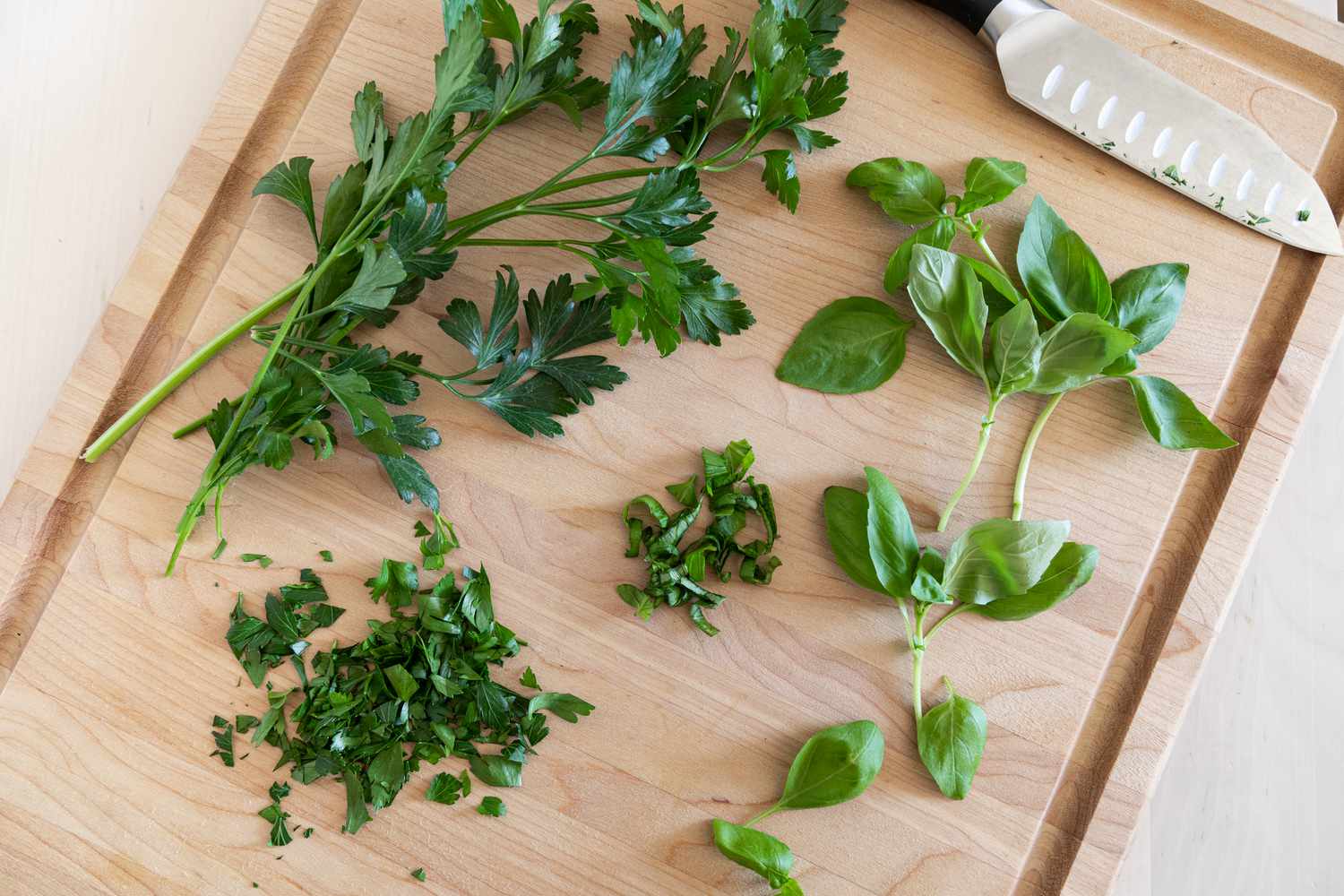
Substitutes for cilantro: parsley, Thai basil, dill, lemon, lime, cumin, oregano, Mexican oregano.
Continue ReadingSubstitutes for cilantro: parsley, Thai basil, dill, lemon, lime, cumin, oregano, Mexican oregano.
Continue Reading– Nutmeg is a top substitute for cinnamon that has a warming, nutty flavor.
– Allspice is another cinnamon substitute that tastes like a combination of cinnamon, cloves, nutmeg, and black pepper.
– Ginger is a commonly used spice that originated in Asia and is used in both sweet and savory dishes.
– Pumpkin pie seasoning is a blend of spices that often includes cinnamon, nutmeg, ginger, and cloves. It can be used as a 1:1 replacement for cinnamon in recipes like sweets and baked goods.
– Cardamom is a fragrant spice with antioxidant and anti-inflammatory properties. It can be used as a 1:1 substitute for cinnamon in most recipes.
– Cloves have antimicrobial and antioxidant activities and have been used as a natural remedy in traditional medicine for over 2,000 years. They can be used as a cinnamon substitute, but are best used with other spices.
– Allergies to cinnamon are rare. This article discusses alternatives to cinnamon for individuals with cinnamon allergies.
– It advises individuals experiencing allergic reactions to seek alternatives to cinnamon.
– Some alternative options mentioned include nutmeg, allspice, cardamom, ginger, and cinnamon-substitute blends.
– The article advises individuals to experiment with varying proportions of the substitutes to find the ideal balance for their tastes and preferences.
– The article discusses various cinnamon substitutes that can be used in cooking. It mentions that allspice, nutmeg, cardamom, cloves, ginger, mace, vanilla extract, curry powder, black pepper, star anise, and anise can all be used as alternatives to cinnamon in different dishes.
– Cinnamon substitutes can be used in recipes and offer a variety of benefits. They have antioxidant properties that can protect the body from damage caused by free radicals and may reduce the risk of chronic illnesses. Some substitutes, like allspice and nutmeg, also have anti-inflammatory effects and can support the immune system.
– When using substitutes, it’s important to consider the varying levels of these properties and choose the one that best meets individual needs and preferences.
– In carrot cake, a mix of nutmeg and allspice can replace cinnamon, while cardamom is a good alternative for cinnamon rolls.
– Ground allspice is the best substitute for cinnamon in oatmeal cookies.
– A combination of nutmeg and allspice can be used as a substitute for cinnamon in banana bread.
– Cassia bark, also known as Chinese cinnamon, is similar to cinnamon in flavor and appearance. When substituting cassia bark for cinnamon, use a smaller amount.
Best Potatoes for Stew:
1. Waxy potatoes: Fingerling, Red, and New potatoes are ideal for recipes that require intact potatoes and hold their shape well in stews.
2. Starchy potatoes: Russet potatoes, also known as Idaho potatoes, are suitable for thickening soups and stews.
3. All-purpose potatoes: Yukon Golds, Purple Potatoes, and Yellow Finn are versatile for various cooking methods in stews.
Specific Types of Potatoes commonly used in soup and stew recipes:
1. Russet potatoes: They hold their shape well and have a fluffy texture that helps thicken the stew. They have a neutral flavor.
2. Yukon Gold potatoes: They have a buttery and creamy texture that adds richness to stews. They hold their shape but can also break down slightly to thicken the stew.
3. Red potatoes: They hold their shape and have a slightly sweet flavor that complements other stew ingredients.
4. Sweet potatoes: They have a sweet and earthy flavor and can be roasted, boiled, mashed, or fried.
– Allspice
– Nutmeg
– Ground Cardamom
– Cinnamon
– Pumpkin pie spice
– Apple pie spice
– Mace
– White peppercorns
– Black peppercorns
– Star anise
– Fennel
– Five Spice Blend
– Cumin
– Spice combinations (e.g., nutmeg + allspice, cinnamon + nutmeg, nutmeg + cardamom)
– Ground cloves (as a last resort substitute for ground ginger)
– Butter flavor is commonly found in ice creams, microwave popcorn, and other grocery store foods.
– The flavor is created by isolating compounds like diacetyl, acetyl propionyl, or acetoin.
– These compounds can be sourced from butter, soybeans, or other oils.
– Mixing these compounds with water and other ingredients creates a rich buttery flavor.
– In the 2000s, the government identified dangers of improper handling of large quantities of butter flavor by workers.
– These issues have been addressed and corrected.
– The federal government has stated that consumers can enjoy butter flavor without much worry.
– Many grocery store foods use butter flavorings instead of real butter.
– Butter extract is a flavoring used in cooking that mimics the taste of butter.
– Butter extract can be found in most grocery stores and is commonly used in baking.
– It does not contain lactose and can be used before or after cooking.
– Butter extract can be substituted with other flavorings such as vanilla.
– A homemade version of butter extract can be made by boiling butter and water and straining the liquid.
– Butter is the closest substitution for butter extract and is commonly used in various recipes.
– European style or cultured butter can have a high fat content.
– Vanilla extract is made from vanilla beans and alcohol, with the flavor becoming richer with more alcohol.
– The best vanilla extract is made solely from beans without any additives.
– Olive oil is made from pressing fresh olives and is considered to be a healthier fat.
– Olive oil can be used as a substitute for butter extract in multiple food preparations.
– Different grades of olive oil have varying intensities of flavor.
– Choosing a higher grade olive oil can provide a stronger flavor.
– Canola oil is a favorite cooking oil worldwide and can be used for high-heat cooking such as frying, baking, and sautéing.
– Almond extract is produced from bitter almonds mixed with ethyl alcohol and is commonly used in baked goods or desserts.
– Almond extract pairs well with fruits but should be used sparingly due to its intense flavor.
– Butter is often blamed for contributing to heart disease due to its high saturated fat content.
– Studies suggest that butter can promote better health when used in moderation.
– Grass-fed butter is considered to have a higher nutrient content compared to butter from cows fed processed diets.
– There are many substitutes for butter extract that can achieve the same purpose and enhance the taste of meals.
– pancake pan
– LMS3
– cast iron skillet
– pre-seasoned
– durable
– versatile
– oven
– grill
– Lodge
– not dishwasher safe
– not for smooth-top electric stove
– Chefmade Mini Crepe Pan
– 6-inch
– non-stick
– insulating silicone handle
– gas cooker
– induction cooker
– electric cooker
– champagne gold color
– $23.99 price
– Brandy originated in the early 14th century as a preservation method for wine.
– It gained international appeal with expanding trade routes.
– Dutch traders named it “brandewijn,” meaning “burned wine.”
– Brandy is a popular after-dinner drink.
– Distillation was used to extend the shelf life of excess wine in European countries like France and Italy.
– Brandy gained popularity as an after-dinner drink.
– It is now a versatile and cherished component in several dishes.
– Yellow onions
– Chives
– Garlic
– Scallions
– Red onions
– Leeks
– Pearl onions
– Garlic scapes
– Dried onions
– Garlic powder
– Green onion
– Cucumber
– Green apple
– Fennel
– Carrot
– Leek
Salt is not considered a spice or herb because it is not obtained from plants. It is a seasoning and condiment. Spices are dried parts of plants other than leaves, while seasoning is a general term for substances added to enhance flavor. Salt is a widely used seasoning and condiment. Salt, unlike spices, is an organic mineral. It is obtained through evaporation processes of saltwater or mined from salt rocks and undergoes several extra processes before being used for food. Salt has functions in food beyond flavoring and seasoning, including enhancing texture, preserving food by absorbing moisture and preventing microbial growth, intensifying sweetness and neutralizing bitterness, and providing essential nutrients like sodium and, in some cases, iodine. According to the article, salt is not considered a spice but rather a mineral. It has various functions in food that differentiate it from spices. Salt is not a spice, but an organic mineral. It is obtained from saltwater through evaporation or mined from salt rocks. Table salt undergoes additional processes and additives such as anti-caking agents and iodine before being used in food. Some table salts are also iodized to prevent iodine deficiencies.
Continue Reading