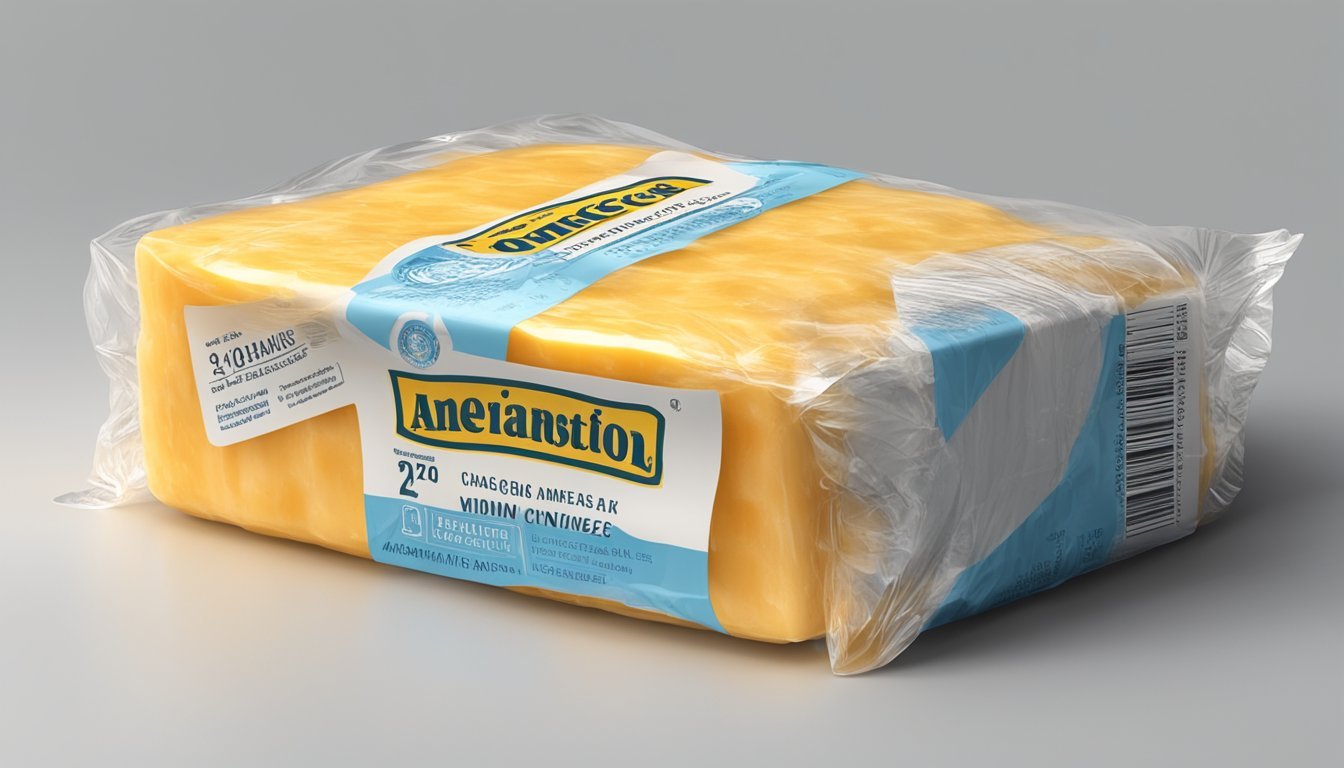
How Long is Deli Cheese Good for? Essential Shelf Life Tips

– Sliced deli cheese can last 2 to 3 weeks if stored properly and immediately after purchase.
– Once opened, use cheese slices within 5 days to 1 week for best quality.
– Factors that can affect shelf life include storage temperature, packaging type, and firmness.
– Harder types of cheese last longer than softer ones.
– Sliced deli cheese should not be at room temperature for more than four hours to prevent bacterial growth.
– Refrigerated sliced deli cheese should be stored between 35 and 45 degrees Fahrenheit.
– Freezing sliced deli cheese can extend its storage life to around 6-8 months or longer.
– Freezing may affect the flavor and overall quality of the cheese.
– Discoloration, mold growth, and a strong, off-putting smell are signs that the deli cheese has gone bad.
– Proper storage methods, such as keeping the cheese in the refrigerator or freezer, can help prevent molding.
– Block cheese generally has a longer shelf life compared to sliced deli cheese.

Continue Reading

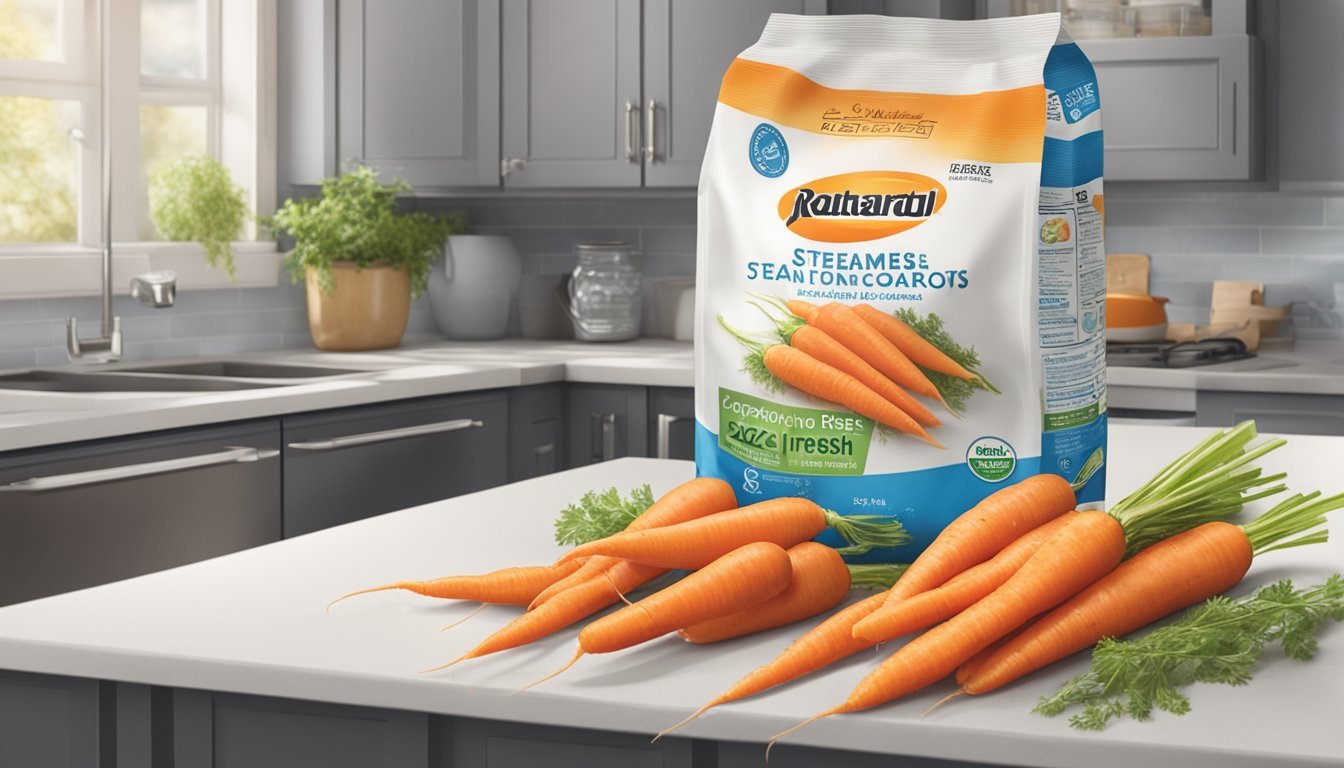
How long are carrots good for? A detailed, nutritious guide

– Carrots should be stored in an airtight container in the fridge
– Whole, unpeeled carrots are less susceptible to moisture loss than peeled or baby carrots
– Don’t wash whole, unpeeled carrots until you plan to use them
– Remove carrot greens as they can cause wilting
– Wrap carrots in a paper towel before storing in an airtight container
– Keep carrots in the coolest part of the fridge away from fruits that produce ethylene gas
– Peeled carrots need moisture to prevent drying out
– Store peeled carrots in cool water that needs to be periodically changed every 4-5 days
– Cut carrots can be stored by wrapping them in a damp paper towel and placing them in an airtight container in a colder section of the fridge
– Raw, unpeeled carrots last 3-4 weeks in the fridge, while peeled or sliced carrots last 2-3 weeks
– Cooked carrots last 3-5 days in the fridge
– Spoiled or bad carrots have an odor, slimy texture, dark discoloration, wilting, or softness. This article provides information about how to store and freeze carrots. It mentions that if mold is growing on carrots, they should be thrown out. However, carrots with a white blush can be eaten after rinsing them to add moisture. The article also explains how to blanch carrots before freezing them, and provides step-by-step instructions for blanching and freezing. It suggests storing frozen carrots in a zip-top bag in the freezer for up to a year. The article also mentions that frozen carrots can be cooked directly from frozen, but if thawing is desired, the methods of thawing in the fridge or in cold water are provided. Finally, it advises not leaving cooked carrots at temperatures above 40 degrees F for more than two hours to avoid bacterial growth.

Continue Reading

How Long is Chicken Good for After the Sell By Date: A Guide to Safe Consumption of Poultry

– The sell-by date on chicken is intended for retailers and is an indication of the date by which chicken should be sold for peak freshness.
– The sell-by date is not a safety date or expiration date.
– Chicken is generally good for up to 2 days past the sell-by date.
– Fresh chicken should be cooked or frozen within 1 to 2 days of purchase.
– How the raw chicken is stored will affect how long it lasts.
– The use-by date is added by some poultry producers and is typically three to five days after the chicken was packaged.
– Chicken past the sell-by date can still be safe to eat, but always check for signs of spoilage before consuming.
– According to USDA, chicken is still safe to cook and eat up to 2 days beyond the sell-by date.
– Best-before date is a voluntary date set by the producer to indicate when the quality of food products may begin to decline.
– Raw chicken typically lasts in the fridge for up to 2 days past the sell-by date.
– Cooked chicken will last 3 to 4 days in the fridge or up to 4 to 6 months in the freezer.
– Chicken that is 5 days past the sell-by date should be tossed to avoid food poisoning.
– Raw chicken should be cooked or frozen within 1 to 2 days of purchase, so cooking chicken two weeks after the sell-by date is not recommended.
– Raw chicken can be stored in the refrigerator for 1-2 days after the sell-by date.
– Chicken should be cooked or frozen within 1 to 2 days of purchase according to USDA.
– If chicken shows signs of spoilage, it is best to throw it away.
– Chicken should be used within 1-2 days after being placed in the fridge, regardless of the sell-by date.
– It’s best to cook chicken within 1-2 days after purchase for optimal freshness.
– The sell-by date on raw chicken is a guide for retailers, not consumers.
– Chicken is typically safe to consume for 1-2 days after the sell-by date if stored correctly in the refrigerator.
– It’s generally recommended to cook or freeze chicken as soon as possible after the sell-by date to ensure safety and quality.
– The sell-by date is just a guideline for retailers, so it is important to check the chicken’s color, smell, and texture.
– To keep chicken fresh, it should be stored properly.
– If it will be used within one to two days, it should be kept in the refrigerator at a temperature below 40°F.
– If it will not be used within that time, it should be frozen in airtight packaging to preserve its quality and prevent freezer burn.

Continue Reading

How Long Are Mashed Potatoes Good For and Best Storage Tips

List of Pertinent Information on ‘How Long Are Mashed Potatoes Good For’:

– Cooked mashed potatoes can be stored in the refrigerator for 3-4 days.
– Cooked mashed potatoes can be stored in the freezer for 10-12 months.
– Fresh potatoes will last 2-3 months at near 50°F.
– Fresh potatoes will last 1-2 weeks at room temperature.
– Raw potatoes stored in water will last 24 hours.
– Boiled potatoes stored in the refrigerator will last 3-4 days.
– If there is a foul smell or appearance, mashed potatoes should be discarded.
– Reheat mashed potatoes to 165°F to kill any bacteria that may have formed.
– Ways to freeze mashed potatoes include adding cream and butter, dividing them into one-cup portions, and freezing them on a baking sheet.
– Mashed potatoes can be reheated on the stovetop or in the oven.
– Adding extra liquid, such as cream or buttermilk, can help prevent them from drying out while reheating.
– If reheating in the oven, spread butter on top and bake at 350 degrees Fahrenheit for 20 to 25 minutes, until the potatoes reach 165 degrees Fahrenheit.
– It is recommended to make dishes with mashed potatoes before they go bad or spoil.
– Nutritional information for mashed potatoes cooked with skin without salt: 87 calories, 1.9 grams of protein, 20.1 grams of carbs, 77% water, 1.8 grams of fiber, and 0.1 grams of fat.
– Recommended potatoes for mashing are Russet Potatoes and Yukon Gold Potatoes.
– Russet Potatoes are reddish-brown with dark brown skin, white, dry, and starchy flesh.
– Yukon Gold Potatoes are creamy when crushed, never plump, and have a slightly buttery flavor.
– Recipe ingredients: 1kg potatoes, 1/2 cup hot milk, 1 teaspoon salt, 1/3 cup unsalted butter, 6-8 cloves of garlic, 1/4 cup sour cream, 1/4 cup shredded parmesan cheese (optional), salt and pepper for taste, 1 tablespoon chopped parsley (optional).
– Recipe instructions: peel and cut potatoes, boil for 15-20 minutes, fry garlic in butter, drain cooked potatoes, add butter, milk, garlic, and sour cream, mash potatoes, add parmesan cheese, salt, and pepper.
– Storing mashed potatoes in an airtight container prevents deterioration due to oxygen exposure and moisture loss.
– Leftover mashed potatoes can be used to make a variety of dishes.
– It is important to reheat mashed potatoes to a temperature of 71 degrees Celsius before consuming if they have been left out for 8-10 hours.
– Peeled potatoes can sit in water for 12-24 hours but should not be kept for more than 24 hours.
– Mashed potatoes can last longer when stored in the freezer.
– Mashed potatoes should not be stored with onions and apples because they produce gases that can affect their quality.

Continue Reading

Does Soy Sauce Go Bad? Tips for Safe Storage

– Soy sauce is a fermented food that can be left at room temperature without spoiling.
– Unopened soy sauce can last up to two or three years.
– An opened bottle of soy sauce can be left out of the refrigerator for up to one year.
– Storing soy sauce away from heat and direct sunlight in a cool, dark cabinet is recommended.
– Other condiments like hot sauce, honey, peanut butter, and olive oil can also be stored at room temperature.

Continue Reading

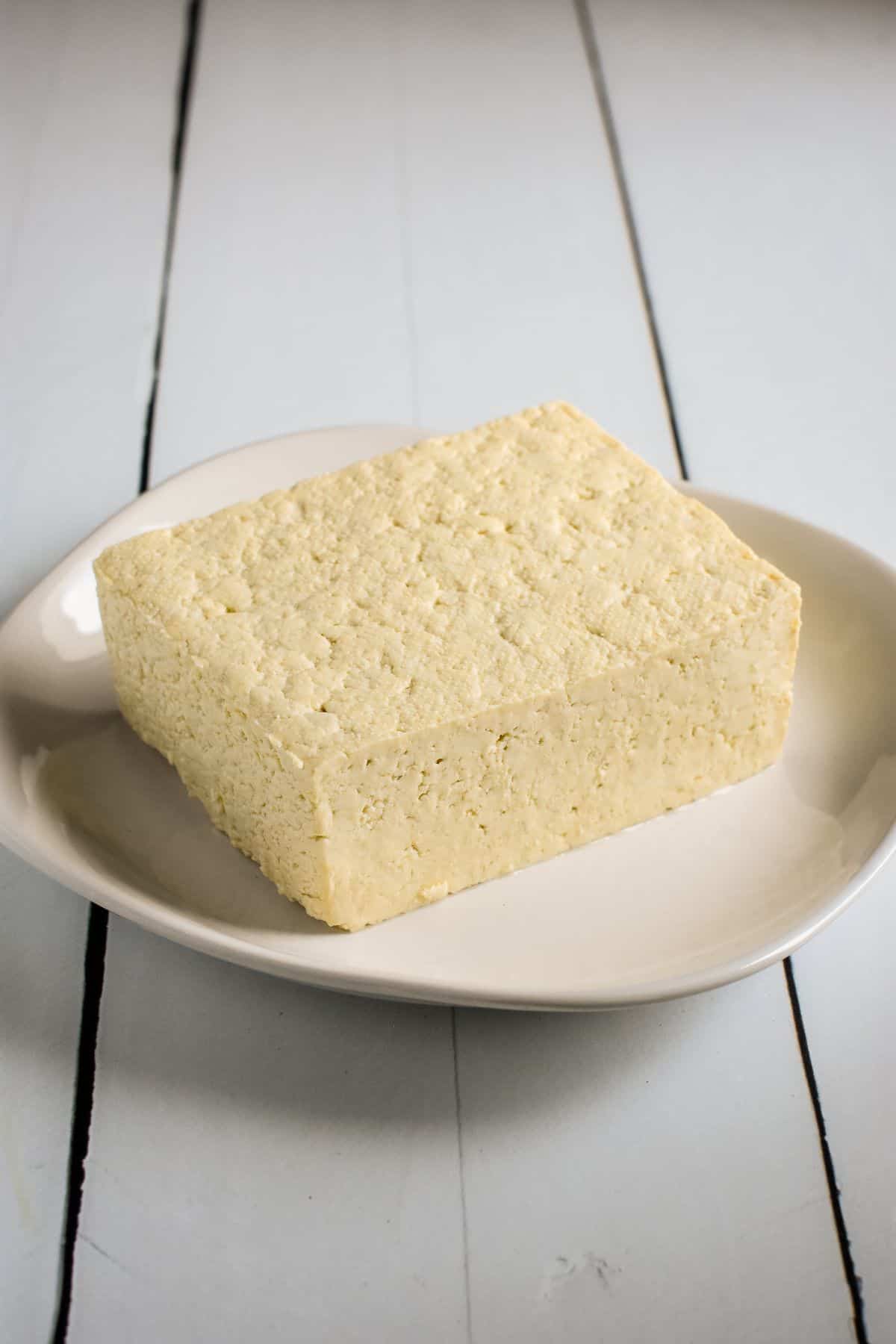
Does tofu go bad? How to tell, store and extend its shelf life

The article explains that the “use by” or “best by” date on packages of tofu indicates the best quality of the food, not its safety. Tofu should always be refrigerated when packaged and ideally used by the date on the package. However, it can still be cooked and eaten after this date. Tofu can also be frozen by draining excess water and wrapping it well before placing it in the freezer.

Continue Reading

How to Tell if Sour Cream is Bad: Expert Tips for Spotting Spoiled Sour Cream

Signs that sour cream has gone bad include mold growth, discoloration, off smell, sharp or bitter taste, curdling, and dryness. Mold growth appears as fuzzy grey or green spots, and a moldy film may also be present. Discoloration indicates bacterial or fungal growth. An off smell beyond the usual tangy aroma suggests spoilage. A sharp, bitter, rancid, or yeasty taste is a sign of spoilage. Curdling is normal if there is a light layer of white, milky liquid on top, but lumps or curdles indicate spoilage. Dryness and no presence of whey (milky, watery liquid) are also signs of spoilage.

Tips for storing sour cream properly:

1. Store sour cream in the fridge below 40°F (4°C) to slow down the growth of molds and bacteria.
2. Store sour cream further back in the fridge for more constant temperature, not in the fridge door.
3. Keep sour cream tightly covered in the original packaging or in a clean airtight container to prevent spoilage.
4. Use clean and dry utensils to scoop out sour cream to avoid cross-contamination.

Important facts:

1. Sour cream that is moist and watery is normal, while dense sour cream is a sign that it has dried out.
2. Sour cream is a perfect environment for molds and bacteria.
3. Always store sour cream in the fridge below 40°F (4°C) to slow down the growth of molds and bacteria.
4. Store sour cream further back in the fridge for more constant temperature, not in the fridge door.
5. Keep sour cream tightly covered in the original packaging or in a clean airtight container to prevent spoilage.
6. Use clean and dry utensils to scoop out sour cream to avoid cross-contamination.
7. If sour cream shows signs of spoilage, you may get sick from consuming it.
8. Do not eat sour cream that has been left out overnight as bacterial growth accelerates at room temperature.
9. Sour cream can spoil at room temperature within 2-4 hours.
10. If sour cream is left out for this long, discard it immediately.

Importance of not using expired sour cream:

1. It is best not to take the risk of using expired sour cream, as it can cause severe cases of foodborne illness.
2. If a tub of sour cream is unopened and within three weeks past the sell-by-date or use-by-date, it can still be used if it has been stored correctly in the fridge.
3. However, before using expired sour cream, it is important to inspect it for signs of spoilage for safety reasons.
4. If the sour cream expired a month ago, it is recommended to throw it out.

Potential risks of consuming spoiled sour cream:

1. Eating spoiled sour cream can lead to food poisoning with symptoms like stomach cramps, nausea, diarrhea, and fever.

Continue Reading

Does Microwave Popcorn Go Bad? Learn the Shelf Life!

– Microwave popcorn can go bad
– Fats and oils in microwave popcorn can become rancid
– Popcorn lasts indefinitely
– Microwave popcorn lasts for six to eight months
– Microwave popcorn used to contain actual butter and had to be refrigerated
– Microwave popcorn now has butter flavorings like diacetyl
– Microwave popcorn has an expiration date or “best by date”
– Microwave popcorn doesn’t need to be refrigerated
– Microwave popcorn can dry out over time

Continue Reading

How Long Do Olives Last in the Fridge: Essential Storage Tips

– Opened olives should be refrigerated and tightly covered to maximize shelf life.
– Opened olives stored in the refrigerator can last for 12 to 18 months at best quality.
– The expiration date on the jar or can is not a safety date, but an estimate of peak quality.
– If opened olives have been stored properly and show no signs of spoilage (off odor, flavor, appearance, mold), they can still be consumed even after the expiration date.
– Olives in cans or bottles that are leaking, rusting, bulging, or severely dented should be discarded.
– Liquid-packed olives have a longer shelf-life of 12 to 18 months once opened and stored in the fridge.
– Unopened jarred olives can stay fresh for up to two years.
– “Best by” dates are more of a suggestion and the olives can still last beyond that.
– Mold or any change in appearance or smell indicates that the olives are bad.
– Unopened olives should be stored in a cool, dark place and once opened, they should be stored in the fridge.
– Dry-packed olives should also be transferred to airtight containers to retain their freshness.
– Making a brine by mixing ½ teaspoon of salt with 1 cup of water and submerging the olives in it can prolong their shelf life, but they should be consumed within a couple of weeks.
– Olives can be frozen for up to six months in an airtight container without the brine if there is concern about not being able to use all the olives in time.

Continue Reading

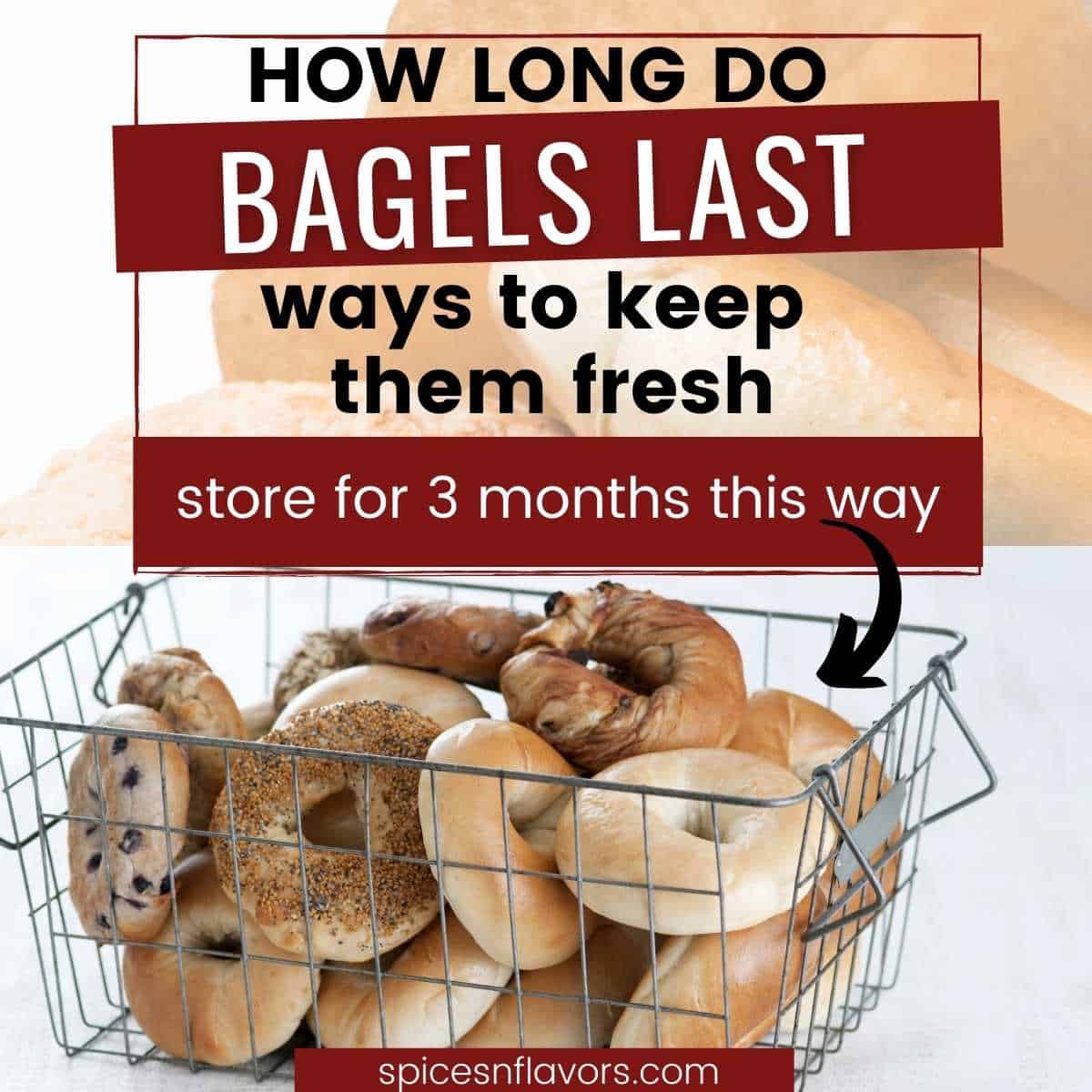
How long do bagels last and the best storage tips for freshness!

How long do bagels last and how to store them:

– Bagels can go stale in a day if left out, but can stay fresh for about five days if stored in a sealed plastic bag.
– Freezing bagels can extend their lifespan for several months without much loss in flavor and texture.
– Placing bagels in a paper bag at room temperature can keep them fresh overnight, but they won’t last much longer than a day.
– For longer storage, place bagels in a plastic bag and expel as much air as possible. Store them at room temperature if eaten within a few days, otherwise freeze them.
– Defrost bagels by slicing them before freezing and toasting them in a toaster oven. Bagels should not be refrozen once defrosted.
– Bagels can last for 2-3 days at room temperature in an airtight container.
– Store-bought bagels can last for 3-5 days at room temperature, 5-7 days in the fridge, and 3 months in the freezer.
– Freshly made bagels at home last for 2 days at room temperature, 4-5 days in the fridge, and 3 months in the freezer.
– Bagels that are frozen from the store can last for 3 months or longer without a decline in quality.
– Storing bagels in the fridge may cause them to dry out more quickly. Bagels can be stored in the fridge in an airtight container for 5-7 days.
– Storing bagels in the fridge extends their shelf-life but may affect texture and flavor.
– Keeping bagels in the original paper bag or in an airtight container at room temperature is the best way to keep them fresh overnight.
– Bagels and bread should be stored in a cold, dry place with no direct sunlight or heat.
– Bagels can be frozen for up to 3 months by slicing them in half, wrapping each half in cling film or aluminum foil, and placing them in a labeled ziplock bag.
– The “expiry date” of bagels is debatable. Bagels do not technically expire due to their low moisture content and lack of fat.
– Bagels are best when eaten within a few days of baking.
– Bagels will begin to harden after a few days and the quality decreases quickly.
– Most bagels grow stale after 3 to 4 days of storage, and most people discard them at this point.
– Bagels can be revived by toasting them in a toaster oven or using a microwave-to-bagel trick.
– Bagels without preservatives may get moldy within a week or two.
– Mold growth, black spots, and an off smell indicate that bagels have gone bad and should not be consumed.
– Storing bagels in the fridge will make them last for up to a week.

Continue Reading