How long does cooked quinoa last and proper storage methods

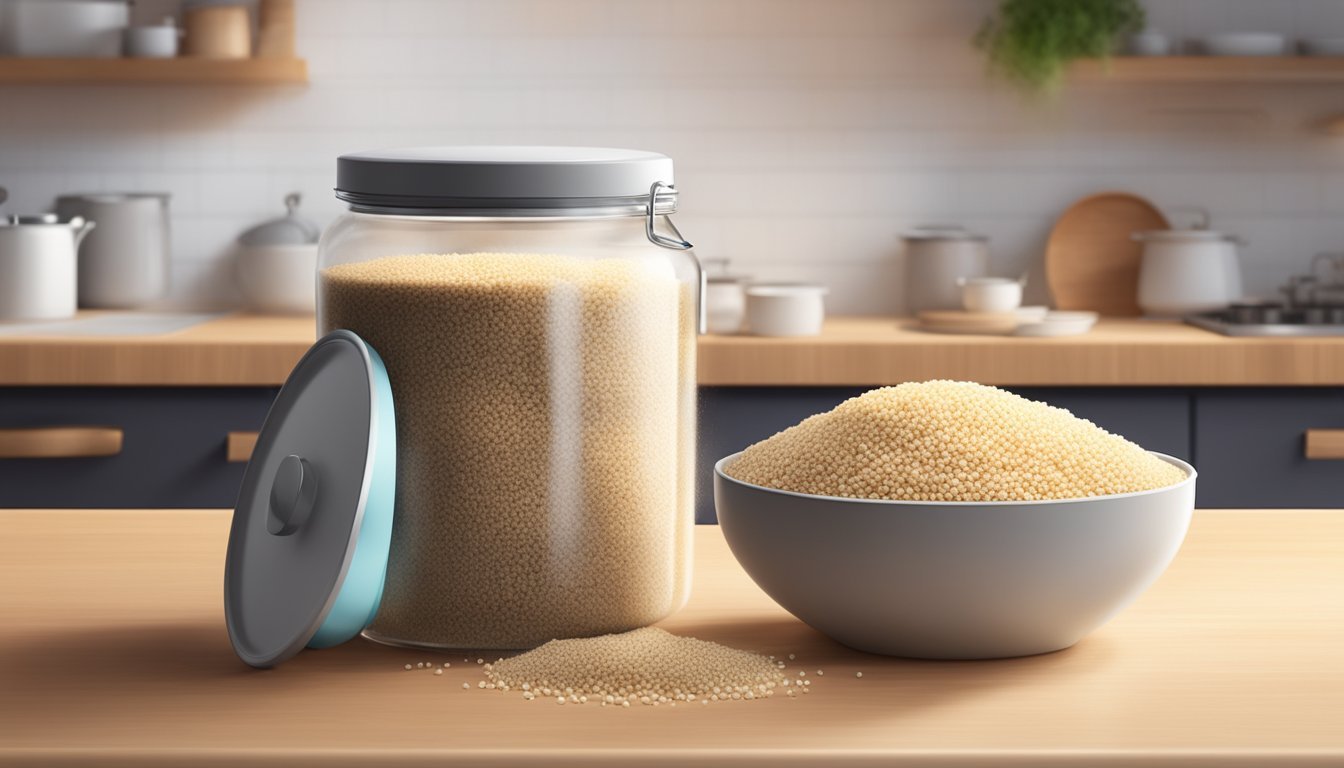
– Cooked quinoa will last for about 5 to 7 days in the fridge if stored properly in an airtight container.
– Frozen cooked quinoa will last around 10 months in an airtight, freezer-safe container or freezer bag.
– Uncooked (dry) quinoa can last between 2 and 5 years if stored properly in a sealed container in a cool, dry place.
– Signs of spoiled quinoa include a sour odor and flavor, runnier consistency, and mold growth.
– It is recommended to follow the 3-year shelf life rule for dry quinoa.
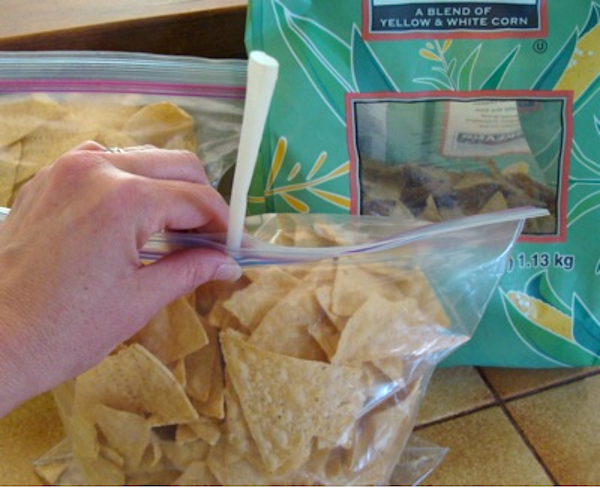
– Cooked quinoa should be transferred to an airtight container and placed in the fridge to minimize bacterial growth.
– It is important to store and handle food properly to avoid the risk of consuming spoiled food.

Continue Reading

Does Vanilla Extract Go Bad? How to Properly Store and Extend Shelf Life

– Vanilla extract lasts a long time and is unlikely to go bad.
– Both pure and artificial vanilla extracts can be stored in a cool and dark place, away from heat sources.
– It is not recommended to refrigerate or freeze the extract.
– Pure vanilla extract has an indefinite shelf life and may have a slightly more intense flavor after a few years.
– Imitation vanilla extract has a shorter shelf life and its quality will degrade over time.
– The best-by date on the label is a good indicator of its quality.
– Imitation vanilla extract can last for up to 6-12 months after the best-by date, but the taste will worsen over time.
– Vanilla extract should be kept sealed tightly to prevent it from going bad.
– If the extract smells off or has growth on the inside of the cap, it should be thrown away.
– Pure vanilla extract is made with vanilla beans and is brown in color.
– The primary flavor compound in pure extract is vanillin.
– Imitation vanilla extract only contains vanillin and is a synthetic substance made in a lab.
– Vanilla beans are expensive, leading to the creation of synthetic vanilla for a cheaper alternative.
– Most people opt for the less expensive imitation vanilla extract because it still works well in desserts.

Continue Reading

How Long Does Pulled Pork Last in the Fridge? Insider Tips for Food Safety & Storage

– Pulled pork leftovers should be used within four days of being cooked.
– Raw pork butt or shoulder should be kept in the fridge for up to five days before smoking.
– Leftover pulled pork should be stored in an airtight container to prevent spoiling.
– Pulled pork should be disposed of if it is molded or visually changed.
– Pulled pork should be disposed of if it smells sour or ammonia-like.
– Eating spoiled pulled pork can lead to food poisoning.
– Symptoms of food poisoning include fever, diarrhea, nausea, vomiting, and stomach pain.
– Leftover pulled pork can be saved for longer by freezing it.
– The best way to freeze pulled pork is by storing it in vacuum-sealed bags or double-bagged freezer bags with all the air squeezed out to reduce the risk of freezer burn.
– Portion out the pulled pork into meal-sized amounts or individual servings for easy thawing.
– Pulled pork can be kept in the freezer for a maximum of three months for best quality.
– Frozen pulled pork can be thawed in the refrigerator the day before it is needed, on the bottom shelf and on a plate or container to catch any liquid from thawing.

Continue Reading

Sell by date on chicken: Understanding its importance and implications

– The “Chicken Sell By Date” is a guideline for retailers indicating how long to display the chicken for sale.
– It’s also important for consumers to determine if the chicken is safe to eat.
– The Sell-By Date marks the final day the product should be sold, but it can still be consumed safely if properly stored and shows no signs of spoilage.
– The Use-By Date is the last date recommended for using the chicken at its peak quality, but it may still be safe to eat after this date with some degradation in quality.
– The Expiration Date is a clear deadline indicating when the chicken will likely become unsafe to consume.
– Freezing the chicken before the expiration date can extend its safe consumption period.
– Raw chicken is usually good for 1-2 days.
– Chicken can be stored in the refrigerator past its sell-by date if you plan to cook it within 1-2 days.
– Freezing chicken extends its safe consumption period by halting the growth of bacteria.
– Cooked chicken can be stored in the refrigerator for about 3-4 days.
– Cooked chicken can be frozen and stored for about 2-3 months.
– Leftovers should be promptly refrigerated or frozen within two hours of cooking.
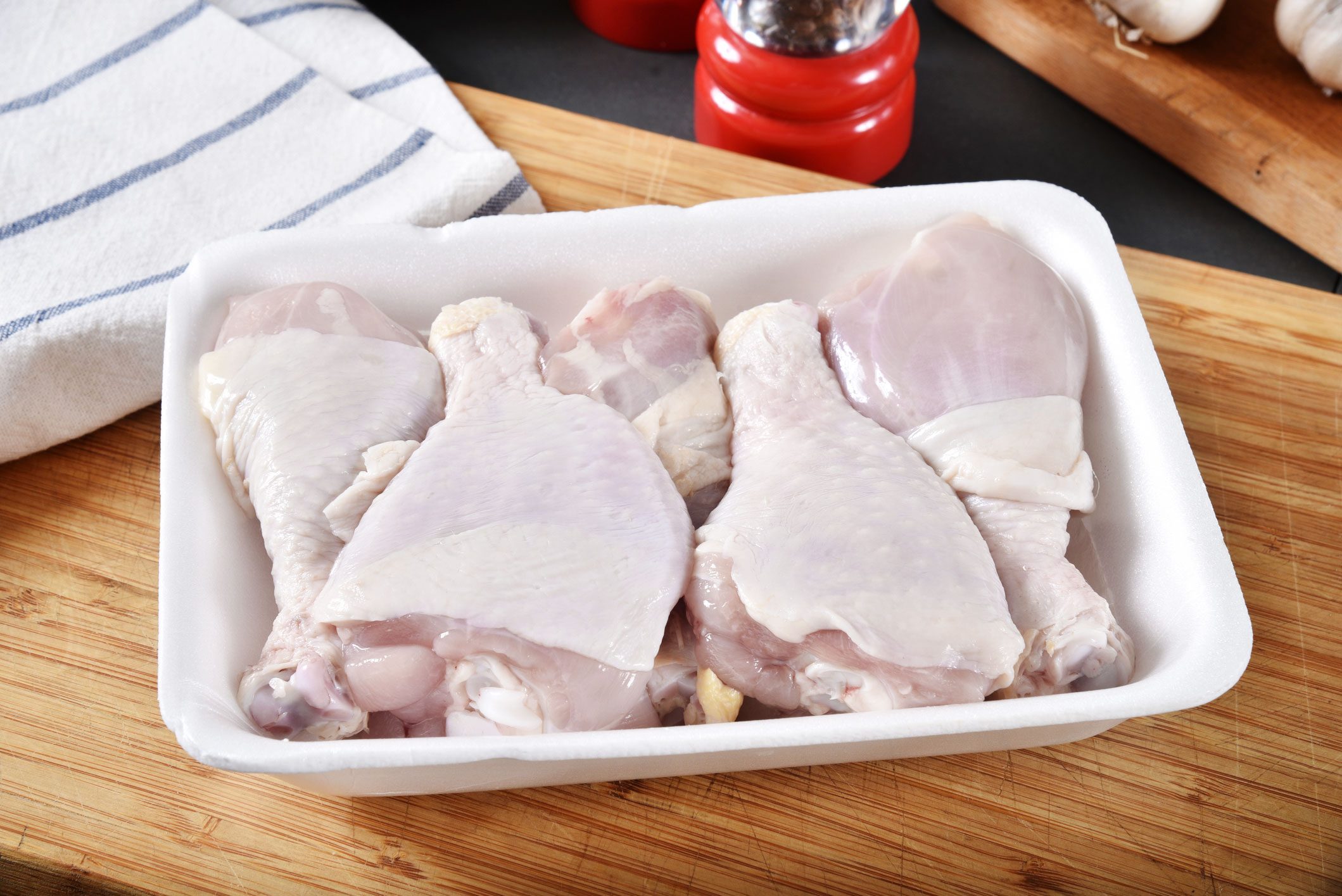
– Fresh chicken should be pinkish in color and free from a strong, unpleasant odor.
– Grayish hue, slimy texture, or a strong foul smell indicates that chicken has gone bad and should not be consumed.
– Chicken should be cooked to an internal temperature of at least 165°F (74°C) to kill bacteria.
– Leftover cooked chicken can be stored in the refrigerator for 3-4 days or frozen for about 4 months.
– The sell-by date on raw chicken is a guide for retailers, not consumers.
– Chicken is usually safe to eat within 1-2 days past the sell-by date if it has been properly stored in the fridge.
– Freezing chicken does not extend the expiration date, but it can pause the spoiling process.
– Thawed chicken should be used immediately and not refrozen.
– The sell-by date is not foolproof, and it’s important to physically examine the chicken for any signs of spoilage before consuming.
– Chicken should be used within 1-2 days of placing it in the fridge, regardless of the sell-by date.
– Chicken is typically safe to consume for 1-2 days after the sell-by date if it has been stored correctly in the refrigerator.
– It’s best to cook or freeze chicken as soon as possible after the sell-by date to ensure safety and quality.
– Cooking chicken within 1-2 days after purchasing is usually recommended for best results.
– Storing raw chicken in the refrigerator past its sell-by date is safe for 1-2 days, but it is best to freeze it if you won’t be cooking it within that time.
– Freezing raw chicken extends its safe consumption period by halting the growth of bacteria.
– Cooked chicken stored in the refrigerator is safe for consumption for about 3-4 days.
– Cooked chicken can be frozen for 2-3 months.
– It is important to refrigerate or freeze leftovers within two hours of cooking to minimize bacterial growth.
– Checking the freshness of chicken before cooking is important – look for a pinkish color and no strong or unpleasant odor.
– It is essential to cook chicken to an internal temperature of at least 165°F (74°C) to ensure safety.
– Leftover cooked chicken can be stored in the refrigerator for 3-4 days or frozen for up to four months.
– The sell-by date on raw chicken is a guide for retailers, not consumers.
– It is usually safe to eat chicken within a couple of days past this date if it has been properly stored in the fridge.
– Freezing chicken pauses the spoiling process but does not extend the expiration date.
– Thawed chicken should be used immediately and not refrozen.
– The sell-by date is a good indicator but not foolproof.
– It’s important to physically examine the chicken for an off smell, slimy texture, or grayish color.
– Chicken should be used within 1-2 days of being placed in the fridge, regardless of the sell-by date.
– It is recommended to cook or freeze chicken as soon as possible after the sell-by date to ensure safety and quality.
– It is important to track how long chicken has been in the refrigerator to ensure freshness and prevent spoilage.
– A simple way to track the time is to write the purchase date or the date the chicken was put in the fridge on the packaging.
– Chicken that has gone bad can change color, become dull or grayish, and develop a slimy texture.
– A foul or off-putting smell is another clear sign that the chicken is no longer good to eat.
– The sell-by date is just a guideline for retailers, it is important to check the chicken’s color, smell, and texture.
– Fresh chicken should be pinkish, have a mild odor or no noticeable smell, and should not be slimy.
– To keep chicken fresh, it should be stored properly in the refrigerator at a temperature below 40°F if it will be used within one to two days.
– If the chicken will not be used within that time, it is best to freeze it in airtight packaging to preserve its quality and prevent freezer burn.

Continue Reading

Do Pistachios Go Bad? Exploring Shelf Life & Tips

– Pistachios can go bad due to their high oil and fat content
– Proper storage can extend their shelf life to 6 months at room temperature and one year in the refrigerator or freezer
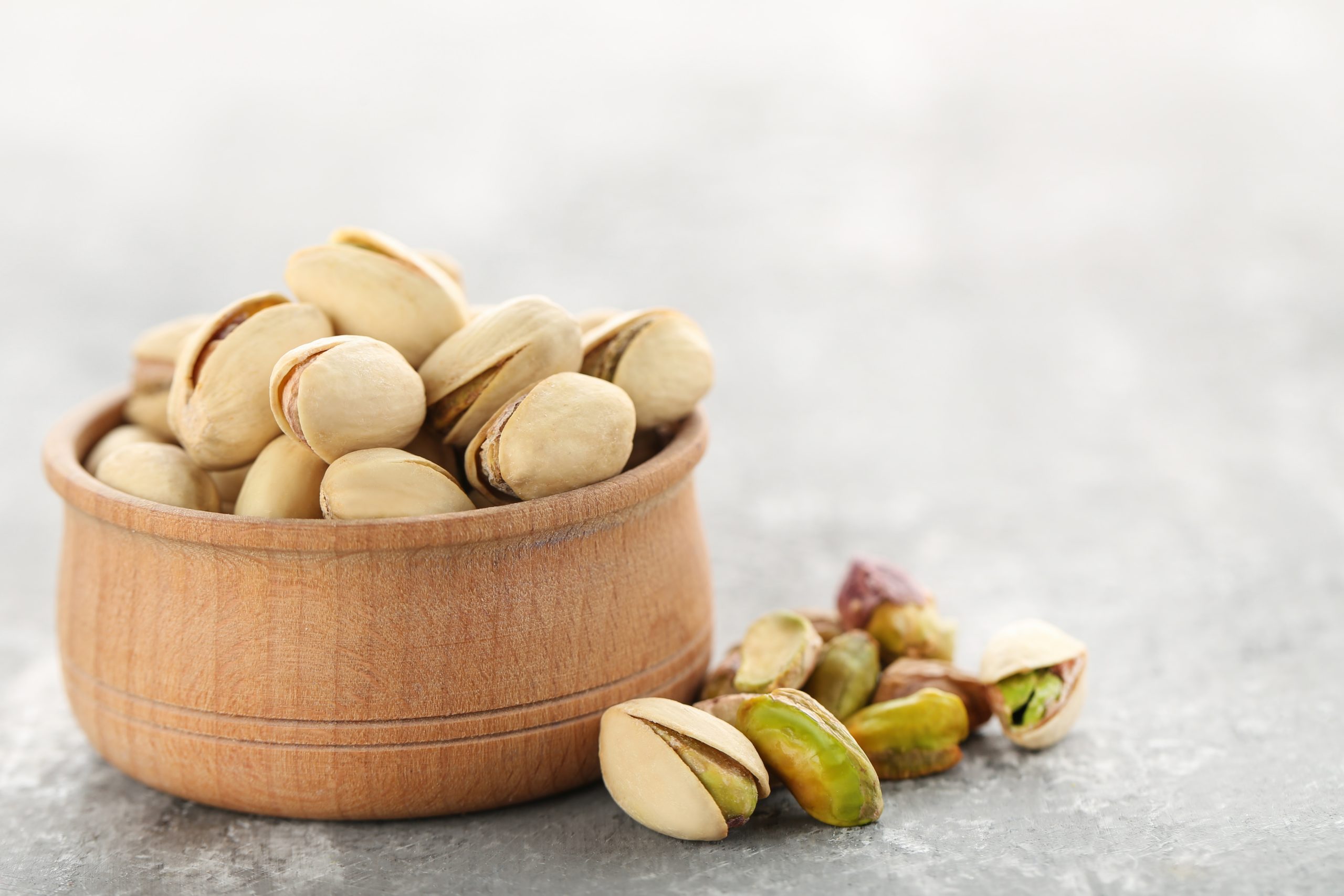
– Signs that pistachios are bad include mold, discolored nutmeat, bugs, and withered texture
– The expiration date on packaged pistachios should be checked, although it is more of a “Best Before” date
– Rancid pistachios can still look fine, but they will smell sour or like nail polish
– If unsure, it is best to throw them out or taste one to check for bitterness and mealy texture
– Storing pistachios in an airtight container in a cool, dark place will increase their shelf life
– Pistachios can be stored in a cupboard away from light or in the refrigerator or freezer for longer shelf life
– Storing them in an airtight container is necessary to prevent odors from other foods
– Refrigeration or freezing can keep pistachios good for up to 1 year
– Buying fresh pistachios is important and packaged ones provide an expiration date
– Unshelled pistachios last longer than shelled ones
– Pistachios are actually seeds and not nuts
– They contain fiber, protein, minerals, and unsaturated fat
– Pistachios can be used for snacking, adding crunch to salads, or adding flavor and texture to any meal

Continue Reading

How long does Parmesan cheese last and why?

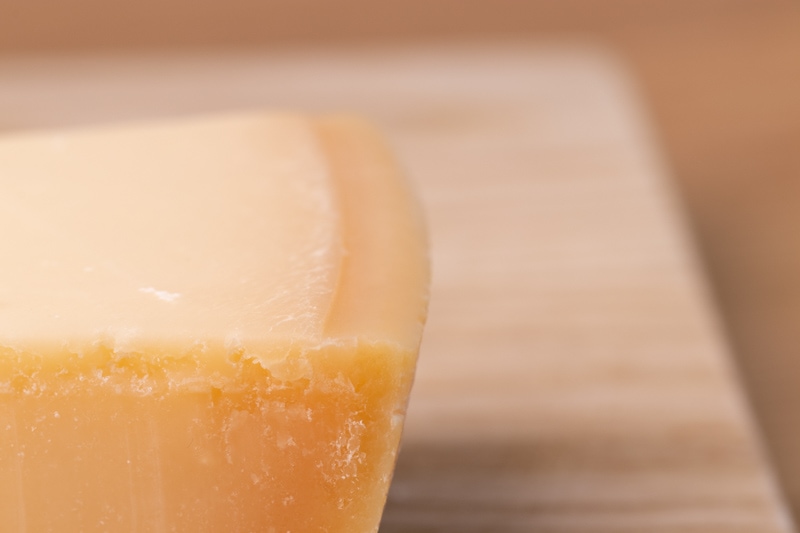
– An opened chunk of Parmesan cheese will last for 4 to 6 weeks in the refrigerator.
– It is safe to eat an opened chunk of Parmesan cheese after the “sell by” or “best by” date.
– If there is mold on a chunk of Parmesan cheese, it can be cut away and the rest can be consumed.
– Parmesan cheese can be frozen for 12 to 18 months and will remain safe beyond that time.
– Thawed Parmesan cheese should be used within 3 to 4 days if defrosted in the fridge, or immediately if defrosted in the microwave or cold water.
– Spoiled Parmesan cheese will have a hard texture, dark color, strong smell, and may develop mold.

Continue Reading

Does food coloring expire? All you need to know

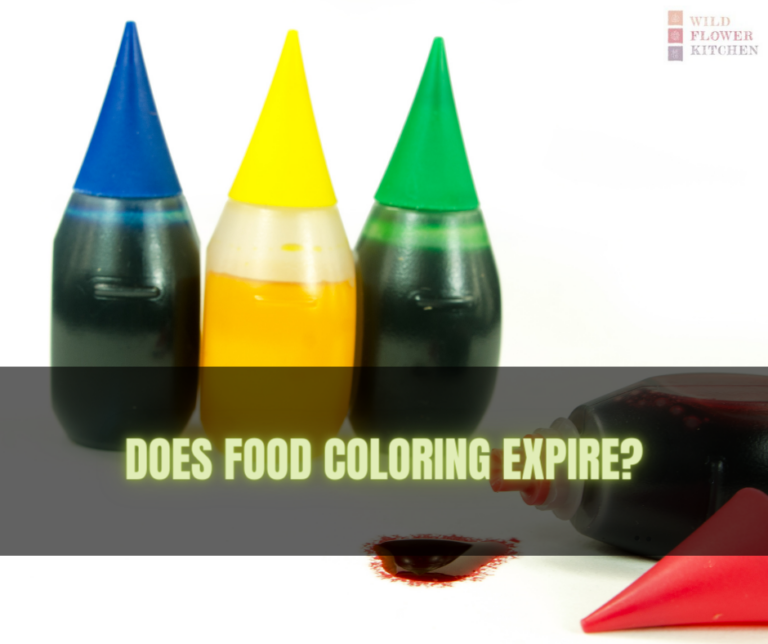
– Food coloring does not expire if properly stored
– Liquid food coloring can last indefinitely if sealed tightly after each use
– Gel food coloring can harden or dry out if not stored properly
– Adding hot water may revive dried or hardened food coloring, but if color has changed, throw it away
– Liquid gel food coloring can expire if it dries out, hardens, or shows signs of contamination or mold
– Powdered food coloring can last indefinitely if stored properly and kept safe from contamination and mold
– Paste-based food coloring may dry out or change color with age
– Homemade food coloring made from natural ingredients lasts about 2 weeks in the fridge
– Store food coloring properly after each use to ensure longevity
– Moldy food coloring should be thrown away
– Liquid food coloring is best for small-batch baking and cooking, while paste or gel food coloring is more intense and suitable for larger batches
– Powdered food coloring is ideal for items that need to stay dry
– Following proper storage steps will ensure food coloring lasts long-term
– Food coloring does not become unsafe to consume, but it can lose intensity and quality over time
– Store food coloring in a cool, dry place away from sunlight
– Food coloring is an artificial color added to food and drinks to enhance appearance and natural color
– Shelf life of food coloring is almost indefinite, as it does not contain raw ingredients that can go bad
– Food coloring bottles may have expiration dates for labeling purposes, but the product can still be used after the date
– Improperly sealed food coloring may go bad due to dust and contaminants
– Changes in color and consistency can indicate that food coloring has gone bad
– Adding hot water and shaking the bottle can help restore liquid food coloring
– Homemade food coloring from natural products may have a shorter shelf life of up to 6 weeks when refrigerated
– Store-bought food coloring does not expire and can last for an extended period if stored correctly
– Properly seal food coloring in airtight containers in a cool, dark place like a pantry or fridge.

Continue Reading

Does jelly go bad? Shelf life and storage tips

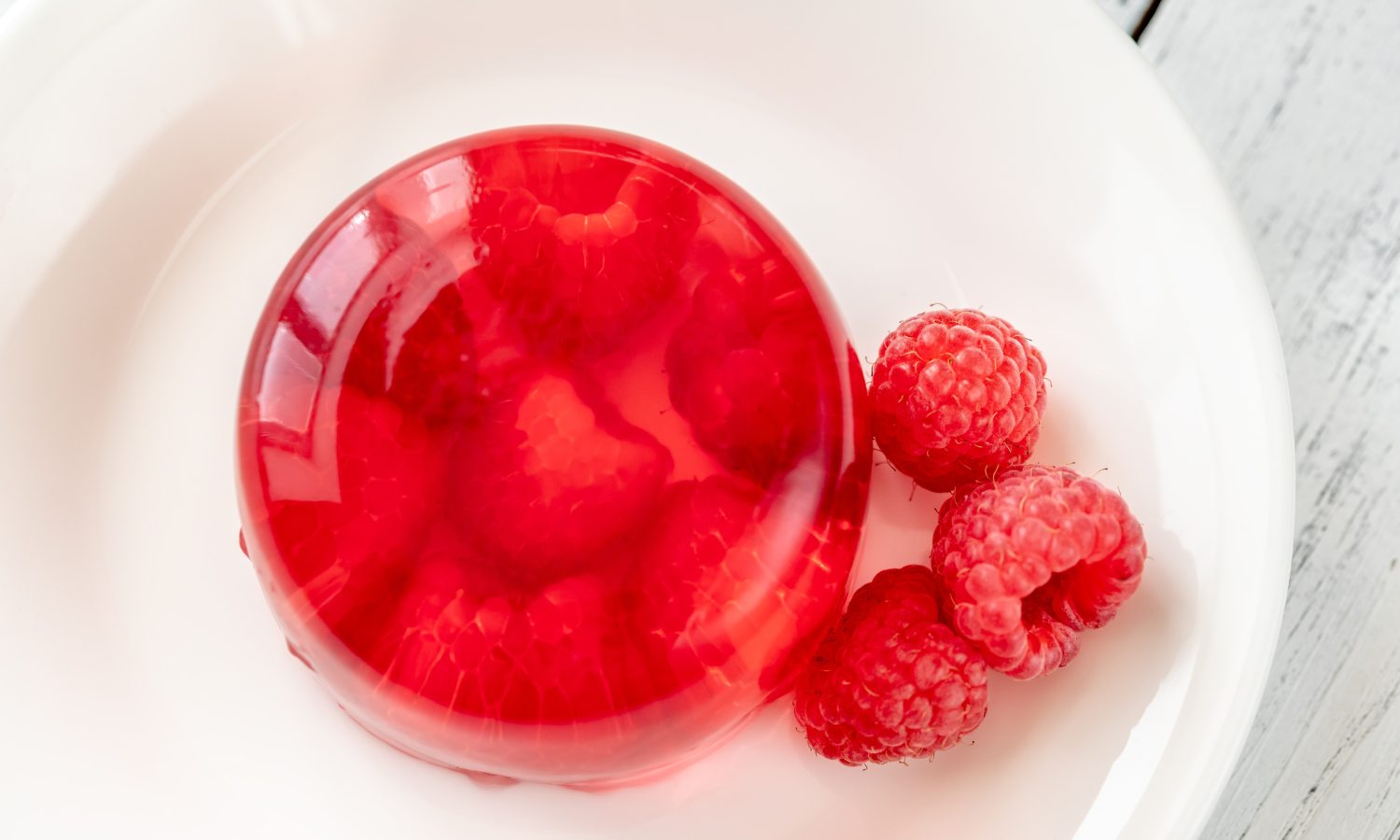
– Shelf life of opened grape jelly can be maximized by keeping it refrigerated and tightly covered.
– Opened grape jelly can stay at best quality for about 1 year when continuously refrigerated.
– The expiration date on the jar is not a safety date, but an estimate of how long the jelly will remain at peak quality.
– After the best quality period, the texture, color, or flavor of the jelly may change, but it will still be safe to consume if stored properly and there are no signs of spoilage.
– If the grape jelly develops an off odor, flavor, appearance, or if mold appears, it should be discarded.
– Spoiled jelly may have a darker color, off texture, strange taste, mold growth, or if the expiration date has passed.
– Signs of spoiled jelly to look out for include separation, off-color, off odor, strange taste, and visible mold.
– Even if the expiration date has not passed, the quality and flavor of the jelly may have diminished.
– The smell of fresh jelly is sweet and fruity, so if it smells off-putting or sour, it should be discarded.
– Spoiled jelly may also have changes in texture, such as becoming runny, excessively thick, lumpy, or grainy.
– Once opened, jelly should be consumed within 6 months to a year.
– Unopened jelly can last up to a year past its expiration date.
– Homemade jelly can last for 6 to 12 months when stored in the refrigerator.
– Sugar-free jelly can last 6 to 9 months in the fridge, while low sugar jelly can last 8 to 9 months.
– Jelly can be frozen to extend its shelf life for over 12 months, but it may lose some texture and flavor quality.
– Eating expired jelly can potentially lead to an upset stomach or food poisoning, so it is best to avoid it.
– Frozen jelly should be stored in an airtight container with some headspace for expansion.
– Consuming spoiled jelly can lead to foodborne illnesses caused by harmful bacteria or mold.

Continue Reading

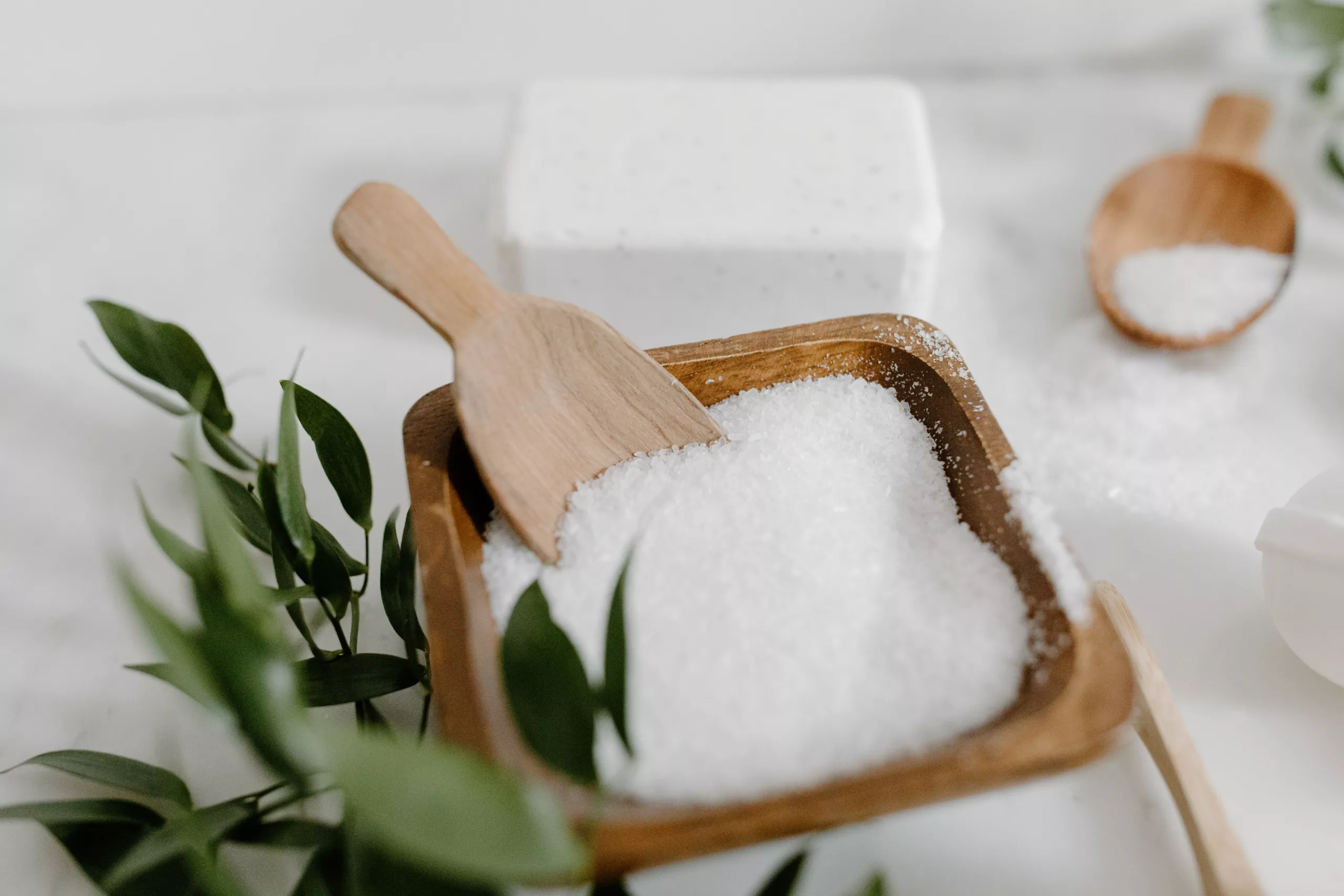
Does Epsom Salt Expire? The Ultimate Guide

– Greenway Biotech, Inc. Epsom Salt does not produce bath bubbles in water.
– Epsom Salt is primarily used as a muscle relaxer for a relaxing and smooth feeling after a bath.
– Using Epsom Salt in a bathtub will not clog the drains due to its smaller grain size.
– 1 cup of Epsom Salt is recommended for a sitz bath.
– Greenway Biotech Epsom Salt is made in the USA but imported from Germany in bulk.
– Epsom Salt does not expire but may become hard and clumpy over time.
– When using Epsom Salt in a garden, the amount applied depends on the amount of calcium already in the soil, with a ratio of 3 parts calcium to 1 part magnesium.

Continue Reading