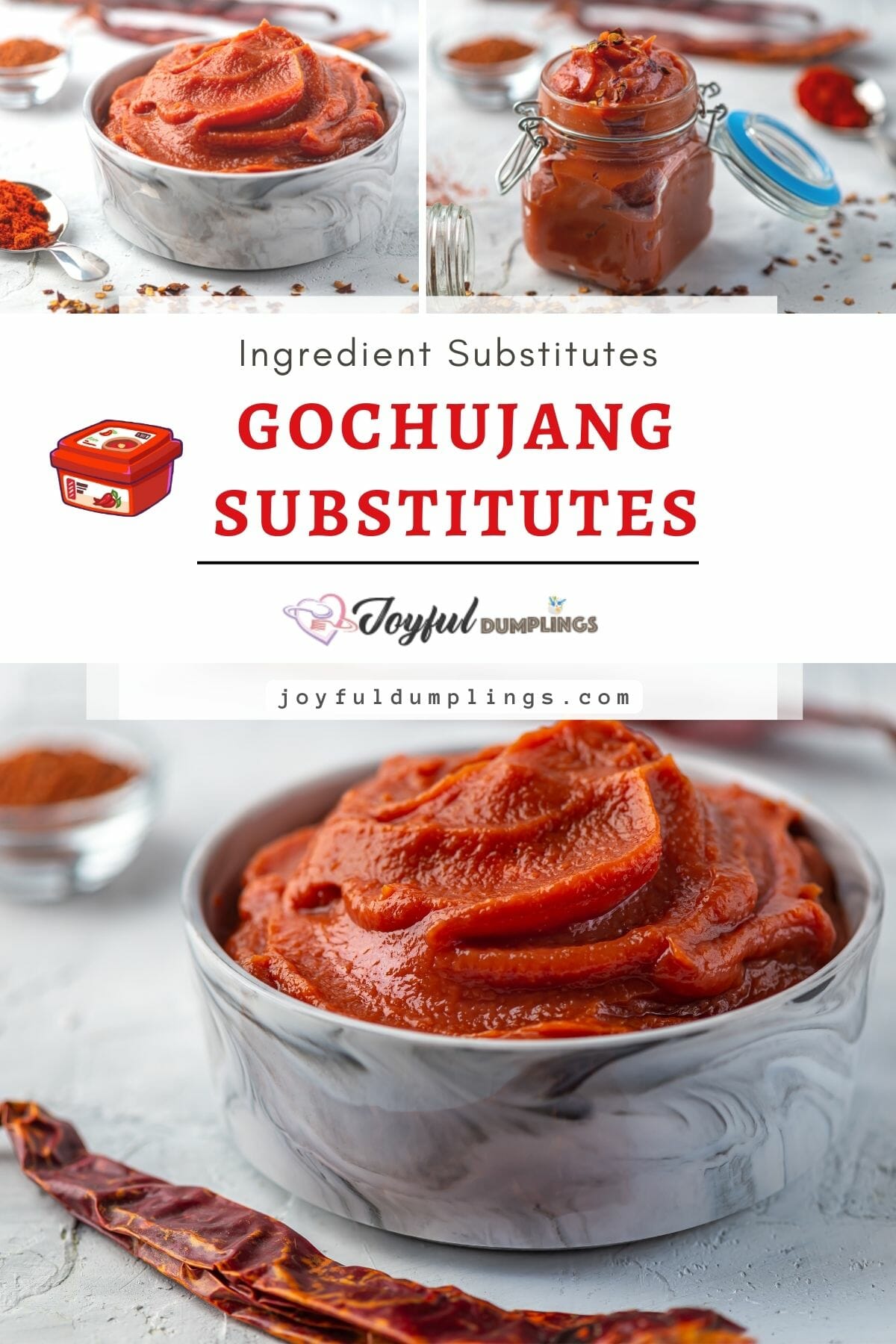
Discover a Delicious and Healthy Substitute for Gochujang

– Some alternatives include sriracha, chili pepper paste, and tomato paste.
– Chung Jung One’s Gochujang is an alternative that is authentic and flavorful.
– Making your own version using miso paste and cayenne or hot red pepper flakes is a cheaper option.
– Miso paste can be mixed with chili flakes, soy sauce, and sugar to create a substitute for gochujang. Adjust the amounts of each ingredient to taste.
– Tahini paste and soy sauce, when combined in equal parts, can be used as a substitute for gochujang. It creates a well-balanced and flavorful combination.
– Chimichurri sauce can be mixed with honey to closely resemble the taste and smell of gochujang.
– Tomato paste and hot peppers can be mixed to provide a deep rich base note and spiciness.
– Doenjang paste is a non-spicy substitute for gochujang. It has a similar fermented flavor profile but lacks the spiciness.
– There are several vegan substitutes for gochujang, including miso paste and soy sauce. Some substitutes include a mixture of tahini paste and miso paste, a mixture of tomato paste and hot pepper, and sriracha sauce. These substitutes may not exactly replicate the taste and texture of gochujang, so some experimentation may be necessary to find the best vegan substitute.

Continue Reading

Coffee Sweetener: Understanding the Science Behind Healthier Choices

– People are choosing more holistic options for their diets and cutting out refined sugars for coffee sweeteners.
– Good substitutes for sugar in coffee include natural sweeteners like honey, stevia, and maple syrup.
– Sugar alternatives can be used in the same way as table sugar in recipes at home.
– Artificial sweeteners are often carb- and calorie-free, but do not add any health benefits to the diet.
– Some natural coffee sweeteners include erythritol, monk fruit, stevia, agave nectar, honey, maple syrup, molasses, coconut sugar, and vanilla extract.
– Erythritol is a sugar alcohol derived from plant carbohydrates and has to be chemically altered to be used as a sweetener.
– Erythritol is similar in appearance to table sugar but has a slightly finer texture.
– This article discusses four different coffee sweeteners: erythritol, monk fruit extract, stevia, and agave nectar.
– Erythritol is a no-calorie and low-carbohydrate sweetener that is acceptable for diabetes patients.
– Monk fruit extract is a super sweet sugar alternative that contains zero calories and is up to 200 times sweeter than regular sugar.
– Stevia is a zero-calorie natural sugar substitute that is up to 300 times sweeter than table sugar.
– Agave nectar is a syrup derived from the blue agave plant, similar in consistency to honey and with a lower glycemic index.
– Agave nectar should be consumed in moderation due to its high fructose content.
– Agave nectar, honey, maple syrup, molasses, coconut sugar, and vanilla extract are all popular natural coffee sweeteners.
– Agave nectar is known for its low glycemic index and is rich in vitamins and minerals.
– Honey has antioxidant properties and is used in alternative medicine.
– Maple syrup has a deep local history and is available in a variety of flavors.
– Molasses, while high in antioxidants, has a strong flavor and bitter aftertaste.
– Coconut sugar contains various vitamins and minerals, but has a similar fructose content as table sugar.
– Vanilla extract can add flavor and sweetness to coffee.
– The article discusses different options for coffee sweeteners and suggests alternatives such as cinnamon, nutmeg, or cocoa powder.
– Many coffee shops already offer flavored coffee and coffee beans.
– The brand Golden Ratio offers a low-acid alternative called gold coffee that claims to have a smoother taste and retain the benefits of coffee without the need for sweeteners or creamer.
– There are healthier ways to sweeten your coffee than adding sugar, which can increase the risk of type 2 diabetes, cancer, and heart disease.
– Natural sweeteners like monk fruit, honey, and stevia are healthier alternatives to plain sugar.
– Monk fruit extract is up to 200 times sweeter than sugar and has zero calories and fat.
– Cinnamon adds flavor and potential health benefits such as lower cholesterol and improved heart health.
– Honey is an antioxidant, antimicrobial, and anti-inflammatory, and provides potassium and magnesium.
– Stevia is a natural sweetener derived from the stevia plant.
– Stevia is a zero-calorie sweetener that can reduce the risk of blood sugar spikes and weight gain.
– Maple syrup, especially dark-colored maple syrup, has been linked to anti-cancer effects and antioxidant properties.
– Agave syrup has a low glycemic index and is a good option for those sensitive to fructose, but should be used in moderation due to its high fructose content.
– Coconut sugar, which has a slight coconut aftertaste, can be used as an add-on for coffee.
– Erythritol is a zero-calorie sweetener preferred by diabetics and those trying to lose weight, and is an alternative to xylitol.
– Unsweetened cocoa powder can add flavor to coffee without adding much sweetness, and also offers anti-inflammatory and immune-boosting properties.
– Molasses can be used for coffee drinkers who enjoy bold and bitter flavors, but may not be ideal for those seeking a smoother taste.
– Molasses is a healthier alternative to refined sugar and has high levels of antioxidant activity.
– Dark or bootstrap molasses have the highest levels of antioxidant activity.
– Vanilla extract can be added to coffee for flavor without adding sugar.
– Some brands of vanilla extract contain added sugars that should be avoided.
– Plant-based milks like almond milk can subtly sweeten coffee without the need for sugar substitutes.
– Flavored plant-based milk can add a hint of vanilla flavor to coffee.
– Golden Ratio’s low-acid coffee, such as the Original Gold Coffee, offers a gentler coffee experience.

Continue Reading

Unlocking the Secrets: Blackstone Seasoning Enhancing Flavor

– Seasoning your griddle helps prevent food from sticking and adds flavor to meals.
– Seasoning creates a blackened, stick-resistant coating on the griddle plate.
– You will need a bucket filled with water, Blackstone Griddle Seasoning & Cast Iron Conditioner, heat-resistant gloves or tongs, paper towels, salt, soap powder, and a stick.
– Before seasoning, clean the griddle with soapy water.
– Pre-heat the griddle and let it darken for 10-15 minutes.
– Use a thin layer of oil during the seasoning process to create a durable surface.
– Using too much oil can lead to chipping and sticky residue.
– It is recommended to use the Blackstone Griddle Seasoning & Cast Iron Conditioner.
– To season a Blackstone griddle, clean the surface with soapy water, rinse, and dry.
– Preheat the griddle on high heat for 10-15 minutes.
– Turn off the heat and let the griddle cool slightly.
– While warm, add a thin layer of oil to the surface, such as Blackstone Cast Iron Conditioner, flaxseed oil, vegetable oil, canola oil, avocado oil, or extra virgin olive oil.
– Use a paper towel to spread the oil evenly across the griddle plate.
– Turn the heat back on and let the griddle heat up until it starts smoking.
– Repeat this process 2-3 times for a dark surface.
– Wipe off any excess oil once the griddle has cooled completely.
– A Blackstone griddle does not come pre-seasoned, but has a factory finished coating that needs to be cleaned off before seasoning.
– Use oil and a towel to gently wipe off the surface after preheating.
– Flaxseed oil is the best oil for seasoning a Blackstone griddle.
– Re-season the griddle when food starts sticking or the surface appearance changes.
– If the griddle becomes discolored or rusty, it may be time to re-season.
– Do a water test by sprinkling drops of water onto the surface to determine if the seasoning layer is intact.
– Cleaning and drying the griddle surface is essential for maintaining its longevity and performance.
– Scrape off any food residue while the griddle is still warm and then wipe it with paper towels once it has cooled down.
– The seasoning process for a Blackstone griddle typically takes about an hour and involves cleaning the griddle with soap and water, drying it completely, applying a thin coat of oil evenly, and then heating the griddle to a high temperature to allow the oil to smoke and oxidize.
– Repeat the seasoning process multiple times to build up a new seasoning layer.
– Mild soap and water can be used sparingly to clean the griddle, but avoid removing the griddle seasoning.
– Butter is not recommended for Blackstone griddle seasoning; instead, high smoke point oils like flaxseed or vegetable oil or Blackstone oil conditioner should be used.
– If the griddle starts to rust, a mixture of salt, soap powder, and water can be used to scrub off the rust, followed by re-seasoning with a thin layer of oil.
– The time it takes to season a Blackstone griddle depends on the care of the surface in between cooks after the initial seasoning process.

Continue Reading

Beef Stock Concentrate: Unlocking Flavor Secrets, Maximizing Nutrition

– Beef stock and beef broth differ in cooking time, ingredients, and flavor.
– Stocks are made from marrow/neck bones and scraps, while broths are made from meat/bones and vegetables/herbs.
– Stocks are more concentrated and flavorful due to longer cooking times.
– Broths contain added salt and spices, while stocks are unseasoned.
– Store-bought broths often contain salt, yeast extracts, and preservatives.
– Both broth and stock have similar nutrition profiles.
– Beef broth can be used as a cooking liquid for soups, sauces, stews, gravies, rice, and grains.
– Beef stock can be used to adjust the flavor of finished meals, deglaze a pan, add flavor to salads or dressings, use in sautés, and thicken sauces and gravies.
– Bone broth has more protein, collagen, and amino acids compared to stock.
– Store-bought stocks and broths may contain preservatives, salt, fillers, artificial sweeteners, and questionable ingredients.
– Opt for high-quality bone broth with less than 200 mg sodium per cup and recognizable ingredients.
– There are no significant health benefits associated with store-bought stock or broth.
– Bouillon cubes often contain chemical additives and lack meat-based ingredients.
– Bouillon and broth are not the same, with bouillon being full of yeast extract and salt and lacking nutrients.
– Bone broth can be used in place of stock or broth.
– Knorr Concentrated Stock for Beef is a gluten-free product without artificial flavors, colors, or preservatives.
– The product comes in an 8.45 fl oz container with a current price of $29.35.

Continue Reading

The Ultimate Guide: Finding the Perfect Substitute for Chinese Cooking Wine

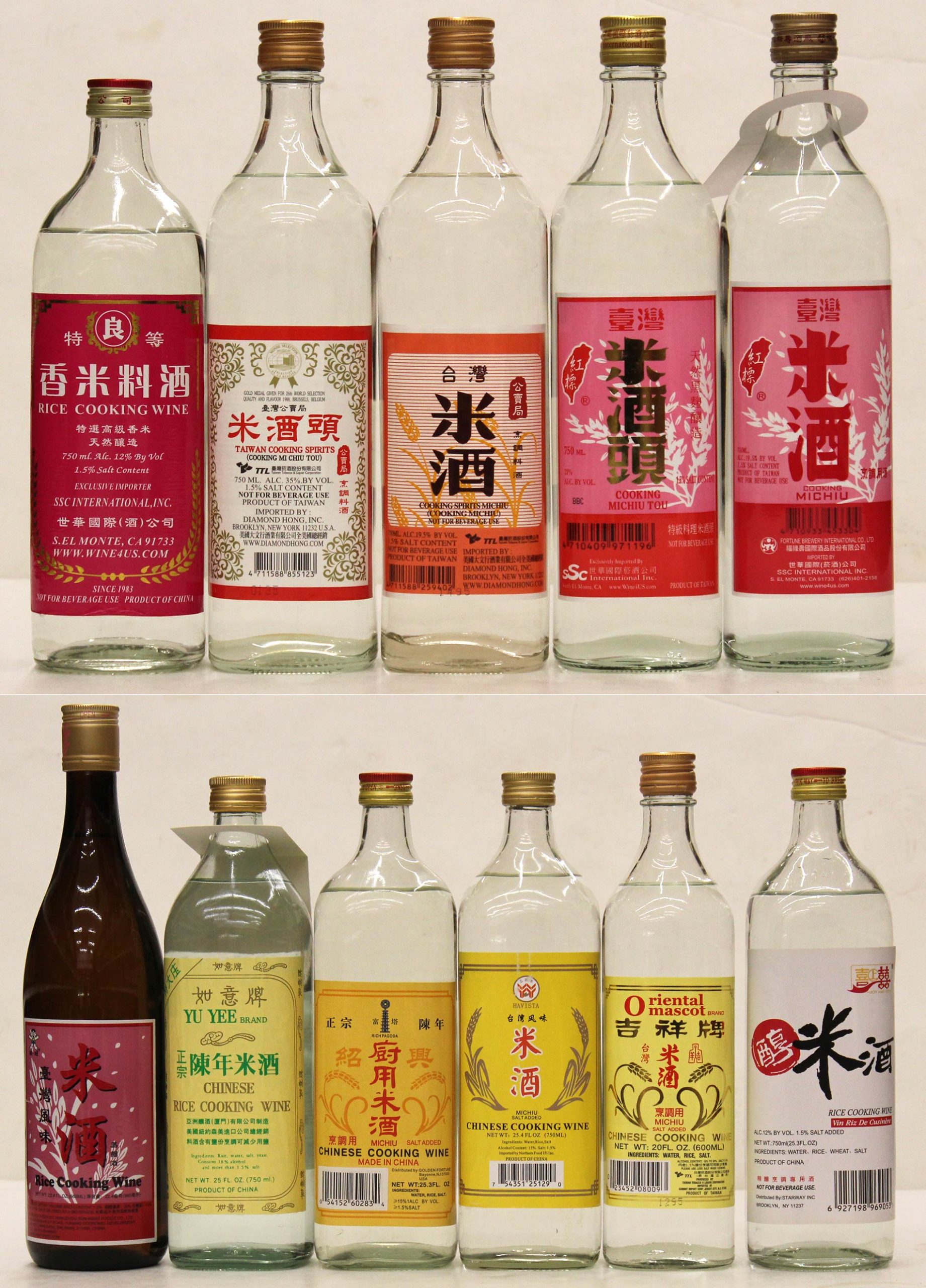
– Shaoxing Wine, also known as Shaosing Wine, is a type of rice wine used in Chinese cooking.
– It is a key ingredient in many Chinese recipes, including stir fry sauces, soup broths, marinades, and wontons.
– Shaoxing Wine is made from rice and is popular due to its complex and sweet flavor.
– It is primarily used for cooking and not for drinking.
– In terms of substitutes, dry sherry, mirin (a Japanese sweet cooking wine), and cooking sake (Japanese rice wine) are recommended.
– For non-alcoholic substitutes, using chicken broth in sauces is suggested, although it may not provide the same outcome as using wine.
– Shaoxing wine is commonly used and can be found in Asian grocery stores, with brands like Double Phoenix being affordable options.
– The article mentions that a brand called Pandaroo sells a substitute for Chinese cooking wine in Australian supermarkets.
– It advises that Shaoxing wine does not need to be refrigerated once opened and can be stored in a pantry for years.

Continue Reading

Garam Masala Substitute: Spice Up Your Cooking!

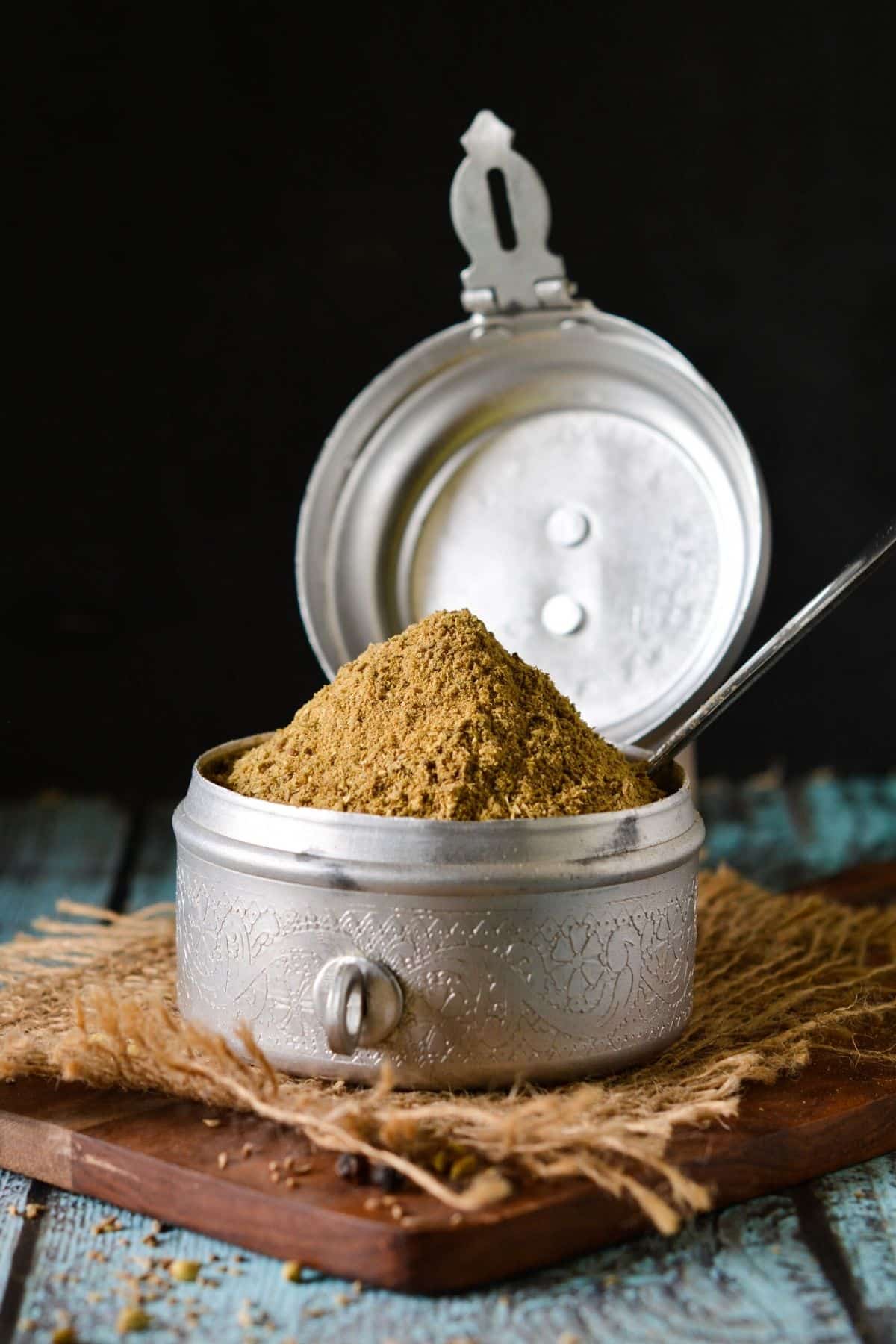
– Garam masala is a key ingredient in Indian cooking that adds aroma and flavor
– There are no true substitutes for garam masala, but there are alternatives
– Garam masala translates to “warm spice blend” and does not contain chili
– It is used in the Indian subcontinent, including India, Bangladesh, Pakistan, and Nepal
– Northern Indian recipes may have 6-8 components, while store-bought versions may have up to 15 spices
– It is reddish-brown in color and is believed to warm the body and aid in digestion and immune system strength
– Garam masala is generally recommended in North Indian cooking, but the amount can vary
– It can be added during cooking or as a garnish at the end for flavor enhancement
– Cumin can be used as a replacement for garam masala in some recipes

Substitutes for garam masala include:
1. Curry powder: Can be used as a substitute, but will result in a different aroma and color due to the inclusion of turmeric.
2. Allspice: Can be used in small quantities as a substitute with a similar warm and aromatic flavor.
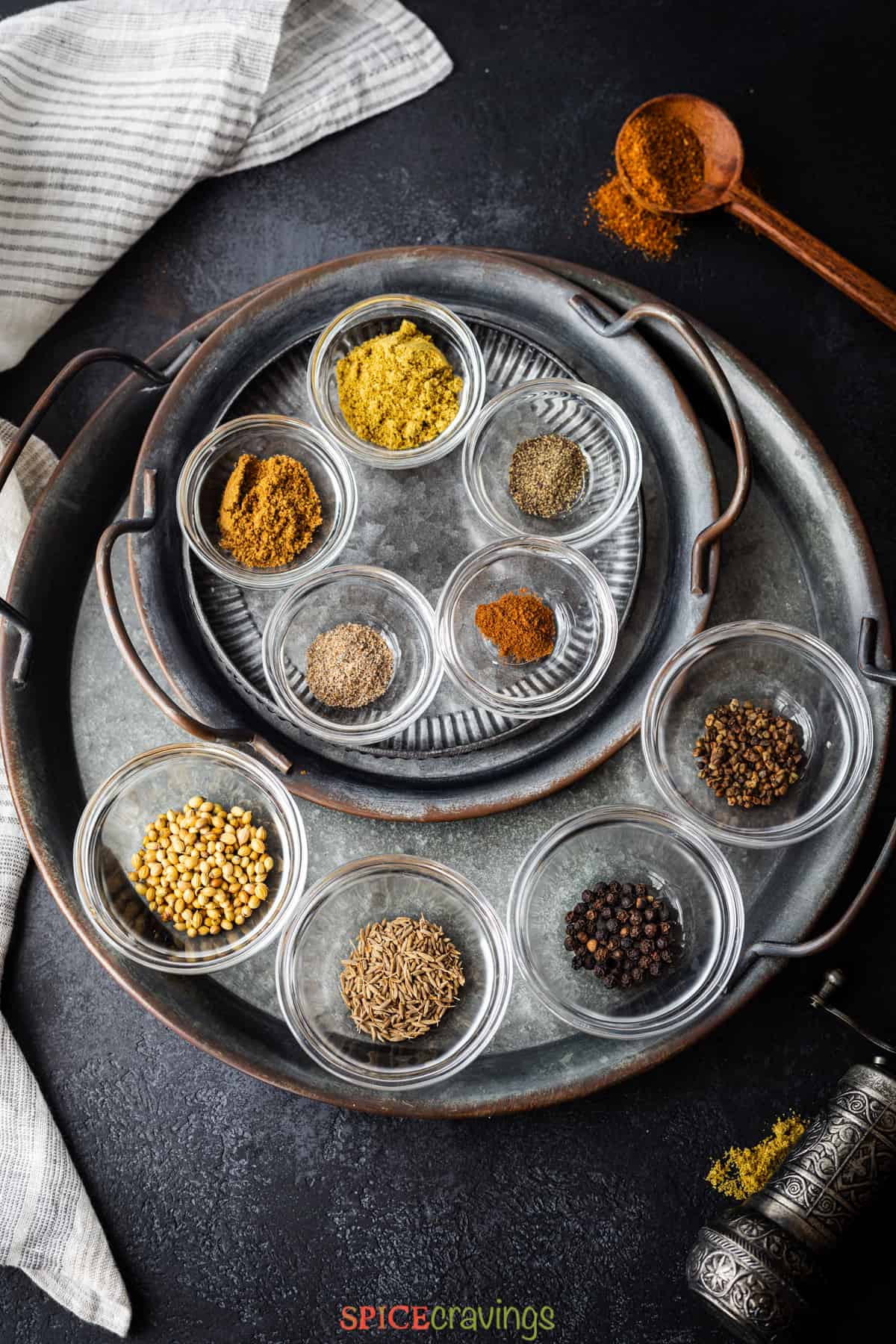
3. Cumin, coriander, and cardamom: This combination can mimic the flavors of garam masala and is suitable for Indian cuisine.
4. Five spice powder: Contains cinnamon, cloves, fennel seeds, star anise, and Szechuan peppercorns, providing a unique flavor profile.
5. Ground cloves and cinnamon: Can add warmth and depth to dishes as a garam masala substitute.
6. Chole masala or pav bhaji masala: These spice blends are not close to garam masala but contain similar spices and can be used as substitutes in various dishes.
7. Ras El Hanout (Moroccan spice mix): Contains spices like coriander, cumin, black pepper, ginger, cinnamon, cardamom, etc., and can be used as a substitute in small amounts.
8. Chaat masala: Contains dried mango powder, black salt, pomegranate seeds, ginger, and sometimes mint. Can be used as a substitute but should be used in moderation.
9. Pumpkin spice: Can be used as a last resort substitute, but may add a sweeter tone to the dish. Mixing with coriander, cumin, and black pepper can help balance the flavors.

Continue Reading

Dill Substitute: Exploring Flavorful Options for Culinary Delights

– Dill weed has an earthy and grassy flavor commonly used in Middle Eastern and North African dishes, yogurt sauces, potato salads, baked breads, and crackers.
– It pairs well with seafood and lamb.
– If dill weed is not available, it can be substituted with fresh fennel, thyme, rosemary, parsley, chervil, basil, or tarragon.
– Fresh dill can be substituted for dried dill at a ratio of 1 tablespoon chopped fresh dill to 1 teaspoon dried dill.
– Dill seed has a more pungent and bitter flavor compared to dill weed.
– Dill pollen has a strong dill flavor that is floral and zesty and can be used as a finish for dishes.
– Thyme can be substituted for dill in stews and sauces.

Continue Reading