Discover the Dangers of Microwaving a Paper Plate

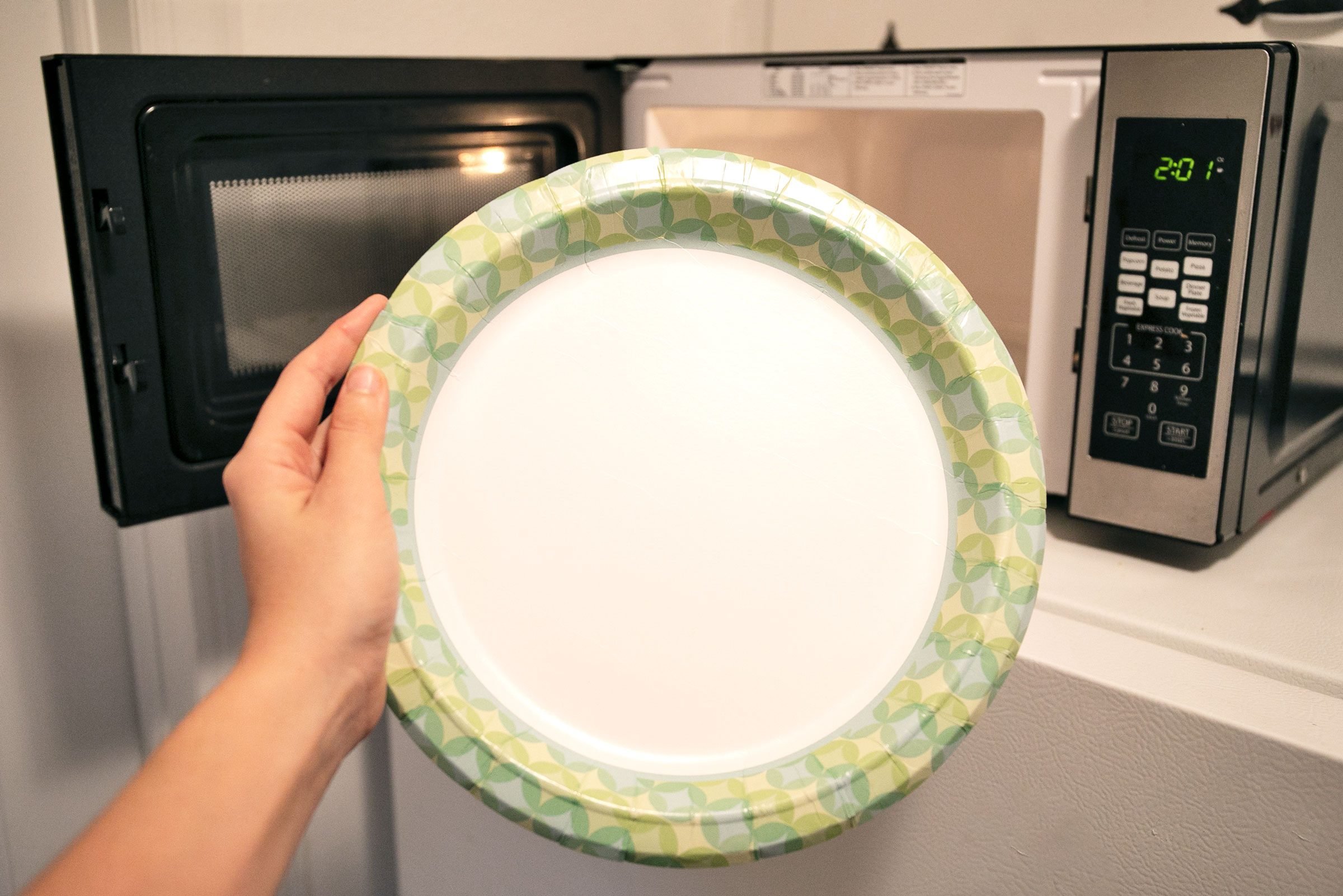
– Most paper plates are safe to heat up in the microwave according to the USDA.
– Not all paper plates are made equal, and those with a decorative sheen could be coated in a thin layer of plastic which might not react well in the microwave.
– It’s important to check for the microwave-safe label on the packaging before heating anything up.
– Plain white paper plates are the safest option, but other paper products like napkins, towels, and parchment paper should also be safe.
– Printed or glossy materials should be avoided, and newspaper or brown paper bags should be avoided, especially if there’s any metal involved.
– Takeout containers with metal handles should also not be microwaved.
– Dirty dishes at parties or potlucks can be a problem, so paper plates are often used as a convenient solution.

Continue Reading

How to Tell If Chicken is Done Cooking: Essential Tips & Guidelines

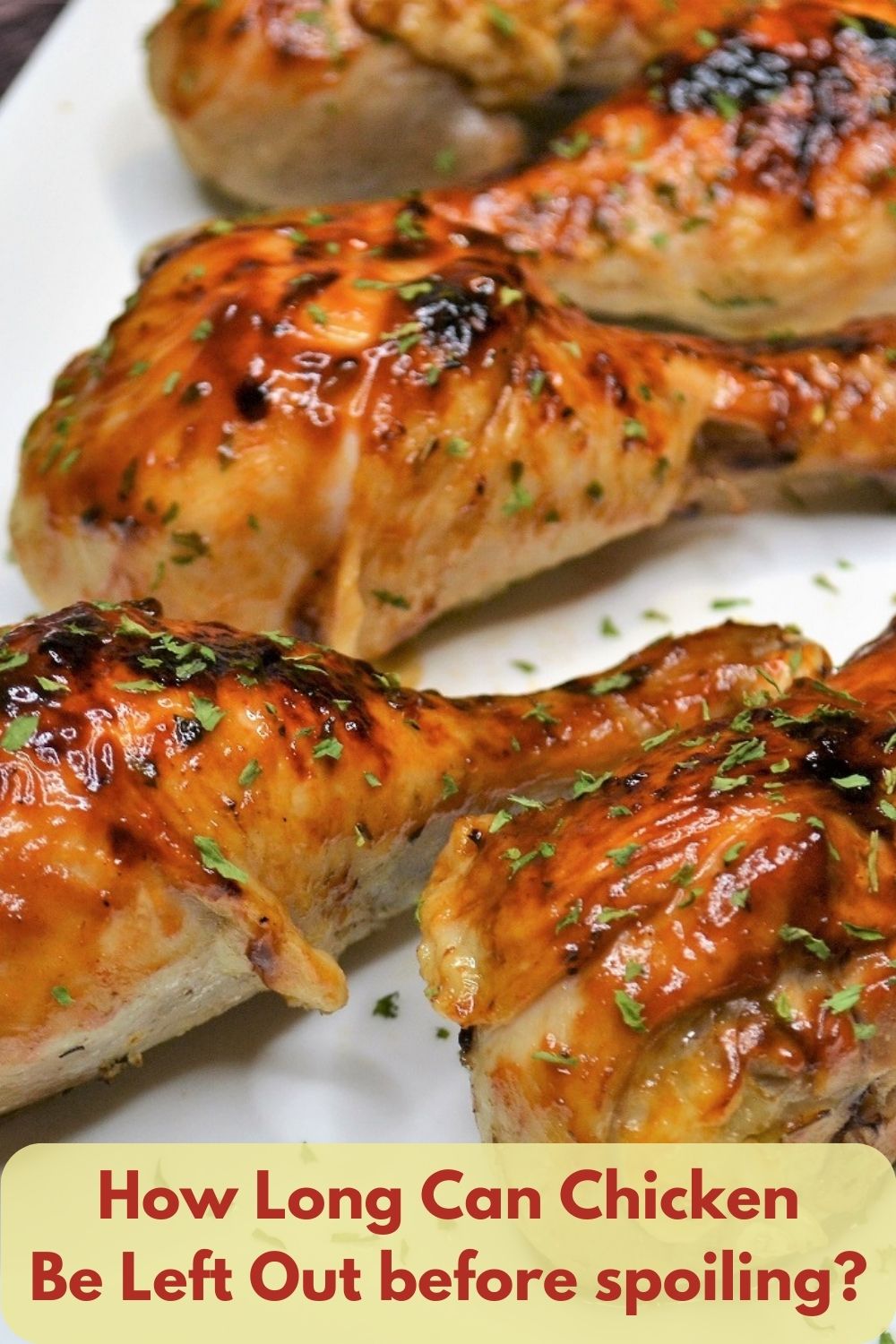
– The best way to determine if chicken is fully cooked is by checking its internal temperature.
– White meat chicken should reach 165F (73C), while dark meat should reach 175F (79C).
– Another method is to check the color of the meat by making a small incision.
– Using a meat thermometer is the most accurate way to check the internal temperature.
– The thermometer should be inserted into the thickest part of the chicken.
– The color of the juices can indicate if chicken is cooked or not.
– Pink juices mean it needs more time, while clear juices mean it is ready.
– The size of the chicken can also indicate if it is cooked.
– If it looks seared and golden on the outside but is still the same size as raw, it needs more time.
– If it has shrunk, check the color of the juice to confirm if it is cooked.
– Letting the chicken rest for at least 5 minutes after reaching proper internal temperature helps lock in juices and flavor.
– Using a good recipe with instructions on cut of chicken, oven/skillet temperature, and checking internal temperature can help avoid overcooking chicken.
– The article recommends using a meat thermometer and provides recommended internal temperatures.
– It mentions the “finger test” method, where the touch and feel of the meat can indicate its doneness.
– For chicken specifically, it suggests cutting into it and checking if the juices run clear, indicating that the chicken is fully cooked.
– The article acknowledges that this method may not be accurate as the recommended safe minimum internal temperature for chicken is 165°F.
– It cautions against relying solely on the exterior color of the meat to determine if it is done.
– The article discusses how to tell if chicken is done.
– It mentions that chicken can appear cooked on the outside with grill marks but still be cold on the inside.
– Observing the size of the chicken while cooking on the grill can help determine if it is done.
– If the chicken looks nice and charred on the outside but hasn’t shrunk at all, it likely needs more cooking time.
– If the chicken starts to look smaller, it indicates that it is close to being cooked.
– The change in size will be subtle.
– If the chicken becomes significantly smaller than when it started, it may be overcooked.

Continue Reading

How to Tell If Pork Chops are Bad: Essential Tips for Safe Consumption & Preventing Foodborne Illness

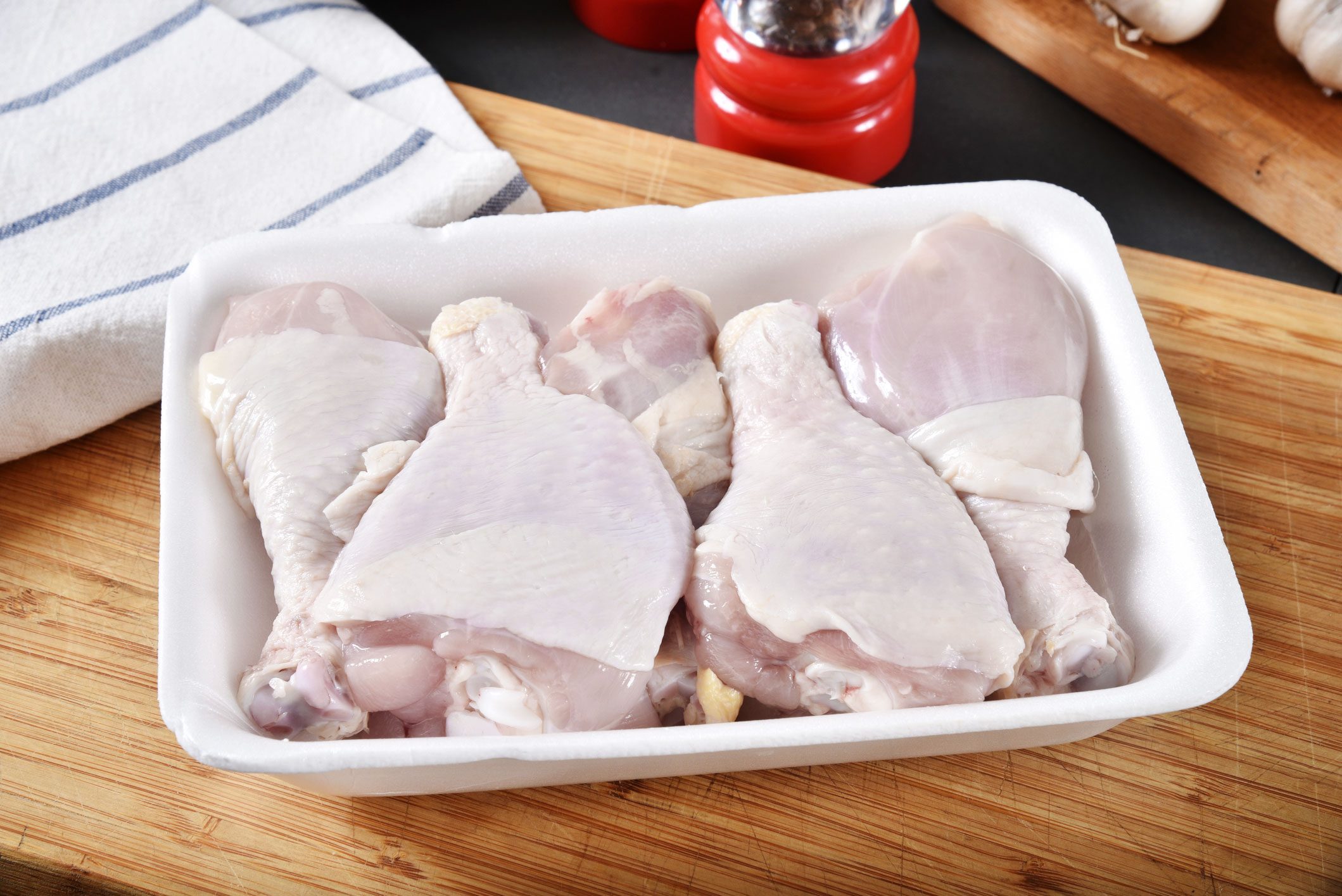
– Fresh pork chops should be light pink with small amounts of fat around the outer edge and marbling of fat throughout the meat for tenderness.
– Pork should be stored in the refrigerator for no more than 3 to 5 days after purchase.
– After cooking, refrigeration can be extended for another three days.
– Pork chops should be frozen before the “sell by” date to prevent spoilage when thawed.
– Freezing pork for more than three months should be avoided for best meat quality.
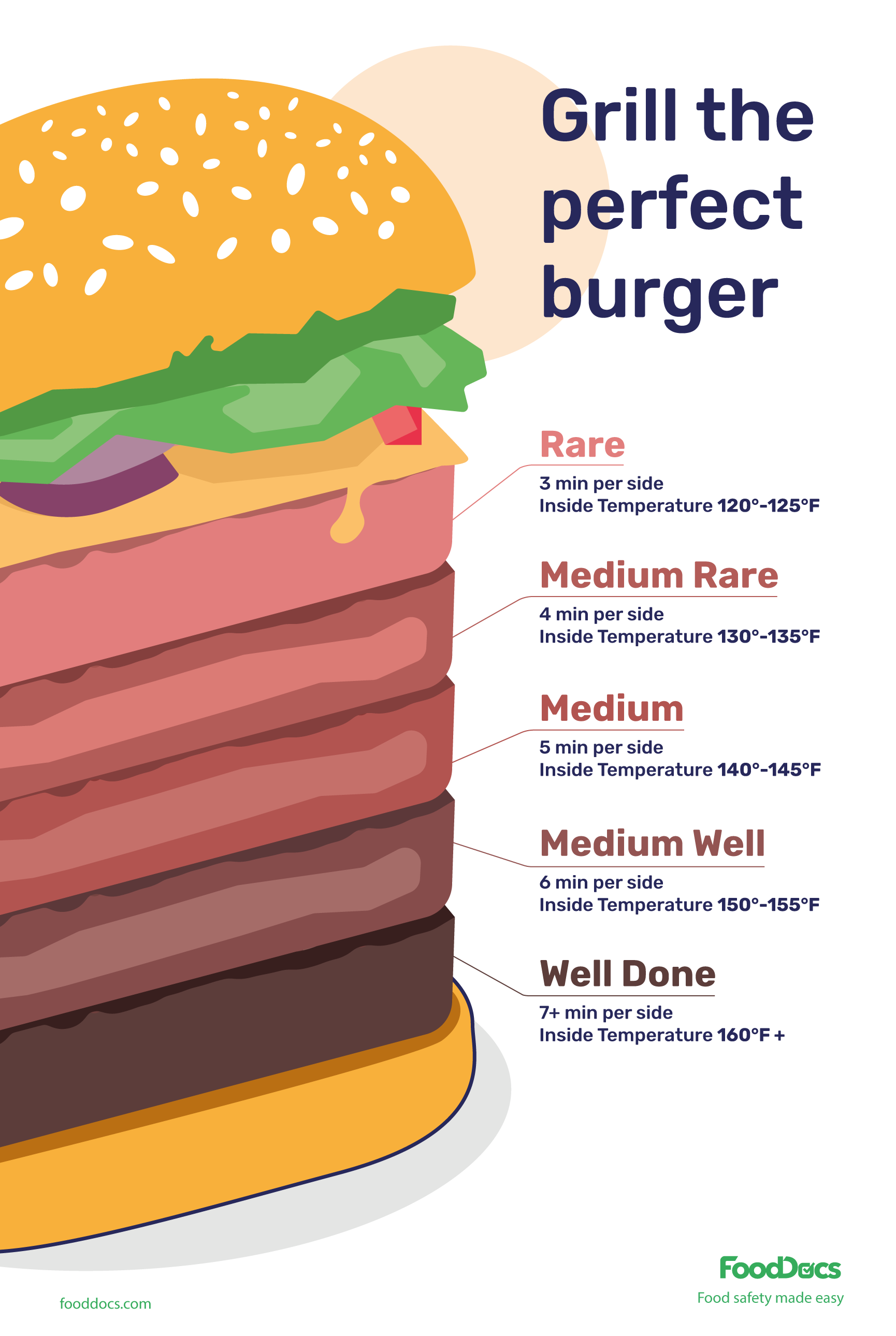
– Pork should be cooked to an internal temperature of 160 degrees Fahrenheit.

Continue Reading

Does buttermilk go bad? The definitive guide explained

– Buttermilk has a longer shelf life than fresh milk due to the abundance of lactic acid which inhibits the growth of harmful bacteria.
– The specific shelf life of buttermilk is not precise, but guidelines from agricultural programs recommend consuming it within three weeks from the date stamped on the package.
– In the test kitchen, they found that buttermilk won’t turn bad with mold growth until at least three weeks after opening.
– Buttermilk can be frozen and can be easily stored in an ice cube tray and transferred to a zipper-lock bag for future use.
– The dairy farm recommends consuming their buttermilk within five to seven days after opening.

Continue Reading

Does food coloring expire? All you need to know

– Food coloring does not expire if properly stored
– Liquid food coloring can last indefinitely if sealed tightly after each use
– Gel food coloring can harden or dry out if not stored properly
– Adding hot water may revive dried or hardened food coloring, but if color has changed, throw it away
– Liquid gel food coloring can expire if it dries out, hardens, or shows signs of contamination or mold
– Powdered food coloring can last indefinitely if stored properly and kept safe from contamination and mold
– Paste-based food coloring may dry out or change color with age
– Homemade food coloring made from natural ingredients lasts about 2 weeks in the fridge
– Store food coloring properly after each use to ensure longevity
– Moldy food coloring should be thrown away
– Liquid food coloring is best for small-batch baking and cooking, while paste or gel food coloring is more intense and suitable for larger batches
– Powdered food coloring is ideal for items that need to stay dry
– Following proper storage steps will ensure food coloring lasts long-term
– Food coloring does not become unsafe to consume, but it can lose intensity and quality over time
– Store food coloring in a cool, dry place away from sunlight
– Food coloring is an artificial color added to food and drinks to enhance appearance and natural color
– Shelf life of food coloring is almost indefinite, as it does not contain raw ingredients that can go bad
– Food coloring bottles may have expiration dates for labeling purposes, but the product can still be used after the date
– Improperly sealed food coloring may go bad due to dust and contaminants
– Changes in color and consistency can indicate that food coloring has gone bad
– Adding hot water and shaking the bottle can help restore liquid food coloring
– Homemade food coloring from natural products may have a shorter shelf life of up to 6 weeks when refrigerated
– Store-bought food coloring does not expire and can last for an extended period if stored correctly
– Properly seal food coloring in airtight containers in a cool, dark place like a pantry or fridge.

Continue Reading

Does jelly go bad? Shelf life and storage tips

– Shelf life of opened grape jelly can be maximized by keeping it refrigerated and tightly covered.
– Opened grape jelly can stay at best quality for about 1 year when continuously refrigerated.
– The expiration date on the jar is not a safety date, but an estimate of how long the jelly will remain at peak quality.
– After the best quality period, the texture, color, or flavor of the jelly may change, but it will still be safe to consume if stored properly and there are no signs of spoilage.
– If the grape jelly develops an off odor, flavor, appearance, or if mold appears, it should be discarded.
– Spoiled jelly may have a darker color, off texture, strange taste, mold growth, or if the expiration date has passed.
– Signs of spoiled jelly to look out for include separation, off-color, off odor, strange taste, and visible mold.
– Even if the expiration date has not passed, the quality and flavor of the jelly may have diminished.
– The smell of fresh jelly is sweet and fruity, so if it smells off-putting or sour, it should be discarded.
– Spoiled jelly may also have changes in texture, such as becoming runny, excessively thick, lumpy, or grainy.
– Once opened, jelly should be consumed within 6 months to a year.
– Unopened jelly can last up to a year past its expiration date.
– Homemade jelly can last for 6 to 12 months when stored in the refrigerator.
– Sugar-free jelly can last 6 to 9 months in the fridge, while low sugar jelly can last 8 to 9 months.
– Jelly can be frozen to extend its shelf life for over 12 months, but it may lose some texture and flavor quality.
– Eating expired jelly can potentially lead to an upset stomach or food poisoning, so it is best to avoid it.
– Frozen jelly should be stored in an airtight container with some headspace for expansion.
– Consuming spoiled jelly can lead to foodborne illnesses caused by harmful bacteria or mold.

Continue Reading

How Long Does Chicken Broth Last in the Fridge? Ensure Food Safety and Maximize Freshness

– Chicken broth can last 3-4 days in the fridge
– Airtight containers help extend the life of the broth
– Canned or boxed broth has a similar recommended time period of freshness as homemade broth
– High sodium content and pasteurization process may allow canned or boxed broth to last slightly longer
– If broth develops a strange smell or appearance, it should be thrown away
– Chicken broth can be frozen and stored in the fridge for up to two to three months
– Frozen broth may last longer but may also lose quality over time
– The key to extending the life of the broth is keeping it airtight
– After opening, unused broth should be stored in a sealed container in the fridge
– Chicken broth can be made in a big batch and frozen in recipe portions
– Use chicken broth within two to three months for the best taste
– Quality of chicken broth can deteriorate as it ages.

Continue Reading

Are Paper Plates Microwave Safe? A Comprehensive Guide

– Most paper plates are safe to heat up in the microwave, according to the USDA.
– However, not all paper plates are made equal, so it is important to check if they have a microwave-safe label.
– Paper plates with a decorative sheen could be coated in a thin layer of plastic, which may not react well in the microwave.
– Plain white paper plates are generally the safest option, while printed or glossy materials should be avoided.
– Other paper products like napkins, towels, and parchment paper are also safe to heat in the microwave.
– It is advised to steer clear of paper products like newspaper or brown paper bags, especially if there is any metal involved.

Continue Reading

How Long Is Ground Turkey Good in the Fridge? Essential Storage Tips to Ensure Freshness

– Ground turkey typically lasts in the fridge for 2 to 3 days past its use-by date.
– Cooked ground turkey can last up to 4 days in the fridge.
– Frozen ground turkey remains safe to eat indefinitely if stored properly, but it’s recommended to thaw and cook it within 4 months of freezing.
– Fresh ground turkey should be stored in the original packaging or an airtight container in the fridge below 40°F.
– Leaving ground turkey at room temperature for over 2 hours between 40°F and 140°F is unsafe.
– Thawed ground turkey can last an extra day or two if thawed in the fridge.
– Thawing in the microwave is the fastest method but requires immediate cooking.
– Thawing in cold water takes about 30 minutes and should also be cooked immediately.
– Spoiled ground turkey can cause health problems such as food poisoning.
– The smell of the meat can indicate if it has gone bad.
– Changes in color, such as turning grey or the presence of green or blue spots, indicate that the turkey has gone moldy.
– Checking the texture by poking the turkey and feeling for stickiness or sliminess can also help determine its safety.
– Ground turkey is safe to eat for up to four days in the fridge.
– Ground beef can last up to six days in the fridge.
– Storing ground turkey on the bottom shelf and in the coldest part of the fridge can help prolong its shelf life.
– Keeping the fridge temperature below 40°F is important to slow down bacteria growth.
– Leaving ground turkey in its original sealed packaging or placing it in a plastic produce bag can reduce cross-contamination.
– Ground turkey should be stored in an airtight container or wrapped tightly with food-grade plastic wrap if it won’t be used within a day or two.
– Signs that ground turkey has gone bad include an unpleasant odor and changes in appearance, such as discoloration or sliminess.
– Ground turkey should be light pink or beige; the color becomes dull over time.
– Ground turkey with brown, gray, yellow, or green color should be discarded.
– Visible mold on ground turkey means it should be thrown away.
– If the ground turkey feels slimy, sticky, or dry, it should be discarded.
– Off-flavor in cooked ground turkey indicates spoilage, and it’s better to spit it out.
– Eating spoiled ground turkey may cause foodborne illness with symptoms like vomiting, nausea, and diarrhea.
– Proper storage is important to prevent ground turkey from going bad quickly.
– Ground turkey should be stored in the freezer if not used within a day or two and consumed within three to four months.
– Discoloration, foul smell, or slimy appearance indicates ground turkey is not safe to consume.

Continue Reading