Are Quest Bars Healthy? The Facts and Myths Explored

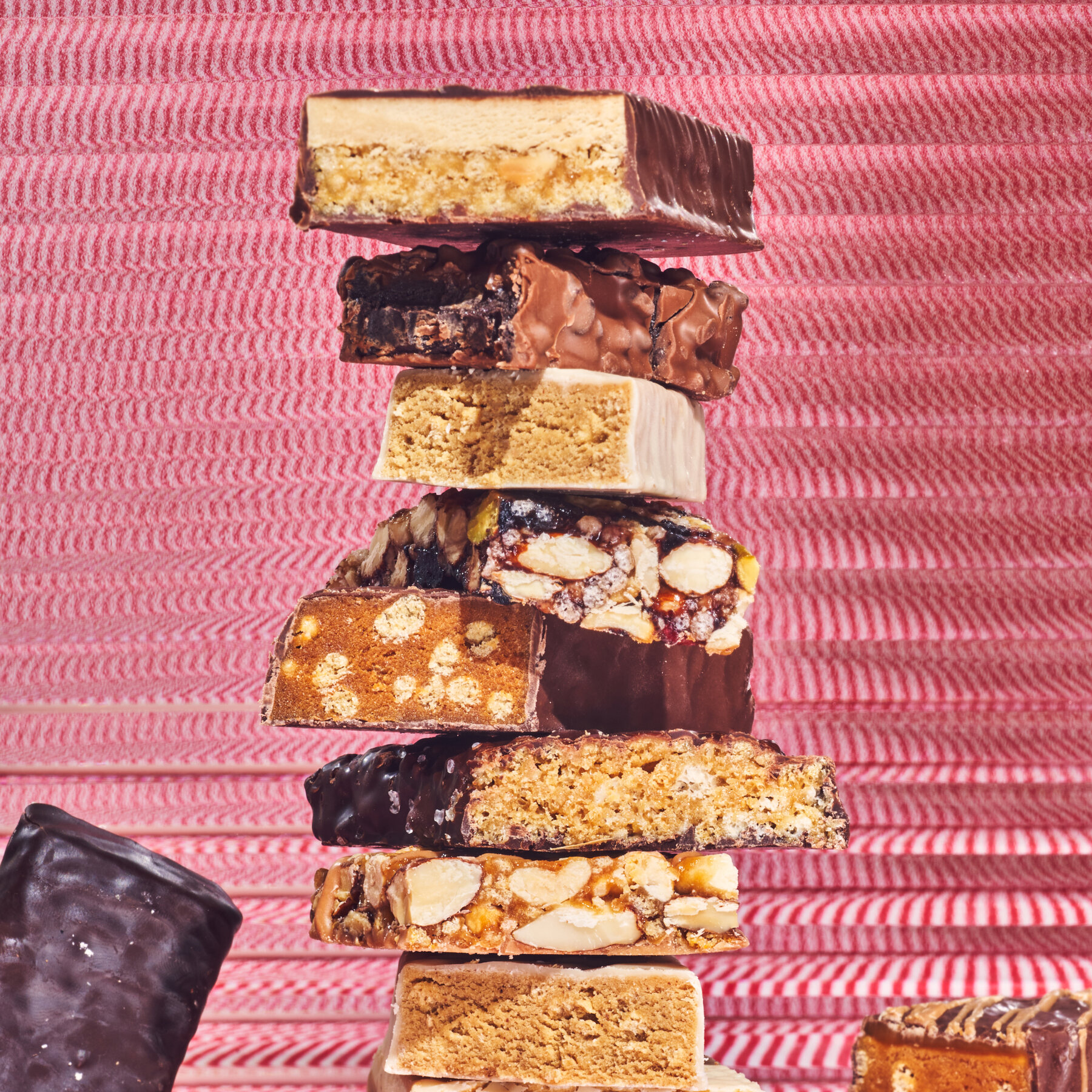
– Quest Bars are protein bars that have gained popularity as a healthy on-the-go snack.
– They have a high amount of protein and fiber, with only 1 gram of sugar.
– The protein blend in Quest Bars is derived from whey protein isolate and milk protein isolate, which are not natural sources of protein and can cause digestion issues.
– The ingredient isomalto-oligosaccharides (IMO) is added to Quest Bars after a lengthy processing method and is harder for the body to digest.
– Sucralose, an artificial sweetener, is also used in Quest Bars.
– Studies have found that sucralose increases the chances of cancer and digestive diseases.
– While Quest Bars can be tasty and convenient, there are healthier options available for a nutritious on-the-go snack.

Continue Reading

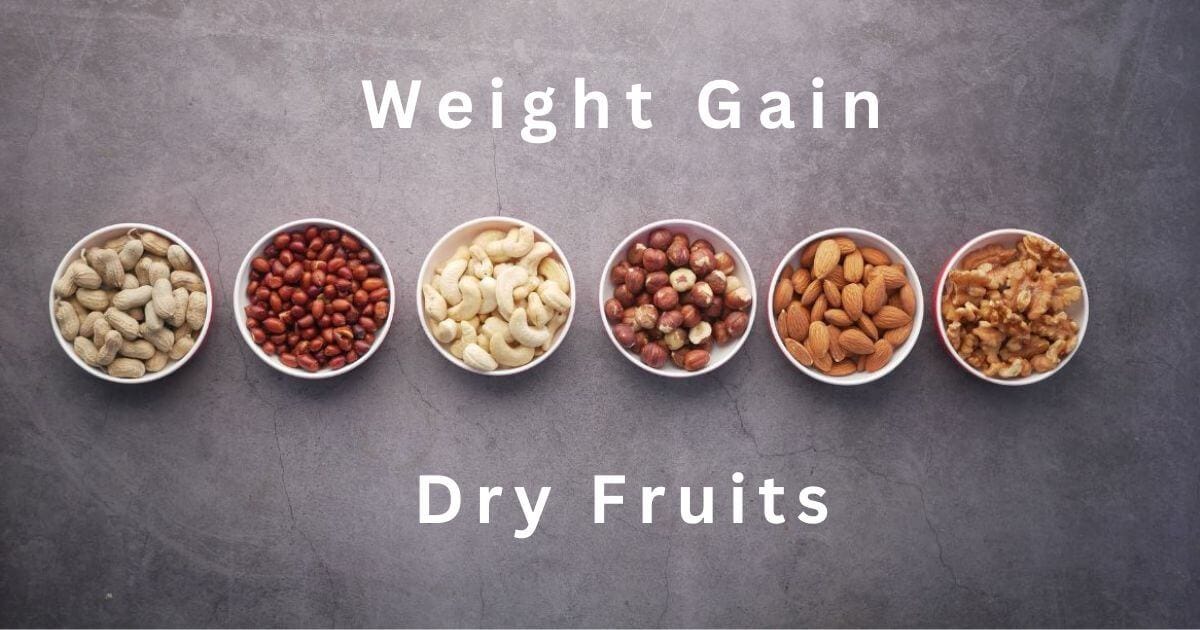
The Best Dried Fruit: A Nutritional Powerhouse!

– Traina Foods offers tips on finding the healthiest varieties of dried fruit
– Dates have become popular due to vegan and paleo diets that restrict refined and artificial sugars
– Dried apples, peaches, cranberries, and apricots have lower calorie counts per serving
– It’s important to pay attention to serving sizes when enjoying dried fruit, as it is easy to overeat them
– Dried fruits tend to be high in fiber, which helps keep the body feeling fuller longer
– Figs, dates, prunes, and apricots are some of the most fiber-rich dried fruits
– Traina Foods offers a variety of individual packages and blends of dried fruit for various uses
– Apricots are a good source of vitamins E and A, copper, potassium, and dietary fiber
– Prunes have a laxative effect and are rich in potassium, vitamin B6, and antioxidants
– Raisins are potassium- and antioxidant-rich and can lower the risk of heart disease and type 2 diabetes
– Dates are sweet and contain condensed sugars
– It’s important to choose unsweetened dried fruit options and be aware that drying fruits can cause loss of certain vitamins, like vitamin C
– Dried fruits such as dates and cranberries are often used as a sugar substitute in vegetarian and vegan recipes
– Dried dates have a shelf life of a year or longer and come in golden or reddish hues
– They are high in antioxidants, vitamins, and fiber, and can help maintain a healthy immune system
– Unsweetened dried cranberries are difficult to find, but can still be a healthy choice when eaten in moderation
– They can be enjoyed as a snack or added to salads, cereal, or oats.

Continue Reading

Yogurt and Granola: The Health Benefits Unveiled!

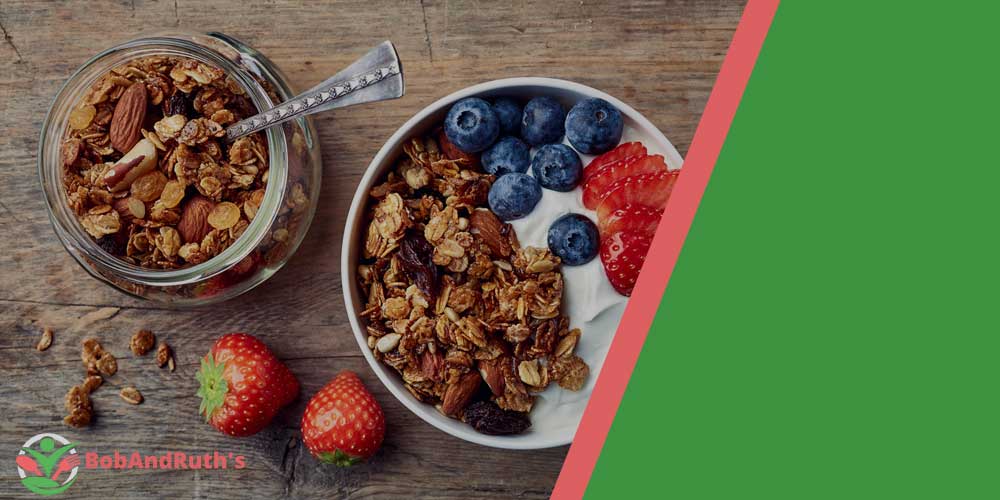
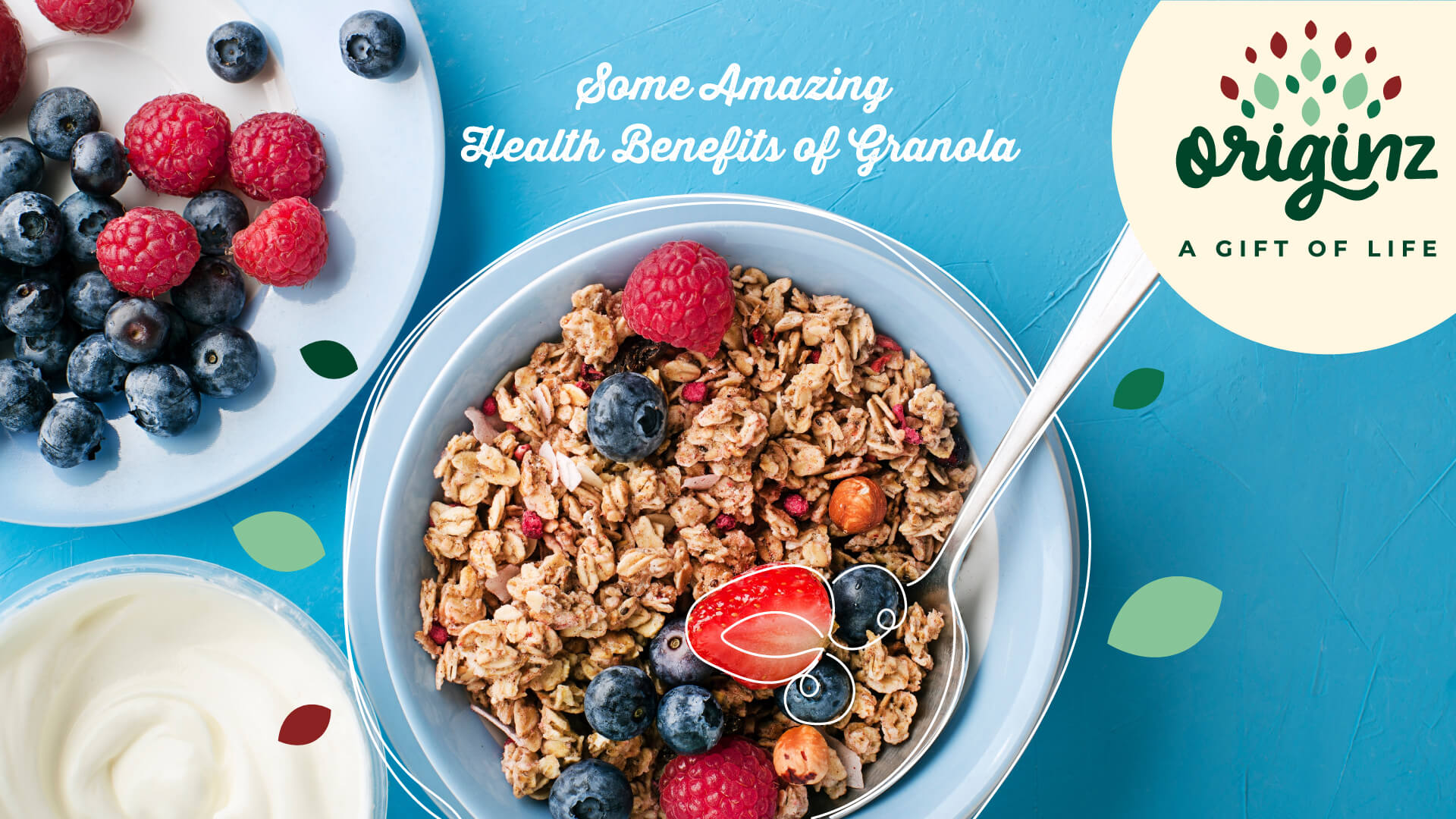
– Yogurt with granola is a quick and easy meal option for breakfast or snack.
– You can customize your bowl with toppings like honey, agave, fruit, hemp seeds, and chia seeds.
– The ingredients needed are your favorite yogurt, homemade granola, and various toppings.
– Foragers Cashewmilk Yogurt is recommended as a dairy-free, soy-free, organic, and vegan option.
– Homemade granola is considered healthier and tastier than store-bought granola.
– Different options for homemade granola include healthy chocolate, grain-free, protein-packed, and honey almond flavors.
– The article provides suggestions for creating yogurt bowls with granola.
– It mentions five different options for yogurt and granola bowl combinations: almond butter and raspberry jam, sweet apricot, antioxidant chocolate banana, grain-free super-seed, and protein-packed.
– it gives tips for making the best yogurt bowl, such as pre-washing fruit and using homemade or store-bought granola.
– The article answers common questions about the healthiness of yogurt with granola and suggests other ways to enjoy granola.
– This article is about a Greek Yogurt with Granola snack.
– The snack is made with real Greek yogurt, crunchy granola, and a touch of honey for sweetness.
– The Greek yogurt provides a creamy texture and the granola adds crunch.
– It is a high-protein snack that can be eaten on the go.
– The recipe can be customized by using different flavors of yogurt, fruits, and nuts.
– The yogurt parfait can be made ahead of time and can last up to 3 days in the refrigerator.
– It is a healthy breakfast option, with one serving containing around 250-350 calories.
– Various nuts and seeds can be added as toppings.
– The article discusses making yogurt and granola parfaits for breakfast.
– it suggests using flavored or sweetened yogurt and using honey, maple syrup, or agave as a sweetener.
– It recommends adding peanut butter or almond butter for flavor and chocolate chips for a touch of chocolate.
– It mentions that Greek yogurt works best but regular yogurt can also be used.
– The article advises refrigerating the parfaits and consuming them within 3 days.
– It suggests topping the yogurt with fruit, chia seeds, and sliced almonds.
– The article also provides related recipes for a chocolate peanut butter smoothie, make-ahead breakfast recipes, and an overnight eggs benedict casserole.
– It suggests serving the parfaits with homemade granola, air fryer hard-boiled eggs, or baked French toast with strawberry jam.
– The article encourages readers to subscribe to the author’s YouTube channel and leave a rating for the recipe.

Continue Reading

Kernel less popcorn: How air popped corn pops

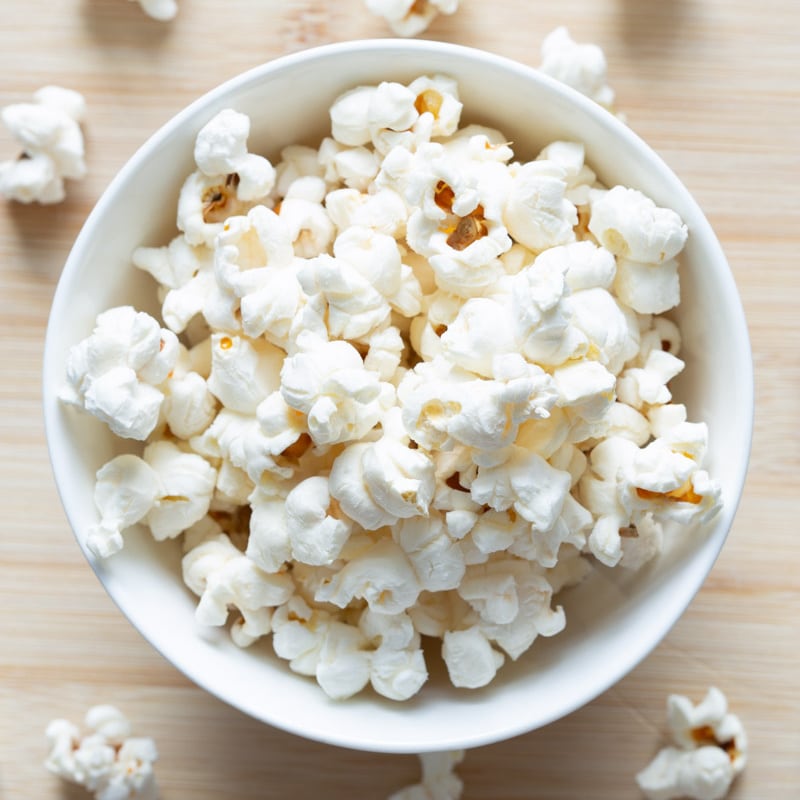
– Kernel-less popcorn refers to popcorn varieties with less prominent hulls, making it easier to consume without getting stuck in your teeth.
– Hulless popcorn is not completely hull-less, as all popcorn kernels have hulls, but some varieties have thinner hulls that dissolve more easily.
– Varieties marketed as hull-less or kernel-less include Lady Finger, Baby White/Yellow/Blue, Gourmet Red/White, and Autumn Blaze.
– Hull-less popcorn can be found at regular grocery stores and online retailers like Amazon.
– Pre-popped hull-less popcorn options are available from brands like Black Jewell, Gourmet White, and Utz.
– To remove unpopped kernels and hull pieces from regular popcorn, you can use a cooling rack and shake it over a bowl.
– Switching to hull-less popcorn may result in a slightly less tender and airy texture.
– Popcorn salt is recommended for better seasoning distribution on smaller-sized kernels of hull-less popcorn.
– Hull-less popcorn may not be completely “kernel-less,” so always check the label for the type of popcorn.

Continue Reading

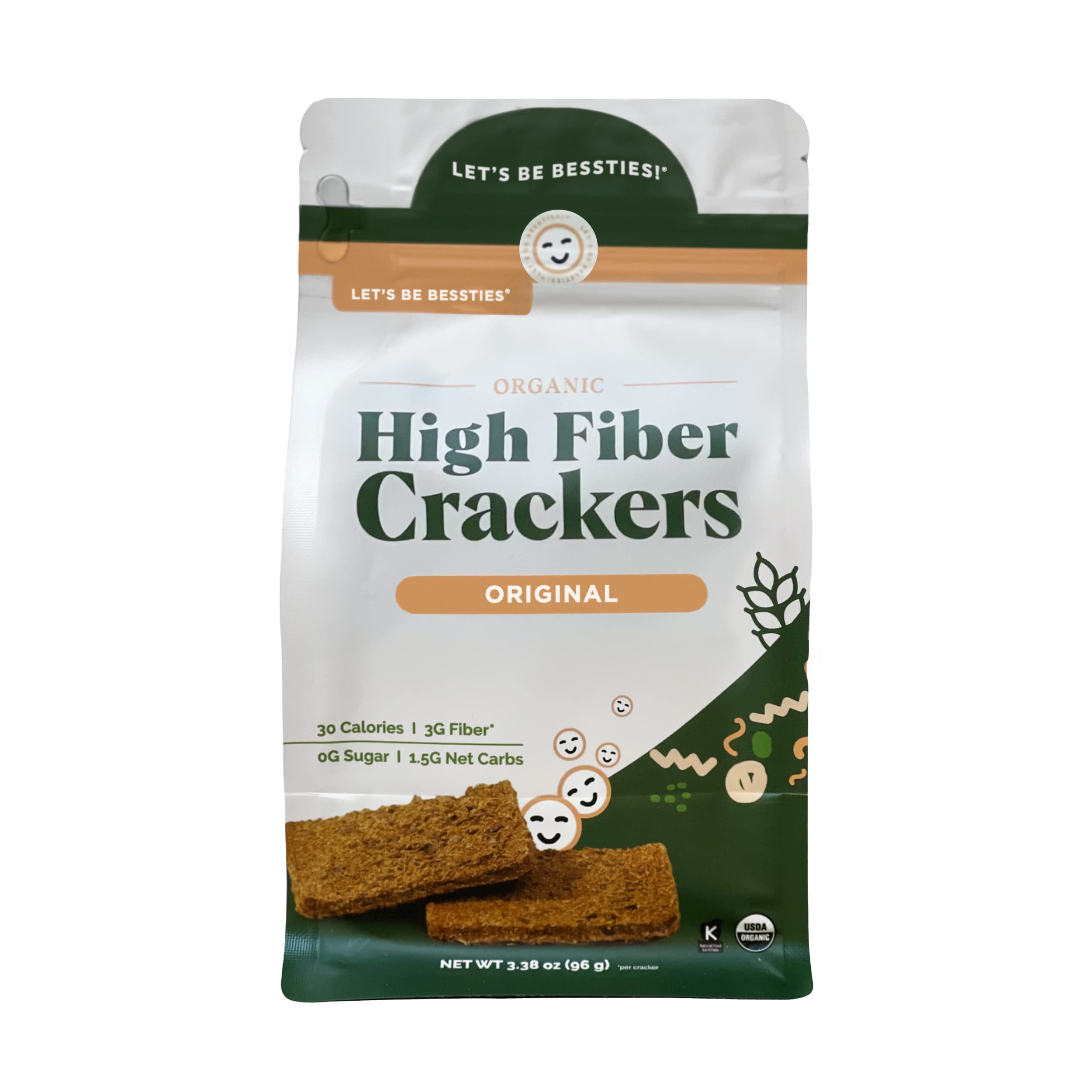
Discover the Benefits of High Fiber Crackers: A Healthier Snacking Option for You

1. Way Better Snacks Simply So Sweet Chili Tortilla Chips
2. Nabisco Triscuit Fire Roasted Tomato & Olive Oil Crackers
3. Off The Eaten Path Chickpea Veggie Crisps
4. Triscuit Original Crackers
5. Raw Food Central Curt’s Classic Flax Crackers
6. Flackers Organic Flax Seed Crackers
7. Flackers Organic Cinnamon & Currant Flax Seed Crackers
8. Foods Alive Original Flax Crackers
9. Classic Hummus & Crackers Cup Good & Gather
10. Taza Dark Bark Chocolate Snacking Thins
11. Tasty Brand High Fiber Crackers
12. Taza Chocolate Dark Bark Snacking Thins with Toasted Coconut
13. Foods Alive Maple Cinnamon Flax Crackers

Continue Reading

Discover the Delicious World of Vegan Crackers: A Healthy Snack Option

– Some crackers may not be suitable for a vegan diet as they often contain dairy products to enhance flavor, color, and texture.
– Dairy-based seasonings, such as cheese, onion, nacho, ranch, sour cream, and barbecue, are frequently used in crackers.
– However, there are many vegan cracker brands available, or at least some vegan flavors within certain brands.
– It is important to check the sodium content of pre-packaged crackers, as they often have high sodium levels.
– Savory snacks, including crackers, contribute to about 40% of the sodium consumed by Americans.
– To maintain a balanced diet, sodium intake should be kept below the daily value level of 20%.
– Some crackers may contain trace amounts of dairy in their seasoning blends, specifically from whey solids, so it is important to check the ingredient label.
– Added sugar is commonly found in pre-packaged foods, including vegan crackers. The American Heart Association recommends a limit of around 6-9 teaspoons of added sugar per day.
– Saturated fat, which can be high in pre-packaged foods like crackers, should be consumed in moderation. The Dietary Guidelines for Americans recommend consuming less than 10% of daily calories from saturated fat.
– Some top picks for vegan crackers include Doctor In The Kitchen – Organic Flax Seed Crackers, Flackers Organic – Cinnamon & Currant Flax Seed Crackers, Mary’s Gone Crackers Herb, and Mary’s Gone Crackers Organic Everything Super Seed. These crackers have high nutritional value, little to no processing, and low carbon and water footprints. They also have low saturated fat and added sugar content.
– Lundberg Family Farms – Organic Lightly Salted Wild Rice Cakes: Nutritional value: Certified Vegan, 1g of saturated fat, 219mg of sodium, and 0g of added sugar per serving. Processing: Unprocessed or minimally processed. Ingredients: Organic Whole Grain Brown Rice, Organic Wild Rice, Sea Salt. GreenScore®: 5.0 stars (5 reviews), contains dietary fiber (4% DV).
– Simple Mills – Cracked Black Pepper Almond Flour Crackers: Nutritional value: Certified Vegan, 0g of saturated fat, 25mg of sodium, and 0g of added sugar per serving. Processing: Unprocessed or minimally processed. Ingredients: Nut and Seed Flour Blend (Almonds, Sunflower Seeds, Flax Seeds). GreenScore®: 79/100, contains dietary fiber (not specified).
– Majans Snack Nibbles – Bhuja Cracker Mix: Nutritional value: Certified Vegan, 0g of saturated fat, 180mg of sodium, and 0g of added sugar per serving. Processing: Moderately processed. Ingredients: Multigrain Noodles (Yellow Peas, Chick Peas, Sunflower Oil, Rice, Potato, Tapioca, Sesame, Salt, Cumin), Rice Crackers (Rice, Soy Sauce, Cane Sugar, Tapioca, Sesame, Seaweeds, Chilli), Green Peas, Peanuts, Chick Peas, Sultanas, Sunflower Oil, Salt, Spices (Turmeric, Chillies, Paprika), Maltodextrin, Cane Sugar, Vegetable Powder. GreenScore®: 82/100, contains dietary fiber (7% DV).
– Crunchmaster – Sea Salt Protein Snack Crackers: Nutritional value: 0g of saturated fat, 170mg of sodium, and 1g of added sugar per serving. Processing: Moderately processed. Ingredients: Brown rice flour, garbanzo flour, brown rice protein, sesame seeds, potato starch, safflower oil, sea salt. GreenScore®: 77/100, contains dietary fiber (7% DV).
– Real Food From The Ground Up – Cauliflower Crackers Sea Salt: Nutritional value: 0g of saturated fat, 170mg of sodium, and 0g of added sugar per serving. Processing: Moderately processed. Ingredients: Cauliflower flour, wholegrain rice flour, cassava flour, potato starch, rice flour, potato flakes, cassava starch, rspo palm oil, salt, sugar, baking powder, rice fibers, sunflower lecithin. GreenScore®: Not specified.
– Nabisco’s Premium Saltine Crackers and Christie’s Premium Plus Crackers in Canada are vegan-friendly, certified by PETA. Sunshine Krispy Saltine Crackers and Keebler Saltine Crackers, produced by Kellogg’s, are also vegan. All of these brands have similar ingredients, including enriched flour, soybean oil, salt, and baking soda. There are also variations like unsalted and whole wheat options available.

Continue Reading

Are Lunchables Healthy? Everything You Need to Know

List of Pertinent Information on the Healthiness of Lunchables:

1. Lunchables are considered bad for one’s health.
2. The article rates Lunchables with a grade of F, indicating they are harmful.
3. Lunchables are highly processed and nutrient poor.
4. Lunchables come in various varieties such as crackers, hot dogs, pizzas, nachos, burgers, and subs.
5. They often include high-fructose drinks and desserts with GMO corn syrups.
6. The creator of Lunchables does not feed them to his children.
7. Lunchables have very low nutritional value and contain unhealthy substances.
8. Harmful ingredients in Lunchables include HFCS, artificial colors/flavors, modified cornstarch, nitrates, cellulose powder, and mechanically separated meat.
9. Short-term side effects of consuming Lunchables can include headaches, nausea, irritability, tiredness, heartburn, diarrhea, and muscle spasms.
10. Possible long-term side effects may include increased blood pressure, cholesterol, neurological issues, cardiac arrest, cell damage, inflammation, reproductive system complications, cancer, stroke, and diabetes.
11. Lunchables are convenient, ready-to-eat, and cost-effective despite their negative effects.
12. Lunchables contain saturated and trans fats, which can increase the risk of heart attacks and stroke.
13. Palm oil, used in Lunchables, has a similar saturated fat level as coconut oil and can have detrimental effects on the environment and wildlife.
14. The article advises avoiding palm oil unless the sourcing is known to be ethical.

Continue Reading