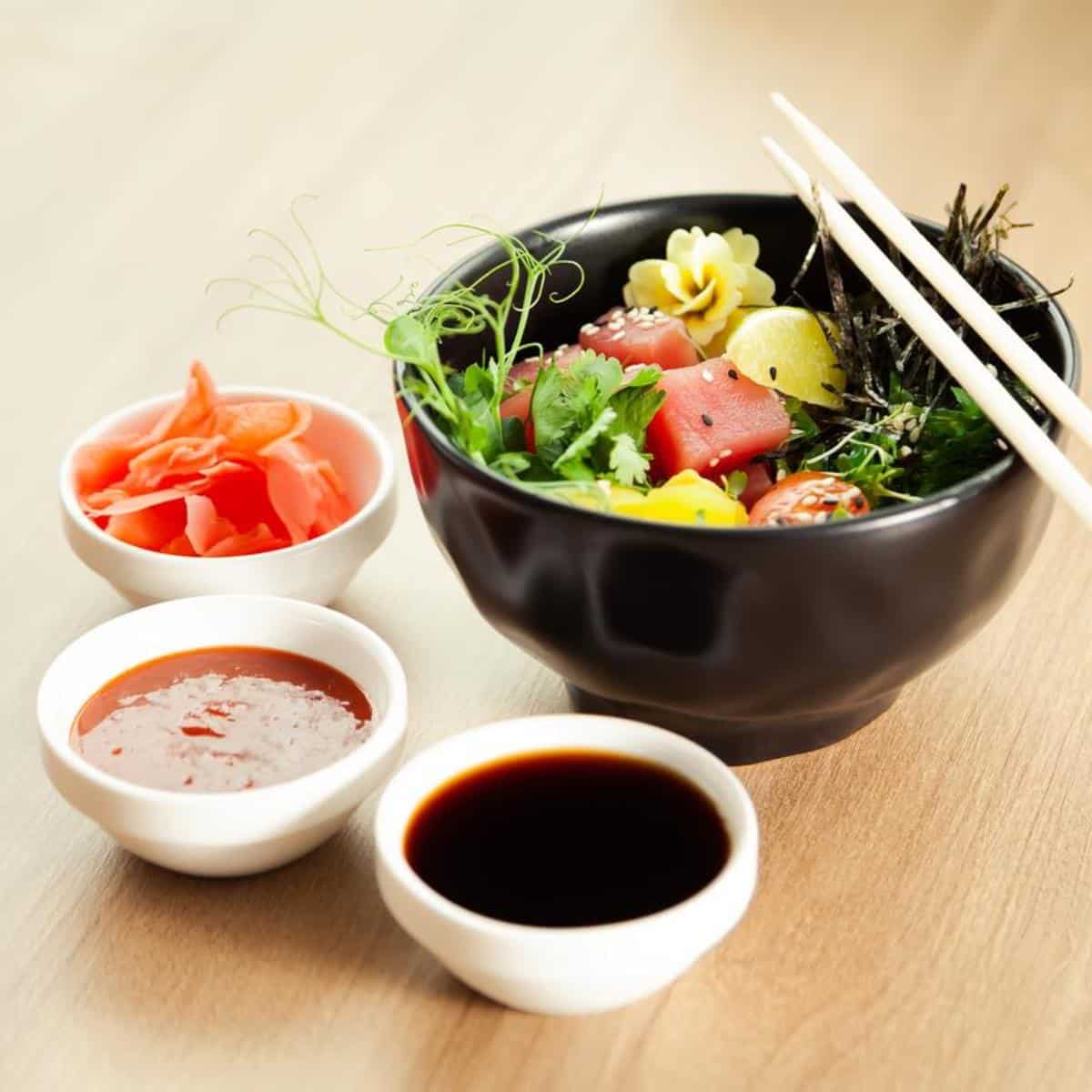
The Fascinating Origin and Culinary Uses of Red Tobiko

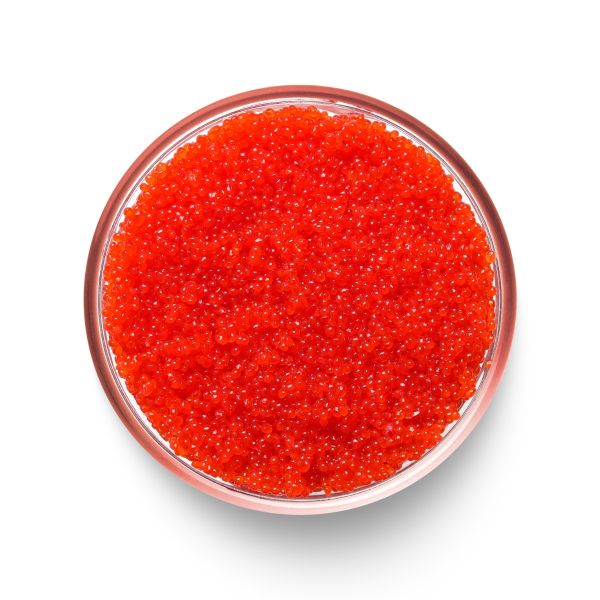
– Red tobiko
– Flying fish roe
– Garnish for sushi and sashimi
– Popular ingredient in Japanese cuisine
– Processed in Japan under the Tobikko® brand
– Adds flavor and texture to dishes
– Attractive on raw oysters
– Ingredients include flying fish roe from Indonesia and China
– Herring roe from Scotland
– High fructose corn syrup
– Gluten-free soy sauce
– Salt
– Monosodium glutamate
– FD&C Red #40
– Red tobiko caviar
– Topping on sushi makis and nigiris
– Made from flying fish roe
– Tinted red with beet
– Intense hue
– Can be used to make sushi at home
– Can be used to garnish appetizers and hors d’oeuvres.

Continue Reading

Sashimi Knife: A Masterful Tool for Perfecting Japanese Cuisine

1. Yanagiba: This knife has a slim blade in the shape of a willow leaf or Katana (sword). It is long and narrow, making it suitable for slicing tasks, especially for preparing fresh and visually appealing raw fishes (sashimi). It is popular in Western Japan.
2. Takohiki: This knife has a square shape with a longer blade. It is designed for the same purpose as Yanagiba, but not for slicing octopus. The edge line of Takohiki is almost straight, whereas Yanagiba’s edge line is more curved towards the tip. It was popular in Eastern Japan.
3. Fuguhiki: This knife was originally designed for cutting and slicing Blowfish Sashimi (Tessa). Its blade shape is similar to Yanagiba but has a narrower width and thinner blade. It is suitable for thinner cutting and slicing tasks.
4. Yoshihiro Shiroko sashimi chef knife: Handcrafted by Japanese artisans, made from high-carbon steel, with a hardness of 62 to 63 HRC. It has a concave grid and a flat rim, allowing it to slice through fish without damaging its surface and cells. Comes with a wooden sheath and a D-shaped handle made from magnolia or rosewood.
5. Cangshan X-7 sashimi chef knife: Forged from 67 layers of Japanese VG-Damascus high-carbon steel. Went through an ultra-6 heat treatment for toughness and wear resistance. Comes in 10-inch and 12-inch variants, with a 5.5-inch African blackwood handle and walnut Saya-style sheath. Excellent edge strength and retention. NSF International Certified.
6. Lucky Cook sashimi sushi knife: Made from high-carbon steel, 10-inch blade with a right-sided bevel for smooth slices. Non-slip wooden handle with an ergonomic grip. Considered a good choice for beginners.
7. Factors to consider when buying a sashimi knife: Sharpness, edge retention, blade length, material (such as Damascus Steel, VG-Max Steel, VG-10 Steel), handle quality (wooden handles).
8. Recommendation: Yoshihiro Shiroko Sashimi Chef Knife for its sharpness, wear resistance, durability, and ergonomic design.
9. Use of high-carbon steel in sashimi knives instead of stainless steel.

Continue Reading

One Pot Shabu Shabu: A Healthier and Flavorful Japanese Hot Pot Experience!

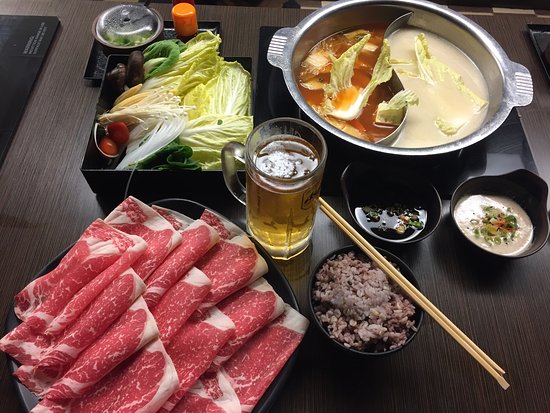
– One Pot Shabu Shabu restaurant
– Authentic shabu shabu dining
– Silicon Valley
– Cupertino
– New Apple headquarters
– 6 unique broths
– In-house developed broths
– Daily-prepared broths
– Assorted vegetable plates
– Hand-washed vegetables
– High standards for meat selection
– Hand-selected meat
– Evolving menu and offerings
– Fresh ingredients
– Shabu shabu dishes
– “One pot shabu shabu” dish
– Assorted vegetables
– Vegetable melody
– Homemade sesame sauce (Gomadare)
– Ponzu (citrus and soy sauce mix)
– Choice of steam rice or mixed grain rice
– All-natural meat
– Vegetarian diet
– No growth hormones
– No antibiotics

Continue Reading

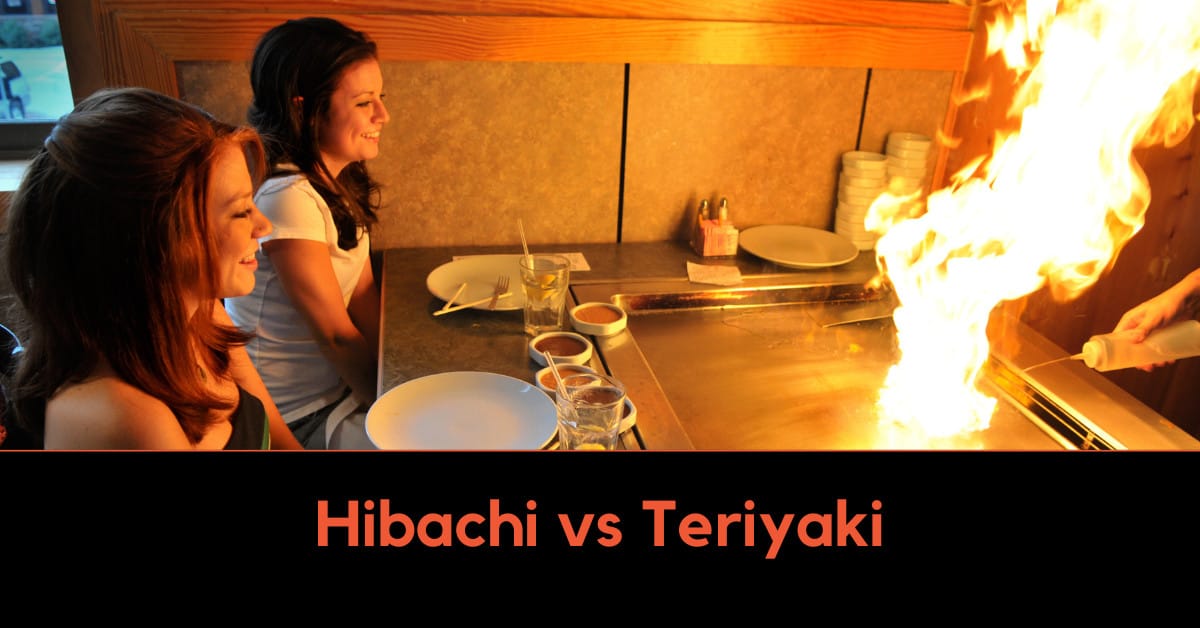
Hibachi vs Teriyaki: Unraveling the Signature Flavors

– The difference between hibachi and teriyaki
– Hibachi refers to both the grill type and the Japanese dishes made on it
– Teriyaki refers only to the style of the dish
– Hibachi is a traditional Japanese heater used for burning charcoal or wood
– Hibachi can be a portable or built-in grill in the United States
– Hibachi cooking tips include preheating the grill, using a timer, and checking internal meat temperature
– Hibachi-style dishes consist of thinly sliced meat, seafood, or poultry, vegetables, cooked rice, and soy sauce
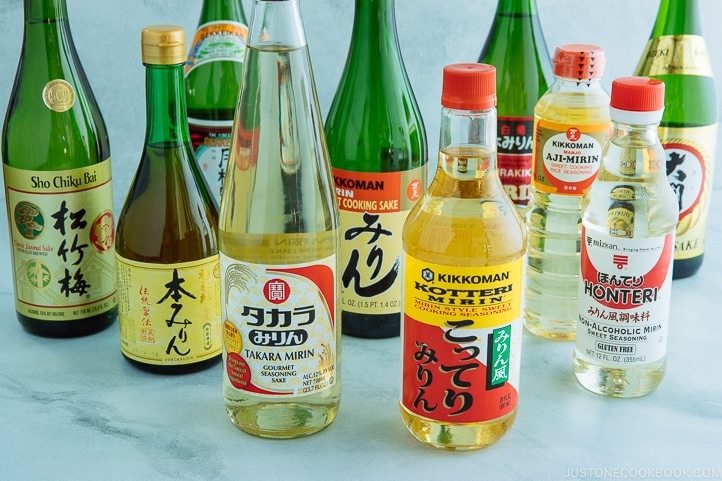
– Teriyaki-style dishes use a thin glaze made from soy sauce, sake, mirin, sugar, and optional spices
– Teriyaki involves marinating and grilling meat or fish with the teriyaki sauce for a glossy finish
– Both hibachi and teriyaki dishes are cooked in a similar method, with the key difference being the sauce used

Continue Reading

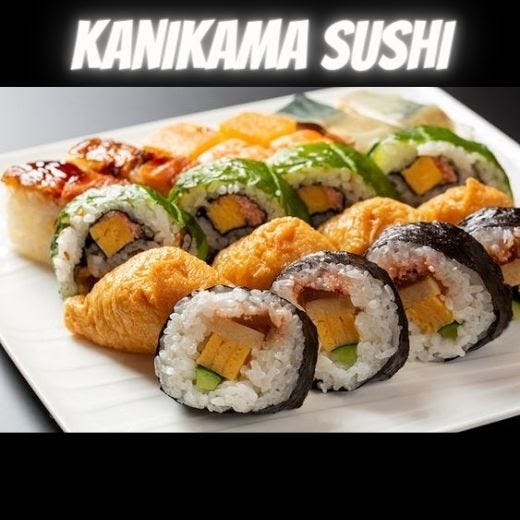
What is Kani in Sushi? Discover the Delightful Secrets

What is kani in sushi?

Kani is a Japanese word meaning “crab,” but it does not contain any real crab. It is an imitation crab meat made with whitefish (mainly Alaskan Pollock), wheat flour, egg whites, salt, seasonings, and crab flavorings. Red food dye is used to give it the appearance of real crab. Kani is also known as Kanikama, Surimi, Imitation Crab, Crab Sticks, or Ocean Sticks. It comes in different forms such as crab sticks, flakes or chunks, and shredded. It can be used in various recipes like sushi rolls, soups, dips, ceviche, salads, and crab cakes.

You can buy Kani at local grocery stores or Asian markets. It is low in fat and calories and a good source of protein, vitamins, and minerals. However, real crab is higher in protein, omega-3 fats, and other vitamins. Imitation crab is not gluten-free due to the wheat flour filler. Leftovers can be stored in the refrigerator for up to one week or in the freezer for up to three months. Overall, Kani is a cheaper and flavorful alternative to real crab.

Unfortunately, the given text does not provide any information about kani in sushi or any relevant facts, stats, or figures.

Continue Reading

Discover a Delicious Ponzu Sauce Substitute for Any Dish

– The best substitute for ponzu sauce is soy sauce, as it is a key ingredient in many ponzu sauce recipes and provides a similar flavor.
– Sometimes a substitute for ponzu sauce is needed if someone prefers a different taste or if it is difficult to find.
– One way to approximate the experience of ponzu sauce using soy sauce is to add a dash of vinegar.
– Lemon juice is suggested as an alternative acid, which also adds a fresh aroma.
– Shoyu is mentioned as a widely used component of ponzu sauce and a good substitute.
– Making homemade ponzu sauce with ingredients such as rice vinegar, mirin, lemon/lime/orange juice, kombu, and bonito flakes can provide an authentic Japanese experience.
– Lemon and grapefruit juice can be used as alternative substitutes for ponzu sauce.
– Worcestershire sauce is a close substitute for ponzu sauce as it has a similar taste profile.
– It provides a similar balance of bitterness, sweetness, acidity, and umami.
– Worcestershire sauce is available in a similar glass bottle to ponzu sauce.
– Citrus is a main ingredient in ponzu sauce.
– Vinegar is a critical component of ponzu sauce and provides acidity to dishes.
– Reasons to substitute ponzu sauce include personal preference for a different taste and difficulty finding authentic ponzu.
– Soy sauce is versatile and can complement similar types of food as ponzu.
– Soy sauce can be combined with vinegar to approximate the acidity of ponzu sauce.
– Homemade ponzu sauce is also mentioned, with key ingredients such as rice vinegar, mirin, lemon/lime/orange juice, kombu, and bonito flakes.
– Some recipes may also include sake for a balanced wine flavor.
– Yuzu is traditionally used as the citrus component in ponzu sauce, but lemon, lime, or orange juice can be used as substitutes.
– The article discusses a substitute for ponzu sauce and suggests Worcestershire sauce as the closest alternative.
– Worcestershire sauce is said to have a similar taste to ponzu sauce, although it is made from different ingredients.
– Worcestershire sauce was invented in Worcestershire, England in the 19th century.
– It is described as a great substitute for ponzu sauce, particularly for use as a dressing or dip.

Continue Reading