Sushi vs Sashimi: Exploring Differences, Origins, and Cultural Significance

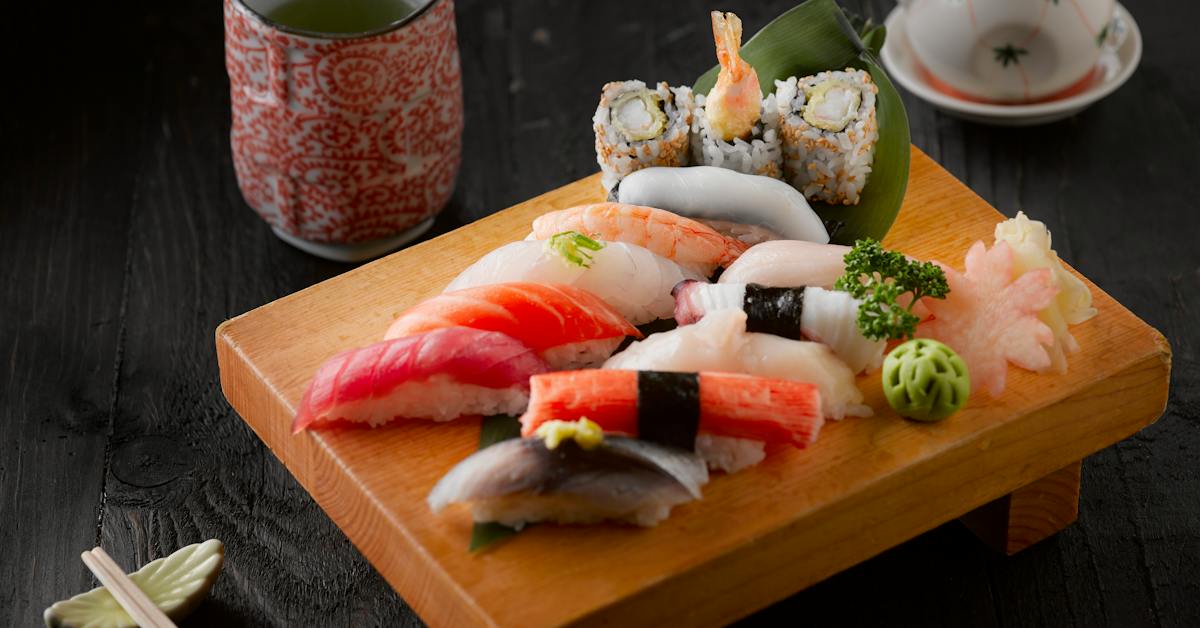
– Sushi is made with vinegared rice combined with fresh ingredients like veggies or fish, wrapped in seaweed, and cut into small pieces.
– Sashimi consists of thinly sliced raw meat or fish and is not served with rice or sauces.
– Sushi is higher in carbs and fiber due to the rice, seaweed, and vegetables.
– Sashimi is a better source of protein and heart-healthy fats.
– A 3.5 ounce (100 grams) serving of California sushi roll contains 93 calories, 3 grams of protein, 1 gram of fat, 18.5 grams of carbs, and 1 gram of fiber.
– A 3.5 ounce (100 grams) serving of smoked salmon sashimi contains 179 calories, 21.5 grams of protein, 11 grams of fat, 0 grams of carbs, and 0 grams of fiber.
– Sashimi is higher in protein and omega-3 fats.
– Sashimi is served without rice or other accompaniments.
– Sushi is high in refined carbs and sodium, which can raise blood sugar and blood pressure levels for some people.
– Sashimi and many types of sushi contain raw fish, which can increase the risk of foodborne illness due to potential contamination with parasites and bacteria.
– Pregnant people, young children, and older adults are advised to avoid raw fish.
– Certain types of fish in sushi may contain high levels of heavy metals like mercury, which can have negative health effects.
– Sashimi may support appetite control and decrease food cravings.
– Sushi is more versatile and fits more dietary patterns than sashimi.

Continue Reading

What Does Eel Taste Like? A Dive into Flavor Profiles of Eel Dishes

– Eels have a sweet taste and are often compared to salmon, lobster, octopus, catfish, or chicken.
– Eel can be affected by how it is cooked and the amount of spices used.
– The texture of eel depends on how it is cooked, with deep frying making the meat crisp and crunchy and boiling making it soft.
– Freshwater eels are softer in texture compared to saltwater eels.
– Smoked eel tastes similar to other smoked fish and is categorized as oily fish.
– Smoked eel is high in omega-3s and antioxidants.
– Eel sauce can have different flavors such as sweet, salty, or smoky.
– Electric eels are not true eels, but are classified as carps and catfishes.
– Electric eels can generate up to 600V of electricity and are efficient predators.
– Different kinds of edible eels include jellied eel, unagi, kabayaki, and Jangeo-gui (grilled freshwater eels).
– Pregnant women can eat eels in moderation and may benefit from their high vitamin and protein content.
– Eels are considered a delicacy in different cultures and have a mild and soft taste.
– Freshwater eels have a soft to medium-firm texture and taste like a combination of lobster and chicken.
– Freshwater eels have a rich flavor and a little bit of toughness, similar to lobster.
– European eels are a variety of freshwater eel with small fins and a snake-like body.
– Saltwater eels have tougher meat and thicker skin compared to freshwater eels.
– Saltwater eels have a blander taste with slight sweetness compared to freshwater eels.
– Saltwater eels are not as oily as freshwater eels.
– Eel blood is dangerous to humans, so eel is always served cooked.
– Eel is a popular ingredient in Japanese cuisine, particularly in sushi.
– Different types of eel used in sushi include freshwater eels (unagi) and saltwater eels (anago).
– Eel can be served with avocado or cucumber to enhance the flavor.
– Unadon is a popular Japanese dish made with grilled eel served with steamed rice and glazed with soy sauce and caramel.
– Jellied eels are a traditional English dish made from boiled and chilled freshwater eels.
– Some people find jellied eels not delicious and hard to swallow.
– In Belgium, boned eels are simmered with herbs and seasoned with butter and salt to make a dish called Paling in’t Groen.
– Smoked eel is popular in many countries, including Australia and Europe.
– Eel is rich in nutrients such as calcium, magnesium, potassium, manganese, zinc, iron, vitamin A, omega-3 fatty acids, and phosphorus.
– Consuming eel can improve skin, strengthen bones, protect the heart, improve blood condition, enhance the digestive system, and boost eye function.
– Eel has a high cholesterol content, with 257 mg of cholesterol per 200 grams.
– Eels are not recommended for those with high cholesterol problems.
– Eel contains mercury, so caution is advised for pregnant, breastfeeding women, and babies.
– Japanese people have the longest life expectancy, likely due to the nutritional benefits of eels.

Continue Reading

Is it healthy to eat the shrimp shells? Factchecking the rumors and exploring the nutritional benefits

– Shrimp shells can be a good source of nutrients, including protein, calcium, and minerals.
– Not all shrimp shells are edible, some varieties have shells that are too tough.
– Shrimp shells should be cooked before eating to reduce the risk of food poisoning.
– Shrimp shells can be a choking hazard, so small pieces should be removed before eating.
– Shrimp shells are often used to add flavor and texture to soups and stews.
– Eating shrimp shells can offer several health benefits, as they are a good source of chitin, a fiber that promotes gut health, and contain minerals like calcium and phosphorus, essential for bone health.
– Shrimp shells also contain astaxanthin, an antioxidant that protects against heart disease and certain types of cancer.
– If fresh and properly cleaned, shrimp shells can be eaten carefully.
– Shrimp tails can be eaten and are crunchy and flavorful.
– Shrimp heads can be eaten, but the eyes should be removed before consuming.
– Shrimp shells are made of chitin, a complex polysaccharide molecule.
– Shrimp shells can be ground up and added to smoothies or soups, but there are also other ways to obtain chitin and protein if eating shrimp shells is not appealing.
– Reference: [No specific reference mentioned in the text]

Continue Reading

Tobiko Sushi: The History, Preparation, and Culinary Delights

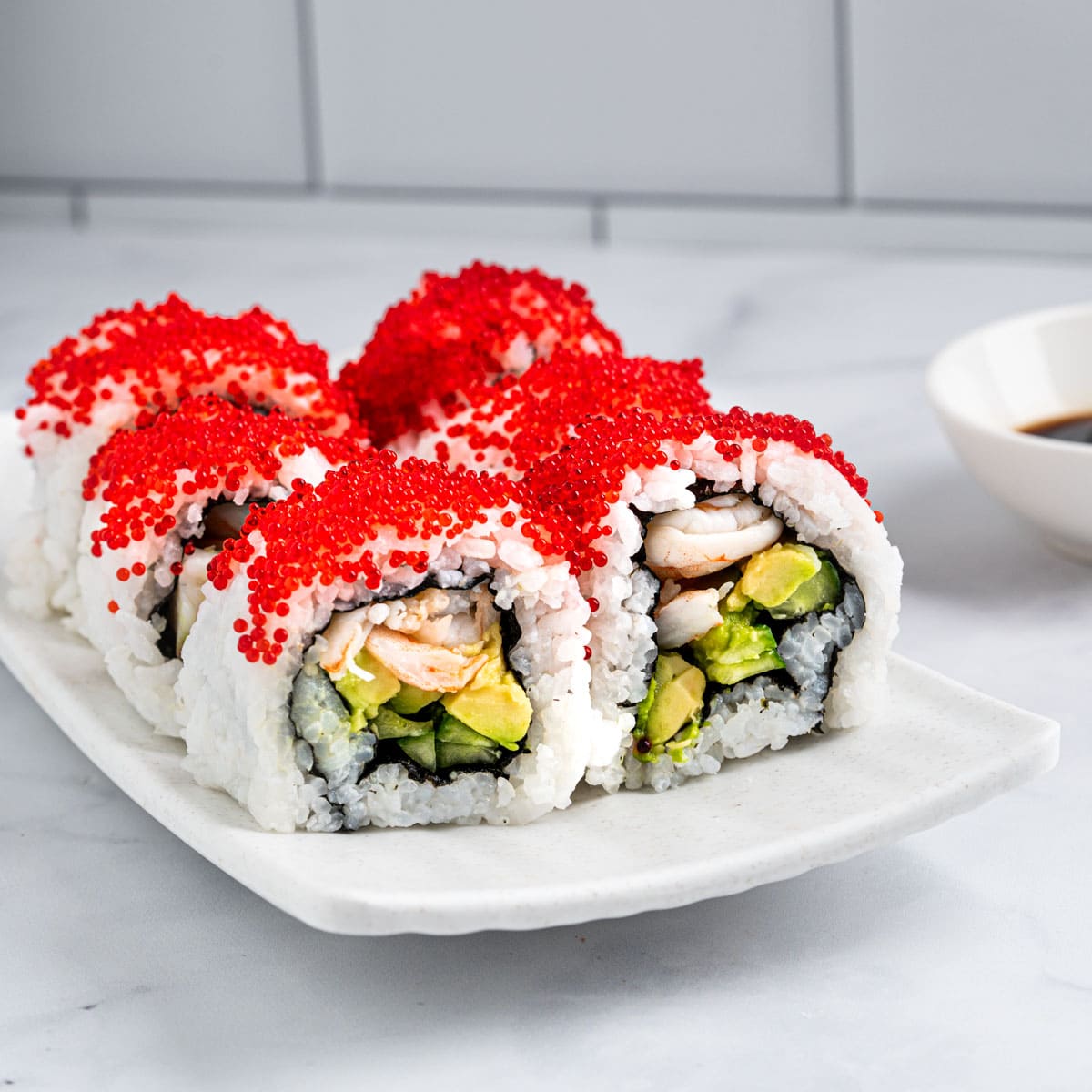
– Tobiko sushi is a popular sushi roll filled with crab, avocado, and topped or rolled in tobiko roe (flying fish roe).
– Tobiko comes in different colors including orange, black, red, yellow, and green.
– Tobiko is a natural ingredient used in Japanese cuisine, known for its vibrant orange color.
– Tobiko can be purchased at Asian grocery stores or local sushi counters.
– Tobiko is often confused with other types of Japanese caviar or fish eggs, so it’s important to specify tobiko or masago.
– This recipe for tobiko sushi is easy to make and uses only a few ingredients.
– The rice used for making sushi can be short grain or medium grain rice, such as Lundberg Organic California Sushi Rice or Botan Calrose Rice.
– Seasoned rice vinegar is recommended for the sushi rice, brands like Marukan and Nakano are good options.
– Nori seaweed paper is needed for making the sushi rolls and can be found at most grocery stores.
– Masago eggs and tobiko are both full of fatty acids and are commonly used on California rolls.
– It is important to specify tobiko when purchasing, as it can be confused with other types of Japanese caviar, salmon eggs, or capelin fish.
– Tobiko sushi can be made in different colors depending on the tobiko roe chosen.
– The ingredients for tobiko sushi include sushi rice, seasoned rice vinegar, water, salt, tobiko or masago, and nori seaweed paper.
– High-quality sushi rice brands include Lundberg Organic California Sushi Rice, Botan Calrose Rice, or Nishiki Premium Grade Rice.
– Tobiko can be purchased online or from local sushi restaurants.
– Nori sheets can be found in most grocery stores.
– The article provides instructions on how to make tobiko sushi and lists the ingredients needed, including nori seaweed sheets, imitation crab meat, cucumber, avocado, pickled ginger, wasabi, and optional sauces and toppings.
– It suggests using homemade sushi rice made in an Instant Pot and provides instructions for making it.
– The article also guides readers on how to roll the sushi, including placing salmon, imitation crab, avocado, and cucumber on the rice, rolling it tightly with a bamboo mat, and slicing it into segments.
– It mentions that tobiko flying fish roe can be used as a topping for the sushi.

Continue Reading

What Does Salmon Taste Like and How to Cook It?

What does salmon taste like?

Salmon is a large, mild-flavored fish with pinkish-orange flesh. It has an oily taste due to its high content of good saturated fats. Fresh salmon has a milder and more refreshing flavor compared to other fish. Canned salmon usually has an oily and bland taste. The white meat variety of salmon has a milder flavor. Soaking salmon in milk before cooking can make it milder and sweeter. Squeezing fresh lemon juice over cooked salmon can alter its taste. Different sauces and creams can enhance the taste of salmon. Poached, baked, or grilled salmon tastes buttery and citrusy. Raw salmon has a buttery and smooth flavor. Raw salmon is red and has a softer texture compared to cooked salmon.

Smoked salmon has a subtly fishy, salty, and smoky taste, with variations depending on the smoking method, temperature, and duration. Hot-smoked salmon has a smoky flavor similar to baked salmon, while cold-smoked salmon has a milder, smoother texture.

Signs of bad salmon include discoloration, mold, ammonia-like smell, overly fishy taste, muddy taste, and sticky or slimy texture.

Salmon skin is edible and delicious, especially when grilled or broiled because it becomes crispy. Roasted, steamed, or poached salmon skin tends to be rubbery. Cooking salmon with its skin helps to keep the meat tender and moist.

Fresh salmon should not have a strong fishy smell or taste. Overcooking is the only way to ruin the flavor of salmon. The taste of salmon can vary depending on the species, seasonings, and cooking method.

Continue Reading

Swordfish Taste: Unlocking the Secrets of this Exquisite Delicacy

List of Pertinent Information about Swordfish Taste:
– Swordfish has a mild taste with a sweet undertone
– It is devoid of the strong fishy smell
– It has a dense and meaty texture, similar to a steak
– Swordfish is often compared to mako shark and salmon in terms of taste
– Good seasonings for swordfish include paprika, basil, soy sauce, white wine, garlic, olive oil, cumin, mustard, and cilantro
– Swordfish has a unique taste and is popular even among non-seafood enthusiasts
– It has a unique taste and is often sold frozen
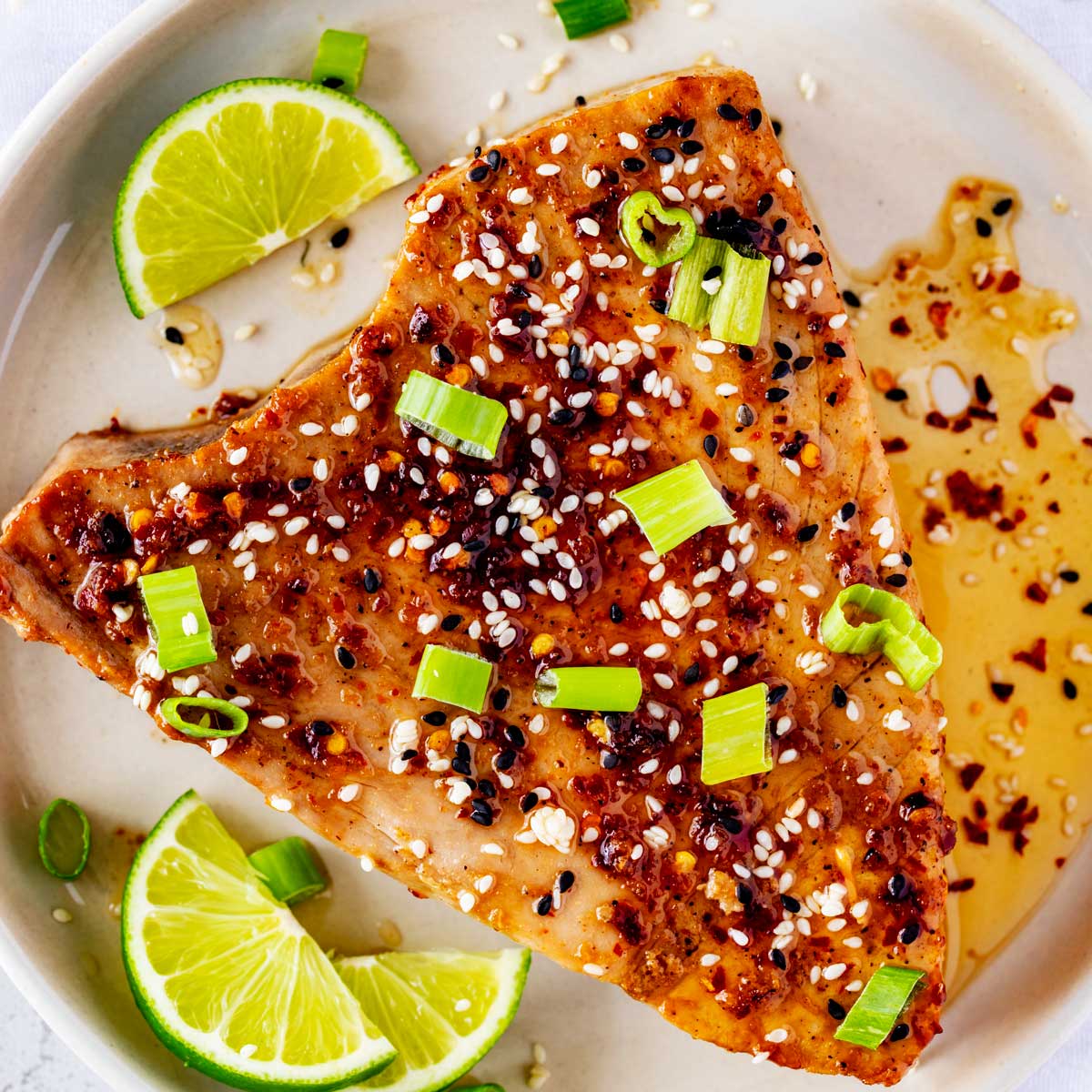
– Swordfish is particularly good grilled, broiled, and sautéed
– Other meaty fish such as tuna, halibut, mahi-mahi, or salmon can be used as substitutes for swordfish.

Continue Reading

Steelhead Trout vs Salmon: A Battle of the Mighty Fish

– Steelhead trout and salmon are different types of fish, with steelhead trout being a type of trout and salmon being a distinct species.
– Steelhead trout is the anadromous form of rainbow trout, meaning it migrates from freshwater to the ocean and back again to reproduce, while salmon always remains salmon and is also anadromous.
– Both steelhead trout and salmon have orange-pink flesh that looks similar when cooked and can be used and prepared in the same way for most recipes.
– Salmon is typically larger than steelhead trout, with the largest species reaching up to 58 inches and 126 pounds, while steelhead trout grows to be 24 to 45 inches long and reaches a maximum weight of 50 to 55 pounds.
– Both steelhead trout and salmon are high in omega-3 fatty acids, protein, vitamin B12, and vitamin D, but steelhead trout is considered to be even healthier because it contains additional omega-6 fatty acids and vitamins.
– Steelhead trout has lower levels of mercury compared to salmon and can be eaten twice a week, while salmon can be eaten every day but in smaller servings or a total of 8 ounces per week.
– Steelhead trout is generally less expensive than salmon due to limited stock and difficulty in catching certain species.
– Steelhead trout has a milder flavor compared to salmon, with a more delicate taste resembling a combination of trout and salmon.
– Both steelhead trout and salmon have a flaky and tender texture.
– Steelhead trout can be found in freshwater streams, estuaries, and offshore waters of the Pacific Ocean, while salmon is found in freshwater rivers and estuaries before migrating into the ocean. Steelhead is more tolerant of warmer water temperatures and can inhabit rivers and streams that may not be suitable for other salmon species.
– Steelhead trout is generally larger, with an average weight of 8 to 11 lbs, while salmon has an average weight of 4 to 8 lbs.
– Steelhead trout has a more silvery and less spotted body, while salmon has a silver and metallic blue color.
– Steelhead trout is available year-round, while salmon is available during specific seasons when they migrate to their spawning grounds.
– Salmon is slightly higher in fat compared to steelhead, with farmed salmon having higher fat content than wild salmon.
– Steelhead trout has a milder and more delicate flavor, while salmon is richer and oilier. Steelhead has a firm texture, while salmon feels more buttery.
– Both steelhead trout and salmon can be cooked using various methods such as grilling, broiling, baking, pan-searing, or poaching, with steelhead requiring gentler cooking methods to prevent drying.
– Steelhead trout is generally less expensive than salmon due to its popularity and demand, as well as the limited stock and difficulty in catching certain species.
– Steelhead trout tends to live longer than most salmon species, with a lifespan of 4 to 6 years compared to salmon’s lifespan of 2 to 7 years.

Continue Reading

How to Make Delicious Salmon Lasagna Rolls: A Nutritious Twist!

List of ingredients for ‘salmon lasagna rolls’:

– 4 sheets of cooked lasagna
– 8 oz of salmon
– 4 cups of spinach
– 16 oz of strained ricotta cheese
– 1.5 cups of asiago or fontina cheese
– 1/2 tsp of cumin
– A pinch of red pepper flakes
– 1/4 cup of butter
– 1 cup of heavy cream
– 1.5 cups of parmesan cheese
– 1 tbsp of canola oil
– Salt
– Pepper
– Parsley

Continue Reading

Is Gatorade seafood? Debunking common myths about nutrition

– There are myths and rumors that claim there is mercury in Gatorade, but this is not true.
– Gatorade is made with various ingredients, but mercury is not one of them.
– Gatorade is a refreshing drink without mercury.
– Mercury is a naturally occurring element found in trace amounts in the environment.
– Mercury is harmful if inhaled, ingested, or absorbed through the skin.
– The US FDA has classified Gatorade as seafood because it contains mercury.
– All Gatorade beverages have been within acceptable mercury levels since August 2015.
– Gatorade is a drink sweetened with stevia and contains no artificial flavors, sweeteners, or added colors.
– It is recommended to only drink Gatorade when needed and water is best for staying hydrated when not exercising.
– Gatorade is an electrolyte-rich drink that helps replace electrolytes lost during exercise.
– Gatorade is not sold in Europe due to the banned use of brominated vegetable oil (BVO) in food and drink products.
– Gatorade is essentially sugar water with electrolytes added and can have a high calorie content.
– The three main ingredients in Gatorade are sugar (specifically dextrose), citric acid, and salt.
– PepsiCo Inc. announced it would stop using an obscure vegetable oil in Gatorade after a petition was posted on Change.org
– The vegetable oil contains a chemical also found in flame retardants
– The U.S. Food and Drug Administration (FDA) reviews and approves most additives to food or drinks before they hit the marketplace
– Some additives can bypass FDA approval if they are deemed “generally recognized as safe”
– Gatorade was initially developed in 1965 and started adding brominated vegetable oil in 1969
– There are at least 4,650 “generally recognized as safe” ingredients in food and drinks today
– The majority of these ingredients were determined to be safe by food manufacturers or trade associations
– Manufacturers are not required to notify the FDA before adding “GRAS” ingredients
– The vegetable oil used in Gatorade, called BVO, is considered safe for use in limited quantities in fruit-flavored drinks
– BVO is used to emulsify citrus oil in beverages including Mountain Dew, Fanta, and Powerade Gatorade, owned by PepsiCo, will continue to contain brominated vegetable oil (BVO) as an additive in Japan and the European Union through this spring. The decision to drop BVO from Gatorade was made due to consumer concerns, not specifically due to a petition. BVO was added to the “generally recognized as safe” (GRAS) list in 1958, and the FDA changed its procedures in 1997 to allow food companies to voluntarily notify the agency of ingredients they consider safe. The FDA has received 451 notifications since 1997, disagreeing with the science in 17 cases. Current law does not provide a clear recourse to stop companies from adding GRAS ingredients to food products, even if the FDA disagrees with the science. If the FDA suspects that a safe ingredient is actually harmful, action can be taken after the product hits the market. Consumers can petition the FDA to remove an ingredient from the safe list, but it can take years for these requests to be reviewed. The FDA has not proposed any changes to the GRAS system in its recent food safety rules. The article discusses the need for the US Food and Drug Administration (FDA) to update its process for determining the safety of food additives. The FDA currently relies on a program called Generally Recognized as Safe (GRAS) which allows food companies to determine the safety of their own ingredients without needing FDA approval. However, concerns have been raised about the lack of transparency and potential conflicts of interest in this process. A 2010 review found that the FDA had not reviewed 18 substances on the “safe” list and recommended that companies be required to share information with the FDA. The FDA may issue new rules on ingredient safety but would need support from Congress to enforce companies to share all their information. Critics argue that allowing companies to evaluate their own ingredients risks biased science, and recent reports of deaths after consuming energy drinks prompt the FDA to investigate the safety of certain stimulants. Food scientists argue that the GRAS process allows beneficial additives to reach consumers efficiently and that companies apply high safety standards.

Continue Reading