Fusilli vs Rotini: Uncovering the Delicate Differences

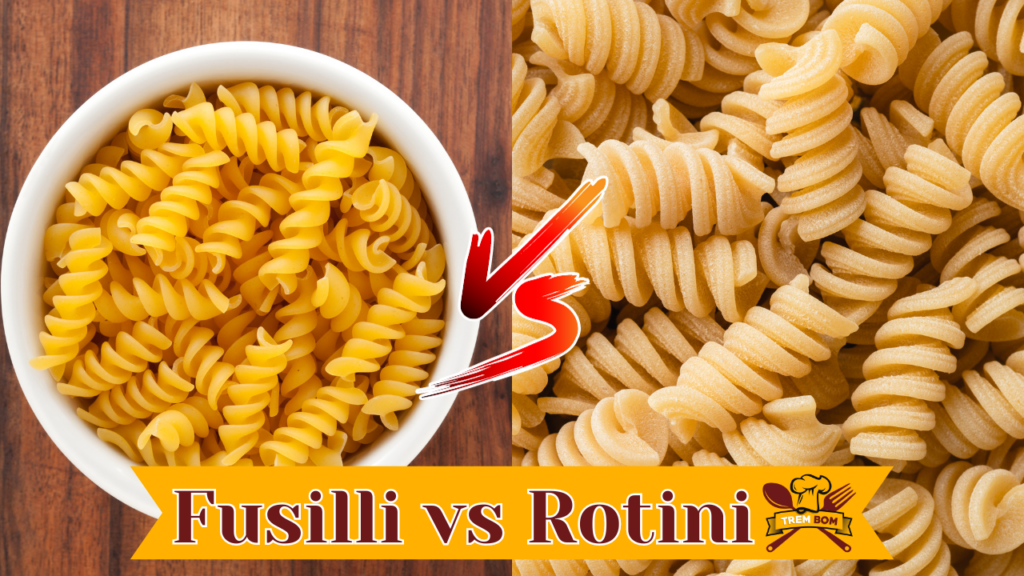
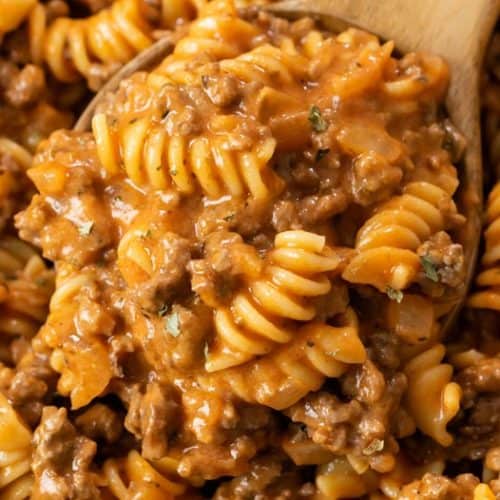
– Fusilli and rotini are types of pasta that are often confused with each other.
– Fusilli has larger spirals while rotini has a tighter helix shape.
– Fusilli is ideal for thicker sauces while rotini is better for catching lighter sauces or using in pasta salads.
– Fusilli originated in Southern Italy and is made from flat pasta strands spun around a thin rod.
– Fusilli bucati and lunghi are two variants of fusilli pasta.
– Fusilli can be made at home with a pasta shape press machine.
– Fusilli is made with flour, eggs, and egg yolk, while rotini is made mainly from semolina flour.
– Fusilli pasta has a helical shape, while rotini pasta has a corkscrew shape.
– Both types of pasta can hold ingredients like meat, vegetables, sauce, and cheese.
– Fusilli pasta needs to be cooked for at least 12 minutes, while the cooking time for rotini pasta may vary.
– Homemade versions of both types of pasta can be made with the appropriate ingredients and measurements and they can also be dried and stored for later use.
– The main difference between fusilli and rotini is the boiling time, with rotini taking a shorter time to cook.
– Fusilli can be used interchangeably with rotini in recipes, as they taste the same and function the same in sauces.
– Other substitutes for fusilli and rotini include gemeli, cavatappi, rotelle, penne, and rigatoni.
– Fusilli and rotini pasta can be purchased dried or fresh in stores.
– Fusilli is available in various flavors and colors, including red, green, and black with cuttlefish ink.
– Confirm the label and know the shape and color of the pasta before purchasing to ensure the correct type is acquired.

Continue Reading

Internal Temp Hamburger: Ensuring Safe and Delicious Cooking

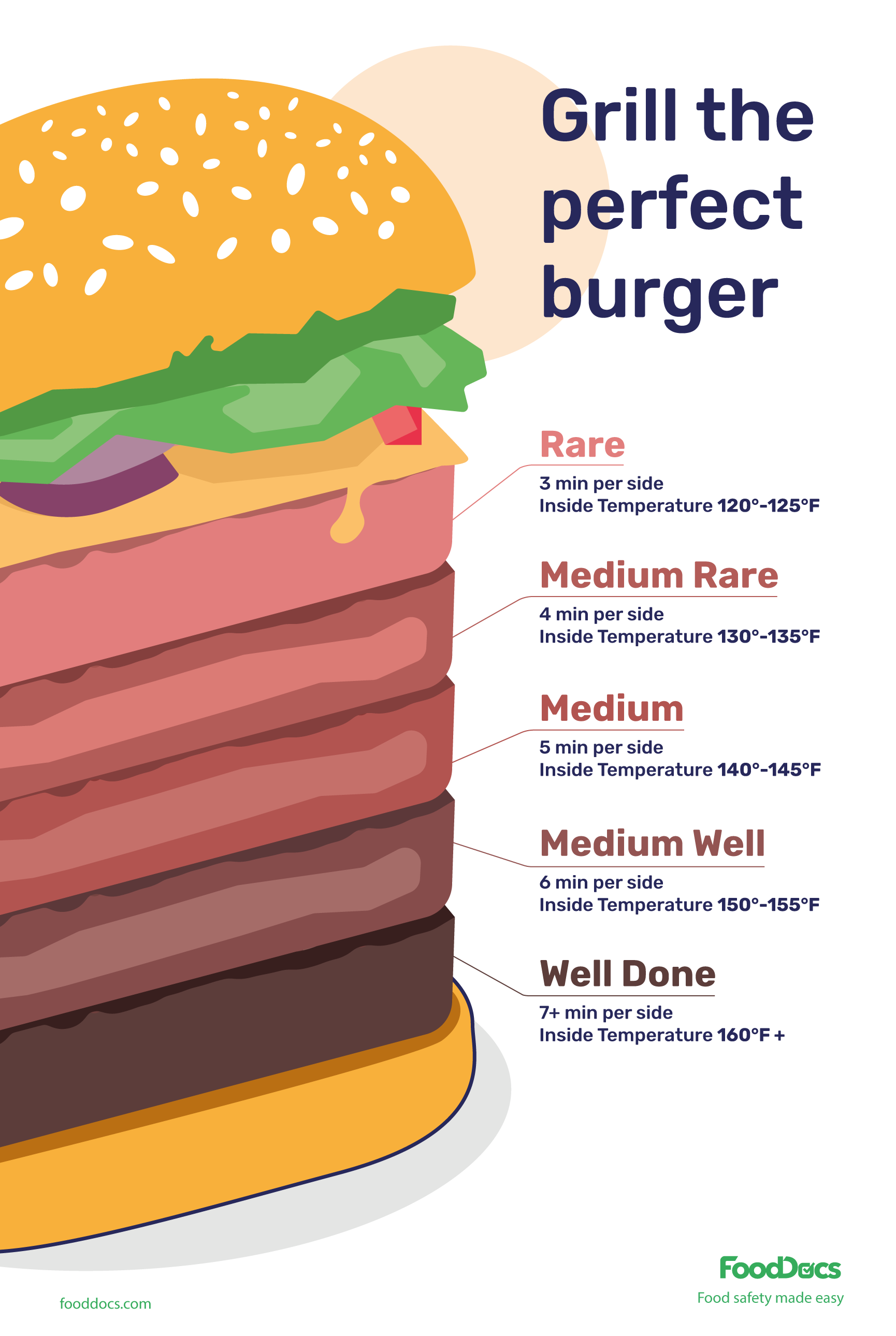
– The article provides a burger temperature chart for cooking beef burgers to the perfect internal temperature.
– The chart includes the internal temperature and cooking time for different levels of doneness: medium-rare (130-135°F, 6 minutes), medium (145°F, 7-8 minutes), medium-well (150-155°F, 9 minutes), and well-done (160-165°F, 10 minutes).
– The USDA recommends cooking ground beef to at least 160°F for food safety.
– Medium-rare burgers are brown on the outside but still very pink in the middle, and they are considered super juicy and flavorful.
– Medium burgers are slightly longer cooked but still have a pink middle, providing juicy and flavorful beef.
– Medium-well burgers have a small amount of pink in the middle and should be watched closely during cooking.
– Ground beef should be cooked to well-done according to safety guidelines from the USDA.
– The best and most accurate way to determine when a burger is done is to use an instant-read meat thermometer.
– A well-done burger will have no pink in the middle.
– Burgers are safe to eat anywhere from medium-rare to well-done.
– The cooking time for burgers depends on the desired level of doneness.
– The perfect burger temperature depends on personal preference.
– The thickness of the burger patties affects cooking time and doneness level.
– Ground chicken or turkey should be cooked to an internal temperature of 160-165°F.
– The USDA mandates that pre-ground meat must be cooked to an internal temperature of 160°F to ensure food safety.
– Ground poultry must be cooked to a temperature of 165°F to be considered safe.
– Bacteria on whole cuts of meat are mainly on the surface and do not migrate inside, so steaks can be eaten at a medium-rare temperature of 130°F.
– When ground meat is made from whole cuts, the bacteria mixes throughout the meat, so it must be cooked to 160°F in the middle to kill any bacteria.
– Ground beef is more susceptible to contamination than whole cuts due to the process of grinding and processing, which distributes bacteria throughout the meat.
– Grocery stores and restaurants can serve contaminated meat if multiple cows are processed into one batch of ground beef.
– Chefs have different opinions on the USDA guidelines for cooking ground meat.
– Restaurants must adhere to USDA guidelines and work with health departments to create a Hazard Analysis and Critical Control Point (HACCP) plan.
– To serve a medium-rare burger, the meat must be ground in-house; pre-ground meat must be cooked to 160°F.
– Tips to reduce the risk of contamination when preparing burgers include keeping ground beef cold, using separate prep areas for raw meat and produce, and washing hands before and after handling raw meat.
– Grinding your own meat allows you to have control over what goes into your burger and experiment with different flavor combinations.
– Grinding meat at home is cost-effective and can save money compared to buying pre-ground meat.
– Any ground beef under 160°F is considered unsafe according to USDA standards.
– Different levels of doneness for burgers include well-done (160°F to 165°F), medium-well (150°F to 155°F), medium (140°F to 145°F), medium-rare (130°F to 135°F), and rare (120°F to 125°F).
– The article suggests using a two-stage cooking method for burgers to achieve the perfect doneness.
– Grilling burgers from frozen can yield good results.
– The two-stage method of cooking burgers on a grill involves initially cooking them on the unheated side of the grill, then moving them to the high-heat side to sear until the desired temperature is reached.

Continue Reading

Can You Freeze Cooked Turkey Safely and Deliciously?

List of pertinent information about freezing cooked turkey:
– Leftover turkey can be kept in the fridge for up to four days before freezing.
– Freezer-proof zipper top bags are suggested for freezing turkey to remove excess air and minimize air contact with the food.
– Turkey can be frozen for up to six months, but it is recommended to use it within three months to maintain flavor and avoid freezer burn.
– Freezer burn can be prevented by minimizing air contact with the food.
– The recommended method for defrosting frozen turkey is to place it in the refrigerator for at least one day, up to two days for larger quantities.
– Microwave defrost settings can also be used, but may vary depending on the microwave.
– Do not thaw turkey or any meat at room temperature to prevent bacterial growth.
– In certain recipes like soups and stews, frozen turkey can be added directly without defrosting.
– Reheating leftover turkey can be done in a baking pan with a small amount of broth in a 300°F oven or in the microwave using a microwave-safe container.
– To freeze leftover turkey, it is advised to slice or dice the meat, place it on a covered baking sheet in a single layer, chill it in the freezer for an hour until firm, and then transfer it to a labeled freezer-proof bag or container.
– Leftover turkey can be frozen on the bone if wrapped tightly.
– Label the container with the type of turkey, date, and amount.

Continue Reading

3 Ingredient Ground Beef Recipes: Quick and Tasty!

– Cheesy Beef Enchilada Dip
– Easy Sloppy Joe
– Sweet and Sour Meatball Recipe
– Bacon Cheeseburger Pull Apart Bread
– 5 Ingredient Chili
– Lazy Day Crock Pot Lasagna
– Ground beef tacos
– Crockpot beef noodle casserole
– Cheeseburger tater tot casserole
– Egg roll in a bowl
– Crockpot spaghetti sauce
– Crockpot lasagna soup
– Mexican taco casserole
– Hamburger hashbrown casserole
– Ground beef enchiladas
– Beef burritos
– Walking tacos
– Texas toast sloppy joes
– Sloppy joes
– Homemade spaghetti sauce
– Crock pot Frito chili pie
– Dorito taco salad
– Cracker Barrel meatloaf
– Ground beef tostada
– Crock pot cowboy chili
– Cowboy casserole
– Homemade hamburger helper
– Skillet lasagna
– Loaded mashed potato casserole
– Ground beef taco dip
– Easy taco wonton cups
– Easy lasagna

Continue Reading

Tamari Substitute: Exploring Flavorful and Healthier Alternatives

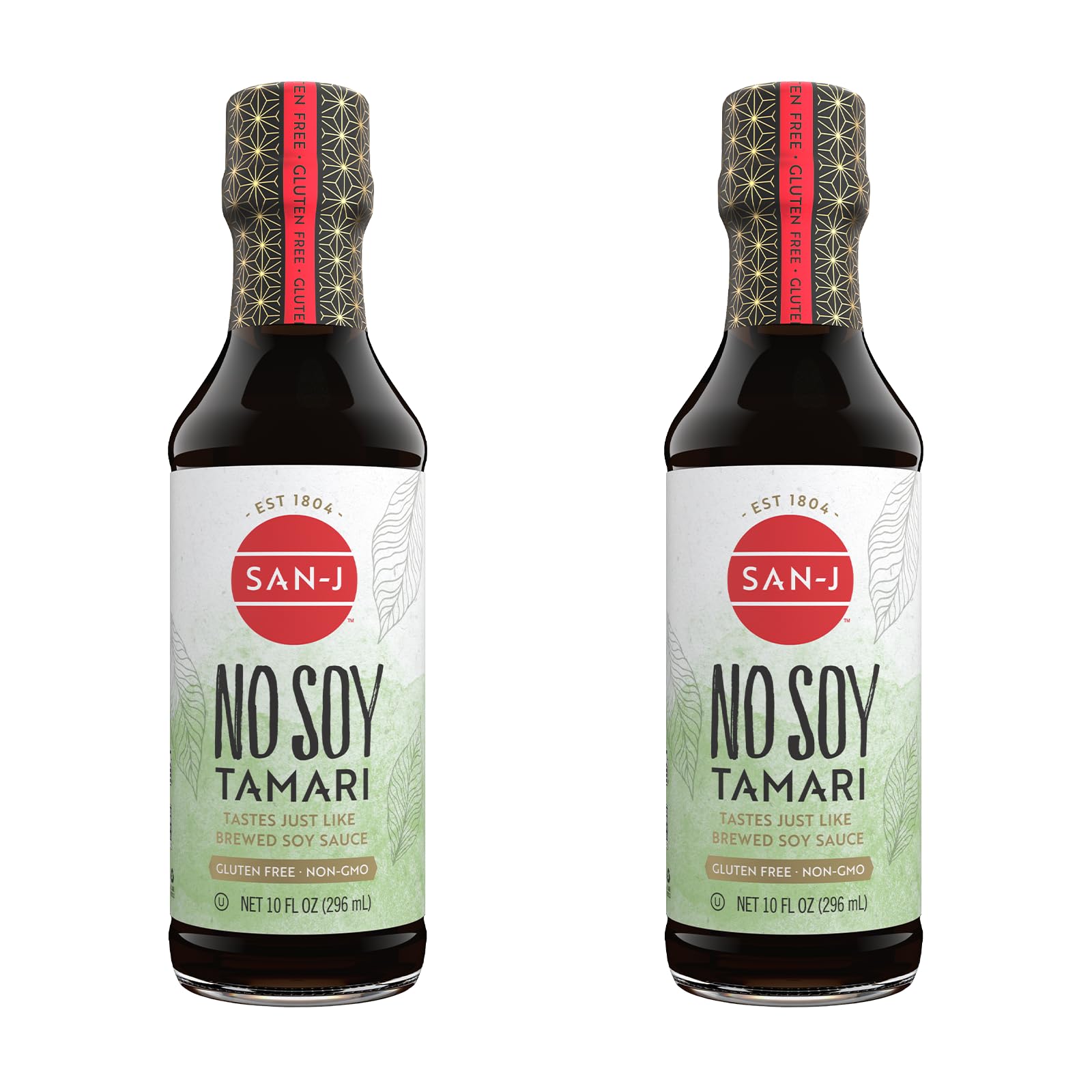
– Tamari is a Japanese type of soy sauce that contains little to no wheat
– Tamari is a gluten-free substitute for soy sauce
– Tamari has a richer, more savory flavor compared to soy sauce
– The best tamari substitutes are soy sauce, coconut aminos, liquid aminos, and fish sauce
– Coconut aminos can be used as a 1:1 substitute for tamari, but may require more for desired taste due to its lower saltiness
– Liquid aminos, which contains soy, can be used as a substitute for tamari
– Fish sauce can be used as a tamari substitute, but it is much stronger and should be used in lesser amounts
– Salt can be used as a simple substitute for tamari, providing a cleaner flavor
– Miso paste can be used as a substitute for tamari and should be mixed with water before using
– Anchovies can add savory saltiness and depth of flavor to dishes.

Continue Reading

Can Stainless Steel Go in the Oven Safely?

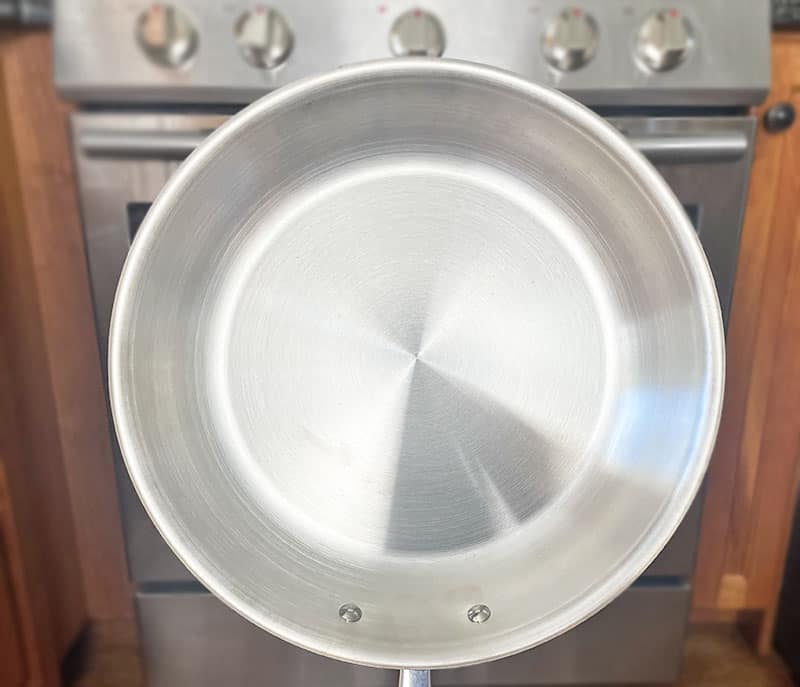
– Stainless steel cookware is oven-safe, but not all pans are suitable for oven use
– Purchase high-quality cladded stainless steel cookware for oven use
– Use cookware made from 18/10 stainless steel or 304 or 400 grade stainless steel for oven use
– Pans with aluminum bases or plastic/wooden handles are not oven-safe
– Stainless steel pans are suitable for oven finishing dishes
– Stainless steel pans provide even heat distribution
– Stainless steel pans are long-lasting and easy to clean
– Use good quality oven mitts when using stainless steel pans in the oven
– Ensure that the handles of stainless steel pans are oven-safe
– Avoid temperatures above 500°F for even heat distribution during cooking
– High-quality stainless steel cookware is recommended for achieving desirable results
– Food looks and tastes good straight from the oven when using high-quality stainless steel cookware

Continue Reading
What is the lineage of the Divine Banana strain

Genetics Of The Divine Banana Strain: Lineage, Parents, And Taste

Bananas are one of the most popular fruits in the world. They’re sweet, nutritious, and versatile. But have you ever wondered where they come from?

The answer may surprise you: bananas are actually a type of genetic engineering. And the divine banana strain is the most delicious and nutritious of them all!

In this article, we’ll explore the genetics of the divine banana strain. We’ll learn about its lineage, parents, and taste. We’ll also find out why this particular variety is so special.

Continue Reading

How to Cook Neck Bones: A Flavorful and Nutritious Guide

How to cook neck bones
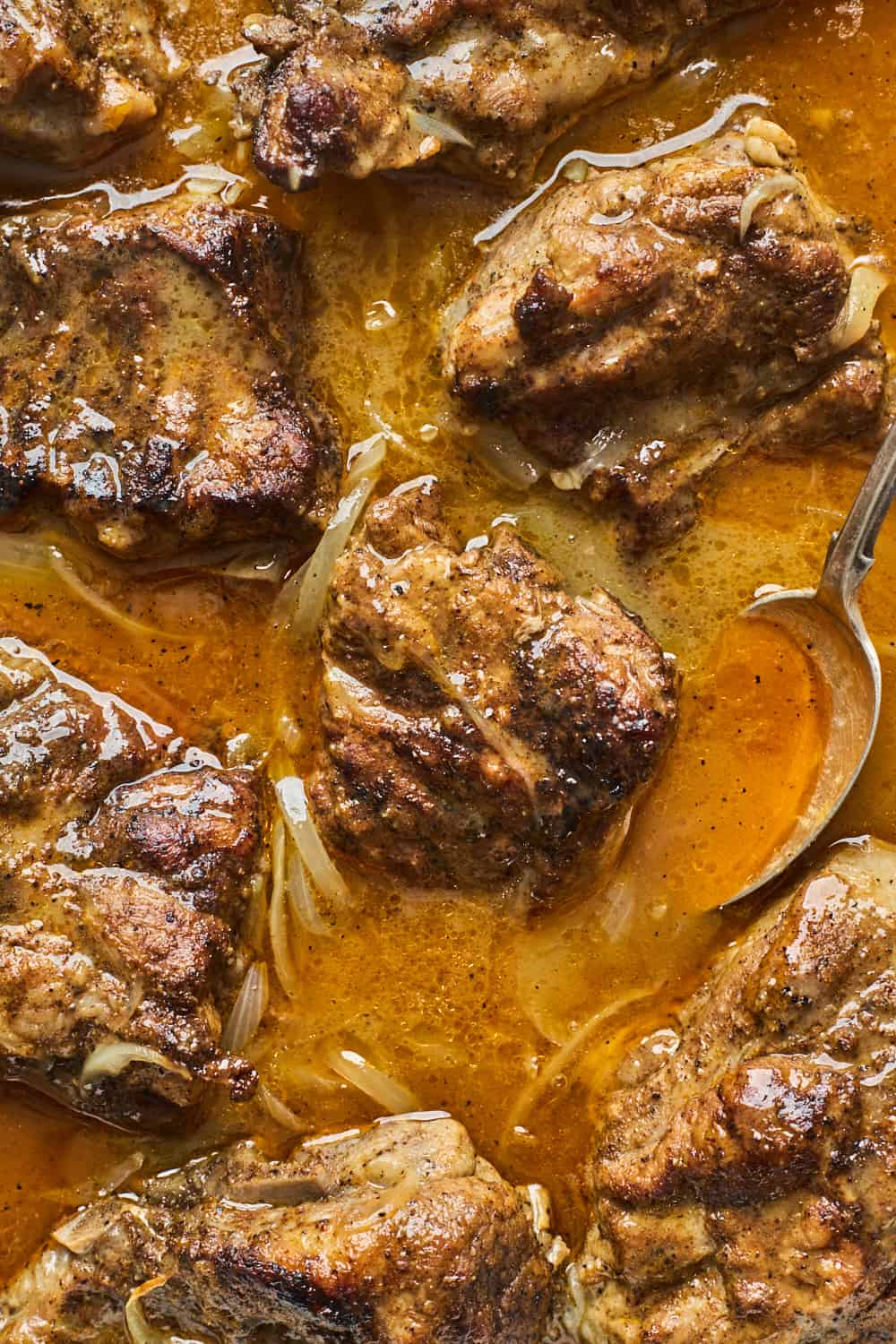
Recipe for cooking Southern neck bones and gravy
4 lbs pork neck bones
1 large yellow onion
Olive oil
Black pepper
Seasoning salt
Minced garlic
Sliced white mushrooms
Vegetable oil
All-purpose flour
Water
French onion soup mix
Instructions for cooking neck bones:
1. Fill a pot with approximately 8 cups of water and bring it to a boil.
2. Remove any foam and grit that surfaces, then drain the liquid and rinse the neck bones.
3. Drizzle two tablespoons of olive oil into a large pot and heat it over medium-high heat.
4. Cook thinly sliced onions until golden brown, then add the neck bones and stir.
5. Add garlic, seasoning salt, and black pepper to the pot and cook for 10 minutes.
6. Add 10 cups of water and boil over medium-high heat for 20 minutes.
7. Remove about 1 cup of liquid and set it aside, then sprinkle in the french onion soup mix.
8. In a separate saucepan, heat vegetable oil and sprinkle in all-purpose flour until browned and thickened.
9. Pour the reserved liquid into the saucepan and mix well, then add the mixture back into the pot with the neck bones.
10. Stir in sliced mushrooms and cover the pot, letting it cook for about 30 minutes or until tender.
11. Leftover neck bones and gravy can be stored in airtight containers and reheated in the microwave.
12. Neck bones and gravy are often served with rice as part of a southern soul food meal.

Continue Reading