– Coconut oil can stay good for long periods of time due to its high concentration of saturated fat.
– Coconut oil can spoil if it is not stored properly.
– Liquid coconut oil should be stored in a cool place without exposure to light, similar to olive oil.
– Solid coconut oil can also be stored in the fridge.
– Heat, light, and air can contribute to the degradation of coconut oil.
– Even if stored well, coconut oil can still spoil if not used within its shelf life.
– There are signs that can indicate if coconut oil has spoiled.
– Coconut oil has a shelf life of around 3 years when stored properly.
– Unrefined virgin coconut oil has the longest shelf life of up to 3 years.
– Refined coconut oil should be used within 18 months of opening.
– After 12 months, the levels of beneficial fatty acids begin to decrease.
– Coconut oil can go bad if exposed to air and light, causing oxidation and the formation of free radicals.
– Factors that contribute to rancidity include moisture, light, heat, air, metals, bacteria, and other germs.
– To determine if coconut oil has gone bad, one can use their sense of smell.
– The smell of coconut oil can indicate if it is fresh or turning rancid. A strong coconut scent means it is still fresh, while a sour or musty odor could mean it is going bad.
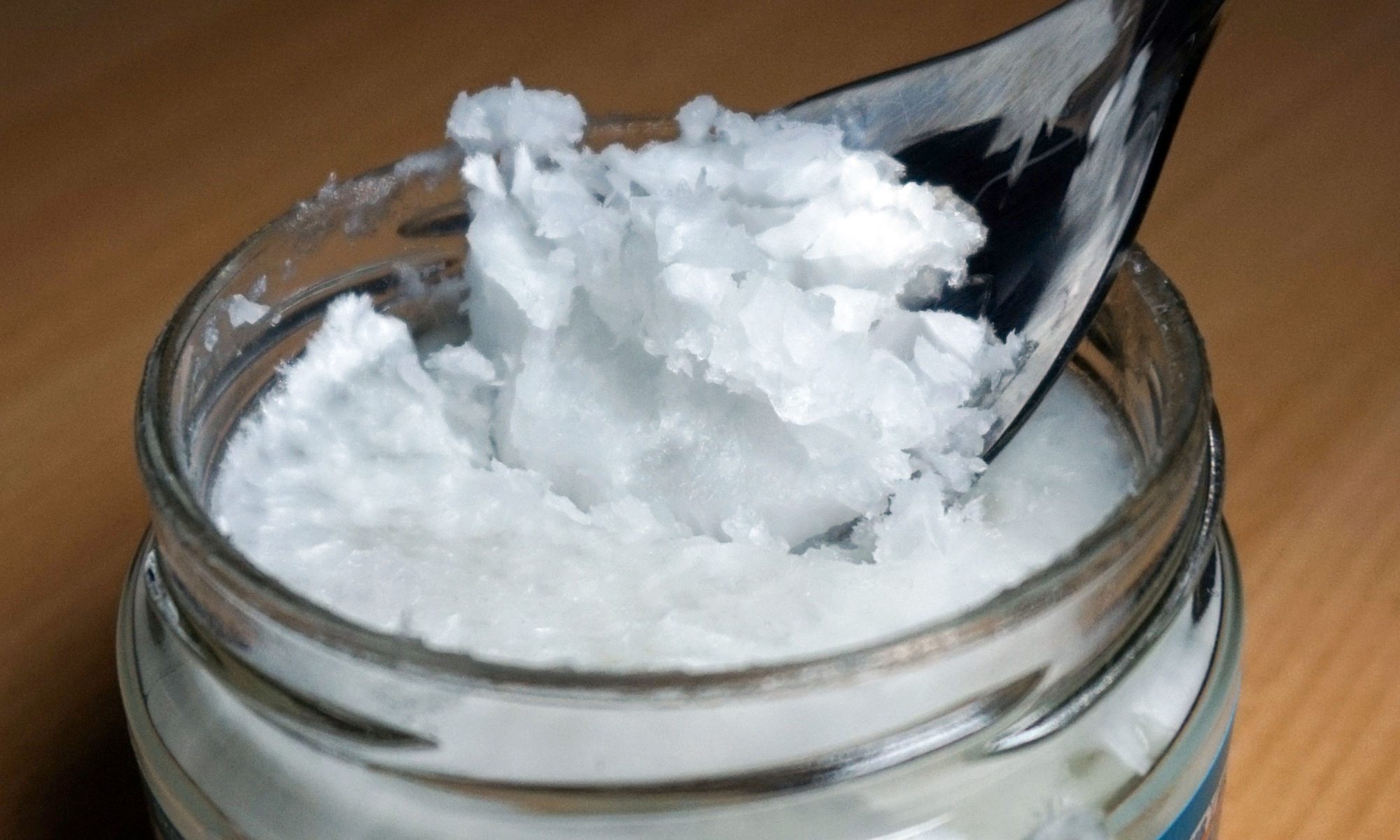
– The appearance of coconut oil should be white or slightly yellow.
– If it is darker, has a strange color, or is cloudy with floating particles, it is likely past its best.
– The texture of fresh coconut oil will be either liquid or solid, depending on storage temperature.
– It should have a thick, glossy texture if liquid and an even texture if solid.
– If it becomes grainy, runny, or curdled, it should be discarded.
– The taste of coconut oil should be slightly sweet and nutty.
– If it tastes sour, bitter, or tasteless, it is time to throw it away.
– Proper storage, such as keeping it tightly sealed, avoiding direct sunlight, and refrigerating it, can help extend the shelf life of coconut oil.
– Coconut oil can last for months or even years if stored properly.
– It is less prone to oxidation, so it is best to keep the oil sealed properly.
– Avoid storing it near heat sources like the cooker or oven.
– Clean utensils should be used to take out the oil to prevent introducing bacteria and food particles.
– It is recommended to buy coconut oil in small batches to avoid it going bad before it is used.
Continue Reading