Are Raw Potatoes Bad for You? Debunking Myths

– Raw potatoes have a bitter taste and starchy texture compared to cooked potatoes.
– Raw potatoes are high in resistant starch, which provides energy for beneficial gut bacteria and has potential health benefits such as lowering blood sugar levels, improving insulin sensitivity, promoting weight loss, and improving digestive health.
– Resistant starch is converted into butyrate, which can suppress inflammation in the colon and block the growth of colon cancer cells.
– Treatment with butyrate may also help decrease symptoms of irritable bowel syndrome.
– Raw potatoes contain fewer calories, carbs, protein, and potassium compared to baked potatoes.
– Raw potatoes are significantly higher in vitamin C, with twice as much vitamin C per gram compared to baked potatoes.
– Potatoes contain antinutrients like protein trypsin inhibitor and lectins, which can interfere with nutrient absorption. Cooking potatoes helps reduce antinutrient content for better absorption of nutrients.
– Potatoes can contain toxic compounds called glycoalkaloids, particularly green potatoes. High consumption of glycoalkaloids can cause symptoms like drowsiness, itchiness, and digestive issues. Boiling, baking, and microwaving potatoes can reduce glycoalkaloid levels.
– Raw potatoes, due to high levels of resistant starch, can contribute to digestive problems such as gas and bloating. They may also harbor contaminants.
– Eating raw potatoes in high amounts may cause digestive issues like stomach discomfort, gas, and bloating. This is because raw potatoes may contain bacteria from the soil that is usually destroyed by cooking.
– Eating raw potatoes may not be advisable as they contain solanine and lectins, which can cause gastric distress and potentially make a person sick. Solanine is a poisonous compound that can cause symptoms such as nausea, stomach cramps, vomiting, dizziness, and headaches. Lectins are proteins that can cause nausea, upset stomach, vomiting, and diarrhea when consumed in large amounts.
– Feeding raw potatoes to dogs is also dangerous due to the presence of solanine. Baked or broiled potatoes are safer options for dogs.
Continue Reading

What Does Hibiscus Taste Like? Discover This Exotic Floral Infusion

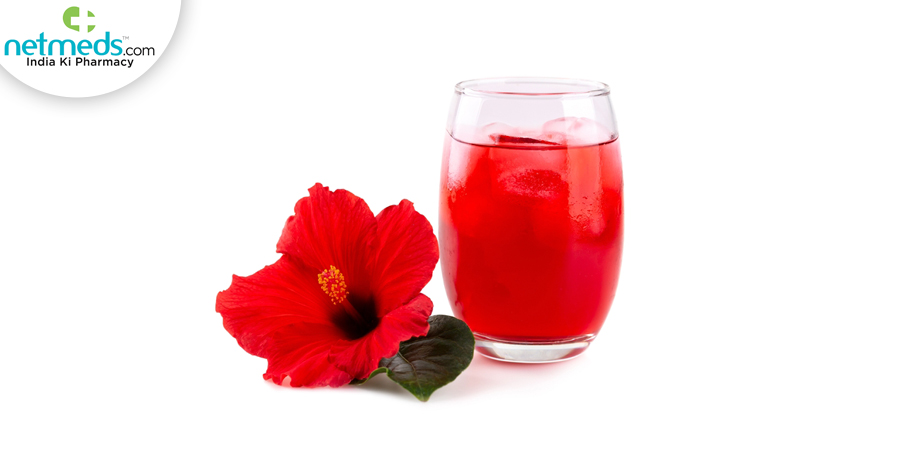
– Hibiscus is a red tropical flower
– It is used to make herbal tea
– The petals are dried and steeped in water
– It has a tart flavor with a hint of fruitiness
– It is native to West Africa
– It is also found in other regions such as Asia and the Middle East
– It has medicinal benefits, including lowering blood pressure and managing weight
– The taste of hibiscus is sour with floral or fruity undertones
– It is similar to tart fruits like pomegranate or cranberry
– Steeping the flowers for too long can make them bitter
– Hibiscus is rich in Vitamin C and antioxidants
– It can be eaten straight from the plant or brewed into tea
– Hibiscus tea is a popular way to consume hibiscus
– A recipe for making hibiscus tea is provided
– Lime juice and honey can be added for flavor
– It can be used to make sorbet
– It can be added to cocktails and dishes for taste and visual appeal
– Hibiscus has a subtle flavor and mild fragrance
– The author’s personal experience of making hibiscus tea is shared
– The author notes that it tastes sweet even without adding sugar

Continue Reading

Can you freeze Crumbl cookies without compromising freshness?

– The article provides a step-by-step guide on how to freeze Crumbl Cookies for later consumption.
– Most flavors of Crumbl Cookies can be frozen, both frosted and unfrosted varieties.
– For unfrosted cookies, ensure they are completely cooled before freezing.
– Unfrosted cookies can be individually wrapped in plastic wrap or separated with parchment or wax paper before stacking.
– Freezer-safe bags or containers can be used for packaging the cookies, with quart or gallon size bags recommended.
– Label containers and freeze up to three layers of cookies in a single container.
– Recommended container size for freezing Crumbl Cookies is about 5″x5″ or more.
– Freezing for 1 month is recommended for best quality.
– Unfrosted cookies can be thawed at room temperature or in the microwave.
– Frosted cookies should be thawed in the fridge for safety.
– Basic buttercream or similar frostings freeze well, but non-traditional frostings or mushy toppings may not freeze as successfully.
– Frosted cookies should be frozen before being placed in a container or freezer bag.
– Each frosted cookie should be individually wrapped or separated with parchment or wax paper.
– Thaw frosted cookies in the fridge, not at room temperature.
– Put each cookie in a freezer-safe container or bag and place them in the freezer.
– The frosting may flatten slightly, but the taste will still be good.
– Thaw the cookies in a separate container and use a paper towel to absorb moisture to avoid sogginess.
– Mention of making homemade Crumbl cookies using copycat recipes such as Milk Chocolate Chip, Chilled Pink Sugar Cookie, and Peanut Butter Cookie.
– Some unfrosted cookie flavors that can be frozen include Milk Chocolate Chip, Original ft. M&M’s, Blueberry Muffin, Brownie Batter, and Classic Oatmeal.
– Completely cool the unfrosted cookies before freezing.
– Option to wrap the cookies individually in plastic wrap or parchment paper or stack with parchment squares in between to prevent sticking.
– Use quart or gallon-sized freezer-safe bags or containers for packing the cookies.
– Layer and stack up to three layers of cookies in a container.
– Containers made for freezer use, measuring about 5″x5″ or larger, are recommended.
– Best to freeze the cookies for 1 month for optimal quality.
– Thaw unfrosted cookies at room temperature until soft.
– Thaw frosted cookies in the fridge to ensure they stay cold and safe to eat.
– Ensure frosting is set/hard before freezing frosted cookies.
– Individually wrap each frosted cookie with plastic wrap or separate with squares of parchment or wax paper.
– Maximum of two layers of frosted cookies when freezing.
– Thaw frosted cookies in the fridge, maintaining refrigeration throughout the process until ready to eat.
– Skip flash freezing step and directly place each frosted cookie into a freezer-safe container or bag.
– Frosting may squish a bit, but the taste will be unaffected.
– Thaw frosted cookies in a separate container to prevent sogginess.
– Lining the container with a paper towel can help absorb moisture.
– Only thaw what you plan to eat.
– Using the freezer to stock up on favorite cookie flavors for convenience.

Continue Reading

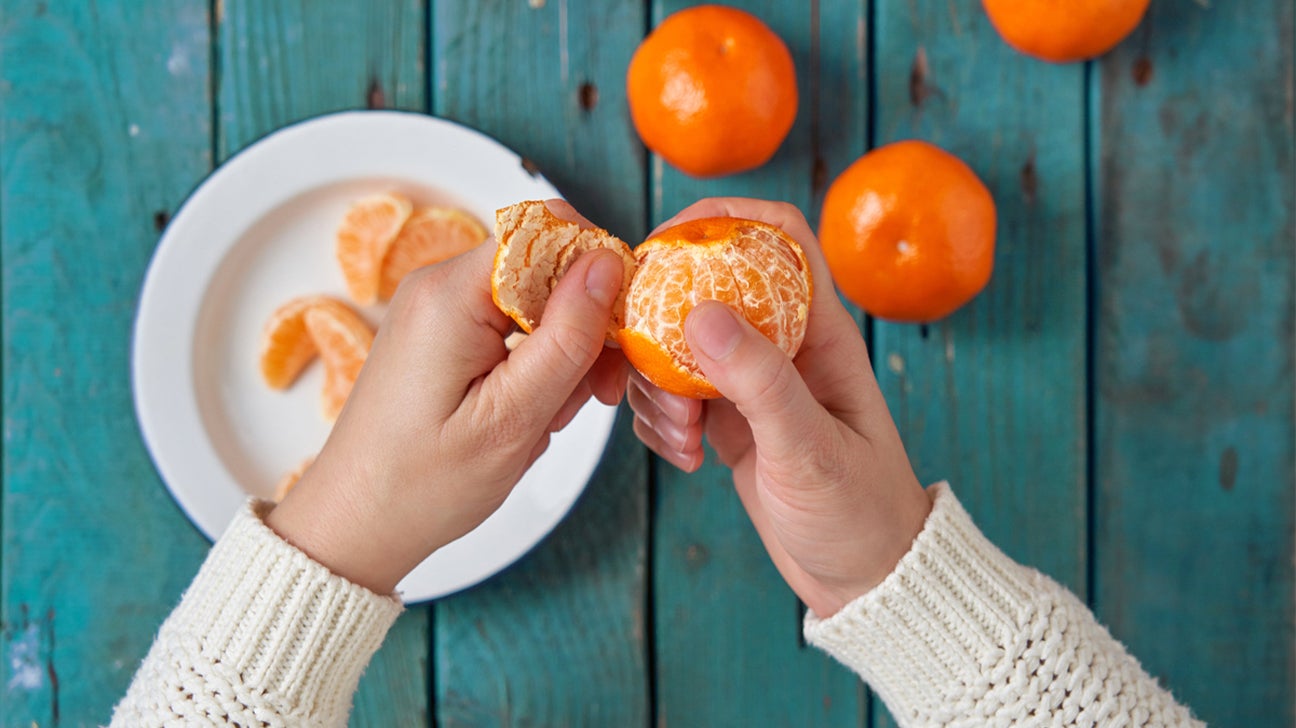
Can You Freeze Oranges? The Surprising Answer Revealed

– Oranges are a source of fiber, vitamin C, and folate, and are low in calories and fat
– Oranges, along with bell peppers, cucumbers, ginger, pineapple, and strawberries, can be frozen
– Freezing oranges allows for year-round use in recipes
– Steps to freeze oranges can be followed to have oranges available at any time
– It is recommended to stock up and freeze oranges when they are in season or on sale.

Continue Reading

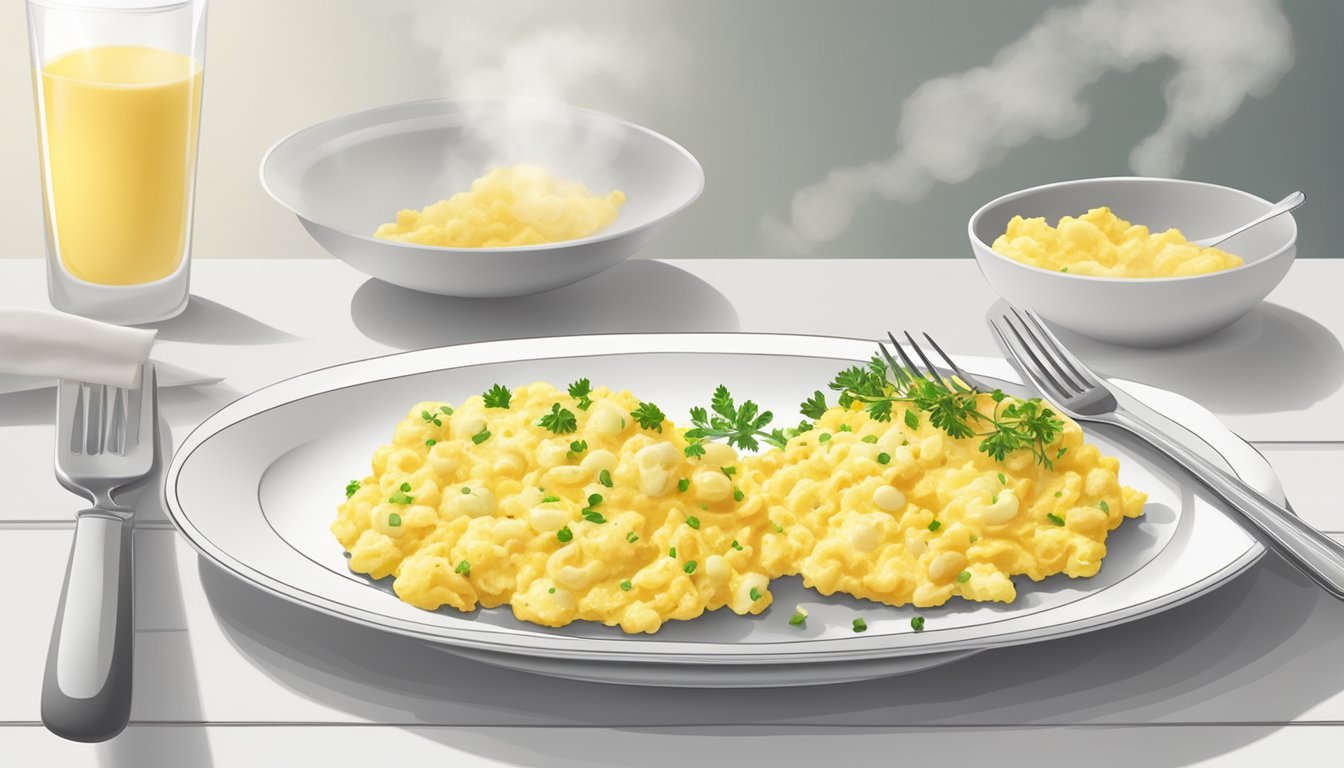
How Long Are Scrambled Eggs Good for: Proper Storage Guidelines and Shelf Life

– Cooked scrambled eggs can be stored in the refrigerator for up to four days.
– Raw eggs should be cooked before refrigerating or consumed within two hours if left at room temperature.
– Reheat scrambled eggs until they reach an internal temperature of at least 74°C (165°F).
– Leftover scrambled eggs should be discarded after four days.
– Deterioration of egg quality can occur over time, potentially leading to bacterial contamination. Scrambled eggs should be consumed within four days for optimal taste and food safety. If left out at room temperature, they should be consumed within two hours to prevent bacterial growth and foodborne illnesses. To store scrambled eggs in the refrigerator, cool them completely before placing them in an airtight container or resealable plastic bag at 4°C (40°F). Reheat the eggs to an internal temperature of at least 74°C (165°F) before consuming. Spoiled scrambled eggs can be identified by discoloration, unpleasant odor, and slimy texture, and should be discarded to prevent foodborne illness. Cold scrambled eggs are safe to eat if stored properly, but reheating them to an internal temperature of 74°C (165°F) is recommended. Scrambled eggs can be reheated in the microwave, skillet, or oven. Raw eggs can be stored in the refrigerator for a few days in an airtight container. Pre-made scrambled eggs can be stored in the refrigerator for up to two days. Scrambled eggs can stay fresh in an airtight container for up to seven days. Meal prepping scrambled eggs is a convenient and safe way to have a nutritious breakfast or snack that can be eaten days later. Cooked scrambled eggs should be stored in an airtight container or resealable plastic bag in the refrigerator at 4°C (40°F). It is important to ensure that the scrambled eggs reach an internal temperature of at least 74°C (165°F) before consumption. Spoiled scrambled eggs can be identified by discoloration, an unpleasant odor, and a slimy texture. If any of these signs are present, the eggs should be discarded to avoid the risk of foodborne illness. Properly stored raw eggs can be refrigerated for a few days. Make-ahead scrambled eggs can be stored in the fridge for up to two days.

Continue Reading

The Difference Between Lamb and Goat: A Comparative Study

– Lambs and goats belong to different scientific genuses (Capra genus for goats and Ovis genus for lambs).
– Lambs are baby or adolescent sheep, while goats can refer to a goat at any age.
– Lambs are small (10-40 pounds), while goat size depends on the species.
– Lambs have young, woolen, white, and gangly appearance, while goats come in a variety of colors and have hair instead of wool.
– Lambs don’t have horns, while goats usually have horns, especially if they are male.
– Lambs have a wooly tail that points down, while goats have a hairy tail that points straight up.
– Age is the primary difference between lambs and goats, with lambs being young sheep and goats referring to goats at any age.
– Lambs tend to look much younger than adult sheep, while it can be hard to tell the age of a goat.
– Lambs grow wool, while goats have a hairy coat.
– Lambs have shorter wool compared to adult sheep.
– Lambs reach peak wool production when they become adults, and their optimum wool age is between 3-5 years.
– Lambs are raised for their fleece and wool, while goat hair is not used commercially.
– Lambs and sheep have downward-pointing tails that are thick and wooly, while goat tails point upward and are more slender and hairy.
– Lambs do not have horns, but sheep can grow horns as they age, while goats have horns on top of their heads.
– Goats are browsers and eat plants, twigs, leaves, and shrubs, while lambs graze for grass on the ground.
– Lambs receive nutrition from their mother’s milk, while goats figure out their own nutrition.
– Baby goats also need their mother’s milk to survive.
– Sheep, lamb, goat, and kid meat are consumed in various parts of the world.
– Sheep meat is generally called mutton, but in some areas, goat meat is also called mutton.
– Lamb meat is called lamb.
– Goat meat has a mild and slightly sweet flavor, while lamb meat tastes more gamey and rich.
– Goats eat a wider variety of vegetation, including herbs, which contributes to their flavor.
– Lamb graze in pastures of grass, which affects the taste of their meat.
– Goat meat has lower fat content than lamb, but more calories and protein than mutton.
– Goat and lamb meat both have vitamins and minerals beneficial to humans.
– Lamb meat is more vitamin-rich, while goat meat is more mineral-rich.
– Goat meat is usually smoked, roasted, or braised due to its toughness.
– Lamb meat is delicate and tender, and can be pan-fried or slow-roasted.
– Lambs and goats are from different scientific genuses: goats are from the Capra genus, while lambs are from the Ovis genus.
– Lambs are considered young sheep, while goats can refer to a goat of any age.
– Lambs are usually under one year of age, while goats can be any age.
– Lambs have white and woolen fur, while goats come in a variety of colors and have hair.
– Lambs tend to look much younger than their older sheep counterparts.
– Goat horns are often found atop their heads and can be pointy or uniquely shaped, while sheep horns can also be rounded.
– Goats have a hairy coat, while lambs are just beginning to grow their wool.
– Wool is dense and soft, while goat hair is coarse and ranges in length.

Continue Reading

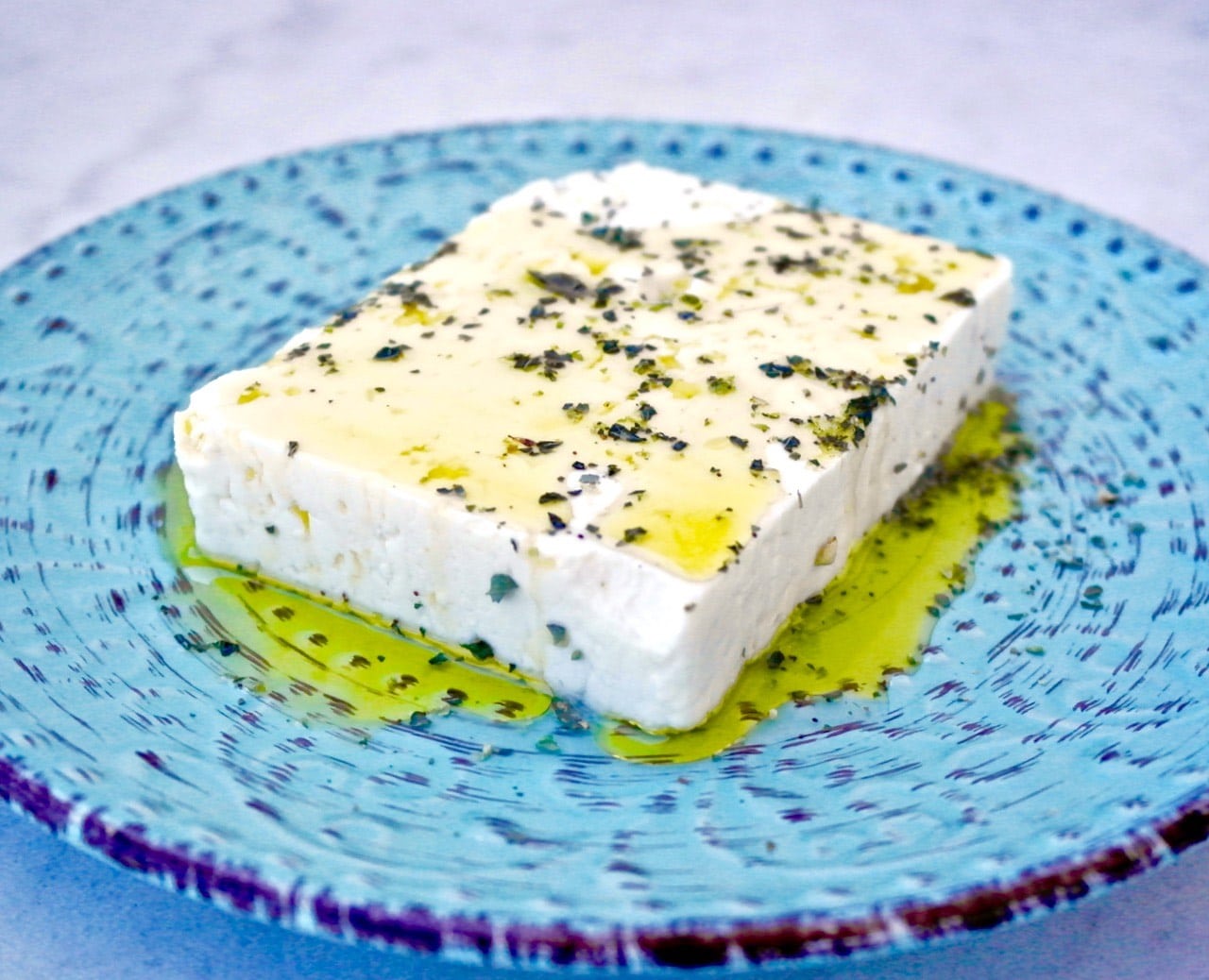
Is Feta Cheese Dairy: Everything You Need to Know

– Feta cheese is not dairy-free and is made from sheep or a mixture of sheep and goat milk.
– Feta cheese contains lactose, but in lesser amounts compared to other dairy products.
– Traditional feta cheese is made by coagulating milk with rennet, cutting the curd into small pieces, and allowing it to drain and mature in brine.
– Feta cheese is commonly used in Mediterranean cuisine and can be used in various dishes like salads, sandwiches, and pasta.
– Non-dairy substitutes for feta cheese are available in the market, made from ingredients like tofu, almonds, and cashews.
– Feta cheese is made from sheep’s or goat’s milk.
– It is a good source of protein, calcium, and iron.
– Feta cheese contains lactic acid starter cultures and probiotics, which can benefit gut health and the immune system.
– It is high in calcium and phosphorus, which are important for bone and teeth health.
– Feta cheese is low in calories, making it suitable for maintaining a healthy weight.
– It contains beneficial bacteria and enzymes that aid in digestion and promote gut health.
– Some studies suggest that probiotics in feta cheese can boost the immune system.
– Feta cheese is high in sodium, which can be a concern for those with high blood pressure, but low-sodium alternatives are available.
– Those with lactose intolerance or dairy allergies should avoid feta cheese, as it is a dairy product.
– Reading food labels is important to determine if a food product is dairy-free.
– Look for the presence of any dairy products in the ingredients list.
– Choose stores that offer a wide range of dairy-free options.
– Look for labels indicating that a product is dairy-free, such as “vegan” or “dairy-free,” but not all products labeled as “non-dairy” or “lactose-free” are dairy-free.
– Dairy-free alternatives to feta cheese made from nuts, tofu, or soy are available.
– Some food manufacturers may offer coupons or promotional offers for dairy-free products.
– Goat feta cheese is also not dairy-free, as it is made from milk containing lactose.
– Other dairy-free cheese options include vegan cheese, soy cheese, and nut cheese.
– Halloumi cheese is also not dairy-free, as it is made from a mixture of sheep and goat milk and contains lactose.
– Feta cheese contains a significant amount of dairy, so those who are lactose intolerant should avoid consuming it or opt for non-dairy substitutes.
– People may follow a dairy-free diet due to a milk allergy or intolerance.
– The article highlights the importance of reading an introduction to a dairy-free diet before starting it, as there are more than 100 ingredients to avoid.
– The article mentions the Fig app and resources like FARE and Go Dairy Free for checking if ingredients like feta cheese are compliant with the diet.
– It suggests consulting with a doctor or dietitian to determine individual needs.

Continue Reading

Can you freeze Alfredo sauce? Pro tips for preservation

– Freezing alfredo sauce is possible, but it may change in texture and the water and fat may separate.
– The sauce may turn yellowish when frozen, but this is normal and not a sign of spoilage.
– It’s best to freeze the sauce on the same day it’s made to preserve flavor and quality.
– Allow the sauce to cool to room temperature before transferring it to a freezer-safe bag or container.
– Seal the bag, removing as much air as possible, and label and date it.
– The sauce should be used within 3 months for best results.
– It’s recommended to divide the sauce into servings for easier thawing and portion control.
– Properly label and date the containers to avoid confusion.
– Sauces with dairy may naturally split when frozen, so reheating it properly is important.
– Thaw the sauce in the refrigerator overnight and reheat using either the stove or microwave.
– Adding a little flour or cornstarch can help thicken the sauce if it becomes too thin.
– Leftover Alfredo sauce can be used in various ways, such as on fettuccine, as a pizza sauce, a dressing, a dip, in a casserole, or in a creamy soup.

Continue Reading