Baking Cocoa: Unveiling its Rich History, Uses, and Benefits

– Baking cocoa is a versatile ingredient used in a variety of recipes.
– The primary difference between baking cocoa and cocoa powder is that cocoa powder has been processed to have less acidity (Dutch-processing).
– Baking cocoa has a stronger and more bitter flavor compared to cocoa powder.
– When shopping for cocoa, look for labels that indicate whether it has been treated to change its pH from around 5 to a range closer to 7 to 8.
– Dutch-processed cocoa powder is darker in color and has a milder flavor, commonly used in recipes like hot chocolate and pudding.
– Baking cocoa is not treated with alkaline, has a pH of around 5, and is used in recipes that call for baking soda.
– Baking cocoa is made from roasted cocoa beans and contains more cocoa solids than ordinary cocoa powder.
– Baking cocoa has health benefits due to its richness in vitamins and minerals, including antioxidants that defend cells from damage and may help decrease inflammation.
– Baking cocoa is high in minerals, including magnesium and iron.
– It is used in baked items, cakes, cookies, brownies, ice creams, and more.
– Baking cocoa can also be used in savory recipes for a hint of chocolate taste.
– Cocoa powder is made from grinding and pressing cocoa beans.
– It is rich in nutrients, antioxidants, and flavonoids.
– Cocoa powder is used as a flavoring agent in baking recipes and can be used in puddings, smoothies, coffee beverages, and hot chocolate.
– It can also be used as a natural sweetener.
– Baking cocoa and cocoa powder are not directly interchangeable but can still yield good results in recipes.
– Baking cocoa adds a deep chocolate taste and color to baked goods, while cocoa powder is used in more liquid recipes.
– Substitutes available for baking cocoa include carob powder, unsweetened chocolate, espresso, nut butter, and unsweetened applesauce.
– Carob powder is a lower-fat and lower-energy substitute for cocoa powder.
– Unsweetened chocolate can be used as a substitute for baking cocoa.
– Espresso can also be used as a substitute for cocoa powder.
– Nut butter, such as almond or peanut butter, can add a nutty taste when cocoa powder is unavailable.
– Unsweetened applesauce can be used to lighten up baked items.
– Carob powder, instant coffee powder, nut butter, and unsweetened applesauce are all good substitutes for cocoa powder in recipes.
– Nut butter may require reducing the level of oil or butter in the recipe.
– Coconut flour is an excellent substitute for cocoa powder, especially in gluten-free recipes.
– It provides a light, nutty flavor and can replace up to a quarter of the cocoa powder in a recipe.
– Coconut flour absorbs more moisture than cocoa powder, so the amount of liquid in the recipe needs to be adjusted.
– Coconut flour can be used as a substitute for cocoa powder in gluten-free recipes.
– The article includes a recipe for Cocoa Coffee Chicken with Salsa Mole, using cocoa powder as an ingredient.
– The article explains that baking cocoa tastes stronger and more bitter than cocoa powder.
– Baking cocoa is used in truffles, cakes, and other chocolate desserts, while cocoa powder is commonly used in hot chocolate and pudding.
– The article discusses different substitutes for cocoa powder in baking recipes.
– It mentions that nut butter, unsweetened chocolate, and coconut flour can be used as alternatives.
– Nut butter may require reducing the level of oil or butter in a recipe.
– Unsweetened chocolate can be softened and added instead of cocoa powder.
– Coconut flour can replace up to a quarter of the cocoa powder in a recipe, but absorbs more moisture and may require adjusting the amount of liquid.
– The article concludes by mentioning that baking cocoa and cocoa powder have different flavors due to the processing they undergo.
– The article emphasizes the importance of knowing the difference between the two when baking.
– The quality of the ingredients used greatly impacts the final outcome and taste of the finished product.

Continue Reading

Blueberry insider secrets: A guide to growing berries

List of pertinent information about ‘blueberry inside’:

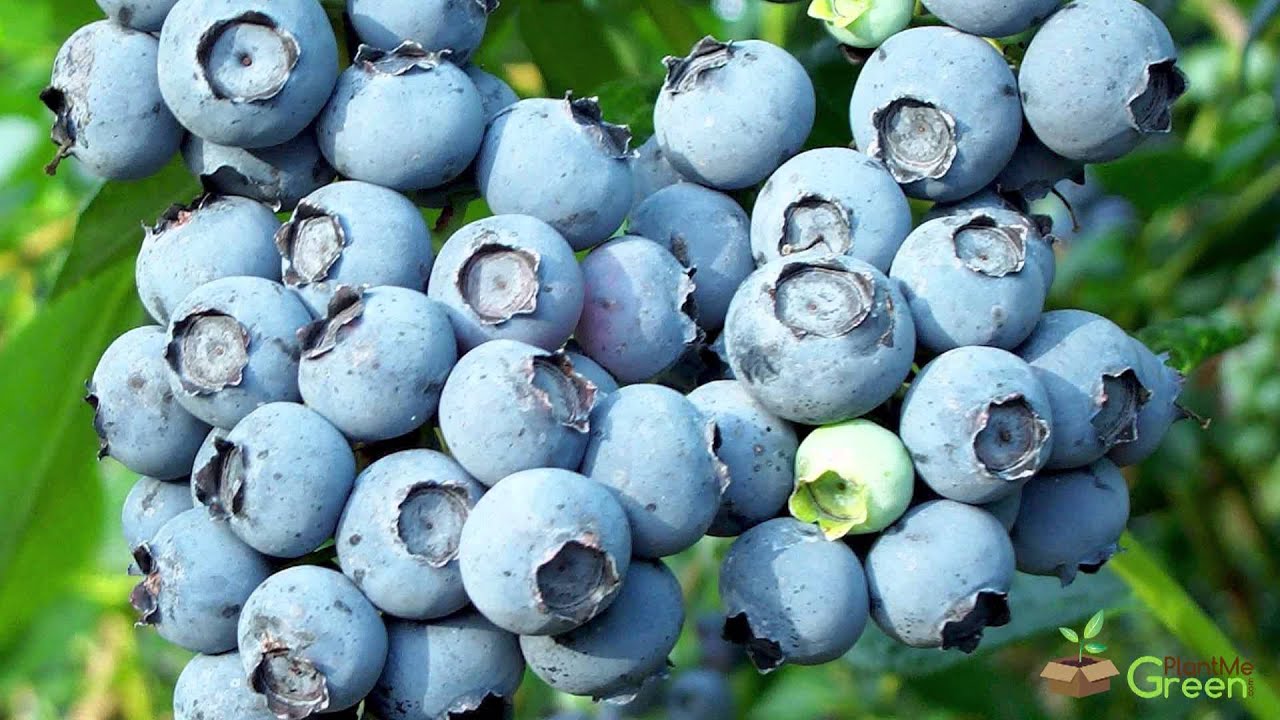
– Blueberries can have different colored insides, such as green, yellow, or white.
– Cultivated blueberries typically have blue/purple skin but light green, light yellow, or white flesh.
– The inside color of blueberries is determined by the amount of anthocyanins, which are antioxidants that absorb UV light and create the fruit’s unique color.
– Wild blueberries (bilberries) have a dark blue or purple inside.
– The concentration of anthocyanins in blueberries is affected by factors like cultivation method, soil composition, pesticide and fertilizer use, and genetic diversity.
– The longer blueberries are exposed to the sun, the higher the concentration of anthocyanins and the darker the flesh color.
– Nordic blueberries grown in the Arctic Circle have a high concentration of anthocyanins.
– Arctic Flavors freeze-dried blueberry powder is made from 100% wild blueberries from Finland, with no preservatives, sugar, or colorants added.

Continue Reading

Discover the Delicious World of Vegan Crackers: A Healthy Snack Option

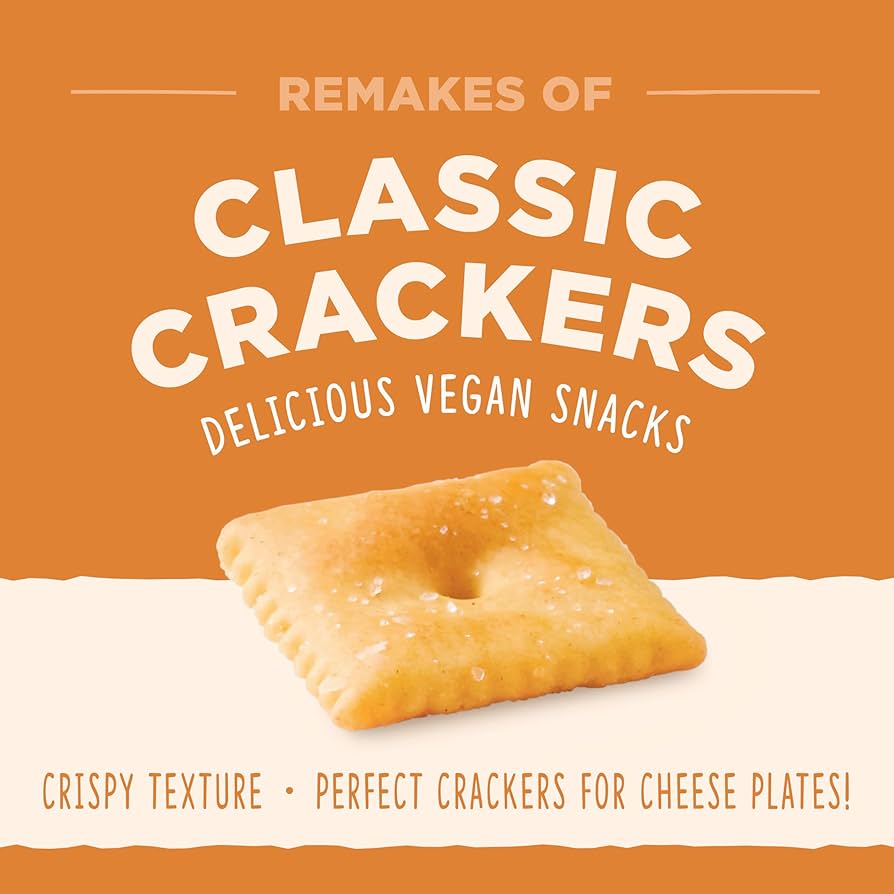
– Some crackers may not be suitable for a vegan diet as they often contain dairy products to enhance flavor, color, and texture.
– Dairy-based seasonings, such as cheese, onion, nacho, ranch, sour cream, and barbecue, are frequently used in crackers.
– However, there are many vegan cracker brands available, or at least some vegan flavors within certain brands.
– It is important to check the sodium content of pre-packaged crackers, as they often have high sodium levels.
– Savory snacks, including crackers, contribute to about 40% of the sodium consumed by Americans.
– To maintain a balanced diet, sodium intake should be kept below the daily value level of 20%.
– Some crackers may contain trace amounts of dairy in their seasoning blends, specifically from whey solids, so it is important to check the ingredient label.
– Added sugar is commonly found in pre-packaged foods, including vegan crackers. The American Heart Association recommends a limit of around 6-9 teaspoons of added sugar per day.
– Saturated fat, which can be high in pre-packaged foods like crackers, should be consumed in moderation. The Dietary Guidelines for Americans recommend consuming less than 10% of daily calories from saturated fat.
– Some top picks for vegan crackers include Doctor In The Kitchen – Organic Flax Seed Crackers, Flackers Organic – Cinnamon & Currant Flax Seed Crackers, Mary’s Gone Crackers Herb, and Mary’s Gone Crackers Organic Everything Super Seed. These crackers have high nutritional value, little to no processing, and low carbon and water footprints. They also have low saturated fat and added sugar content.
– Lundberg Family Farms – Organic Lightly Salted Wild Rice Cakes: Nutritional value: Certified Vegan, 1g of saturated fat, 219mg of sodium, and 0g of added sugar per serving. Processing: Unprocessed or minimally processed. Ingredients: Organic Whole Grain Brown Rice, Organic Wild Rice, Sea Salt. GreenScore®: 5.0 stars (5 reviews), contains dietary fiber (4% DV).
– Simple Mills – Cracked Black Pepper Almond Flour Crackers: Nutritional value: Certified Vegan, 0g of saturated fat, 25mg of sodium, and 0g of added sugar per serving. Processing: Unprocessed or minimally processed. Ingredients: Nut and Seed Flour Blend (Almonds, Sunflower Seeds, Flax Seeds). GreenScore®: 79/100, contains dietary fiber (not specified).
– Majans Snack Nibbles – Bhuja Cracker Mix: Nutritional value: Certified Vegan, 0g of saturated fat, 180mg of sodium, and 0g of added sugar per serving. Processing: Moderately processed. Ingredients: Multigrain Noodles (Yellow Peas, Chick Peas, Sunflower Oil, Rice, Potato, Tapioca, Sesame, Salt, Cumin), Rice Crackers (Rice, Soy Sauce, Cane Sugar, Tapioca, Sesame, Seaweeds, Chilli), Green Peas, Peanuts, Chick Peas, Sultanas, Sunflower Oil, Salt, Spices (Turmeric, Chillies, Paprika), Maltodextrin, Cane Sugar, Vegetable Powder. GreenScore®: 82/100, contains dietary fiber (7% DV).
– Crunchmaster – Sea Salt Protein Snack Crackers: Nutritional value: 0g of saturated fat, 170mg of sodium, and 1g of added sugar per serving. Processing: Moderately processed. Ingredients: Brown rice flour, garbanzo flour, brown rice protein, sesame seeds, potato starch, safflower oil, sea salt. GreenScore®: 77/100, contains dietary fiber (7% DV).
– Real Food From The Ground Up – Cauliflower Crackers Sea Salt: Nutritional value: 0g of saturated fat, 170mg of sodium, and 0g of added sugar per serving. Processing: Moderately processed. Ingredients: Cauliflower flour, wholegrain rice flour, cassava flour, potato starch, rice flour, potato flakes, cassava starch, rspo palm oil, salt, sugar, baking powder, rice fibers, sunflower lecithin. GreenScore®: Not specified.
– Nabisco’s Premium Saltine Crackers and Christie’s Premium Plus Crackers in Canada are vegan-friendly, certified by PETA. Sunshine Krispy Saltine Crackers and Keebler Saltine Crackers, produced by Kellogg’s, are also vegan. All of these brands have similar ingredients, including enriched flour, soybean oil, salt, and baking soda. There are also variations like unsalted and whole wheat options available.

Continue Reading

2 oz of pasta: A Nutritional Guide

According to the Internet, the hole in the middle of a pasta spoon can double as a portioning tool for spaghetti. However, this only works for a specific size of pasta spoon.
Other methods suggested for measuring pasta include comparing it to a quarter, using your palm as a guide, using a soda bottle opening, using a food scale, filling the center of a circle made with your fingers, filling a muffin tin with cooked noodles, or dividing the pasta into separate portions based on the recommendations on the box.
Pasta water can be saved and used as a thickening agent for pasta sauce.
Spaghetti should be carefully placed in boiling water and stirred to separate strands.
Adding a pinch of sugar to pasta sauce can balance out the acidity.
Different types of pasta shapes work best with different types of sauces.
Leftover cooked pasta can be frozen, but sauce should be frozen separately.
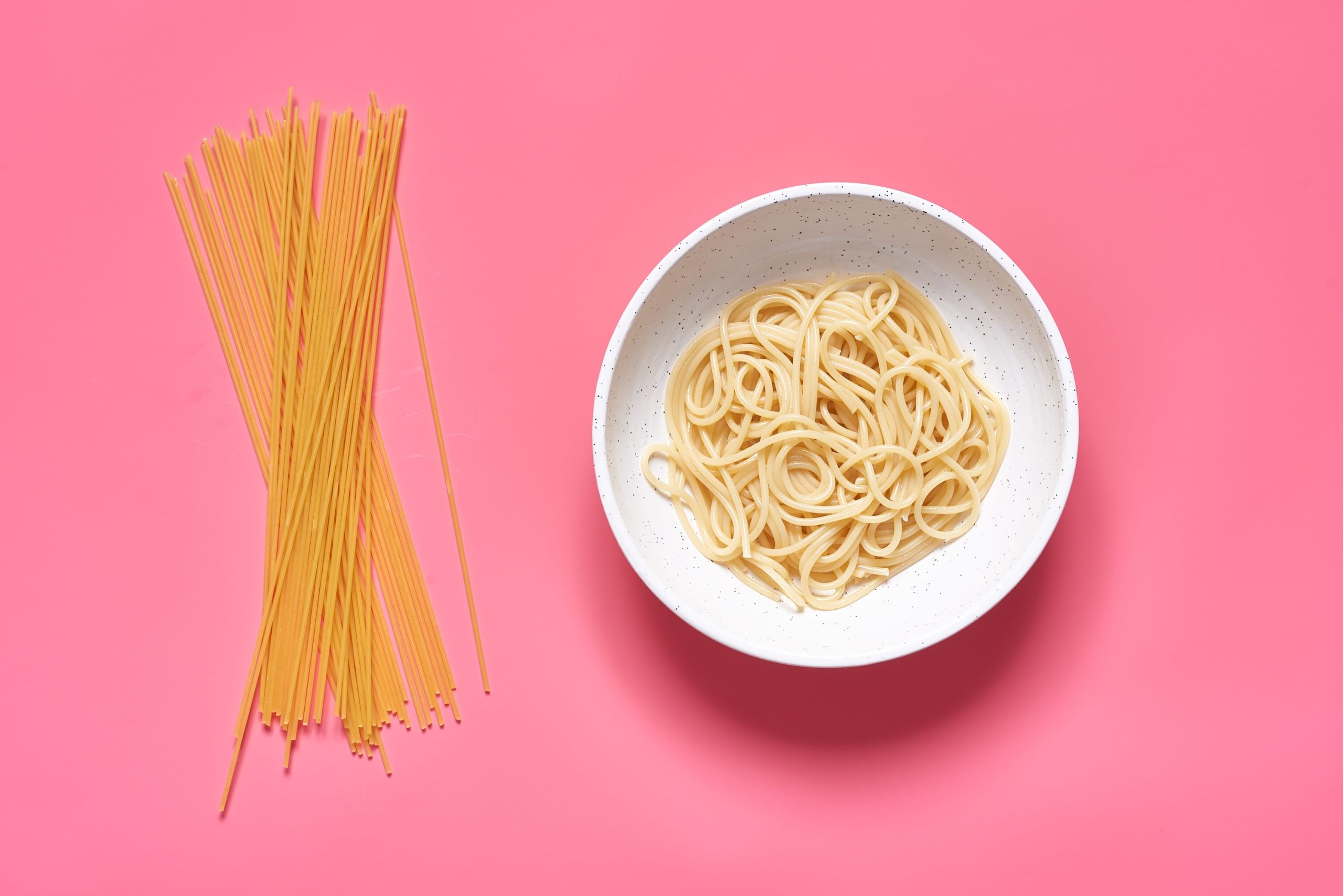
A single serving size of pasta is typically about two ounces of dry pasta, which is equivalent to about a cup of cooked pasta.
The article provides a handy chart for determining the amount of pasta to cook based on pasta shape.

Continue Reading

The Fascinating History and Cultural Significance of Thuringer Bratwurst

– Thuringer Meats
– butcher shop
– established in 1973
– located in Arlington Heights
– high-quality products
– affordable prices
– special relationships with customers and vendors
– nationwide shipping
– USPS Priority Mail
– Monday to Friday shipping
– 2 or 3 day delivery
– shelf-stable items
– Summer Sausage Collection
– Exotic Sausage Collection
– All Snack Stix and Jerky
– All Gift Baskets
– cooler shipping for non-shelf-stable items
– contact for shipping to Alaska or Hawaii

Continue Reading

Burger Temperature Chart: Ensuring Perfect Juiciness and Safety

– Burgers can be prepared in different ways, just like steak.
– Cooking burgers correctly is important to prevent foodborne illnesses.
– The minimum safe temperature for ground beef is 160 degrees Fahrenheit (FTD).
– Some burgers may not reach 160 degrees Fahrenheit.
– Consuming raw or undercooked foods can be dangerous.
– Meat thermometers are used to check the internal temperature of meat.
– Meat thermometers help lower the risk of foodborne illnesses.
– Meat thermometers allow for accurate temperature readings without compromising flavor and texture.
– To use a meat thermometer, insert the probe into the thickest section of the meat.
– Keep meat thermometers away from heat sources and check temperature in multiple areas.
– The desired internal temperature varies for different types of burgers.
– Blue rare burgers should be cooked to an internal temperature of 115-120 degrees Fahrenheit.
– Blue rare burgers usually reach this temperature in under four minutes of cooking time.
– Burgers should be cooked at medium-high to high heat, between 350 and 400 degrees Fahrenheit.
– Cooked burgers should sit out at room temperature for less than two hours, or less than one hour in temperatures above 90 degrees Fahrenheit.
– Leftover cooked burgers should be stored in a refrigerated area to prevent bacterial growth.
– Cooked burgers should rest for around five minutes before serving.
– It is not required to bring the meat to room temperature before grilling, as starting with cold meat helps maintain the burger’s juicy texture.
– The cooking time for burgers will vary depending on the desired doneness.
– The internal temperature of the burger is more important than the cooking time.
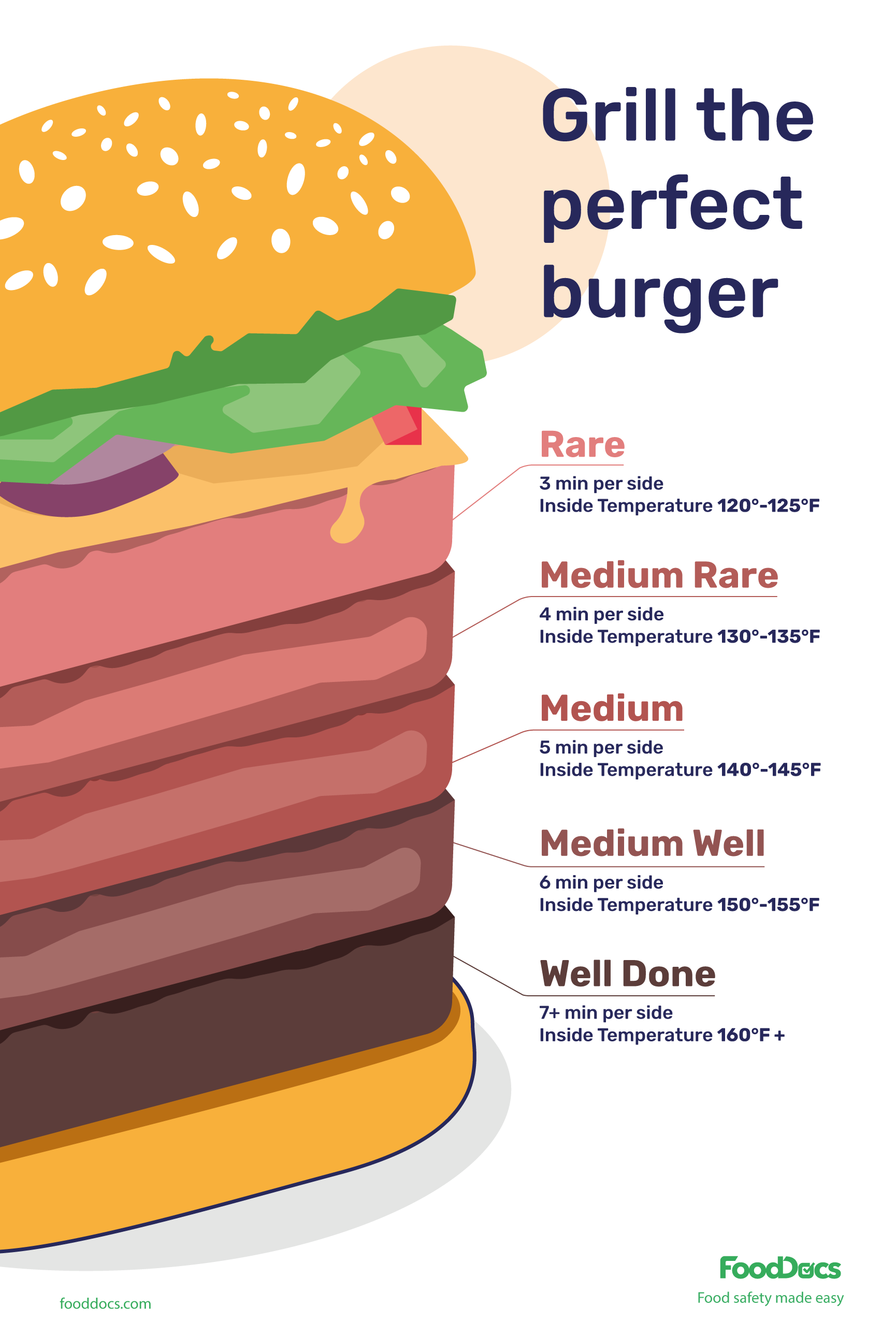
– The recommended internal temperatures for different levels of doneness are:
– Blue Rare: 115-120 degrees Fahrenheit
– Rare: 120-125 degrees Fahrenheit
– Medium-Rare: 130-135 degrees Fahrenheit
– Medium: 140-145 degrees Fahrenheit
– Medium-Well: 150-155 degrees Fahrenheit
– Well-Done: Over 160 degrees Fahrenheit
– Properly preparing burgers is important for food safety and customer satisfaction.

Continue Reading