How to Cook Jimmy Dean Breakfast Sandwiches Like a Pro

Instructions for cooking a Jimmy Dean breakfast sandwich:
– Always follow heating instructions.
– Keep the sandwich frozen until ready to use.
– It can be refrigerated overnight to thaw.
– Do not refrigerate for longer than 3 days.
– Directions were developed using an 1100-watt microwave oven.
– Heating times may need to be adjusted as ovens vary.
From Frozen:
1. Remove the sandwich from the wrapper and wrap it in a paper towel.
2. Microwave on defrost (30% power) for 1 minute 30 seconds or until thawed.
3. Turn the sandwich over and microwave on HIGH for 55 seconds or until hot. For compact microwave ovens lower than 850 watts, add 10-20 seconds if needed.
4. Let the sandwich stand in the microwave for 1 minute before serving.
From Refrigerated:
1. Remove the sandwich from the wrapper and wrap it in a paper towel.
2. Microwave on HIGH for 50 seconds or until hot. For compact microwave ovens lower than 850 watts, add 5-10 seconds if needed.
3. Let the sandwich stand in the microwave for 1 minute before serving.

Continue Reading

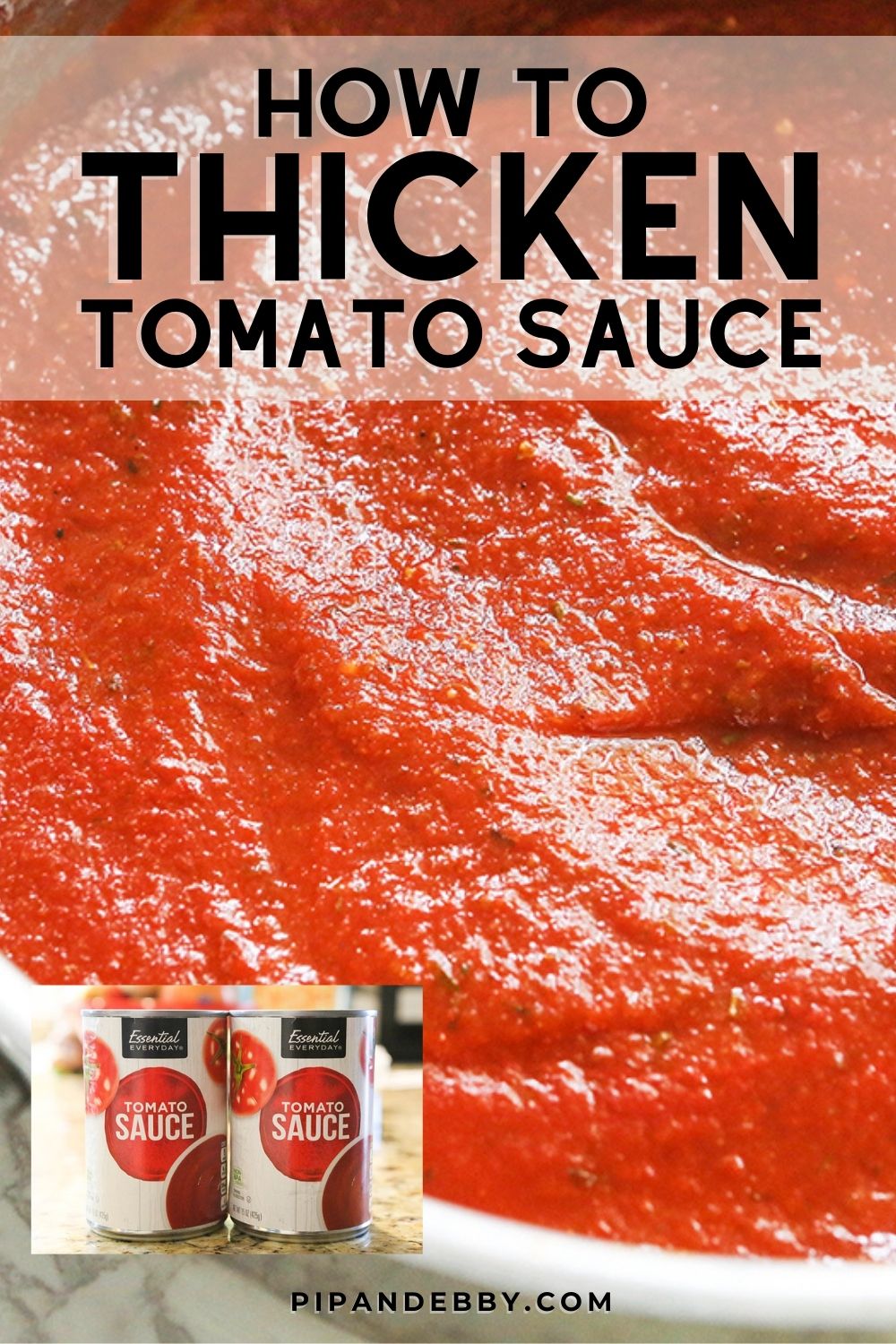
How to thicken tomato sauce: simple tips and tricks

Methods to Thicken Tomato Sauce:

1. Letting the sauce reduce by simmering for a long time.
2. Adding starch:
– Making a cornstarch slurry by mixing equal parts cold water and cornstarch.
– Substituting arrowroot powder for cornstarch.
– Adding mashed potatoes or instant potato flakes.
– Making a roux with butter and flour.
– Using breadcrumbs to soak up water.
3. Adding shredded Parmesan cheese.
4. Adding cheese early in the cooking process.
5. Adding tomato paste.
6. Mixing an egg yolk with a cup of tomato sauce and adding it back to the pan.
7. Adding mashed vegetables like cauliflower, carrots, and onions.
8. Combining a thicker tomato sauce with the homemade sauce.
9. Adding cream cheese.
10. Using clear gel to thicken homemade sauce.
11. Adding leftover pasta water.
12. Adding meat to the sauce.
– Ground beef, Italian sausage, pork sausage, or stew meat.
13. Using ground almonds to thicken tomato sauce.
– Almond flour is effective for gluten-free options.
14. Adding lemon juice to thicken the sauce.
– Half a lemon is sufficient for a large pan of sauce.

Continue Reading

How to Reheat Pulled Pork: Ensuring Juicy Tenderness

– The article discusses different methods for reheating pulled pork leftovers
– It mentions that 40% of all food in the US gets wasted each year, equivalent to about 108 billion pounds
– The article suggests that reheating leftovers in unique and tasty ways can help reduce food waste and save money
– The six best methods for reheating pulled pork are mentioned as the oven, stovetop, air fryer, smoker, grill, or crockpot
– Proper storage and refrigeration of leftover pork is emphasized to avoid foodborne illnesses
– Reheating pulled pork in the oven is recommended, with a low temperature of around 325 degrees F and the addition of moisture using sauce or broth
– Reheating on the stovetop is also suggested, with the pulled pork placed in a saucepan over low heat with water or broth
– Pulled pork stored in the refrigerator can stay good for 3 to 4 days if properly sealed
– Pulled pork can last up to 3 months in the freezer when stored in an airtight container or vacuum-sealed bag
– Reheated pulled pork should reach an internal temperature of 165°F before consuming
– Reheating pulled pork multiple times can cause it to dry out and increase the risk of bacterial growth
– Leftover pulled pork can be used in various ways, such as topping a baked potato, filling for enchiladas, or integrating it into a stir-fry
– To reheat pulled pork without drying it out, add liquid (broth, apple juice, or BBQ sauce), cover with foil or a lid, and use low and slow heating methods
– Barbecue sauce, apple juice, and apple cider vinegar are recommended as liquids to use when reheating pulled pork
– The article encourages readers to try out different methods and recipes for reheating and using pulled pork
– The article suggests pinning the recipes on Pinterest, tagging #AFoodLoversKitchen on Instagram and Facebook, and uploading photos on Pinterest to share experiences with the recipes

Continue Reading

Does Feta Cheese Melt? Unveiling the Culinary Science

List of Pertinent Information about ‘Does Feta Cheese Melt’:

– Feta cheese does not fully melt like other cheeses.
– Feta cheese softens and gets slightly gooey when heated, but it maintains its shape.
– Feta cheese has a higher acid content, which prevents it from melting completely.
– Feta cheese can be used in dishes like grilled kabobs where a melted mess is undesired.
– The calcium in feta cheese dissolves when heated, causing the proteins to harden and the cheese to lose moisture.
– Lemon juice or white wine can help soften feta cheese.
– Combining feta cheese with whole milk or melting cheese can create a slightly melted effect.
– Feta cheese is advantageous for warm cheese dips, kabobs, and stuffed meats where slight softening is desired.
– Feta cheese can be baked into cheese balls or dips, grilled, crumbled on salads or Greek/Mediterranean dishes.
– Feta cheese is relatively healthy compared to other cheeses.
– Crumbled feta cheese will only become soft and creamy when baked in the oven, not melted.
– Other cheeses that do not melt include ricotta, halloumi, cotija, paneer, queso fresco, and queso panela.
– Feta cheese cannot be forced to melt but can be coerced to be more melted by combining it with milk, lemon juice, or white wine.
– Feta cheese is one of the most ancient cheeses and considered the first cheese ever created.
– Feta cheese is a fresh cheese made from curd that is pressed and preserved in salty brine.
– Feta cheese can last for months when stored in brine.
– Originally, feta cheese was made from sheep’s or goat’s milk, but now it is mostly made from cow’s milk.
– Feta cheese has a salty taste and a full flavor when made from sheep’s milk.
– Feta cheese is crumbly but becomes creamy when eaten.
– Feta cheese can be melted and maintains its flavor when heated.
– One recommendation is to mix Feta cheese with fresh melon when serving.

Continue Reading

How to Reheat Steak in Air Fryer: Top Tips for Juicy Results!

– Guide on how to reheat steak in an air fryer
– Benefits of using an air fryer for reheating steak
– Using rare or medium rare steak for best results
– Optional use of oil for better results
– Using an olive oil spritz instead of aerosol to protect non-stick coating
– Steps for reheating steak in an air fryer
– Preheating the air fryer to prevent overcooking
– Placing the steak in the air fryer basket without touching
– Reheating at 380°F/190°C for 2-3 minute intervals
– Checking internal temperature of the steak
– Flipping the steak over after each interval
– Reheating until reaching at least 110°F/43°C in the center
– Serving with garlic butter or steak sauce
– Not recommended to reheat steak more than once
– Storage of leftovers in airtight container in refrigerator for up to 2 days, for cold consumption or use in salad or sandwich.

Continue Reading

Can You Freeze Basil? Best Methods and Tips

– The article explains how to freeze basil leaves for long-term preservation.
– Dried basil loses flavor quickly, so freezing is recommended.
– The author suggests cleaning the basil leaves before freezing them.
– There are two options for freezing: freezing whole leaves or freezing sliced basil in olive oil.
– Freezing whole basil leaves involves laying them in a single layer on a baking sheet and placing it in the freezer.
– Freezing basil in oil is another option.
– Both methods allow for easy use of frozen basil in various recipes.
– The article provides a method for freezing basil.
– The process involves thinly slicing the basil leaves, placing them in a silicone mold (such as an ice cube tray), drizzling olive oil over the basil, and freezing the mixture.
– Once frozen, the basil cubes can be removed from the mold, stored in an airtight freezer bag, and kept in the freezer until ready to use in sauces or soups.
– Freezing basil allows for year-round enjoyment of the herb.
– To freeze basil leaves, start by cleaning them and drying them thoroughly.
– You can freeze the leaves whole or sliced in olive oil.
– If you choose to freeze them whole, lay them in a single layer on a baking sheet and slide them into the freezer.
– After about 30 minutes, when the leaves are frozen, transfer them to an airtight bag and return them to the freezer.
– Freezing them in a single layer will prevent them from sticking together.
– Another option is to freeze the basil leaves in oil.
– This article describes a method for freezing basil.
– The process involves thinly slicing the basil leaves and then dividing them into a silicone mold, such as an ice cube tray.
– A little olive oil is drizzled over each batch of basil, and the leaves are pushed down into the oil to ensure each leaf is coated.
– The basil and oil are then placed in the freezer until the oil has hardened.
– Once hardened, the cubes of basil and oil can be popped out of the mold and stored in an airtight freezer bag.
– These frozen basil cubes can be added to sauces or soups.

Continue Reading

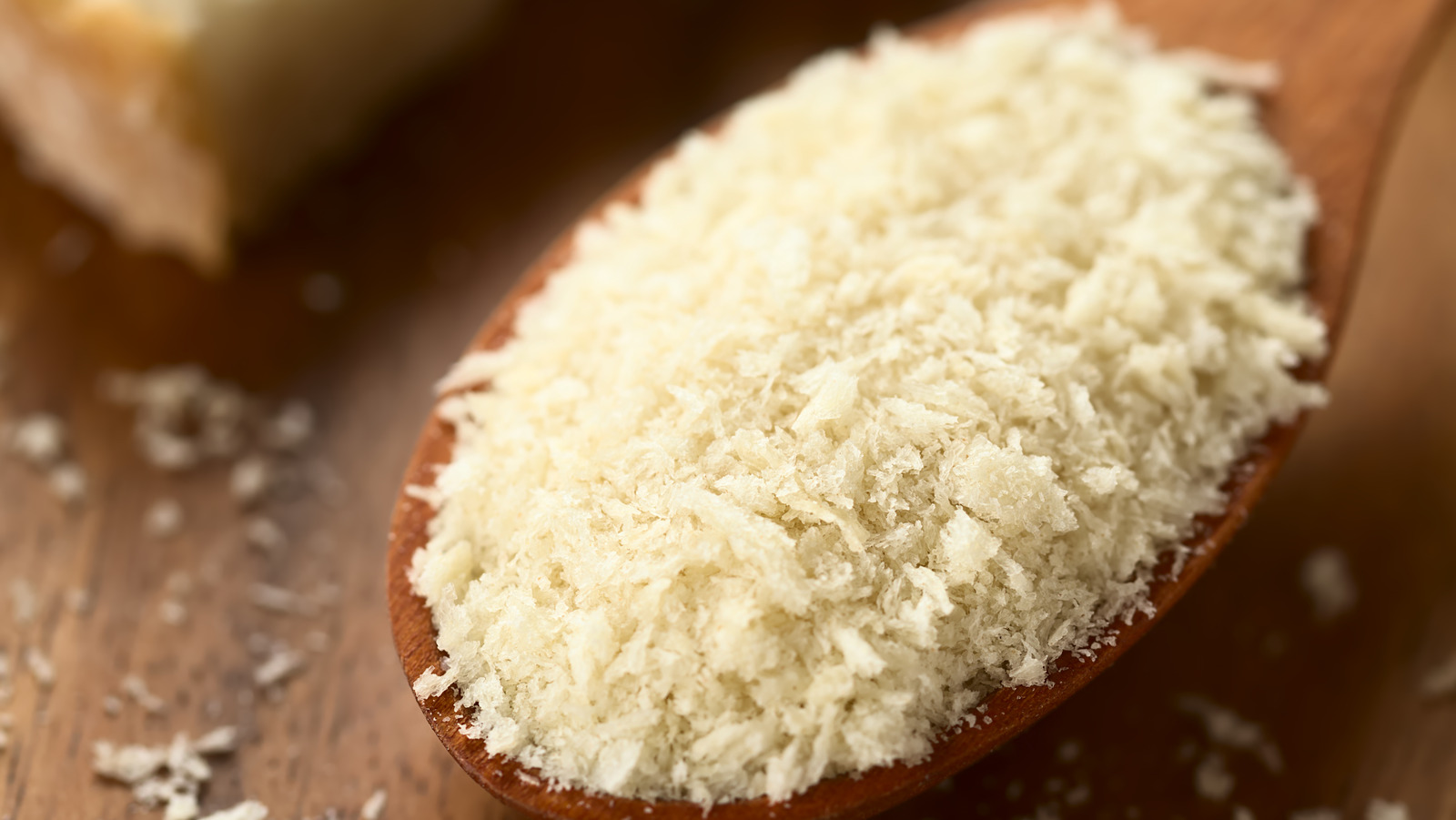
Exploring Panko Alternatives: Discovering Delicious Substitutes for Breadcrumbs

– Using crushed crackers as a substitute for panko bread crumbs
– Using crushed corn flakes as a substitute for panko bread crumbs
– Using crushed potato chips as a substitute for panko bread crumbs
– Using crushed pretzels as a substitute for panko bread crumbs
– Using crushed tortilla chips as a substitute for panko bread crumbs
– Using crushed rice cereal as a substitute for panko bread crumbs
– Using crushed oats as a substitute for panko bread crumbs
– Using crushed almond flour as a substitute for panko bread crumbs
– Using crushed coconut flakes as a substitute for panko bread crumbs
– Using crushed dried breadcrumbs as a substitute for panko bread crumbs

Continue Reading

Italian Seasoning Substitute: Unlock the Secrets of Aromatic Flavors

– If you run out of Italian seasoning while cooking, there are 4 ways to substitute it using pantry ingredients.
– Italian seasoning is commonly used in recipes and can be found in most grocery stores.
– Homemade Italian seasoning typically includes dried herbs such as basil, parsley, oregano, thyme, rosemary, marjoram, and sage.
– Additional ingredients may include garlic powder, black pepper, fennel seeds, and crushed red pepper flakes.
– A recipe for homemade Italian seasoning is provided, and it can be stored for up to 6 months.
– Homemade Italian seasoning can be used in pasta sauce, marinara sauce, pizza sauce, soups, stews, salad dressings, and sprinkled over garlic bread or crackers.
– The article provides information on alternative options for Italian seasoning substitutes.
– It suggests using a combination of dried basil and dried oregano in a 2:1 ratio as a substitute.
– Another option is using Herbs de Provence, a spice blend from the South of France that includes similar ingredients to Italian seasoning but may have a different flavor due to the inclusion of dried lavender.
– Fresh herbs can also be used as a substitute, such as fresh basil, parsley, oregano, thyme, sage, and/or rosemary.
– Fresh herbs are less potent in flavor than dried herbs, so a 3:1 ratio of fresh to dried is often used.
– The article provides information on various spice blends that can be used as substitutes for Italian seasoning, including pizza seasoning, Mediterranean or Greek seasoning, and Za’atar seasoning.
– These substitutes offer similar flavors but may have slight variations in ingredients.
– Za’atar seasoning includes sesame seeds, which may not be suitable for certain dishes like red sauces or soups.
– The article encourages readers to experiment with these alternatives and suggests trying homemade spice blends such as taco seasoning, Cajun seasoning, and ranch seasoning.

Continue Reading