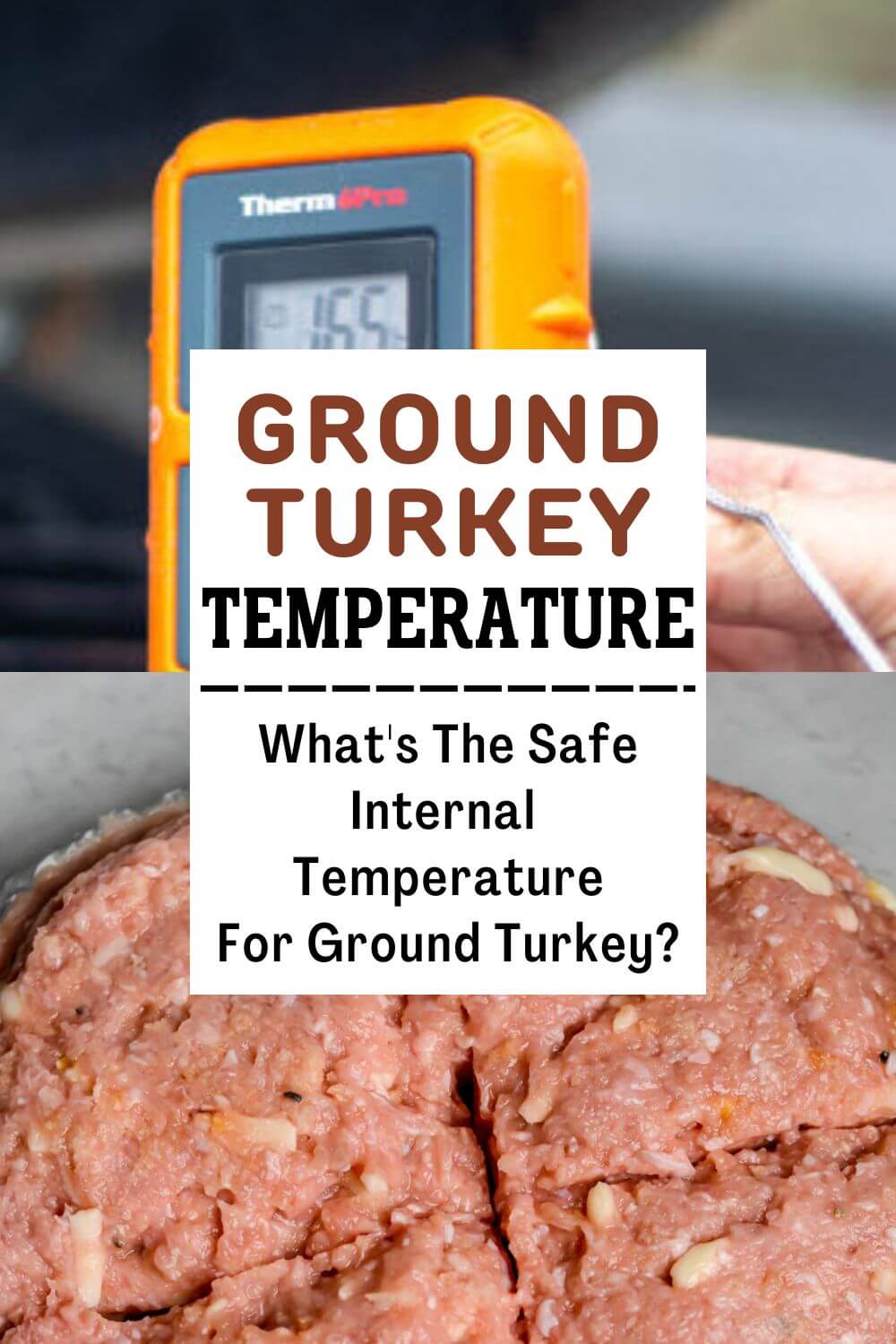
Ground Turkey Temperature: Ensuring Safe and Delicious Cooking

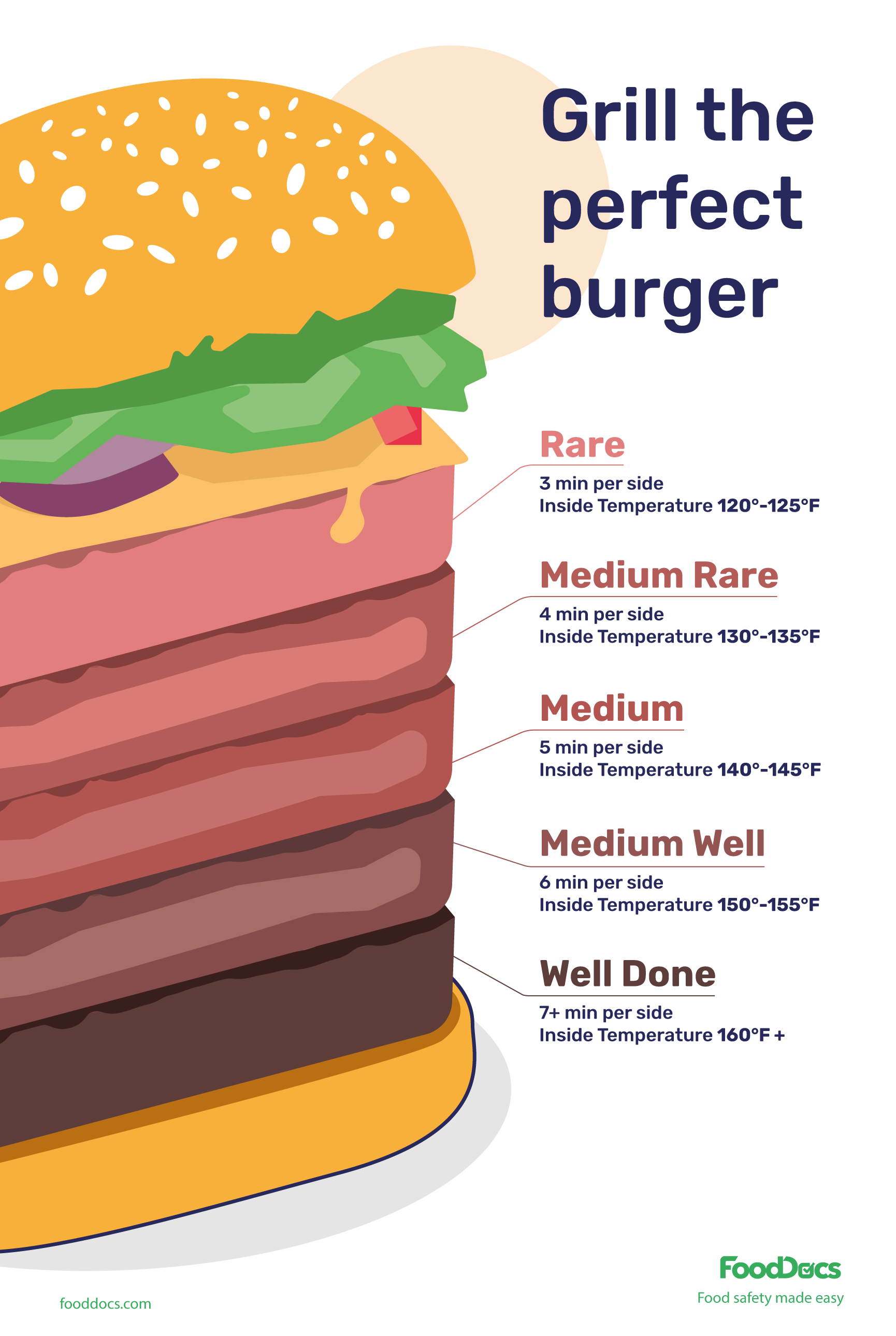
– The recommended internal temperature for ground turkey is 160 to 165°F.
– Cook ground turkey to a safe cooking temperature of 165°F.
– Use a kitchen thermometer to ensure the correct temperature is reached and to prevent overcooking.
– Turkey burgers should be cooked all the way through due to lower density of turkey meat.
– Raw ground turkey is light pink in color.
– Ground turkey can be cooked on the stovetop or in the oven.
– If using visual checks, raw turkey is pinkish with a sheen and turns opaque grey/brown when cooked.
– Use a meat thermometer for accuracy.
– Choose the right ground turkey for your recipe.
– Regular ground turkey has around 7-10% fat, while lean ground turkey has 3% fat, and ground turkey breast has 1% fat.
– Ground turkey is made from trimmed meat from the turkey’s thighs and drumsticks.
– Ground turkey is low in fat and calories, making it a good protein option for those trying to cut down on calories or lose weight.
– Ground turkey is a good source of vitamin B3 (niacin) and selenium.
– Ground turkey can absorb flavors and is often used as a substitute for ground beef in recipes.
– Signs that ground turkey has gone bad include a foul smell, slimy texture, and a loss of light pink color.
– Ground turkey can spoil quickly depending on temperature and air exposure.
– A temperature of 40°F or higher promotes rapid bacterial growth in ground turkey.
– Ground turkey should be refrigerated in a sealed container for up to two or three days.
– If not used within that time frame, ground turkey should be frozen.
– If unsure about whether ground turkey is spoiled, it is better to discard it to avoid food poisoning.
– Ground turkey has a mild flavor and can easily absorb other flavors.
– Ground turkey can be used as a substitute for ground beef or pork in various recipes.
– Grilled turkey burgers and meatballs are popular options.
– Ground turkey can be used in soups, chilis, pasta dishes, and bolognese sauce.
– The safe internal temperature for ground turkey is 165°F.
– Using an instant-read thermometer can ensure ground turkey is cooked to the safe temperature.

Continue Reading

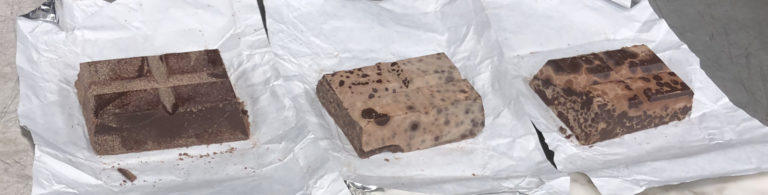
Discover the Hidden Dangers of Mold on Chocolate

– Mold on chocolate is rare and usually only occurs if it is exposed to damp conditions and has a lot of sugar and milk
– Dark chocolate is less likely to develop mold due to its high fat and tannin content
– Mold on chocolate can alter its texture and flavor, but it is still safe to eat
– If the texture is not enjoyable, the chocolate can be melted and enjoyed in that form
– Chocolate bars that are not filled with creams or perishable ingredients typically do not mold if kept well
– Dark chocolate showpieces that are left out for years have not been observed to develop mold
– Milk chocolate is more susceptible to developing mold due to its higher sugar and milk content
– Properly sealed solid chocolate bars rarely go moldy, especially if stored in an airtight and moisture-free environment
– The flavor of chocolate may change slightly over time if exposed to air, but it will still remain edible.

Continue Reading

How to Tell if Shrimp is Bad: Significantly Minimize Health Risks

– Smell is a good indicator of whether cooked shrimp has gone bad. If it smells fishy or sour, it’s likely not safe to eat.
– The texture of cooked shrimp should be firm and slightly springy. If it feels slimy or mushy, it has spoiled.
– Cooked shrimp should be a pinkish color. If it looks gray or has dark spots, it could be spoiled.
– Check the date of when the shrimp was cooked. Shrimp should be eaten within 2-3 days of cooking.
– If something doesn’t seem right about the cooked shrimp, it’s best to throw it away.
– Eating bad shrimp can cause shellfish poisoning, with symptoms including diarrhea, severe vomiting, headaches, pain in the abdomen or cramps, nausea, blood spots in stools, and fever.
– Fresh shrimp should have a pinkish hue. Avoid shrimp that is gray or has black spots.
– The texture of fresh shrimp should not be slimy or mushy.
– Fresh shrimp should have a mild, briny odor. Avoid shrimp that smells overly fishy or sour.
– Clear and shiny eyes indicate fresh shrimp, while cloudy or dull eyes indicate shrimp that is not fresh.
– Discoloration, such as yellowing or browning, is a sign of bad shrimp.
– The shelf life of raw, shelled shrimp is 1-2 days in the refrigerator.
– The shelf life of raw, shell-on shrimp is 2-3 days in the refrigerator.
– The shelf life of cooked shrimp is 3-4 days in the refrigerator.
– Both raw and cooked shrimp can be frozen for 2-3 months.
– To store fresh shrimp, place it in a single layer in an air-tight container with wax paper to absorb moisture.
– Store the shrimp container tightly in the coldest area of the fridge, preferably on crushed ice to keep it colder.
– Shrimp should not have any mold on it or the packaging.
– Frozen shrimp should not have ice crystals or frost, which could indicate thawing and refreezing.
– Freezer burn can occur if shrimp has been in the freezer for more than 3 months.
– Look for signs of spoilage such as a funky smell or discoloration in frozen shrimp.
– Trust your senses, if the shrimp doesn’t look, smell, or feel right, it’s likely bad.
– Tips to tell if cooked shrimp is bad: smell it (if it smells fishy or sour, it’s likely not safe to eat), check the texture (if it feels slimy or mushy, it has spoiled), look at the color (should be pinkish, not gray or have dark spots), check the date (should be eaten within 2-3 days of cooking).
– Eating bad shrimp can cause shellfish poisoning with symptoms like diarrhea, severe vomiting, headaches, abdominal pain or cramps, nausea, blood spots in stools, and fever. Symptoms can appear between 4 to 48 hours after consumption.
– To identify fresh shrimp: look for a pinkish hue, avoid gray or black spots, check the texture (should not be slimy or mushy), and smell it (should have a mild, briny odor, not overly fishy or sour).
– Fresh shrimp should have clear and shiny eyes.
– Shrimp with cloudy or dull eyes is not fresh.
– Fresh shrimp should not have any discoloration, such as yellowing or browning.
– Fresh shrimp should be stored in an airtight container or a resealable plastic bag.
– Wax paper should be placed loosely over the container to absorb excess moisture.
– The container should be stored tightly in the coldest area of the fridge, preferably on crushed ice.

Continue Reading

Can You Leave Eggs Out Overnight? Safety, Storage Tips & More

– Keeping eggs in the fridge is an American quirk.
– Eggs sold in many countries are unrefrigerated and kept on the counter.
– Farm-fresh eggs can be kept on the counter for about a week if they have never been refrigerated.
– Once refrigerated, eggs must be kept refrigerated.
– Refrigerated eggs can last four to five weeks after packaging date if stored properly.
– Eggs can be left on the counter for two hours at room temperature or one hour if temperature is 90 degrees F or hotter.
– After two hours, it is safer to throw out the eggs due to potential bacterial growth, particularly Salmonella.
– Symptoms of Salmonella include diarrhea, fever, abdominal cramps, and vomiting.
– Salmonella contamination from eggs causes about 79,000 illnesses and 30 deaths per year according to FDA estimates.
– Proper guidelines include keeping eggs refrigerated below 40 degrees F, discarding cracked eggs, and washing hands and utensils that come in contact with raw eggs.

Continue Reading

What Does Undercooked Chicken Look Like: A Visual Guide to Spotting Potential Risks

– Undercooked chicken will appear raw and pink on the inside and outside.
– If the chicken is slightly pink or if the juices are red or pink, it is likely not cooked through.
– There should be no blood present when cutting into the thickest part of the meat.
– Undercooked chicken will lack flavor and have a raw, slightly slimy texture.
– It is important to know if chicken is undercooked to avoid foodborne illnesses like salmonella.
– The moisture test: pressing the chicken with your finger and clear juices indicate it is cooked through, pink or red juices mean it needs more cooking.
– The color test: pink or red flesh indicates it needs more cooking, gray or white flesh means it is safe to eat.
– The size reduction test: if the meat has significantly shrunk in size, it may still be raw.
– The time test: each pound of chicken should cook for at least 20 minutes at 350 degrees Fahrenheit. Adjust accordingly for different cooking methods or temperatures.
– Chicken should be cooked at 350 degrees Fahrenheit for 20 minutes per pound of boneless chicken.
– Internal temperature should reach at least 165°F before the chicken is safe to consume.
– Signs of overcooked chicken include dryness and toughness.
– Chicken should feel firm and springy when pressed with your index finger when cooked through.
– Undercooked chicken can cause food poisoning.
– Symptoms of food poisoning from undercooked chicken can appear within two days.
– Antibiotics may be required for a full recovery in severe cases of food poisoning.
– Undercooked chicken may not necessarily be pink.
– The USDA recommends heating chicken until all parts reach a minimum internal temperature of 165°F.
– Consuming undercooked chicken can lead to bacterial infections such as Salmonella and Campylobacter, which can cause symptoms like abdominal cramps, nausea, vomiting, and diarrhea.
– Every 25th package of chicken has the potential to be contaminated with Salmonella, so even slightly undercooked chicken is not safe to consume.
– Reheating undercooked chicken until fully cooked is advisable.

Continue Reading

How to tell if garlic is bad and avoid food waste

– Fresh garlic should be firm and have a strong, but not overwhelming smell.
– Signs of bad garlic include mold (white, dark brown, or black), soft spots that are brown or black, sprouting, strong acrid or ammonia-like smell, and yellowing color.
– A fresh bulb of garlic, when stored properly, can last for 3 to 6 months.
– Garlic should be stored at room temperature in a dry, dark place with good ventilation.
– Garlic should not be stored in the refrigerator unless it’s peeled or chopped.
– Garlic with a bad smell, specifically an acrid or sour smell, should not be eaten as it may taste bad and make someone sick.
– Individual peeled garlic cloves can last for up to one week in the refrigerator.
– Minced garlic will last for a day unless stored in olive oil or frozen.
– Garlic can be frozen, and it will keep for up to a year when stored in a freezer-safe container.
– Whole, unpeeled bulbs, individual peeled cloves, and minced/chopped garlic can all be frozen.
– Properly stored fresh and whole garlic can last up to five months in the pantry and 12 months in the freezer.
– Fresh and raw garlic does not have an expiration date and can last up to three to five months in the pantry.
– Peeled and chopped garlic can last for about a week in the refrigerator and 10 to 12 months in the freezer.
– Processed garlic usually has an expiration date on the label, with a prepared jar of chopped or minced garlic lasting up to three months in the fridge.
– Spoiled garlic has brown spots on the cloves and turns from white to a different color.
– Garlic can be considered bad if it has a yellow or brown color, green roots forming in the clove, or loses its distinct smell and has a sour scent.
– Spoiled garlic can cause botulism, a rare but serious and potentially fatal illness.
– Botulism symptoms from bad garlic include nausea, vomiting, dizziness, double vision, difficulty swallowing and breathing.
– Proper storage of garlic includes keeping it in a dry and dark place, at room temperature, and in containers that allow air circulation.
– Freezing garlic can extend its shelf life, but may alter the texture and flavor.
– Peeled garlic can be frozen by spreading cloves on a baking sheet for 20 minutes, then transferring them to an airtight container or freezer bag.
– Minced and chopped garlic can be stored in an airtight container or jar, covered with olive oil, in the refrigerator.
– Chopped and minced garlic can also be kept frozen, either in an airtight container or wrapped tightly with freezer plastic wrap.

Continue Reading

How Long Does Chinese Food Last in the Fridge? Proven Tips for Safe Storage & Consumption

– Chinese food leftovers should last between three to four days in the fridge
– Shrimp has a short shelf life and may not last as long
– Vegetable-based dishes generally last longer than meat dishes
– Leftovers should be consumed based on the shortest shelf-life ingredient
– Chinese food left out at room temperature is not safe to eat and should be refrigerated immediately
– Placing leftovers in a clean, airtight container can maximize their shelf life
– According to PreparedCooks, Chinese leftovers should last between three to four days in the fridge

Continue Reading

Microwave Safe Symbol: Discover its Importance and Meaning!

– The microwave safe symbol is a pictogram of a microwave with wavy lines underneath, indicating that a product is safe for use in a microwave oven.
– It is developed by the International Organization for Standardization (ISO) and is widely used in Europe and North America.
– The symbol is usually found on the bottom or back of the product and indicates that it has been tested and approved by the FDA for microwave safety.
– Products with metal trim, foil wrappers, or plastic containers with metal handles are not safe to use in the microwave, even if they have the microwave safe symbol.
– It is important to use cookware labeled “microwave safe” to prevent sparks and fires.
– The microwave safe symbol helps prevent accidental fires caused by using containers and packaging that are not safe for the microwave.
– Items with the microwave safe symbol have been tested and proven to be safe to use in the microwave, while items without the symbol may not be safe.
– Glass and ceramic materials are microwave safe, while metal should not be used in the microwave.
– Plastic containers should have a microwave safe symbol on the bottom to indicate if they can be used in the microwave.

Continue Reading

Do Macarons Need to be Refrigerated: Tips and Recommendations

– Macarons made with butter need to be refrigerated.
– There are two types of macaron filling: buttercream and ganache.
– Buttercream macarons need to be refrigerated, while ganache macarons do not.
– Buttercream macarons last over 14 days when refrigerated.
– Frozen macarons can be stored for 6 months, but they may “sweat” water and lose their texture.
– Freezing macarons causes the water in them to turn from liquid to solid, and when thawed, moisture in the air causes the shells to absorb water.
– The best way to eat macarons is at room temperature to maintain the balance of texture.
– Macarons can be stored in a number of ways, including in an airtight plastic container.
– Storing macarons in the fridge keeps them fresher.
– It is recommended to take macarons out of the fridge at least 20 minutes before serving.
– Freezing macarons after they have been cooked and filled is not recommended as it may change the texture.
– Macarons should not be left uncovered to prevent them from drying out.
– Storing macarons in the fridge or refrigerated displays is recommended for bakers or store owners who want to sell them.

Continue Reading

Can you refreeze chicken safely without compromising taste?

– There are various ways to thaw chicken: in the refrigerator, in the microwave, or in cold water.
– Thawing chicken in the refrigerator is the best option, although it takes one to two days.
– Chicken thawed in the refrigerator can be refrozen as is within two days of thawing.
– If chicken is thawed in the microwave or in cold water, it must be cooked before being refrozen.
– Thawing chicken in the microwave may cause parts of the chicken to warm and cook, making it unsafe to refreeze without fully cooking it.
– Chicken thawed in cold water also needs to be cooked before refreezing, as maintaining a consistently cold temperature is difficult.
– Chicken should be cooked to a minimum internal temperature of 165°F.
– The bottom line is that you can refreeze chicken, but it must be cooked first if thawed in the microwave or in cold water.

Continue Reading