Pedialyte and Liquid IV are popular electrolyte supplements. Both products contain salt and sugar, which are important for hydration.
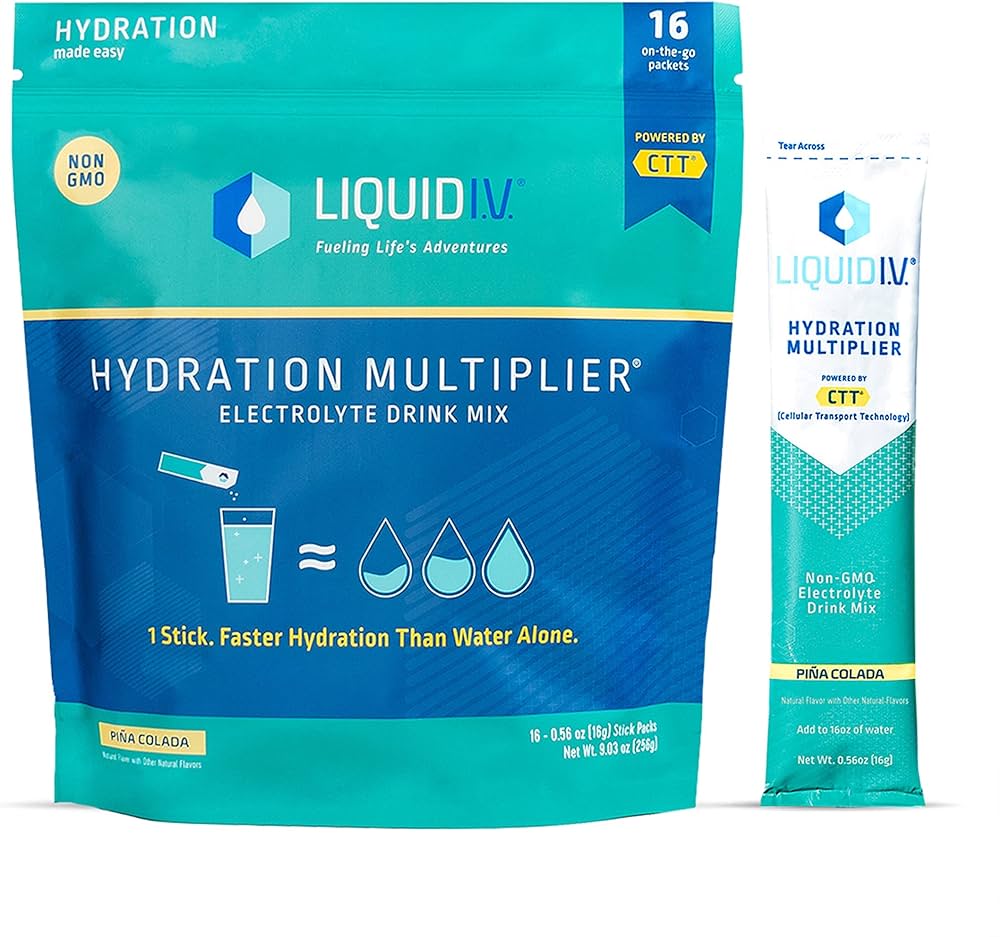
In terms of ingredients, a full packet of Pedialyte contains 25 calories, 240mg of sodium, 6g of sugars, 6g of carbohydrates, 180mg of potassium, 290mg of chloride, and no vitamins. A full packet of Liquid IV contains 45 calories, 500mg of sodium, 11g of sugars, 11g of carbohydrates, 380mg of potassium, 0mg of chloride, and various vitamins including vitamin C, niacin, vitamin B6, vitamin B12, and pantothenic acid.
Liquid IV packets are nearly double the weight of Pedialyte packets (16g vs. 9g), and the recommended amount of water to mix with each brand also differs (8oz for Pedialyte, 16oz for Liquid IV).
Liquid IV contains high levels of vitamins C, B6, B12, and pantothenic acid, while Pedialyte does not. Liquid IV also uses natural sweeteners and flavors, while Pedialyte uses artificial ones. However, Pedialyte contains chloride, which is important for fluid balance.
In a comparison between Liquid IV and Pedialyte, reviewers found that both products had positive effects on hydration and well-being. There were no significant differences in performance during low activity, everyday hydration situations. Reviewers preferred the taste of Liquid IV over Pedialyte.
For heavy workouts, over 80% of reviewers preferred Liquid IV over Pedialyte after activities like swimming, running, and kickboxing. Liquid IV gave higher output scores and a satisfying taste after intense indoor rides.
Both Pedialyte and Liquid IV received positive feedback for reducing pain and shortening recovery time for hangovers. Reviewers found Pedialyte on ice to be extremely satisfying in terms of taste. Liquid IV is known for preventing or lessening the effects of dehydration caused by alcohol consumption.
Liquid IV is considered the overall winner due to its wide range of use cases and ingredients that support rapid hydration. Pedialyte is effective for hangovers and is now marketed towards adults with a flavored water drink called Sparkling Rush.
Liquid IV uses Cellular Transport Technology (CTT) to enhance the rapid absorption of nutrients and water into the bloodstream. It is formulated with 5 essential vitamins and comes in multiple flavors. There are also other Liquid IV products available, each with specific benefits for energy, hydration, and physical performance.
Pedialyte is a hydration solution that restores fluid, electrolytes, and zinc in the body to prevent dehydration and boost energy. It is scientifically formulated with an optimal balance of sodium. There are various types of Pedialyte products available, each with its own unique benefits and flavors.
There is no need to drink Pedialyte or Liquid IV daily unless instructed by a medical professional. They can be used for hydration after exercising, playing sports, being sick, or having a big night out. These drinks provide extra electrolytes and hydration, but should not be relied upon for daily hydration. Symptoms of low electrolytes include muscle spasms, dizziness, or cramps after intense workouts.
Liquid IV is considered better than Gatorade as it has less sugar and calories, higher amounts of electrolytes and vitamins, and higher levels of sodium and potassium.
Continue Reading