What Does Eel Taste Like? A Dive into Flavor Profiles of Eel Dishes

– Eels have a sweet taste and are often compared to salmon, lobster, octopus, catfish, or chicken.
– Eel can be affected by how it is cooked and the amount of spices used.
– The texture of eel depends on how it is cooked, with deep frying making the meat crisp and crunchy and boiling making it soft.
– Freshwater eels are softer in texture compared to saltwater eels.
– Smoked eel tastes similar to other smoked fish and is categorized as oily fish.
– Smoked eel is high in omega-3s and antioxidants.
– Eel sauce can have different flavors such as sweet, salty, or smoky.
– Electric eels are not true eels, but are classified as carps and catfishes.
– Electric eels can generate up to 600V of electricity and are efficient predators.
– Different kinds of edible eels include jellied eel, unagi, kabayaki, and Jangeo-gui (grilled freshwater eels).
– Pregnant women can eat eels in moderation and may benefit from their high vitamin and protein content.
– Eels are considered a delicacy in different cultures and have a mild and soft taste.
– Freshwater eels have a soft to medium-firm texture and taste like a combination of lobster and chicken.
– Freshwater eels have a rich flavor and a little bit of toughness, similar to lobster.
– European eels are a variety of freshwater eel with small fins and a snake-like body.
– Saltwater eels have tougher meat and thicker skin compared to freshwater eels.
– Saltwater eels have a blander taste with slight sweetness compared to freshwater eels.
– Saltwater eels are not as oily as freshwater eels.
– Eel blood is dangerous to humans, so eel is always served cooked.
– Eel is a popular ingredient in Japanese cuisine, particularly in sushi.
– Different types of eel used in sushi include freshwater eels (unagi) and saltwater eels (anago).
– Eel can be served with avocado or cucumber to enhance the flavor.
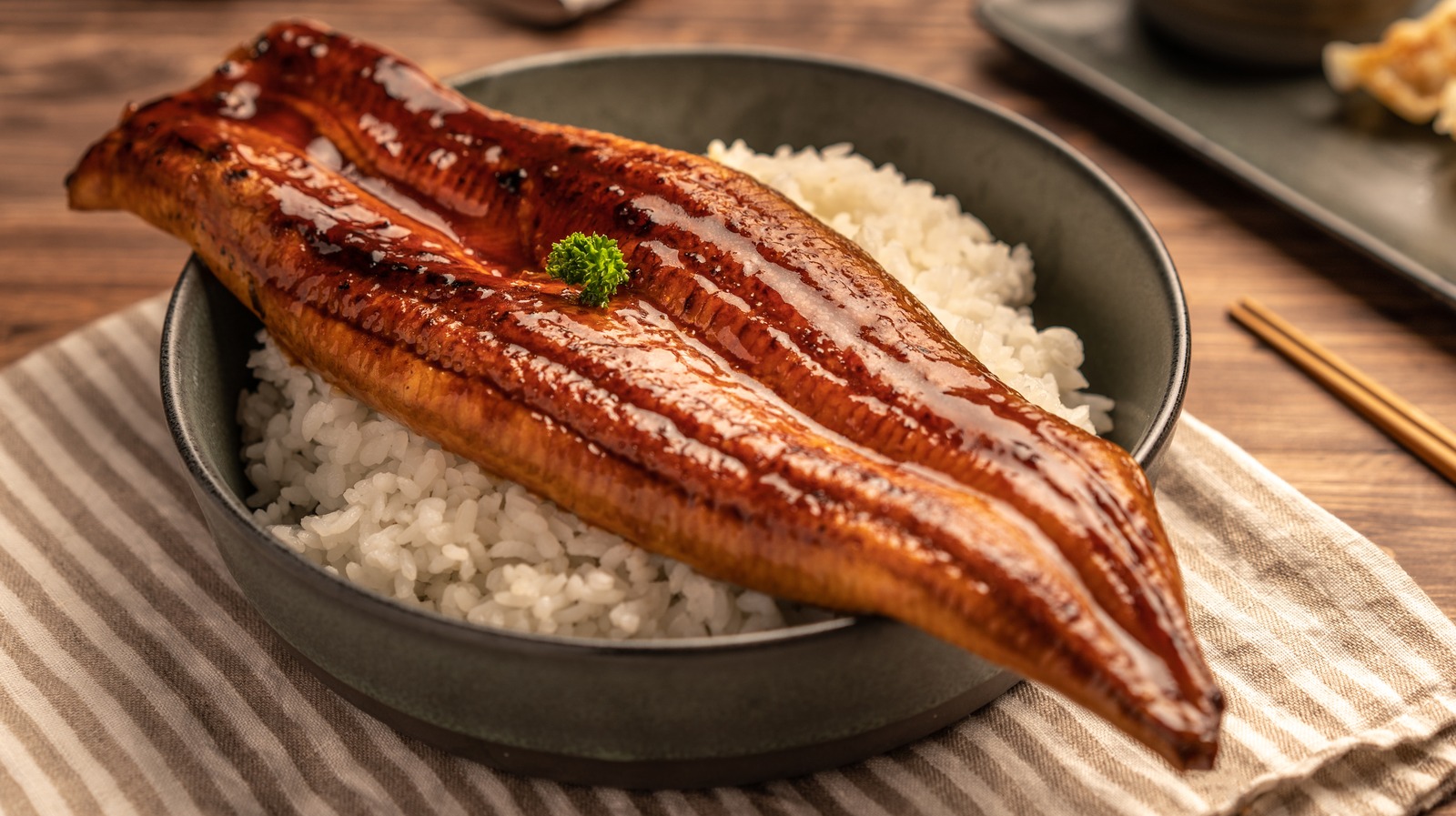
– Unadon is a popular Japanese dish made with grilled eel served with steamed rice and glazed with soy sauce and caramel.
– Jellied eels are a traditional English dish made from boiled and chilled freshwater eels.
– Some people find jellied eels not delicious and hard to swallow.
– In Belgium, boned eels are simmered with herbs and seasoned with butter and salt to make a dish called Paling in’t Groen.
– Smoked eel is popular in many countries, including Australia and Europe.
– Eel is rich in nutrients such as calcium, magnesium, potassium, manganese, zinc, iron, vitamin A, omega-3 fatty acids, and phosphorus.
– Consuming eel can improve skin, strengthen bones, protect the heart, improve blood condition, enhance the digestive system, and boost eye function.
– Eel has a high cholesterol content, with 257 mg of cholesterol per 200 grams.
– Eels are not recommended for those with high cholesterol problems.
– Eel contains mercury, so caution is advised for pregnant, breastfeeding women, and babies.
– Japanese people have the longest life expectancy, likely due to the nutritional benefits of eels.

Continue Reading
How does sesame salt pudding taste

Sesame Salt Pudding: How Does It Taste, What Are The Benefits And How Often Should You Eat It?

Sesame salt pudding is a popular dish in many parts of Asia. It is made from sesame paste, salt, and water. The taste of sesame salt pudding can vary depending on the region it is from. Some people find it to be sweet, while others find it to be salty.

There are many health benefits associated with eating sesame salt pudding. For example, it can help to improve digestion and blood circulation. Additionally, sesame salt pudding is a good source of calcium and iron.

The frequency with which you eat sesame salt pudding is up to you. However, it is generally recommended that you eat it at least once per week.

Continue Reading

Is Rice a Vegetable? Unraveling the Nutritional Mysteries

– Rice is a grain and not a vegetable.
– Rice is the seed of a grass called Oryza Sativa.
– Rice is grown in paddies and takes about 3-6 months to grow.
– The hull and bran layers are removed during the milling process, resulting in white rice.
– Rice falls under three main categories: long grain, medium grain, and short grain.
– Rice is plant-based and suitable for vegans and vegetarians.
– Rice is gluten-free and suitable for those with celiac or following a gluten-free diet.
– Some restaurants and recipes may use animal ingredients when cooking rice.
– Rice is a good source of carbohydrates, fiber, manganese, selenium, magnesium, and B vitamins.
– Brown rice is considered healthier than white rice due to its higher nutrient and fiber content.
– White rice is often enriched with iron and B vitamins.
– Brown rice contains higher levels of arsenic compared to white rice.
– Rinsing rice before cooking helps to remove arsenic.
– Rice consumption should be limited for children and babies.
– White rice does not cause weight gain or weight loss.
– Brown rice aids in weight loss due to its fiber content.
– White rice often has nutrients added back in after processing.
– Red rice helps to boost immunity.
– Brown rice is good for controlling blood sugar in those with diabetes.
– Brown rice improves heart health by reducing cholesterol and aiding in the transport of oxygen in the blood.
– Brown rice promotes digestive health due to its fiber content and is safe for those with celiac disease.
– Riced vegetables are not actually rice, but are vegetables that have been processed to resemble rice.

Continue Reading

Are onions vegetables or something else entirely?

Onions are widely cultivated vegetables, of the genus Allium, known for adding flavor to many dishes. They are native to southwest Asia and are grown throughout the world. Onions are an edible vegetable in the Allium family, which includes red onions, yellow onions, spring onions, leeks, ramps, scallions, chives, and shallots. In terms of culinary classification, onions are considered vegetables. Botanically, fruits are seed-bearing and develop from the ovary of a flowering plant, while vegetables are other parts of the plant such as roots, stems, and leaves. However, for legal purposes, tomatoes are legally classified as vegetables, despite being botanically fruits.

Summary:

The article discusses the classification and characteristics of onions, leeks, and shallots. It states that onions are root vegetables and are part of the allium family, along with leeks and garlic. Leeks resemble large green onions and have a stronger taste when raw but become milder when cooked. Shallots, on the other hand, are smaller and elongated with a mild taste and thin layers. They can be eaten raw or cooked in various ways. The article concludes by mentioning the versatility of onions in adding bold flavor to different dishes and suggests trying onion recipes.

Continue Reading

Flour and Sugar Containers: Organization and Storage Solutions

– The Rubbermaid Brilliance Pantry Airtight Food Storage Containers are stackable, airtight, and made of clear, BPA-free plastic. Suitable for storing baking essentials like flour. Available on Amazon and Target. Price at time of publish: from $47.
– Better Homes & Gardens Flip-Tite Canisters have a flip-buckle lid for easy opening and closing. Canisters are stain and odor resistant, and come out fresh from the dishwasher. Can be stacked and organized easily. Dishwasher safe, but lids need to be hand-washed. Price at time of publish: $30.
– The OXO Good Grips 8-Piece POP Container Baking Set. Sized to accommodate common baking items like flour and sugar. Airtight seal keeps dry goods fresher for longer. Dishwasher safe and eliminate stains and odors after a single wash. Stack well and take up minimal space. Price of the set is $68.
– The Le’raze Glass Kitchen Canisters with Airtight Bamboo Lid. Canisters have a silicone ring for an airtight seal. Set includes five canisters with crystal-clear glass bases and bamboo lids. Canisters have varied heights and measure 3.7 inches in diameter. Price of the set is not mentioned.
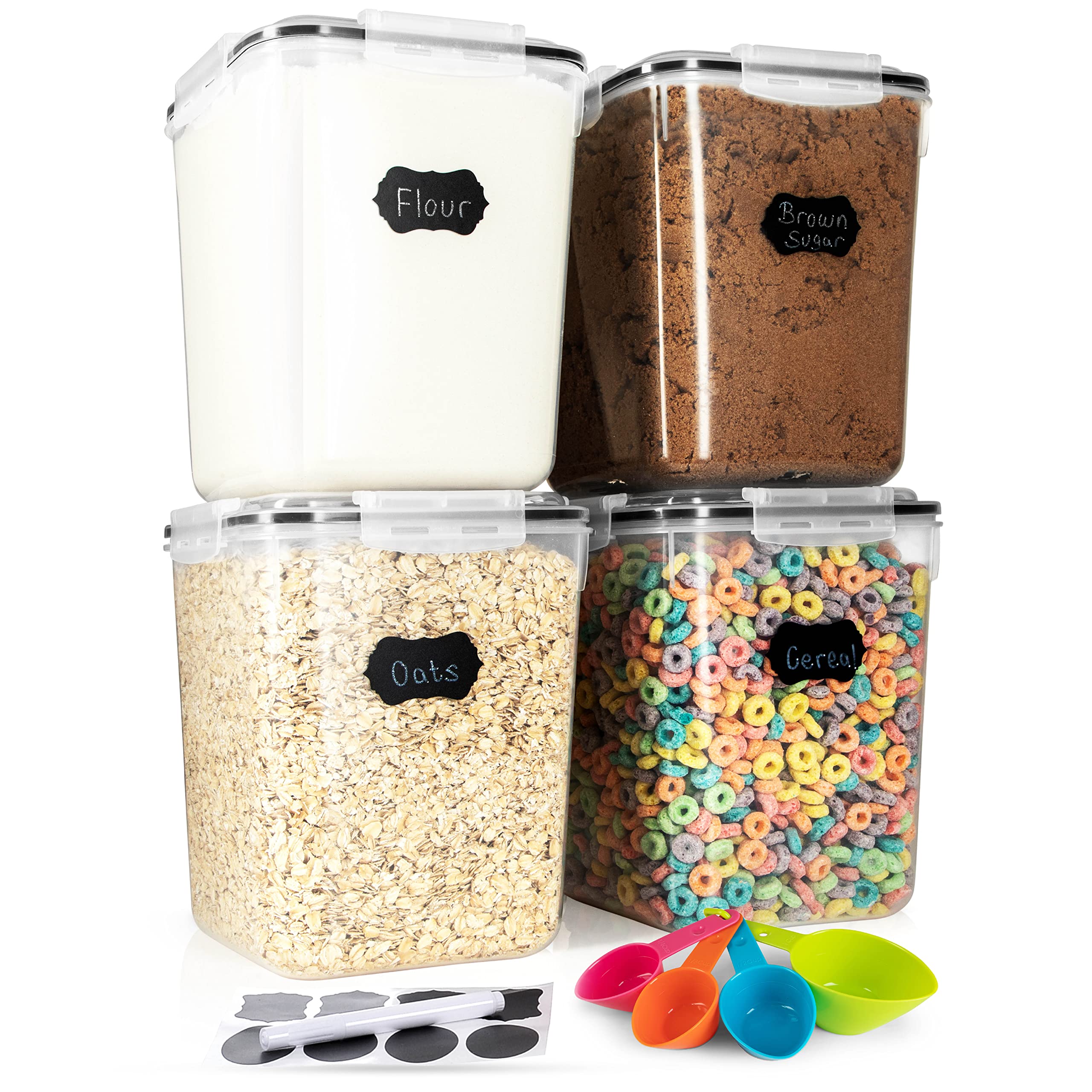
– The Vtopmart Large Food Storage Containers are stackable and made of BPA-free plastic. Lids click on with four side-locking clips and are dishwasher safe. Wide openings for easy measurement and transferring of flour and sugar. Set includes markers, labels, and a scoop for organization. Four containers of the same size available.
– The Chef’s Path Airtight Food Storage Container Set includes 14 stackable containers of various sizes. Four-hinge locking system, made from BPA-free plastic. Two tall canisters, four medium canisters, and four small canisters included in the set. Containers warp in the dishwasher.
– The PrepWorks large cereal keeper designed for cereal and other bulk foods. 4.5-quart capacity with an airtight silicone seal. Dishwasher safe and made of BPA-free plastic.
– The article also mentions the recommendation of using Cambro containers for pantry storage, as they are stain- and smell-resistant, durable, and come in a range of sizes. Square containers are recommended for space efficiency. 4-quart containers for sugar and 6-quart containers for flour storage. Can be found on Amazon and online restaurant supply retailers.

Continue Reading

Does buttermilk go bad? The definitive guide explained

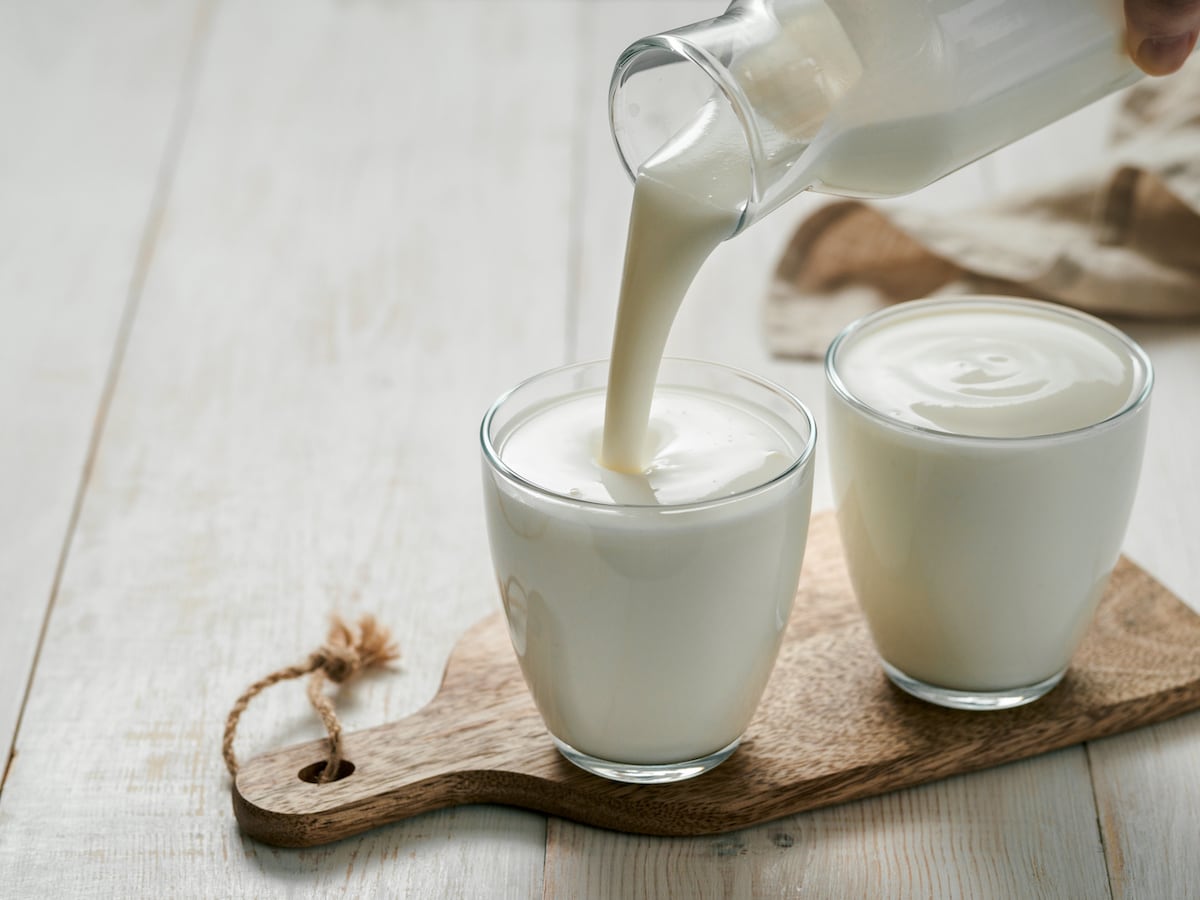
– Buttermilk has a longer shelf life than fresh milk due to the abundance of lactic acid which inhibits the growth of harmful bacteria.
– The specific shelf life of buttermilk is not precise, but guidelines from agricultural programs recommend consuming it within three weeks from the date stamped on the package.
– In the test kitchen, they found that buttermilk won’t turn bad with mold growth until at least three weeks after opening.
– Buttermilk can be frozen and can be easily stored in an ice cube tray and transferred to a zipper-lock bag for future use.
– The dairy farm recommends consuming their buttermilk within five to seven days after opening.

Continue Reading