Does Microwave Popcorn Go Bad? Learn the Shelf Life!

– Microwave popcorn can go bad
– Fats and oils in microwave popcorn can become rancid
– Popcorn lasts indefinitely
– Microwave popcorn lasts for six to eight months
– Microwave popcorn used to contain actual butter and had to be refrigerated
– Microwave popcorn now has butter flavorings like diacetyl
– Microwave popcorn has an expiration date or “best by date”
– Microwave popcorn doesn’t need to be refrigerated
– Microwave popcorn can dry out over time

Continue Reading

Can you eat scallops raw? Learn the risks

– Raw scallops can harbor harmful bacteria such as Vibrio parahaemolyticus or Vibrio vulnificus, causing foodborne illnesses.
– Health risks associated with raw scallops include diarrhea, vomiting, abdominal pain, and, in severe cases, bloodstream infections.
– Individuals with compromised immune systems, pregnant women, children, and the elderly are particularly vulnerable.
– It is recommended to cook scallops until they reach an internal temperature of 145°F (63°C) to ensure food safety.
– Alternatives to raw scallops include seared scallops, scallop ceviche, and scallop sushi rolls.
– Fresh scallops should have a mild oceanic scent and appear plump and moist. Avoid scallops with a strong fishy smell or slimy texture.
– Raw scallops can be frozen for up to three months for optimal quality.

Continue Reading

How to Keep Bread from Molding: Essential Preservation Tips

– Storing bread in the freezer to prevent molding
– Slicing the bread before freezing and wrapping it in plastic wrap or aluminum foil
– Placing the wrapped loaf in a plastic bag and sealing tightly to prevent freezer burn
– Thawing frozen bread slices for use in sandwiches
– Leaving bread on the counter overnight to thaw or taking it out of the freezer the night before for freshness in the morning
– Using bread boxes for storing bread and preventing molding
– Avoiding storing bread in sealed plastic bags
– Keeping bread out of the fridge to prevent it from becoming stale quickly
– Moister moves from the middle of the loaf to the outer crust, causing bread to become hard, dry, and tasteless
– French and white loaves of bread are more prone to mold and staleness
– Darker breads such as rye, sourdough, whole wheat, and whole grain take longer to grow mold
– Pre-sliced bread is more exposed to air and gets moldy quicker than unsliced bread
– Cutting into the middle of unsliced bread keeps it fresher and mold-free
– Reviving stale bread by heating it in a warm oven for a few minutes
– Toasting bread to enjoy stale bread and prevent molding
– Home baked and purchased loaves of bread staying fresh and mold free if stored properly
– Slicing the bread in half and pressing the halves back together before wrapping to prevent moisture loss
– Storing bread in plastic, cloth, or foil to retain moisture in the crumb
– Wrapping bread in plastic wrap or reusable wrap
– Freezing bread to retain moisture and prevent mold growth
– Refrigerating bread causes moisture to migrate to the surface and makes it stale quickly
– Sourdough bread staying fresh longer due to its low pH and slowing of starch retrogradation
– Tangzhong starter for making soft sandwich bread or dinner rolls that stay fresh longer
– Slicing bread from the center out to retain moisture better
– Storing bread airtight with the two cut halves facing each other and pressed together to retain moisture
– Wrapping bread in plastic or foil instead of cloth to keep it soft longer
– Storing crusty loaves unwrapped to preserve their crispy crust
– Wrapping bread in single-day portions for long-term storage and freezing it
– Using a closed container with uncooked rice to help keep bread from molding

Continue Reading
What is 40 percent of 21

20 Percent Of 42: What Is 20 Percent Of 42, What Is 40 Percent Of 21, What Is 10 Percent Of 84, What Is 5 Percent Of 420, What Is 2 Percent Of 4200, What Is 1 Percent Of 42000, What Is 0.5 Percent Of 84000, What Is 0.2 Percent Of 420000, What Is 0.1 Percent Of 4200000, What Are Some Other Ways To Calculate 20 Percent Of 42

If you’re like most people, you probably don’t know your way around a percentage calculator. Here are some quick tips on how to calculate 20 percent of 42.

Continue Reading

Can you freeze macaroni salad? Essential tips

– Macaroni salad is a popular dish in the United States
– It is made with elbow macaroni, mayonnaise, and various other ingredients like vegetables, herbs, and spices
– The noodles are cooked, drained, and then mixed with mayo and other desired ingredients
– The salad can be served cold or at room temperature
– It can be a side dish, appetizer, or a meal in itself
– Macaroni salad is frequently served at picnics, potlucks, and outdoor gatherings
– Yes, you can freeze macaroni salad
– Proper storage is important before freezing to prevent it from getting soggy and unappetizing
– Leftovers should be refrigerated for at least three hours before freezing
– Macaroni salad can be frozen by storing it in airtight containers or freezer bags with as little air as possible
– Freezing individual portions is also an option
– Freezing mayonnaise-based macaroni salad may result in the development of ice crystals, but this can be resolved by thawing the salad properly in the refrigerator
– Macaroni salad can be frozen for up to two weeks
– After transferring it to the refrigerator, it can be kept for three to five days
– Storing the salad in smaller containers or using plastic wrap can help keep it fresh
– Some popular macaroni salad recipes include classic macaroni salad, Tex-Mex macaroni salad with jalapenos and salsa, and Greek macaroni salad with feta and red onions
– The most effective freezing process for macaroni salad is to use an airtight container
– It is recommended to let all the air out of the container before placing it in the freezer
– Using a creamy mayonnaise-based dressing is suggested to make the best macaroni salad
– There are many different and unique ways to make macaroni salad
– No specific information on statistics or figures related to macaroni salad freezing

Continue Reading

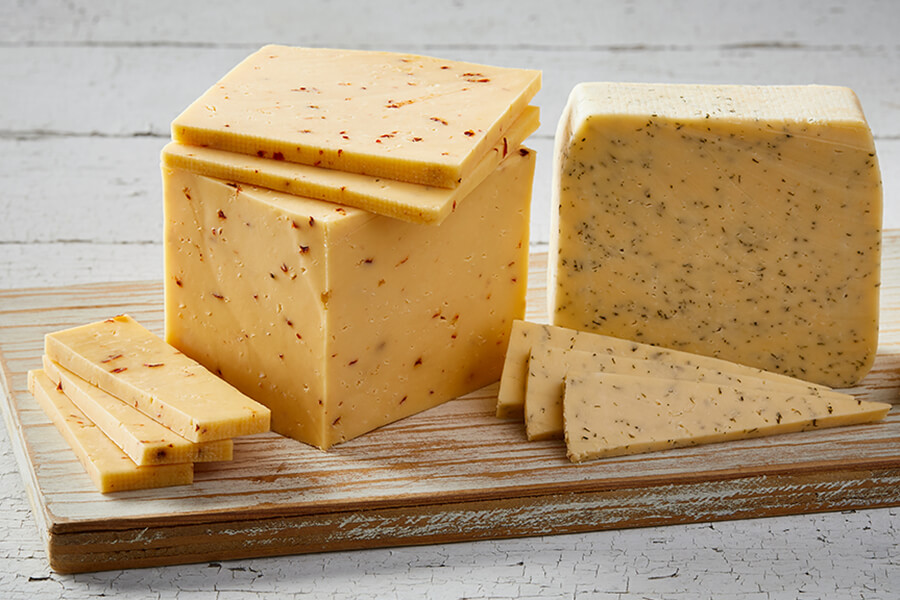
Does Parmesan Cheese Go Bad? Shelf Life and Storage Tips

List of Pertinent Information on “Does Parmesan Cheese Go Bad”:

1. Storing a block of Parmesan cheese: can be done in an air-removed plastic bag in the cheese drawer of the fridge.
2. Alternative storage methods: some people wrap it in wax paper and then aluminum foil to make it last longer.
3. Freezing: recommended only if the cheese has already been ground.
4. Keeping grated/shredded cheese: should be stored in sealed containers.
5. Dehydrated Parmesan cheese: blocks sold in the non-refrigerated section have a long shelf life, up to a year if unopened.
6. Shelf stability of grated Parmesan cheese: usually lasts for a while and is sold in regular aisles of grocery stores.
7. Shelf life of Parmesan cheese stored in the fridge: can last for about a year.
8. Shelf life of grated Parmesan cheese sold in the refrigerated section: can go bad within a week or two when stored in the fridge.
9. Shelf life of sealed, shredded Parmesan cheese stored in the fridge: can stay good for about 8 months.
10. Usage of expired Parmesan cheese: can still be used if it appears safe to eat, is not moldy or forming clumps, and has no unusual odor.
11. Melting temperature: Parmesan cheese melts at about 90°F and can be grated finely to aid in melting.
12. Serving suggestions: can be grated on top of dishes or offered in a bowl for people to add more if desired.
13. Complexity of Parmesan cheese production: made through a complex process overseen by a trained individual.
14. Bringing back Parmesan cheese from Italy: travelers are allowed to bring a whole wheel of Parmesan cheese.

Continue Reading

What Does Blue Curacao Taste Like: An InDepth Exploration

– Blue Curacao is an orange liquor with a unique combo of flavors that are both bitter and sweet
– People like Blue Curacao because of its unique flavor profile that combines sweetness and bitterness
– It has a bold orange flavor with just a bit of sweetness at the end
– It is often described as tasting like fresh oranges
– Blue Curacao is a versatile liquor that can be used in a wide variety of cocktails
– It is not recommended for those who are not fans of orange flavors or prefer simpler drinks
– A 750ml bottle of Blue Curacao costs around $10
– Blue Curacao has an average alcohol by volume (ABV) of 25%
– The article discusses how to use Blue Curacao in cocktails to give them a blue color
– It can also be drunk alone with ice
– Blue Curacao is made from dried Laraha citrus fruit peel grown on the island of Curaçao
– The blue color comes from added food coloring
– Blue Curacao tastes a little bit bitter and a little bit sweet, similar to Triple Sec
– It is not alcohol-free and typically has an ABV of 15-40%
– Blue Curacao is pronounced “CURE-A-SOW”
– Blue Curacao is used in cocktails such as the Blue Lagoon and the Bluebird

Continue Reading

8 cups to gallons: A Simple Conversion Guide

Conversion of cups to gallons:
– A U.S. cup is equivalent to 1/16th of a U.S. gallon
– A U.S. gallon is defined as 128 U.S. fluid ounces or about 3.785 liters
– The U.S. gallon should not be mistaken for the imperial gallon used in the United Kingdom

Instructions on converting 8 cups to gallons:
– The conversion factor is 0.0625
– Multiplying 8 cups by 0.0625 gives an equivalent of 0.5 gallons

Common conversions from 8.x cups to gallons:
– Range from 0.506 to 0.556 gallons

Definition of a gallon:
– A volume unit in the imperial and United States Customary measurement systems
– 1 US fluid gallon is equal to 16 US cups

Definition of a cup:
– A volume unit in the Metric and United States Customary measurement systems
– 1 cup is equal to 1/16 gallon

Symbols for gallon and cup:
– Gallon: “gal”
– Cup: “c”

Continue Reading

What Does Artichoke Taste Like? Exploring This Unique Vegetable

– Artichokes are a vegetable that belongs to the sunflower family
– Native to the Mediterranean region with a history of over 2,000 years
– The word “artichoke” comes from the Arabic word al-kharshuf, meaning “small cardoon”
– Introduced to Europe by a 12th-century Arab trade expedition
– Italian cuisine quickly adopted artichokes as a popular vegetable
– Artichoke plants can grow up to four feet tall and produce flower heads up to eight inches in diameter
– The flower head has small, edible scales or “bracts” surrounding a central, inedible core
– Leaves of the artichoke are edible but slightly bitter
– The most delicious part of an artichoke is its heart
– Artichokes are native to the Mediterranean region, with early records of them being grown in Sicily in the ninth century
– Many countries around the world grow artichokes, including the United States, Italy, Spain, and France
– California produces more than 80% of the world’s commercially grown artichokes
– Artichokes have a distinct, slightly nutty flavor with an earthy and slight bitterness
– Some compare the taste of artichokes to Brussels sprouts or asparagus
– Artichokes can be stored in a cool, dry place, preferably in the refrigerator
– They should be used within a week of purchase, or they can be stored longer with proper wrapping or sealing
– Artichokes are high in fiber, vitamins C and K, and can be used as appetizers or side dishes
– Artichokes can be prepared by steaming, boiling, baking, or grilling
– Artichokes can be frozen after being blanched and will stay fresh for up to six months
– When using stored artichokes, they should be cooked before eating
– There are various vegan artichoke recipes that can be made using fresh or canned artichokes, such as Roasted Hearts of Palm and Artichoke, Vegan Spinach Artichoke Dip, Creamy Tuscan Spaghetti Squash, Lemony Artichoke and Quinoa Salad, and Grilled Artichokes

Continue Reading