What is a Boston Roll? How to make this delicious sushi at home!

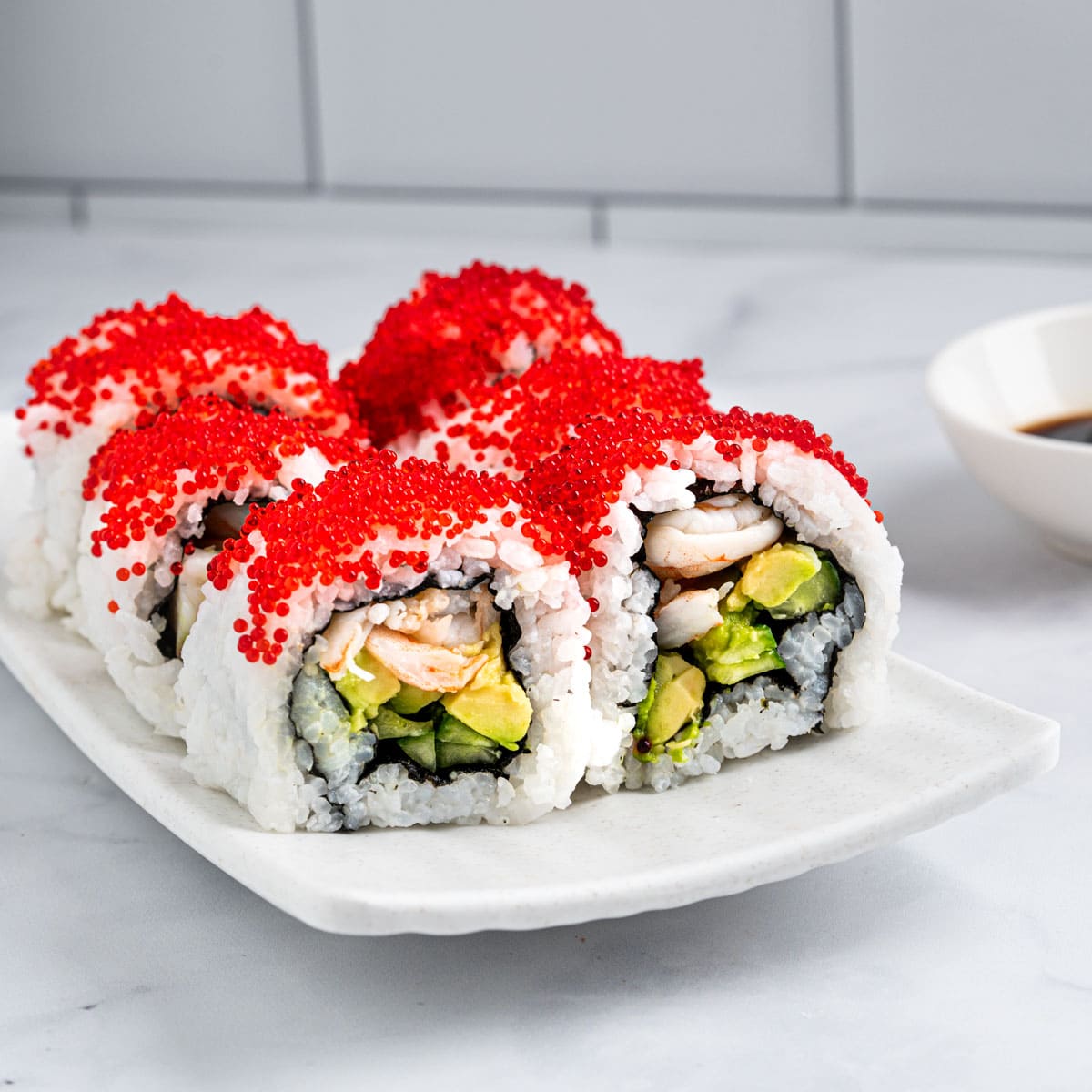
1. The Boston roll is a type of sushi roll made with cooked shrimp, avocado, cucumber, mayonnaise, sushi rice, nori seaweed, and tobiko fish roe.
2. The roll is inspired by traditional Japanese makizushi, but is an inside-out roll with rice on the inside and outside, and nori seaweed in between.
3. The most well-known and first creation of this type of roll was the California roll.
4. The roll can be made by spreading sushi rice on a nori sheet, adding the filling ingredients, and rolling it into a tight roll.
5. The Boston roll can be made with different fillings, but this recipe uses cooked shrimp, avocado, and cucumber.
6. Tobiko fish roe is used as a topping, but masago or seaweed pearls can be used as alternatives.
7. A sushi roll is typically cut into 8 even sizes using a sharp knife.
8. The California roll is similar to the Boston roll, but uses surimi imitation crab as a filling instead.
9. It is important to consult with a physician before consuming a Boston roll during pregnancy.
10. To make a Boston roll, you need to cook sushi rice, poach the shrimp, and roll the sushi tightly with the rice on the outside.
11. It is recommended to use a bamboo mat with plastic wrap and to keep hands moist to prevent the roll from falling apart.
12. Boston roll sushi is traditionally served with soy sauce, wasabi, and pickled ginger.
13. Sushi rolls should be stored in the refrigerator and can be frozen for up to a month if needed.
14. Tips on selecting nori sheets and where to buy them are provided.
15. The nutritional information for a Boston roll is 51 calories, 6g carbohydrates, 2g protein, 2g fat, 1g saturated fat, 22mg cholesterol, 66mg sodium, 79mg potassium, 1g fiber, 1g sugar, 44 IU vitamin A, 2mg vitamin C, 15mg calcium, and 1mg iron.

Continue Reading

Yaki soba vs udon: A delectable journey comparing noodles

– Udon and Soba are two popular types of Japanese noodles.
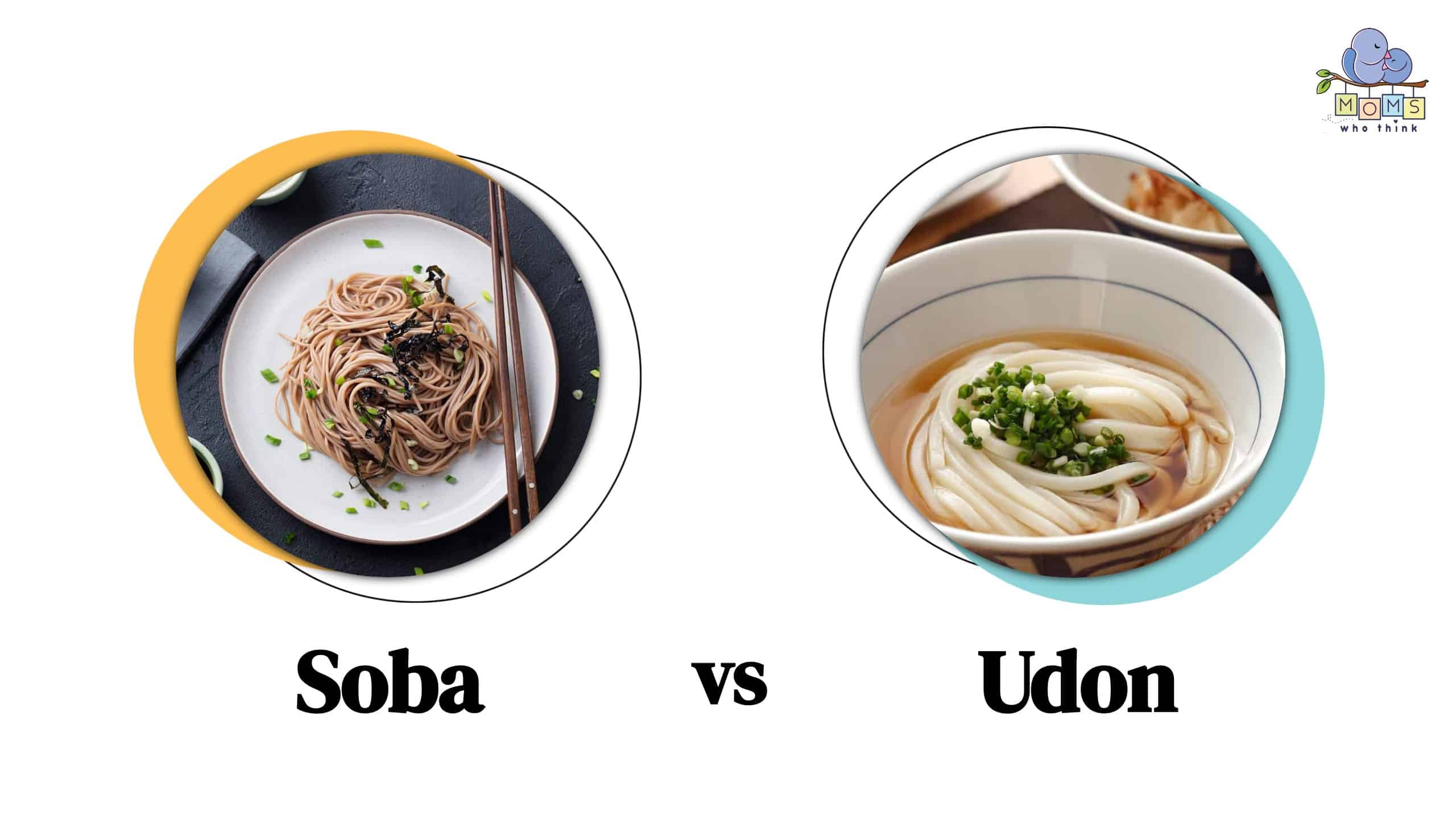
– Udon uses wheat flour while Soba uses buckwheat flour.
– Udon noodles are thicker and wider, while Soba noodles are thinner and resemble spaghetti pasta.
– Udon noodles are milder in taste, while Soba noodles have a nutty flavor.
– Soba noodles are considered healthier as they are lower in carbohydrates and calories, and contain beneficial nutrients.
– There are gluten-free varieties of Soba available.
– Both Udon and Soba can be enjoyed cold or hot, and are versatile ingredients in various dishes.
– Yaki soba: Stir-fried buckwheat soba noodles with choice of veggies, meat, or seafood, served with Worcestershire sauce.
– Zaru soba: Chilled soba noodles served with dipping sauce made of dashi stock, soy sauce, and mirin.
– Kake soba: Hot soup dish made by pouring warm broth over boiled soba noodles, usually made with bonito flakes, kelp, and nioboshi.
– Tempura soba: Soba noodles served with classic broth and topped with tempura-battered bites.
– Kitsune soba: Buckwheat noodle soup with fried tofu.
– Tsukimi soba: New Year’s Eve dish with soba noodles, broth, and fried egg.
– Yamakake soba: Buckwheat noodles with grated yam, leek, and simple soba soup base.
– Oroshi soba: Chilled soup with daikon radish, nori, bonito flakes, ginger, green onion, and shiitake mushrooms.
– Udon: Dense and chewy wheat flour noodles, can be found fresh or dried and served hot or cold.
– Kake udon: Simple udon soup.
– Yaki Udon: Stir-fried udon noodles with choice of veggies, meat, or seafood.
– Kitsune Udon: Udon noodle soup with fried tofu.
– Tanuki Udon: Udon noodle soup with tempura flakes.
– Tempura Udon: Udon noodles served with tempura-battered bites.
– Stamina Udon: Udon noodle soup with various toppings and ingredients for added energy.
– Curry Udon: Udon noodles served in a curry-flavored broth.
– Zaru Udon: Chilled udon noodles served with dipping sauce.

Continue Reading

Discover the Art of International Flavors: Ramen Bowls Unveiled

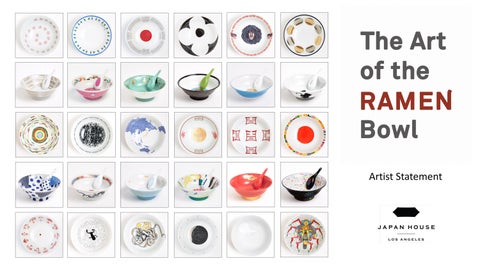
– The Villeroy & Boch Soup Passion Asia Bowl is recommended as the best overall ramen bowl. It is made of vitrified porcelain and has a large capacity of over 47 fluid ounces. The price is $37.
– The Ozeri Earth 6-Piece Ramen Bowl Set is recommended as the best budget option. It is made from plant-based materials, lightweight, durable, heat-resistant, and dishwasher-safe. The set includes two noodle bowls, matching soup spoons, and chopsticks. The price is $24.
– The Melange Marche Japanese-Style Melamine Noodle Bowl is made of melamine, a hard and durable plastic. It is lightweight, affordable, and sturdy. It has a capacity of 48 ounces and is available for $17.
– The Urban Tokyo Kamameshi Style Noodle Bowl with Bamboo Lid is made of porcelain and comes with a bamboo lid, chopsticks, a trivet, and a porcelain spoon. It features a hand-painted cherry blossom scene. It is a bit pricey, but no specific price is provided.
– The article also mentions a handmade noodle bowl with chopsticks, but no further details or pricing information is provided. The dimensions are about 7.25 x 4.25 inches, made of a porcelain hybrid clay, and priced at $30.

Continue Reading

Tamari Substitute: Exploring Flavorful and Healthier Alternatives

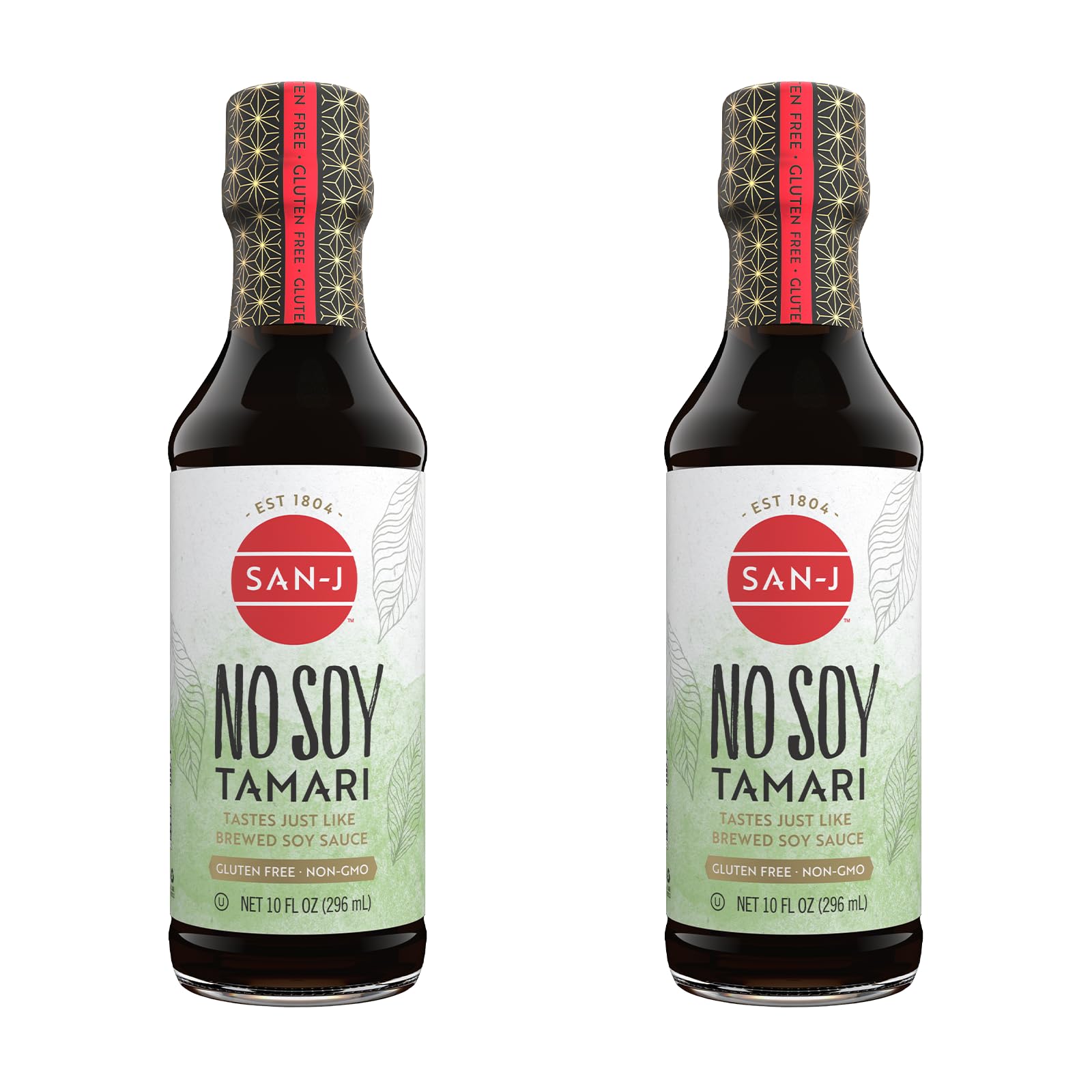
– Tamari is a Japanese type of soy sauce that contains little to no wheat
– Tamari is a gluten-free substitute for soy sauce
– Tamari has a richer, more savory flavor compared to soy sauce
– The best tamari substitutes are soy sauce, coconut aminos, liquid aminos, and fish sauce
– Coconut aminos can be used as a 1:1 substitute for tamari, but may require more for desired taste due to its lower saltiness
– Liquid aminos, which contains soy, can be used as a substitute for tamari
– Fish sauce can be used as a tamari substitute, but it is much stronger and should be used in lesser amounts
– Salt can be used as a simple substitute for tamari, providing a cleaner flavor
– Miso paste can be used as a substitute for tamari and should be mixed with water before using
– Anchovies can add savory saltiness and depth of flavor to dishes.

Continue Reading

Sushi vs Sashimi: Exploring Differences, Origins, and Cultural Significance

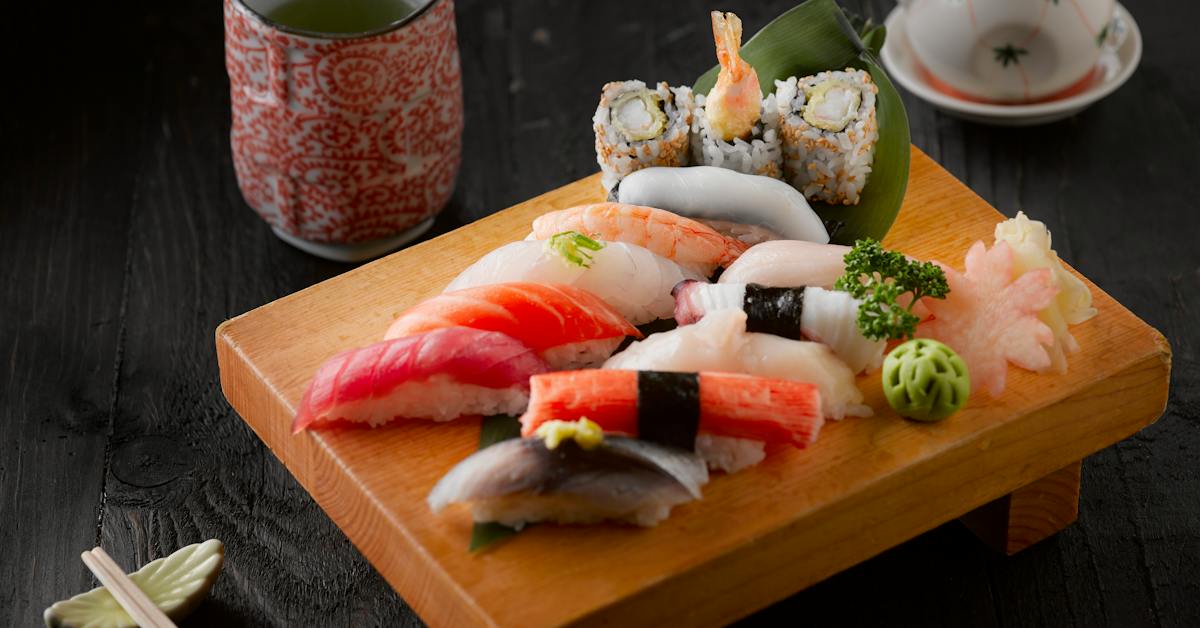
– Sushi is made with vinegared rice combined with fresh ingredients like veggies or fish, wrapped in seaweed, and cut into small pieces.
– Sashimi consists of thinly sliced raw meat or fish and is not served with rice or sauces.
– Sushi is higher in carbs and fiber due to the rice, seaweed, and vegetables.
– Sashimi is a better source of protein and heart-healthy fats.
– A 3.5 ounce (100 grams) serving of California sushi roll contains 93 calories, 3 grams of protein, 1 gram of fat, 18.5 grams of carbs, and 1 gram of fiber.
– A 3.5 ounce (100 grams) serving of smoked salmon sashimi contains 179 calories, 21.5 grams of protein, 11 grams of fat, 0 grams of carbs, and 0 grams of fiber.
– Sashimi is higher in protein and omega-3 fats.
– Sashimi is served without rice or other accompaniments.
– Sushi is high in refined carbs and sodium, which can raise blood sugar and blood pressure levels for some people.
– Sashimi and many types of sushi contain raw fish, which can increase the risk of foodborne illness due to potential contamination with parasites and bacteria.
– Pregnant people, young children, and older adults are advised to avoid raw fish.
– Certain types of fish in sushi may contain high levels of heavy metals like mercury, which can have negative health effects.
– Sashimi may support appetite control and decrease food cravings.
– Sushi is more versatile and fits more dietary patterns than sashimi.

Continue Reading

Tobiko Sushi: The History, Preparation, and Culinary Delights

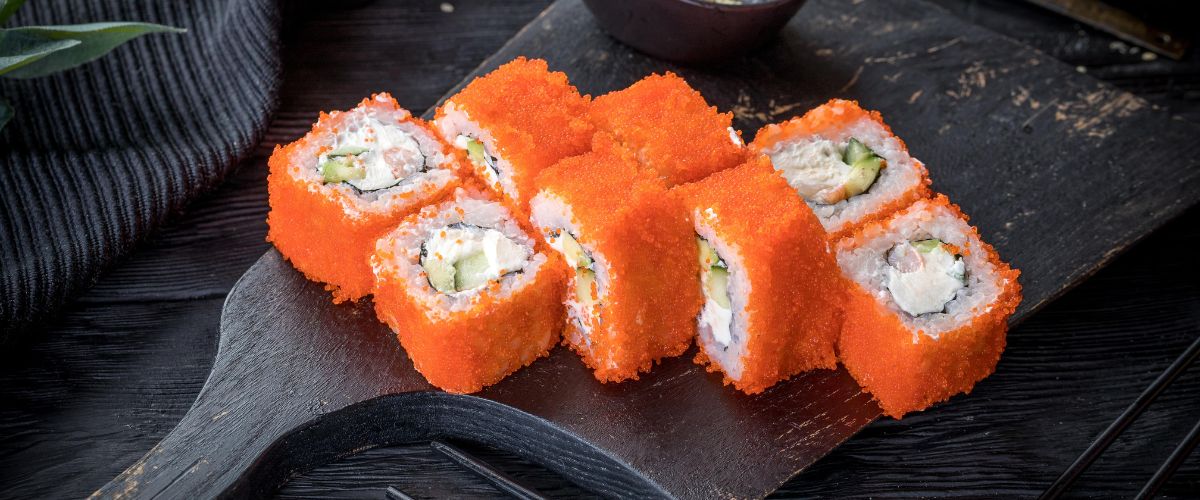
– Tobiko sushi is a popular sushi roll filled with crab, avocado, and topped or rolled in tobiko roe (flying fish roe).
– Tobiko comes in different colors including orange, black, red, yellow, and green.
– Tobiko is a natural ingredient used in Japanese cuisine, known for its vibrant orange color.
– Tobiko can be purchased at Asian grocery stores or local sushi counters.
– Tobiko is often confused with other types of Japanese caviar or fish eggs, so it’s important to specify tobiko or masago.
– This recipe for tobiko sushi is easy to make and uses only a few ingredients.
– The rice used for making sushi can be short grain or medium grain rice, such as Lundberg Organic California Sushi Rice or Botan Calrose Rice.
– Seasoned rice vinegar is recommended for the sushi rice, brands like Marukan and Nakano are good options.
– Nori seaweed paper is needed for making the sushi rolls and can be found at most grocery stores.
– Masago eggs and tobiko are both full of fatty acids and are commonly used on California rolls.
– It is important to specify tobiko when purchasing, as it can be confused with other types of Japanese caviar, salmon eggs, or capelin fish.
– Tobiko sushi can be made in different colors depending on the tobiko roe chosen.
– The ingredients for tobiko sushi include sushi rice, seasoned rice vinegar, water, salt, tobiko or masago, and nori seaweed paper.
– High-quality sushi rice brands include Lundberg Organic California Sushi Rice, Botan Calrose Rice, or Nishiki Premium Grade Rice.
– Tobiko can be purchased online or from local sushi restaurants.
– Nori sheets can be found in most grocery stores.
– The article provides instructions on how to make tobiko sushi and lists the ingredients needed, including nori seaweed sheets, imitation crab meat, cucumber, avocado, pickled ginger, wasabi, and optional sauces and toppings.
– It suggests using homemade sushi rice made in an Instant Pot and provides instructions for making it.
– The article also guides readers on how to roll the sushi, including placing salmon, imitation crab, avocado, and cucumber on the rice, rolling it tightly with a bamboo mat, and slicing it into segments.
– It mentions that tobiko flying fish roe can be used as a topping for the sushi.

Continue Reading

Is wasabi spicy enough to make you cry?

– Wasabi is a common ingredient used in many dishes for its heat and umami flavor.
– Anecdotally, wasabi causes more discomfort than a Bell Pepper or Poblano Pepper, and a similar level of discomfort as most Jalapeño Peppers.
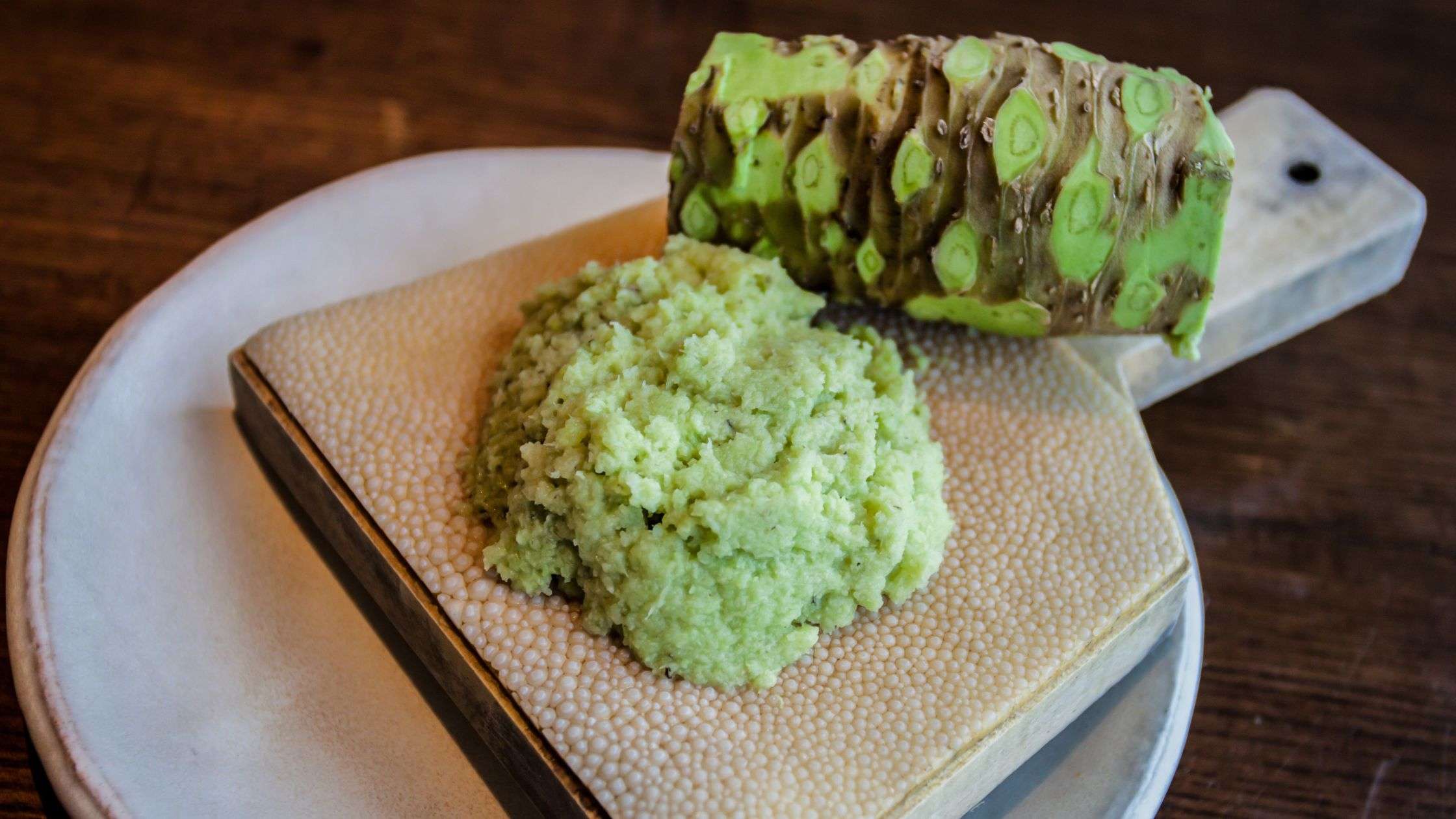
– Genuine wasabi, or Wasabia Japonica, is a rare ingredient that is difficult to grow and is native to Japan.
– Wasabi paste, commonly served in North America, is usually a mixture of horseradish and green food coloring.
– The spiciness of wasabi comes from a chemical called ‘allyl isothiocyanate’ produced by a plant similar to spicy mustard, radishes, and horseradish.
– The heat from wasabi is shorter in duration and creates a burning sensation in the nose and eyes.
– Wasabi is not spicy on the Scoville Scale because it does not contain capsaicin.
– Wasabi’s heat is said to develop rapidly, last for a brief duration, and have a sharp sensation in the nasal passage.
– Wasabi’s heat level is subjective and can vary.
– Wasabi is said to have a heat level similar to Jalapeño Peppers, which fall between 2,500 SHU and 8,000 SHU.
– Wasabi is not as hot as Habanero Peppers, Ghost Peppers, or Carolina Reaper.
– Other foods like black pepper and ginger have heat levels closer to chili peppers than wasabi.
– Wasabi contains a chemical called ‘allyl isothiocyanate’ which irritates the nasal passages and makes it spicy.
– Wasabi’s heat is sharp, shorter in duration, located in the nasal passage, and relatively mild compared to chili peppers.
– Wasabi’s heat cannot be directly compared to other foods on the Scoville Scale or Pyruvate Scale.

Continue Reading

How Many Pieces in a Sushi Roll? Explained Comparatively

– Most sushi rolls contain between 6 to 8 pieces
– Thicker rolls will typically contain fewer pieces than thinner ones
– The most common number of pieces for a sushi roll is 6 or 8
– The most common ingredients in a sushi roll include vinegared rice, nori, and various fillings like raw fish, vegetables, and pickled items
– Some sushi rolls may contain more than one filling
– Sushi chefs may garnish the top of the roll with sesame seeds or other decorative toppings
– To make a sushi roll, one needs to prepare ingredients such as cooked rice, fish or vegetables, spread the rice over a sheet of nori, place the fillings, and roll it tightly into a log shape before slicing it into individual pieces
– Sushi rolls typically range from 7″ to 8″ in size
– Adults can safely enjoy up to 10-15 pieces of sushi per week
– Ordering three rolls can result in 18-24 pieces of sushi
– One roll is recommended per person when ordering for a group
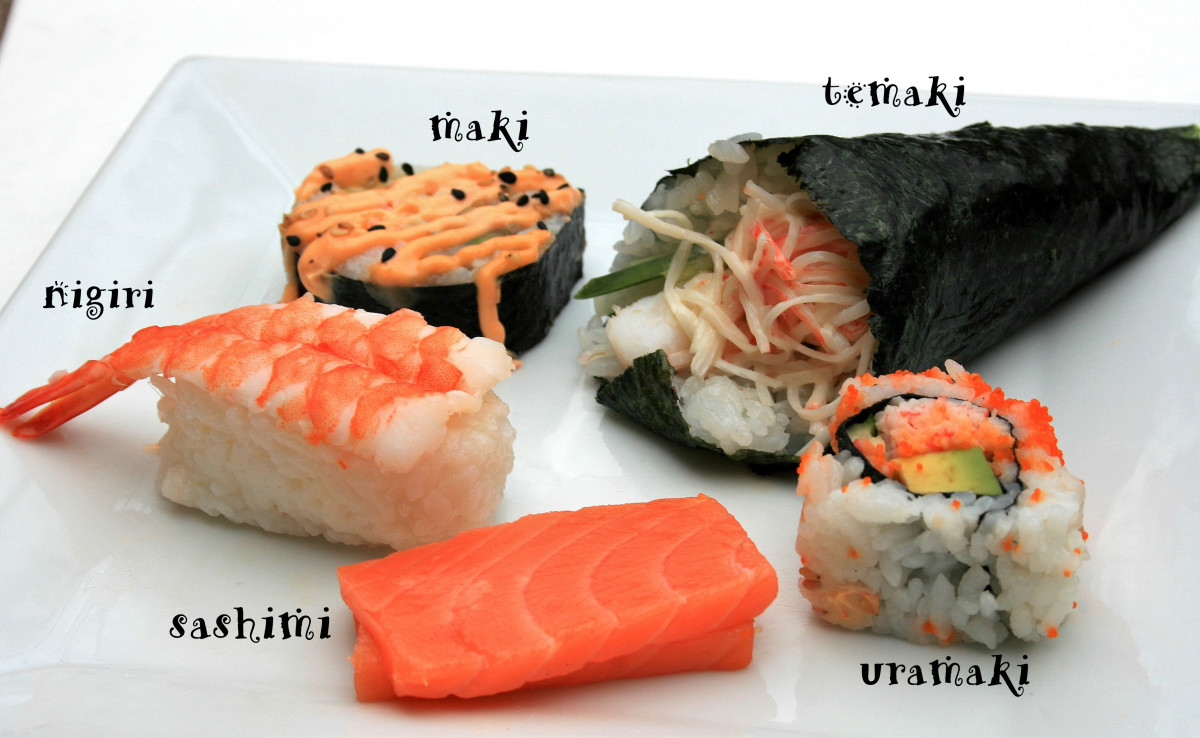
– Makizushi is prepared by rolling rice, fish, vegetables, or other fillings with nori seaweed and cutting it into many pieces
– Temaki is served as one big piece, like an ice-cream cone
– Raw sashimi can stay fresh in the refrigerator for up to two days, while cooked sushi can last longer
– Sushi rolls may not be as satisfying of a meal as they appear, as the sauces and toppings used can be high in fat, resulting in a lack of sufficient protein and fiber to make a person feel full and allowing calories to accumulate rapidly.

Continue Reading

Maki vs Hand Roll: Unraveling the Sushi Differences

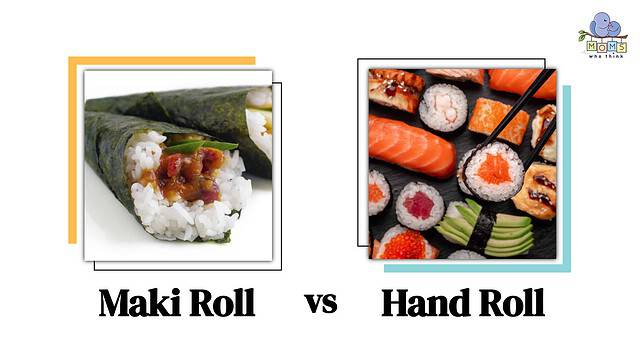
– The article discusses the difference between maki rolls and hand rolls in sushi.
– Sushi originated from ancient China and spread to Japan in the 9th century.
– Maki rolls are rolls that are cut into bite-size pieces and made by layering nori, sushi rice, and fresh fish/vegetables, rolling them into a log, and cutting into pieces.
– There are two types of maki rolls: hosomaki with one ingredient and futomaki with two or more ingredients.
– Hand rolls, or temaki, are kept in a cone or log shape and meant to be bitten into.
– Some sushi restaurants offer both traditional maki rolls and specialty rolls with various toppings and sauces, while others focus on a more traditional sushi experience with simple rolls like spicy tuna or cucumber.
– Maki rolls are typically not filled with tempura or specialty fillings like dynamite and eel sauce.
– Examples of classic maki rolls include spicy tuna roll, California roll, cucumber roll, salmon and avocado roll, and rainbow roll.
– Hand rolls, also known as temaki, are difficult to eat with chopsticks and are meant to be eaten with hands.
– Popular fillings for hand rolls include baked salmon skin with radish sprouts and cucumber slices, spicy tuna with radish sprouts, salmon avocado with sesame seeds and scallion strips, and blue crab mixed with Kewpie Japanese mayonnaise.

Continue Reading