Can You Freeze Celery? A Comprehensive Guide Exploring Storage Methods, Preservation Tips & Recipes

– Celery can be frozen, but it may lose flavor and crispness
– Frozen raw celery lasts up to 2 months in the freezer
– Blanching celery before freezing helps retain flavor and extends shelf life to 12-18 months
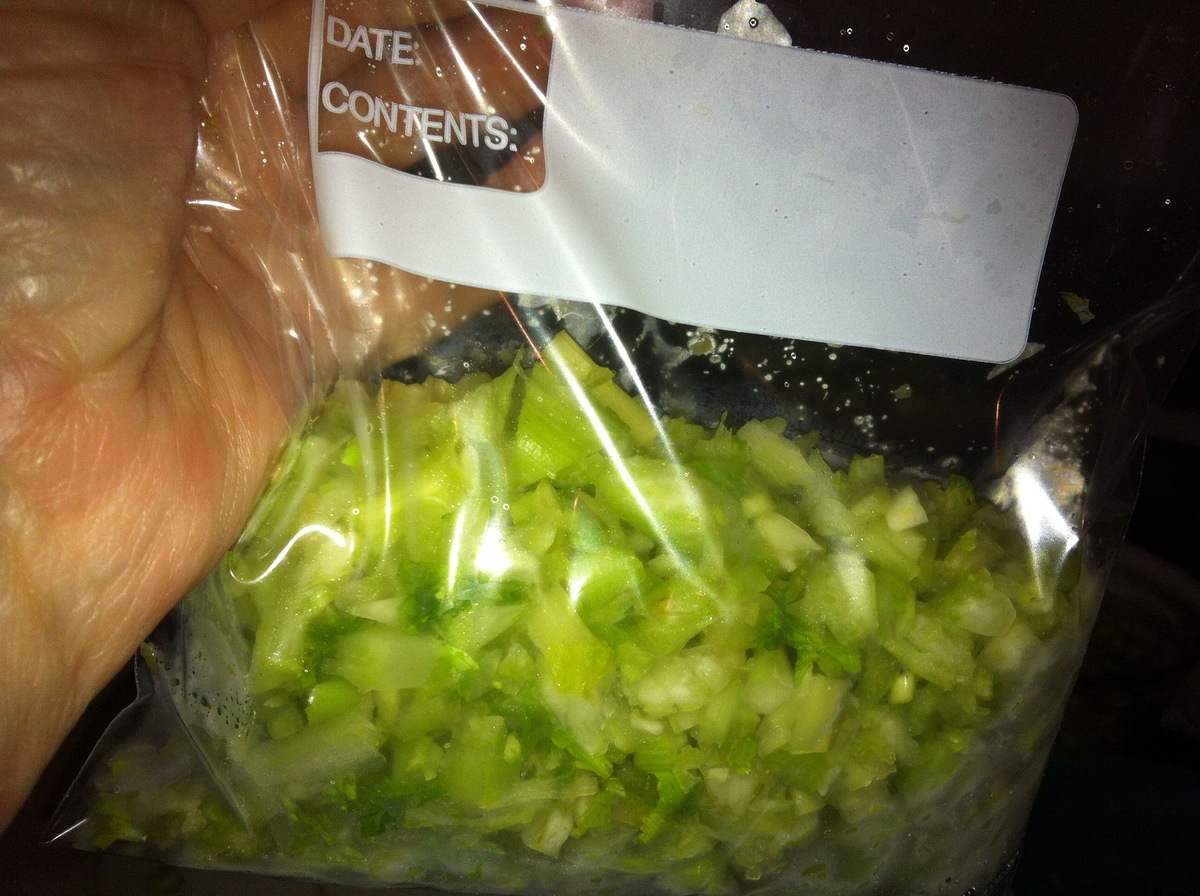
– Wash and chop celery before placing it in a plastic bag or container for freezing
– Frozen celery is ideal for cooked dishes like soups, stews, and stir-fries
– No need to thaw frozen celery before using it in a dish
– Blanching celery helps maintain color and crispness
– Remove leaves and cut celery into desired sizes before freezing
– Use frozen celery within 3-6 months for best quality
– Blanching celery involves boiling it for 3 minutes, then transferring to ice water for 3 minutes before drying and freezing
– Frozen celery is best used in cooked dishes such as soups, stews, stuffings, and stir-fries
– Trim and chop celery into desired pieces before freezing
– Pack blanched celery into airtight freezer bags or containers, remove air as much possible
– Frozen celery can be stored for up to a year
– No need to thaw frozen celery before adding it to recipes.

Continue Reading
Butternut Squash Vs Pumpkin

Butternut Squash Vs Pumpkin – What is The Difference?

There are differences between pumpkin and butternut squash, they both have different sizes and shapes as well as slightly different availability schedules. Each of their nutritional profiles is unique. They are sometimes cooked as well as eaten similarly, however, some recipes are found specific to a particular squash or another. What we will check out […]

Continue Reading

Is Bologna Bad for You? What You Need to Know!

– Bologna is generally made from low-quality meat sources, often containing leftover trimmings and byproducts from other cuts of meat.
– Bologna should be eaten in moderation as part of a balanced diet that includes fruits and vegetables.
– It is recommended to opt for bologna made from higher-end cuts and grass-fed beef as a healthier choice.
– Bologna is associated with an increased risk of chronic diseases like diabetes, heart disease, stroke, and cancer.
– Eating 50 grams or more of processed meats, like bologna, daily increases the risk of colorectal cancer by 18%.
– Bologna has about three times the calories per weight than turkey and is high in fats, particularly saturated fats, which can raise LDL cholesterol and increase the risk of heart disease and stroke.
– Many bolognas contain nitrates, which can lead to health risks such as blue baby syndrome, increased cancer risk, and complications during pregnancy.
– Bologna is high in protein and can be filling, but there are leaner and healthier protein options available.
– The quality of the bologna is important, and purchasing from higher-quality sources can increase its nutritional value.
– Bologna is generally highly-processed meat and should be eaten in moderation.
– The World Health Organization classifies processed meat as a Group 1 carcinogenic, alongside cigarettes and alcohol.
– Bologna is closer to the “bad” camp in terms of food quality, especially cheap bologna from supermarkets.
– Even higher-end bologna like mortadella should be eaten in moderation.
– Classic American bologna is usually a combination of leftover beef and pork trimmings.
– Bologna is made from leftover meat parts and is a staple of industrial meat, often coming from low-quality sources.
– Processed meats like bologna may increase the risk of cancer.
– Bologna tends to be high in sodium content.
– Bologna is not considered healthy, but it can be consumed in moderation as part of a balanced diet.
– It is recommended to buy bologna made by companies that prioritize natural diets and healthy environments for their animals.
– US Wellness Meats’ Beef Bologna is a grass-fed beef option that is free of nitrates, nitrites, MSG, additives, preservatives, soy, dairy, and gluten.

Continue Reading
What is the difference of 52 and 20

The Many Operations Of Twenty And Fifty-Two

Many people think that twenty and fifty-two are just numbers. However, these numbers actually represent the many operations that our military carries out on a daily basis. From providing security to our country to carrying out humanitarian missions, our military is always busy. So, the next time you see twenty or fifty-two, remember the many operations that our military carries out and be thankful for their service.

Continue Reading

How to Dry Parsley: Simple Methods for Preservation

– Drying parsley at home preserves the flavor better than store-bought dried parsley.
– The key is to keep the drying temperatures low, around 95 degrees Fahrenheit, to preserve the oils and flavor.
– The preferred method for drying parsley is using a dehydrator, but there are other methods as well.
– One alternative method is to hang the parsley upside down in a dark, cool place with air movement, such as a garage, using a fan to circulate the air.
– Another alternative method involves laying the parsley in a single layer on a window screen or baking rack and placing it in a car windshield to dry with the heat of the day.
– The possibility of using an oven for drying is mentioned, but it depends on whether the oven can go low enough without burning the herbs or evaporating their oils.
– The step-by-step process includes choosing healthy leaves with a few inches of stem, washing and drying the parsley, and then proceeding with the chosen drying method. The article provides instructions on how to dry parsley. It suggests patting the leaves dry on a towel or letting them air dry if needed. The parsley should then be spread out on the trays of a dehydrator or tied in a bundle to hang for sun drying. The drying process can take a few hours with a good dehydrator or up to a week or longer depending on conditions. It is important for the leaves to be completely dry and brittle with no bending or flexibility.
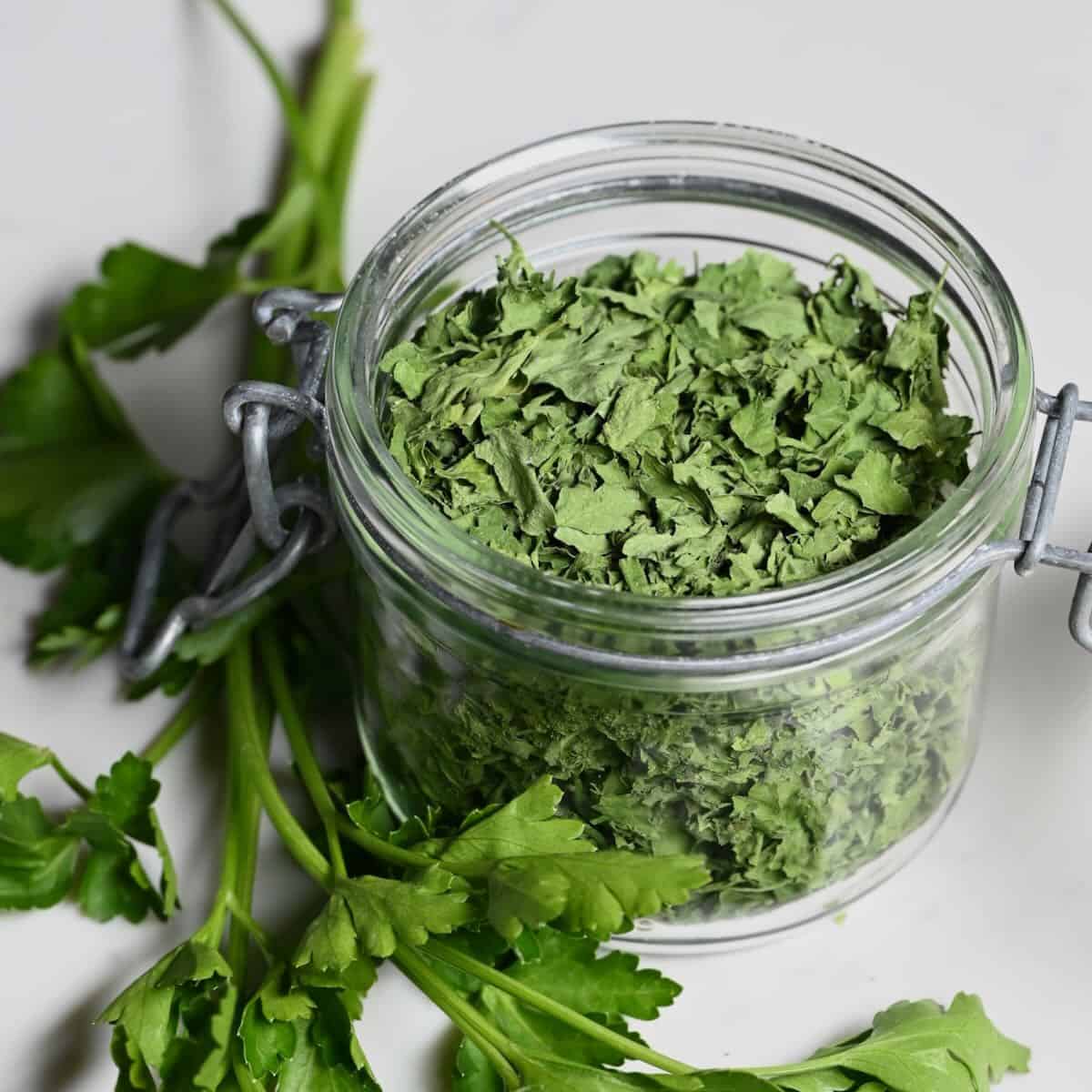
– Dried herbs should be stored in an airtight container, with glass jars being recommended over plastic. The herbs should be stored away from light and heat, as heat can break down the oils in the herbs. Dried herbs can last at least a year without going bad, although they may lose their flavor over time.
– When cooking with dried herbs, it is important to use about half the amount of dried herbs compared to fresh herbs that a recipe calls for, as dried herbs have a concentrated flavor.
– Sauces or condiments that heavily rely on fresh herbs, like pesto or chimichurri sauces, may not turn out well with dried herbs. It is suggested to make these sauces with fresh herbs and freeze them for better results.
– The article also provides recipe ideas to use dried herbs, including a Sausage and Lentil Stew, Zucchini Lasagna Roll Ups, and Homemade pasta sauce.

Continue Reading