Gamey Meat: Understanding the Unique Flavors and Benefits

List of pertinent information about gamey meat:

1. Gamey meat refers to meat that has a different taste compared to standard, store-bought, farmed meats.
2. Diet plays a significant role in the gaminess of meat, as wild animals typically eat things other than corn.
3. Certain farmed animals like lamb, older goats, and guinea hens can also be perceived as gamey.
4. Different flavors in the skin and fat of wild animals contribute to the gamey taste.
5. Waterfowl like scoters and spoonies have stronger aromas due to their diet of clams, while ptarmigan and spruce grouse have a pungent flavor from their diet of berries, forbs, lichen, and conifer needles.
6. Gamey meat is a matter of personal preference, neither good nor bad.
7. Age and athleticism of wild animals can contribute to a stronger flavor in the meat.
8. Aged meat, such as aged beef and wild game like venison, can develop intense flavors similar to blue cheese and become tender.
9. Poorly handled game meat can be twangy, sour, and smelly.
10. Proper meat care, such as immediate gutting and skinning of hunted animals, cooling down waterfowl and large animals like moose, and avoiding bad bacteria and hormones in mammals are essential to avoid gamey flavors.
11. Testosterone in animals can affect the flavor and aroma of the meat, as well as the weight and fat content.
12. Animal stress, caused by rutting or being chased, can negatively impact meat quality.
13. Brining the meat in a saltwater solution, soaking it in milk, or using a red wine soak can remove the gamey taste.
14. Proper meat care, including avoiding cutting certain glands and keeping the meat cold, is important for preserving meat quality.

Continue Reading

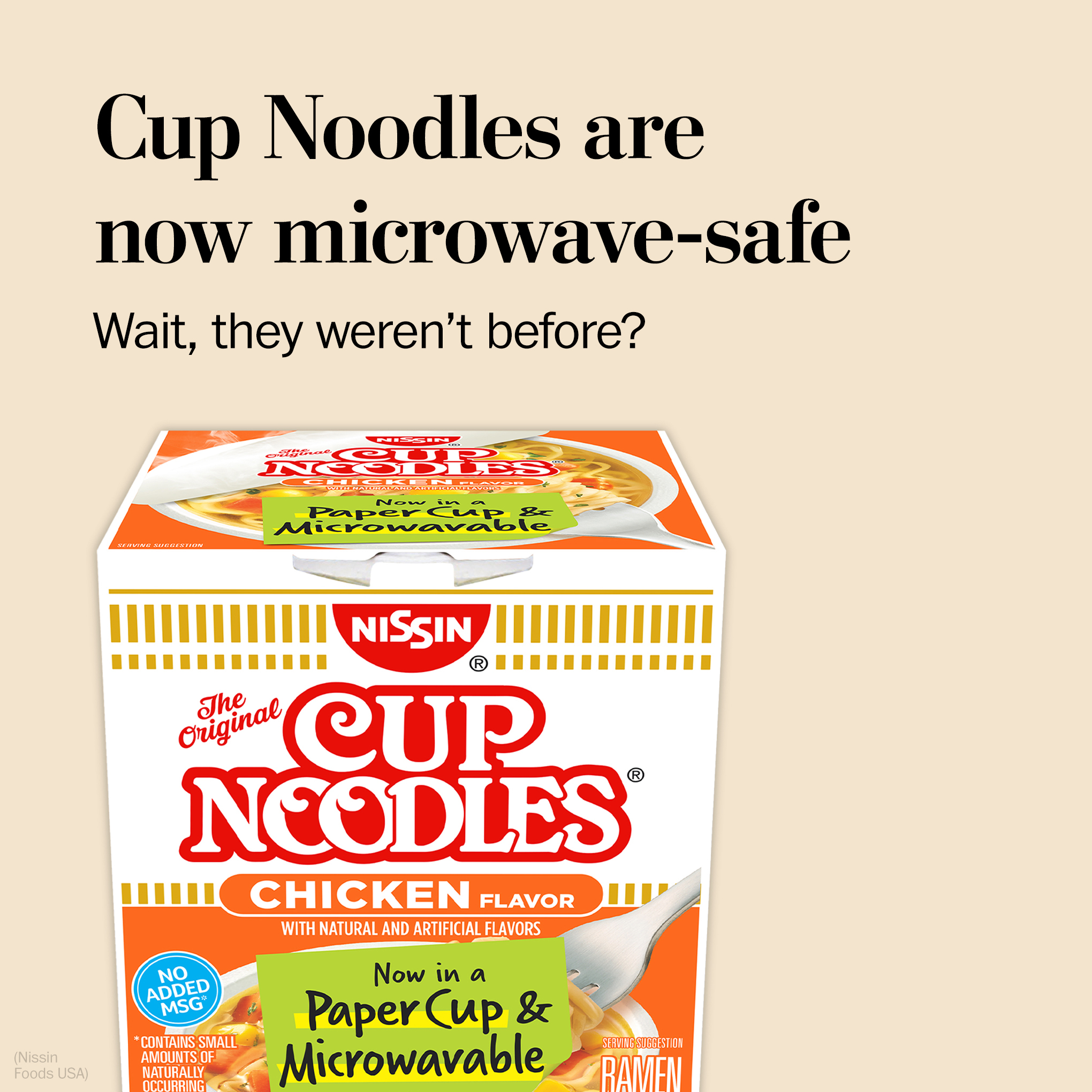
Can You Microwave Cup Noodles? Stay Informed and Safe

– Cup noodles can be cooked in the microwave.
– It takes 2-3 minutes to cook cup noodles in the microwave.
– You will need a microwave-safe bowl, cup noodles, water, and a microwave.
– Place the noodles in a microwave-safe bowl, add enough water to cover them, add the seasoning packet, and stir.
– Remove the noodles from the microwave and add toppings if desired.
– You can also cook ramen noodles in the microwave using the same instructions.
– Tips for cooking cup noodles in the microwave include adding more water if the noodles are dry, adding oil for added fluffiness, using low-sodium or whole wheat noodles for a healthier option, adding toppings like shredded cheese or vegetables for more flavor and nutrition, experimenting with different seasonings or sauces, adjusting cooking time to avoid overcooking, and cooking a big batch of cup noodles for convenience.
– The cup itself is made of Styrofoam, which can also release harmful chemicals when heated in the microwave.
– It is best to avoid microwaving cup noodles and instead cook ramen noodles in boiling water as they are designed for even cooking in the microwave.
– To check if cup noodles are microwave safe, look for a symbol with wavy lines or check the ingredients list. If made with plastic, they are not microwave safe.
– If cup noodles are microwave safe, they should cook evenly and not become hard or rubbery.
– Microwaving cup noodles can make them tough and chewy, and the broth can become concentrated and salty.
– The water in the cup boils and cooks the noodles when microwaved.
– Overcooking cup noodles can cause them to dry out and become hard.
– It is recommended to not microwave cup noodles and instead cook them on the stovetop.
– Microwaving cup noodles can cause burns and make them harder to eat.
– The article does not recommend microwaving cup noodles and suggests alternative methods for cooking them quickly.
– Stovetop Method: Boil water, add cup noodles, cook for 3-5 minutes, drain excess water, and enjoy.
– Oven Method: Preheat oven to 350 degrees Fahrenheit, fill a baking dish with water, place cup noodles in it, bake for 15-20 minutes, drain excess water, and enjoy.
– While you can microwave Styrofoam cup noodles, it is not recommended due to the potential release of harmful chemicals into the food.
– Instructions for microwaving instant noodles may vary depending on the type of noodles and package instructions.
– The recommended cooking time for instant ramen noodles in the microwave is 2-3 minutes, but it may vary depending on the brand and instructions.
– Cup noodles, instant noodles, or ramen noodles are popular and convenient snacks.
– Cup noodles are not microwave safe because the containers are usually made from styrofoam and can release chemicals into the noodles if heated.
– Microwaving cup noodles can cause the container to melt and leak.
– To microwave instant noodles, you need to remove them from the cup and place them in a microwave-safe container.
– The best way to cook cup noodles is to use boiled water, either from a microwave, kettle, or stove-top.
– Add hot water to the cup noodles, cover with the lid, and wait for 2-3 minutes.
– To microwave instant noodles properly, transfer them to a microwave-safe bowl, add flavor packet, pour in water or broth, and microwave for 1 minute on full power, followed by 30-second intervals until steaming hot.
– Microwaving time may vary based on wattage, but generally, the noodles should be soft and ready to eat.

Continue Reading

Can You Freeze Spaghetti Squash? Discover the Best Method

– Spaghetti squash can be frozen to save leftovers or for meal prep.
– Cooked spaghetti squash can be frozen and it freezes exceptionally well.
– Spaghetti squash can be cooked in a 350°F oven for 40 to 60 minutes or in an Instant Pot for seven minutes.
– Every pound of spaghetti squash produces about 1-1/4 cups of spaghetti squash strands.
– Cooked spaghetti squash should be drained before freezing to remove excess moisture and prevent texture issues.
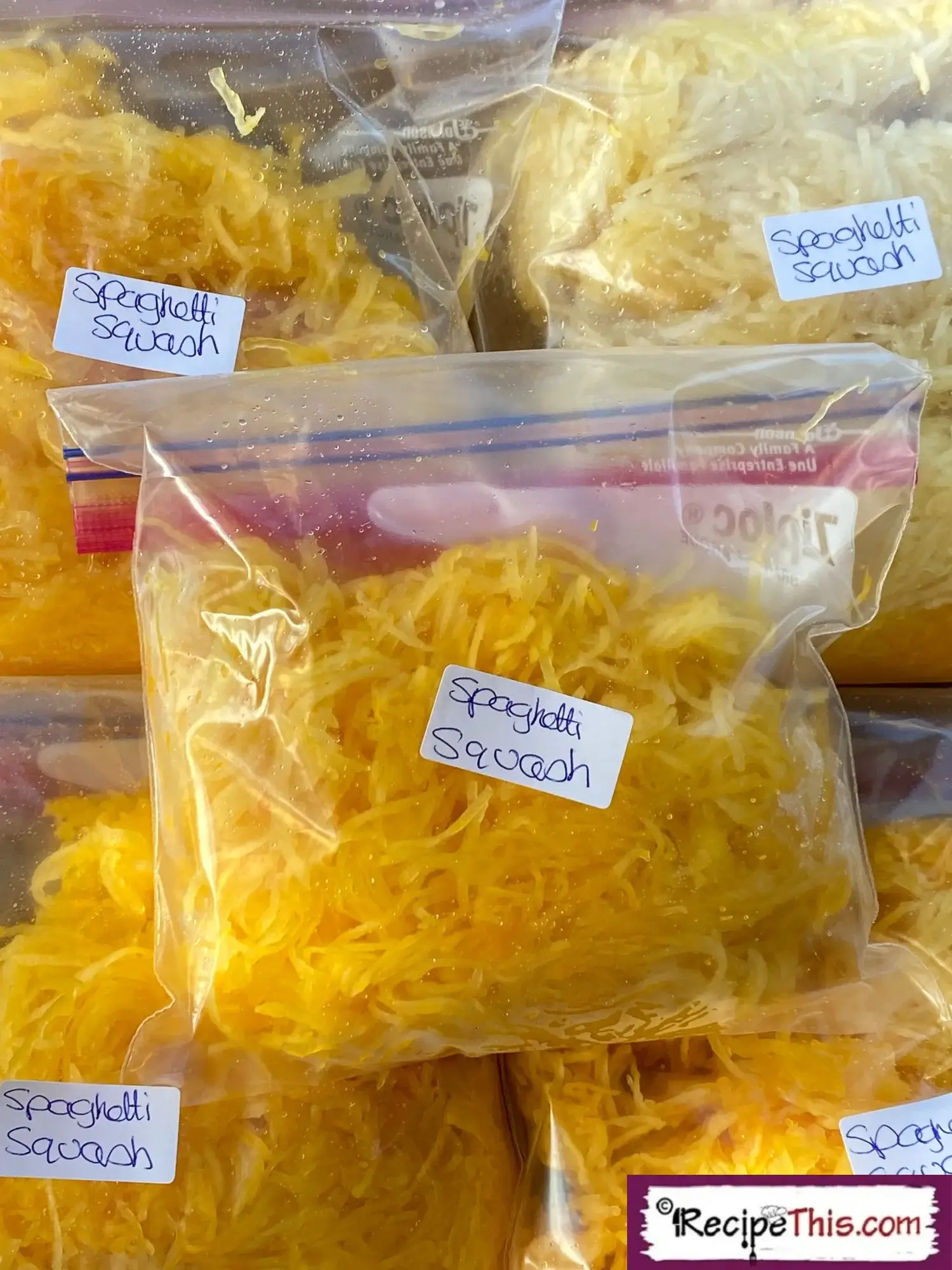
– After cooking, run a fork through the squash to release the strands and let them sit in a colander in the refrigerator overnight before packing them into freezer-safe bags.
– Frozen spaghetti squash can be kept in the freezer for about six months.
– Thawing frozen spaghetti squash is not necessary for most recipes as it can be added directly to a simmering sauce.
– Thawing in the refrigerator takes about 12 hours.
– It has a unique texture and can be used as a substitute for pasta.
– It is recommended to freeze the cooked squash in 2-1/2 cup bags for portion sizing.
– The squash must be cooked first to prevent texture breakdown.
– Excess moisture should be drained before freezing.
– Frozen spaghetti squash will retain its quality for about six months.
– Thawing is not necessary for most recipes, as the previously cooked squash can be added to a simmering sauce or thawed in the refrigerator overnight.

Continue Reading

Is Boba Vegan? Everything You Need to Know

– Boba must not contain milk or any other animal products to be considered vegan.
– Most boba pearls are made of entirely plant-based ingredients.
– The sweet tea surrounding the boba pearls may not be vegan-friendly.
– Boba originated from Taiwan in the 1980s and is also known as bubble tea, pearl milk tea, bubble milk tea, and tapioca milk tea.
– Boba tea usually consists of tea, sweetened condensed cow’s milk, and boba pearls.
– Boba quickly spread to the west and is served with plastic straws to suck up the boba pearls and sweet tea.
– Additional vegan toppings for boba can include white coconut gel, fruit jellies, and sweet bean paste.
– Some boba varieties may contain non-vegan ingredients like caramel and honey, so it’s important to check with the server when ordering.
– The most common boba teas use non-vegan dairy milk, but it can be made vegan by using dairy-free milk.
– Non-vegan egg pudding may also appear as a boba topping, so vegans should be cautious.
– Cassava farming, the source of boba pearls, can cause environmental damage, and restoring traditional intercropping systems can help balance environmental wellbeing.
– Black pearl boba is generally vegan-friendly, but some variations may contain non-vegan caramel or brown sugar.
– Golden boba may or may not be vegan, depending on whether it contains non-vegan honey as a sweetener.
– Popping boba is made from seaweed extract and a liquid fruit juice, and it bursts with flavor when bitten into.
– White pearl boba is made from konjac and can be flavored with vegan chamomile root or non-vegan caramel.

Continue Reading
How did Az Faison make his money

Az Faison’s Net Worth: How Much Is Az Faison Worth, How Did Az Faison Make His Money, What Are Some Of Az Faison’s Most Notable Investments, What Is Az Faison’s Annual Income, What Is The Net Worth Of Az Faison’s Family, What Would Happen To Az Faison’s Net Worth If He Died, What Is Az Faison’s Net Worth Compared To Other Celebrities, Is Az Faison’s Net Worth Sustainable, What Could Az Faison Do To Increase His Net Worth, How Has Az Faison’s Net Worth Changed Over Time

Az Faison’s Net Worth: How Much is Az Faison Worth, How Did Az Faison Make His Money, What are Some of Az Faison’s Most Notable Investments, What is Az Faison’s Annual Income, What is the Net Worth of Az Faison’s Family, What Would Happen to Az Faison’s Net Worth if He Died, What is Az Faison’s Net Worth Compared to Other Celebrities, Is Az Faison’s Net Worth Sustainable, What Could Az Faison Do to Increase His Net Worth, How Has Az Faison’s Net Worth Changed Over Time

Az Faison is a self-made millionaire who has parlayed his success in the music industry into a variety of business ventures. He has an estimated net worth of $30 million. Here’s a look at how he made his money, some of his most notable investments, and what would happen to his net worth if he died.

Continue Reading

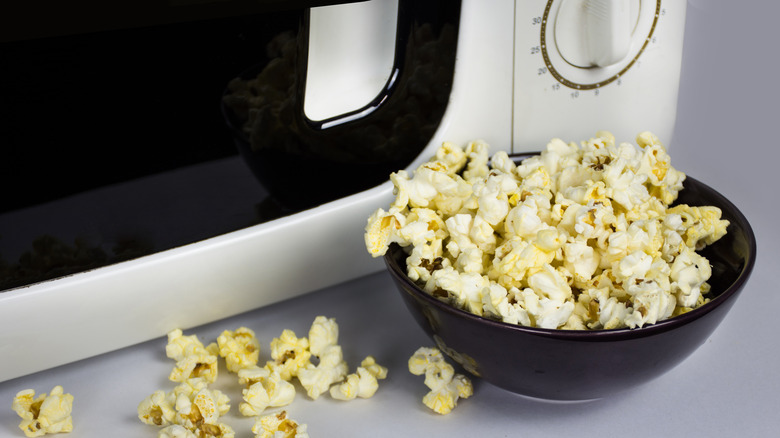
Does Microwave Popcorn Go Bad? Learn the Shelf Life!

– Microwave popcorn can go bad
– Fats and oils in microwave popcorn can become rancid
– Popcorn lasts indefinitely
– Microwave popcorn lasts for six to eight months
– Microwave popcorn used to contain actual butter and had to be refrigerated
– Microwave popcorn now has butter flavorings like diacetyl
– Microwave popcorn has an expiration date or “best by date”
– Microwave popcorn doesn’t need to be refrigerated
– Microwave popcorn can dry out over time

Continue Reading

Can you eat scallops raw? Learn the risks

– Raw scallops can harbor harmful bacteria such as Vibrio parahaemolyticus or Vibrio vulnificus, causing foodborne illnesses.
– Health risks associated with raw scallops include diarrhea, vomiting, abdominal pain, and, in severe cases, bloodstream infections.
– Individuals with compromised immune systems, pregnant women, children, and the elderly are particularly vulnerable.
– It is recommended to cook scallops until they reach an internal temperature of 145°F (63°C) to ensure food safety.
– Alternatives to raw scallops include seared scallops, scallop ceviche, and scallop sushi rolls.
– Fresh scallops should have a mild oceanic scent and appear plump and moist. Avoid scallops with a strong fishy smell or slimy texture.
– Raw scallops can be frozen for up to three months for optimal quality.

Continue Reading

How to Keep Bread from Molding: Essential Preservation Tips

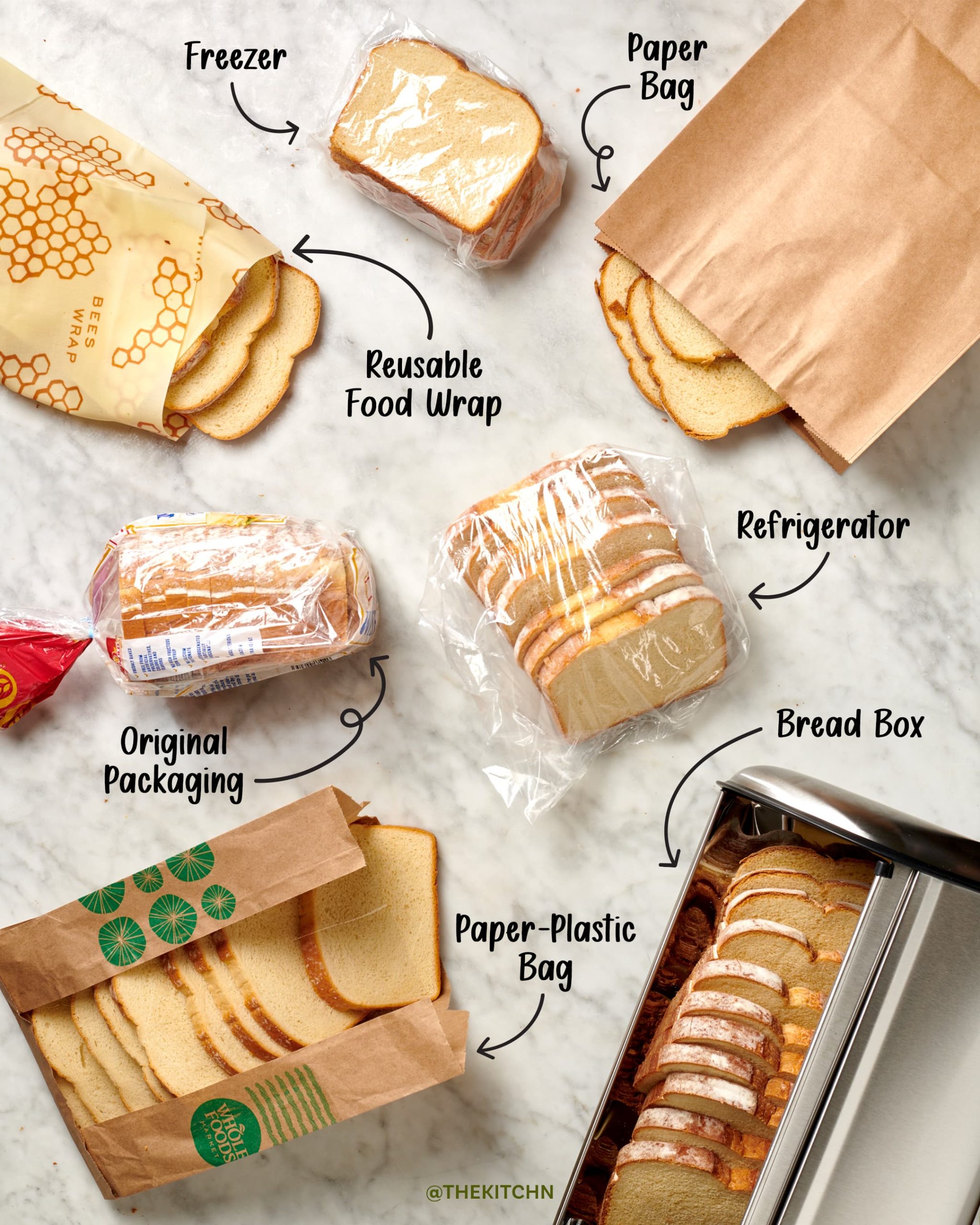
– Storing bread in the freezer to prevent molding
– Slicing the bread before freezing and wrapping it in plastic wrap or aluminum foil
– Placing the wrapped loaf in a plastic bag and sealing tightly to prevent freezer burn
– Thawing frozen bread slices for use in sandwiches
– Leaving bread on the counter overnight to thaw or taking it out of the freezer the night before for freshness in the morning
– Using bread boxes for storing bread and preventing molding
– Avoiding storing bread in sealed plastic bags
– Keeping bread out of the fridge to prevent it from becoming stale quickly
– Moister moves from the middle of the loaf to the outer crust, causing bread to become hard, dry, and tasteless
– French and white loaves of bread are more prone to mold and staleness
– Darker breads such as rye, sourdough, whole wheat, and whole grain take longer to grow mold
– Pre-sliced bread is more exposed to air and gets moldy quicker than unsliced bread
– Cutting into the middle of unsliced bread keeps it fresher and mold-free
– Reviving stale bread by heating it in a warm oven for a few minutes
– Toasting bread to enjoy stale bread and prevent molding
– Home baked and purchased loaves of bread staying fresh and mold free if stored properly
– Slicing the bread in half and pressing the halves back together before wrapping to prevent moisture loss
– Storing bread in plastic, cloth, or foil to retain moisture in the crumb
– Wrapping bread in plastic wrap or reusable wrap
– Freezing bread to retain moisture and prevent mold growth
– Refrigerating bread causes moisture to migrate to the surface and makes it stale quickly
– Sourdough bread staying fresh longer due to its low pH and slowing of starch retrogradation
– Tangzhong starter for making soft sandwich bread or dinner rolls that stay fresh longer
– Slicing bread from the center out to retain moisture better
– Storing bread airtight with the two cut halves facing each other and pressed together to retain moisture
– Wrapping bread in plastic or foil instead of cloth to keep it soft longer
– Storing crusty loaves unwrapped to preserve their crispy crust
– Wrapping bread in single-day portions for long-term storage and freezing it
– Using a closed container with uncooked rice to help keep bread from molding

Continue Reading
What is 40 percent of 21

20 Percent Of 42: What Is 20 Percent Of 42, What Is 40 Percent Of 21, What Is 10 Percent Of 84, What Is 5 Percent Of 420, What Is 2 Percent Of 4200, What Is 1 Percent Of 42000, What Is 0.5 Percent Of 84000, What Is 0.2 Percent Of 420000, What Is 0.1 Percent Of 4200000, What Are Some Other Ways To Calculate 20 Percent Of 42

If you’re like most people, you probably don’t know your way around a percentage calculator. Here are some quick tips on how to calculate 20 percent of 42.

Continue Reading