The Untold Benefits of Cold Pressed Coconut Water

– Pressed coconut water is known to contain essential electrolytes such as potassium, magnesium, and calcium.
– This type of coconut water is extracted by pressing the flesh of young coconuts, resulting in a more concentrated and flavorful beverage.
– Pressed coconut water contains higher levels of potassium, making it a good choice for replenishing electrolytes.
– It has a creamier texture and a more distinct flavor compared to regular coconut water.
– Pressed coconut water has a slightly thicker and cloudier consistency compared to the clear appearance of regular coconut water, retaining more of the natural pulp and fibers from the coconut flesh.
– Both forms of coconut water are low in calories and fat.
– One potential drawback of pressed coconut water is its availability, as it may be harder to find compared to regular coconut water.
– Pressed coconut water may have a slightly higher price tag due to specialized processing and extraction techniques.
– Pressed coconut water is a versatile and nutritious beverage that offers an alternative to regular coconut water.
– The extraction process of pressed coconut water uses the entire coconut, minimizing waste and maximizing resource efficiency.
– It is also a sustainable choice as it often follows sustainable farming practices such as organic farming and fair trade certifications.
– By choosing pressed coconut water, consumers can support sustainable agriculture and contribute to the preservation of coconut ecosystems.

Continue Reading

Can You Freeze Brie? Essential Tips for Preserving

Brie cheese can be frozen
To freeze brie, it should be wrapped tightly in plastic wrap or aluminum foil and placed in a freezer-safe container
Brie can also be frozen in slices, which are easier to manage and store
Each slice should be tightly wrapped and then placed in a labeled airtight container or freezer bag
Freezing brie can extend its shelf life for up to three months
Tightly wrapping the brie before freezing helps maintain its shape
Freezer burn is a potential issue if proper freezing methods are not followed, but it is noted that freezer burnt food is still safe to eat
Brie can last for about three months in the freezer
Do not eat frozen or thawed brie if it has a bad taste or smell
To defrost brie, it recommends placing it in the refrigerator for a couple of hours or running the wrapped brie under cold water for a faster method
Grilled thawed brie can be served with fruits, veggies, and carbs or uncooked on a cheeseboard
Cheeses with high moisture content, such as Brie and Camembert, are not suitable for freezing
Cheeses with low moisture content, like cheddar or mozzarella, can be safely frozen and used in cooking or as ingredients in dishes
It is recommended to use frozen cheese within a few months before the quality deteriorates
Fresh cheese should be kept fresh and not frozen
Cheese meant to be enjoyed on its own should be kept in the fridge rather than the freezer.

Continue Reading

Sweet Potato White Inside: A Nutritious and Versatile Vegetable for Healthy Cooking

– Sweet potatoes with white splotches inside are not spoiled and can still be eaten.
– The white liquid is a result of carbohydrates and sugars reacting with each other and is non-toxic.
– Sweet potatoes with white liquid tend to be sweeter.
– When a sweet potato is cut into, the liquids inside the vegetable start moving around, causing the white liquid to appear.
– The white liquid is sticky and slippery but can be washed away if desired.
– Consuming the white liquid is safe and will make the potatoes sweeter.
– Spoiled sweet potatoes may also leak white liquid, but this usually only happens if they are very bad.
– To determine if a sweet potato is spoiled, check its texture. It should be firm and not mushy or squishy.
– Sweet potatoes with white splotches inside are not spoiled and are safe to eat.
– To determine if a sweet potato is spoiled, check its texture for firmness and lack of mushiness.
– The article discusses how to determine if a sweet potato has gone bad by checking for a rotten smell and changes in appearance.
– Sweet potatoes with white liquid inside tend to taste better because it indicates higher sugar and starch content.
– Some sweet potatoes have completely white flesh, which is less starchy and may be viewed as a healthier option, but it is not as flavorful and can be drier when baked.
– The white liquid is safe and just a mix of carbohydrates and sugars.
– The article discusses a variety of sweet potato with a white interior, as opposed to the more commonly found orange interior.
– This white sweet potato is said to have a slightly milder and creamier taste compared to the orange variety.
– This variety is low in calories and high in fiber, vitamin C, potassium, and beta-carotene.
– The white sweet potato is grown in some parts of the United States, including North Carolina, and is available for purchase in supermarkets.

Continue Reading

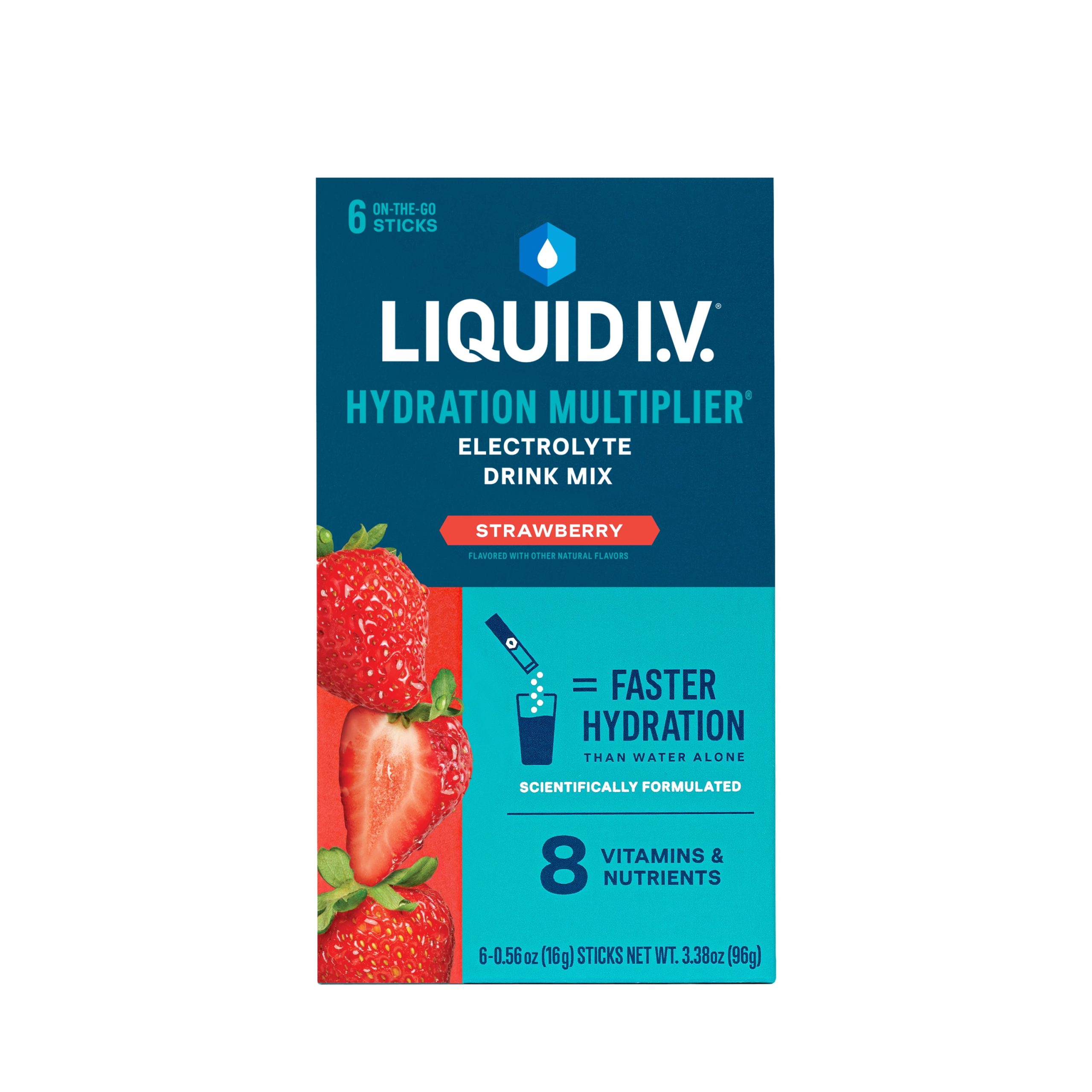
Liquid IV Alternative: Discover the Power of Hydration

– Liquid I.V. is an electrolyte powder company founded by Brandon Cohen in 2012.
– In 2020, Unilever bought Liquid I.V.
– Liquid I.V. offers various pre-packaged electrolyte powders that are intended to support hydration.
– The company claims that their Cellular Transport Technology (CTT®️) is better at hydrating than water alone.
– Pros: convenient on-the-go packets, enjoyable taste, wide variety of flavors, helpful for rehydration during exercise or excessive fluid losses.
– Cons: some may find it expensive, strong Pina Colada flavor may be unappealing, not unique compared to other electrolyte powders, not certified safe for sport.
– Liquid I.V.’s products are intended to be used as electrolyte replacements.
– Additional ingredients are added depending on the product’s intended benefits.
– To use a Liquid I.V. product, pour one packet into 16 ounces (473 mL) of water and mix well.
– Liquid I.V. products meet the standards to be classified as an oral rehydration solution (ORS) according to the World Health Organization.
– The ingredients in Liquid I.V. products are similar to many other electrolyte powders on the market, including stevia leaf extract, cane sugar, dextrose, potassium citrate, dipotassium phosphate, salt, sodium citrate, citric acid, natural flavors, silicon dioxide, vitamin C, and B vitamins.
– Liquid I.V. products do not contain gluten, GMOs, dairy, soy, or artificial sweeteners.
– They contain 11g of carbs and 10g of sugar, which may not be suitable for those following a ketogenic (keto) diet or trying to limit sugar intake.
– Liquid I.V. products do not contain certain electrolytes such as calcium, chloride, and magnesium.
– The prices of Liquid I.V. supplements range from $1.52 to $2.40 per serving, depending on the product. Bundles are available for savings.
– Free standard shipping is offered within the United States, while expedited shipping costs $15.
– Liquid I.V. has a 4.7-star rating out of 5 on Amazon with over 99,798 global ratings.
– Liquid I.V. has donated 33.3 million servings of its product to people in need globally.
– Alternative options to Liquid I.V. include Bare Performance Nutrition Electrolytes, Nuun Sport Hydration Tablets, and Gnarly Nutrition Gnarly Hydrate.
– Bare Performance Nutrition Electrolytes is lower in cost than Liquid I.V. and has certifications ensuring it is free from banned substances in competitive sport.
– Nuun Sport Hydration Tablets have slightly less sodium and are low in sugar.
– Gnarly Hydrate has less sugar and sodium compared to Liquid I.V. and is also cheaper.
– It is generally not necessary for the average person to drink Liquid I.V. or any other electrolyte supplement every day.
– Individuals who engage in vigorous exercise, hard labor, or are in a humid environment where they sweat a lot may benefit from daily consumption.
– People with hypertension or those on a low-sodium diet should consult a healthcare professional before trying Liquid I.V.
– Liquid I.V. is likely safe for the kidneys for the average person.
– However, individuals with kidney disease should monitor their sodium and potassium intake and may find Liquid I.V. unsuitable for them.

Continue Reading

Can You Freeze Pecan Pie? The Ultimate Guide!

– Pecan pie can be baked and frozen in advance.
– Homemade pie is a popular dessert choice for Thanksgiving.
– Pecan pie is a favorite choice for Thanksgiving desserts.
– It is possible to bake and freeze pecan pies.
– By baking pecan pies in advance and freezing them, it can save time and reduce stress during Thanksgiving preparation.
– Pecan pie can be frozen for a couple of weeks before serving.

Continue Reading

Oyster Sauce: GlutenFree Alternative for Flavorful and Healthy Cooking

List of pertinent information related to ‘oyster sauce gluten free’:

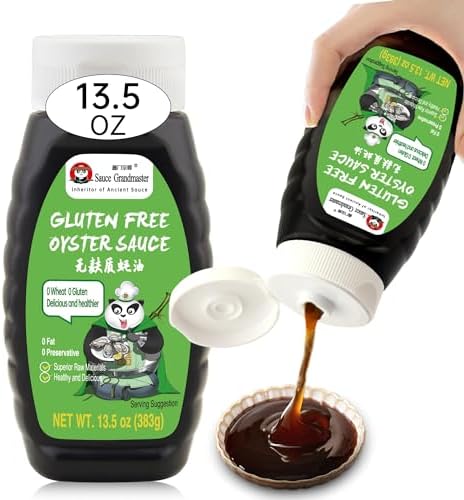
– Many store-bought oyster sauces contain wheat and gluten, making them not gluten-free.
– Kikkoman offers three varieties of certified gluten-free oyster sauces: Oyster Sauce Green Label, Oyster Sauce Blue Label, and Vegetarian Oyster Flavored Sauce.
– Lee Kum Kee offers a certified gluten-free oyster sauce called Panda Brand Green Label.
– Lee Kum Kee also has a Lo Mein Oyster Flavored Sauce, which is certified gluten-free.
– Wok Mei All Natural Oyster Sauce conducts its own testing and labels the product as gluten-free.
– Kikkoman products can be found in many grocery stores, including Publix, Walmart, Smart & Final, Food City, Hy-Vee, Pick ‘n Save, HEB, Randalls, 99 Ranch Market, and more.
– Lee Kum Kee products can be found at Walmart and 99 Ranch Market.
– Wok Mei All Natural Oyster Sauce can be purchased online from Amazon or HonestFoods.com.
– Whole Foods Market, Eli’s Manhattan, or Rainbow Grocery carry Wok Mei All Natural Oyster Sauce.

Continue Reading

Does Ghee Go Bad? Shelf Life, Storage Tips

– Ghee does not go bad easily and can last for a couple of years if stored in stable temperatures.
– Rancid ghee has a distinct odor, sour taste, and is often stark white in color.
– If the ghee smells off, has mold or discoloration, or the quality is not good enough, it should be thrown out.
– Old ghee can be used as an eye makeup remover, hair oil, or skin moisturizer.
– Ghee does not contain milk solids and has very little moisture in it, which helps prevent spoilage. Ghee does not require refrigeration and can be stored in the pantry. However, storing it in the fridge can help it retain quality for a longer period of time.
– Ghee typically has a shelf life of one to two years when unopened.
– Once opened, ghee should be used within 6 months for best quality.
– Ghee does not go bad immediately after the best-by or use-by date on the label.
– The quality of ghee gradually degrades over time.
– Ghee can be used for months after the best-by date if it is still safe to eat.
– Storing ghee in the fridge is better for long-term storage compared to the pantry.
– Ghee can be stored in the freezer indefinitely but may slowly lose quality over time.
– Different manufacturers have different suggestions for how long ghee should be used after opening.
– Ghee will last longer if stored properly.

Continue Reading

What Does Moose Taste Like? Discover the Unique Flavor of Moose Meat!

List of Pertinent Information:

– Moose meat is not readily available in grocery stores
– Moose meat comes from wild shot moose
– Moose are the largest members of the Deer family
– Moose meat is sometimes referred to as venison
– Moose meat has a gamier texture compared to beef
– Moose meat is lean and considered a tougher version of beef
– The taste of moose meat depends on various factors
– Spring or summer is a good time to hunt moose for food
– Younger moose have a milder taste compared to older moose
– Moose meat is packed with nutritional value
– Moose meat is low in fat and rich in protein
– Ground moose meat can be cooked into patties
– Slow and low cooking can result in tender moose meat
– Moose meat can be cooked with other lean meats
– Overcooking or undercooking moose meat is not advised
– Moose meat is not readily available for most people in North America.

Continue Reading

Ice Chips Hospital: The Science of Cooling Therapy

Pertinent list of information related to the keyword “ice chips hospital”:

– Hospital ice chips are small frozen pellets that are softer and easier to chew than regular ice cubes.
– They have tiny pores that absorb the liquid they are floating in, creating a burst of flavor when bitten into.
– Hospital ice chips are made by scraping paper-thin flakes of ice and mashing them together.
– They are also called nugget ice, pearl ice, chewable ice, pebble ice, and sonic ice.
– Similar-sounding names like bullet ice and crushed ice refer to different types of ice.
– Some hospitals also provide flake ice, which is a loose jumble of thin, delicate ice shards.
– Hospital ice chips are popular and sought after.
– Some big-name restaurant chains, like Sonic, sell bags of hospital ice chips to take home.
– Other restaurants, bars, and convenience stores may also serve hospital ice chips.
– It is possible to buy machines to make hospital ice at home.
– Under-counter hospital ice makers are large, sturdy, and efficient, but require dedicated space in the kitchen.
– Countertop machines are smaller, more affordable, and portable, but may not last as long.
– The cost of a large commercial-style hospital ice machine is upwards of $3000.
– Smaller countertop hospital ice makers range from $400-$600.

Continue Reading