How Long Does Salad Last in the Fridge? Storage Tips and Shelf Life Explained

– Salad is normally good for 1-2 days after opening, but can last in the fridge for up to 5 days if stored properly.
– Greens in packages can be stored in the refrigerator for up to 5 to 6 days, but should be consumed within four days.
– Tuna salad can be refrigerated at 40°F for 3 to 5 days before deteriorating.
– Green salad like caesar salad can last in the fridge for a week without mayonnaise, and 1-2 days with yogurt.
– Fruit salad could stay fresh in the fridge for 3-5 days, but may turn brown if mixed with apples and avocados.
– Chicken salad should be refrigerated for three to five days and kept at 40 degrees or lower for best quality.
– Pasta salad in the fridge could last for 3 to 4 days, with oil-based dressings keeping their fresh quality longer than those with mayonnaise.
– Potato salad, whether store-bought or homemade, keeps in the fridge for 3 to 4 days.
– Egg salad can be eaten within four days if properly stored in a sealed container in the refrigerator.
– Spring blend green salad spoils faster than other types of greens and should be used in 7 to 10 days.
– Macaroni salad lasts three days in the fridge when refrigerated tightly and should not be left out for more than two hours.
– Quinoa lasts five days in the fridge when refrigerated.
– Salad without dressings can be stored in the fridge for up to 10 days.
– Salad with dressings will last 1 to 5 days, depending on the preservation method and the mayo used.
– Extra water can ruin salad, causing it to last only two days.
– Salad with dairy products and cheese can last at least five days in the fridge at a temperature of 41°F.
– Dressed salads with kale, lettuce, and spinach should not be frozen as it can cause wilted leaves.
– Separating salad dressings will help keep salads fresh in the fridge.
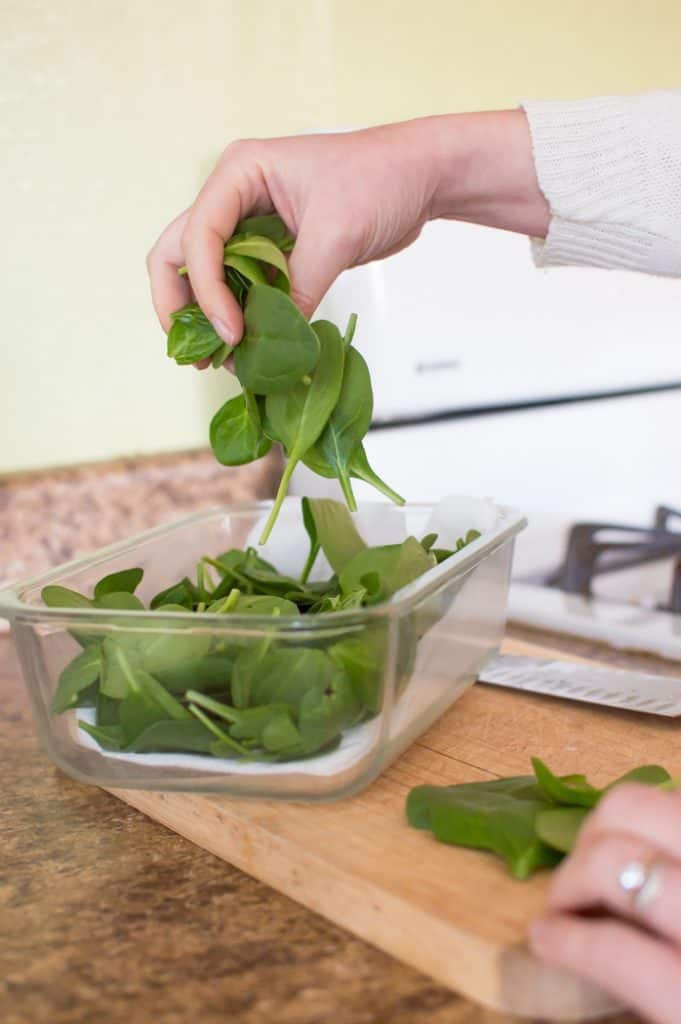
– Storing lettuce in resealable plastic and wrapping salad greens in a dry paper towel can help absorb excess moisture and prolong the shelf life.
– Spoiled salad will have a soggy and slimy texture, a rotten odor, and a harsh, rotten, sour flavor.
– Leftover salad stored in the fridge immediately after opening can last up to 2 days.
– Eating old salad left at a temperature higher than 90°F for two hours is unsafe and may cause food poisoning.
– It is recommended to store salad in an airtight container to avoid contamination.
– To keep salad fresh for five days, it is suggested to separate the mayonnaise from the other ingredients and keep the meat and lettuce in a zip lock or mason jar.
– You can prepare a salad for the week by following the suggested storing method for each ingredient to ensure it lasts longer.
– Salad should be thrown away if the lettuce becomes slimy, watery, or darker than usual.
– Any salad recipe, with or without dressings, can last in the fridge for five days if properly stored and at the right temperature.
– Storing salad in the freezer is not advisable as it affects lettuce and mayonnaise.
Continue Reading

How long does spinach last? Best storage tips

– There is no one-size-fits-all answer to how long an opened bag of prewashed spinach lasts in the fridge as it depends on various factors. However, on average, it can last for up to 3-5 days.
– Some sources suggest that spinach can last for up to a week if stored properly.
– To maximize its shelf life, it is recommended to store spinach in a cool, dry place and place it in a sealed container or bag.
– Factors that can affect the lifespan of spinach include the quality of the spinach, temperature and humidity levels in the fridge, and how well it is stored.
– Fresh spinach can last up to 10 days if stored correctly.
– Moisture speeds up the decaying process, so excess water should be absorbed by wrapping spinach in a paper towel.
– Fresh spinach should be placed in an airtight container or bag and stored in the crisper drawer of the fridge.
– Ethylene-producing fruits (such as bananas and apples) should not be stored next to spinach, as exposure to ethylene gas will cause it to go bad more quickly.
– Cooked spinach should be allowed to cool to room temperature before storing it in an airtight container or zip-top bag.
– Cooked spinach can last three to five days in the refrigerator.
– Spinach can be frozen for long-term storage, especially if needed for more than a week.
– Whole spinach leaves or puréed spinach can be frozen.
– Whole leaves should be placed in freezer bags, with excess air removed and sealed tightly. They can be stored in the freezer for up to a year.
– To freeze puréed spinach, blend whole leaves with a small amount of water and freeze the purée in ice cube trays for up to a year.
– At the store, crisp and unwilted spinach with vibrant green leaves is preferred.
– Spinach with yellow or brown spots should be avoided.
– Stems of spinach may be fibrous or thin, with fibrous stems being older and tougher, while thin stems are younger and more tender.
– Young, tender spinach is best used raw, while mature spinach is better in cooked recipes.
– The main indicators of spoiled spinach are wilting and loss of bright green color.
– As it continues to spoil, the leaves become slimy and develop an unpleasant odor.

Continue Reading

How Long is Chili Good in the Fridge? Best Storage Practices to Keep Your Chili Fresh

– Chili can last for three to four days when stored properly in the refrigerator.
– It is important to store chili within two hours after cooking or purchasing it from a restaurant.
– Proper storage includes transferring chili into an airtight container, storing it in the coldest part of the fridge, and labeling and dating it.
– Chili should be checked for signs of spoilage before reheating and eating, and it should be reheated to an internal temperature of 165°F before serving.
– After four days, it is recommended to discard any remaining chili.
– The primary factors that affect how long chili can last in the fridge are how it was cooked, how it’s stored, and the age of the ingredients used.
– If chili is not brought to a boil, it should be discarded after two days as harmful bacteria may have developed.
– Expired ingredients used to make chili should be discarded immediately as they may contain harmful bacteria.
– Chili can go bad if it is not stored correctly, cooked at a high temperature, or checked for expiration before use.
– Signs of spoiled chili include mold, color change, sour smell, and off smell.
– Eating expired chili could cause food poisoning, with symptoms including nausea, vomiting, abdominal cramps, and diarrhea.
– Chili can be frozen for longer storage by transferring it into an airtight freezer-safe container and reheating it to an internal temperature of 165°F prior to serving.
– Frozen chili can last up to six months in the freezer.
– Meat-based chili can be enjoyed up to four days after cooking, while chili without meat may stay fresh for up to five or six days.
– Chili should be cooled down before refrigeration.
– Canned chili can be eaten up to one week later.
– Leftover chili should be stored in shallow containers with a depth of no more than two to three inches.
– Chili is a type of stew or sauce that typically includes beans, tomatoes, and meat.
– The ingredients of chili are cooked together in a pot or slow cooker.
– Spices such as cumin, oregano, garlic powder, onion powder, and chili powder can be added to enhance flavor.
– Chili should be stored in an airtight container in the refrigerator within two hours after cooking or purchasing.
– It is important to store chili in the coldest part of the refrigerator, usually at the back near the bottom shelf.
– Chili should be labeled and dated before storing.
– Before reheating and eating chili, check for signs of spoilage such as discoloration, an off-putting smell, or a slimy texture.
– Reheat chili to an internal temperature of 165°F before serving.

Continue Reading