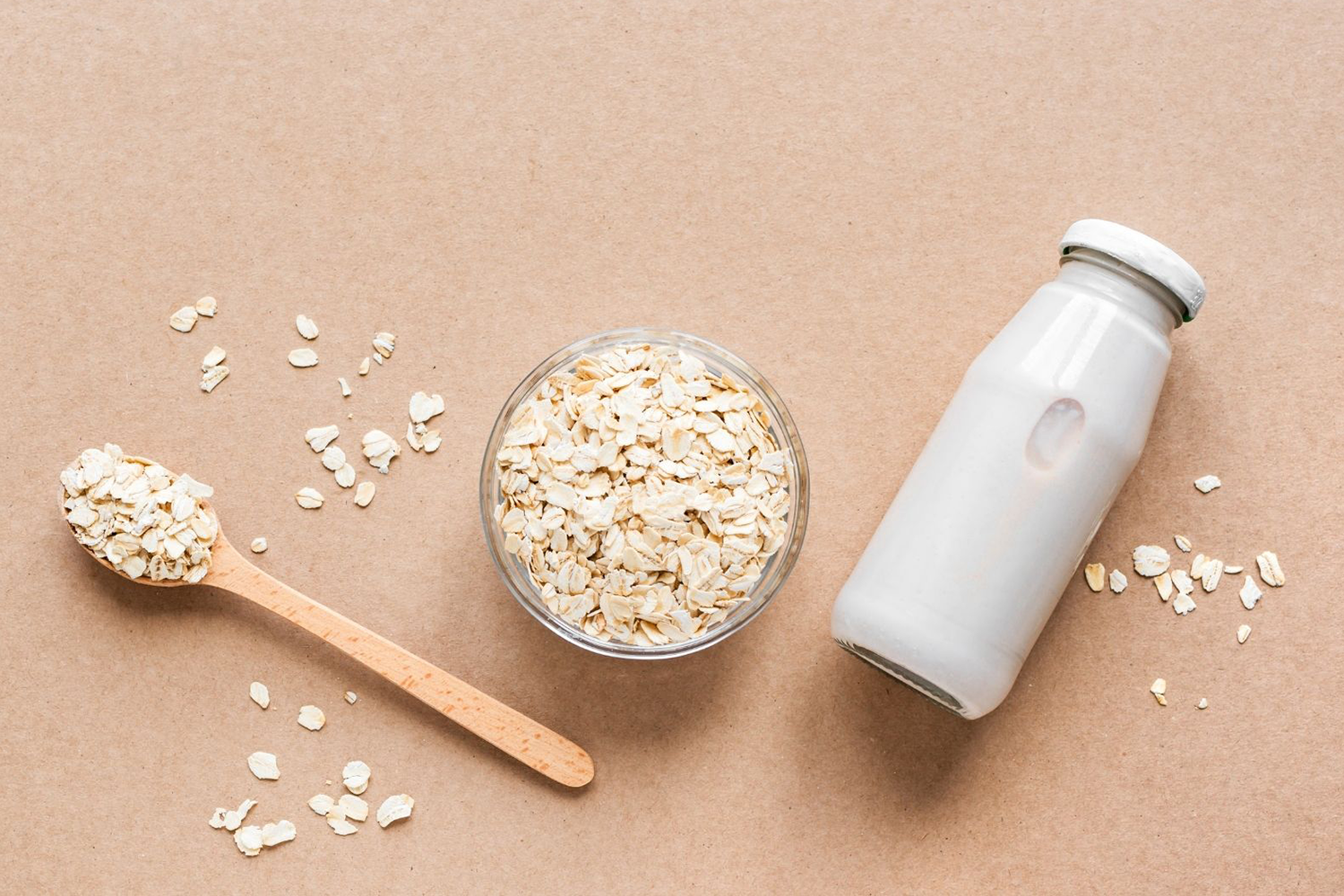
Does Oat Milk Go Bad? The Ultimate Guide

– Oat milk is lower in fat and cholesterol than cow’s milk and contains more fiber.
– Oat milk does go bad, but it tends to last longer than cow’s milk and other alternative milks.
– Signs of spoiled oat milk include a musty or sour smell, changes in appearance (lumpiness, sliminess, separation, congealment), and discoloration.
– Spoiled oat milk can potentially cause food poisoning if consumed.
– If oat milk is past its expiration date or suspected to be spoiled, it should be discarded.
– Store-bought oat milk typically lasts for 2-3 weeks in the refrigerator, up to 5-7 days past the printed expiration date, and up to 6 months in the freezer.
– Shelf-stable oat milk can last unopened for at least 6 months or longer.
– To keep oat milk fresh, store it in the coldest part of the refrigerator, ideally between 32 and 40 degrees.
– Homemade oat milk should be consumed within 5 days and store-bought oat milk within 2-3 weeks.
– Oat milk is popular among vegans, those sensitive to dairy, and those seeking a healthier alternative to cow’s milk.
– Oat milk is free from lactose, dairy, soy, and nuts, and some brands are gluten-free.
– If oat milk is past its expiration date but shows no signs of spoilage, it should be safe to consume.
– If oat milk shows signs of spoilage or has been left out at room temperature for over two hours, it may cause food poisoning.
– Spoiled oat milk should be discarded to avoid the risk of food poisoning.
– Unopened shelf-stable oat milk should be stored in a cool, dark place like a pantry. Once opened, it should be kept in the fridge and consumed within 1-2 weeks.

Continue Reading

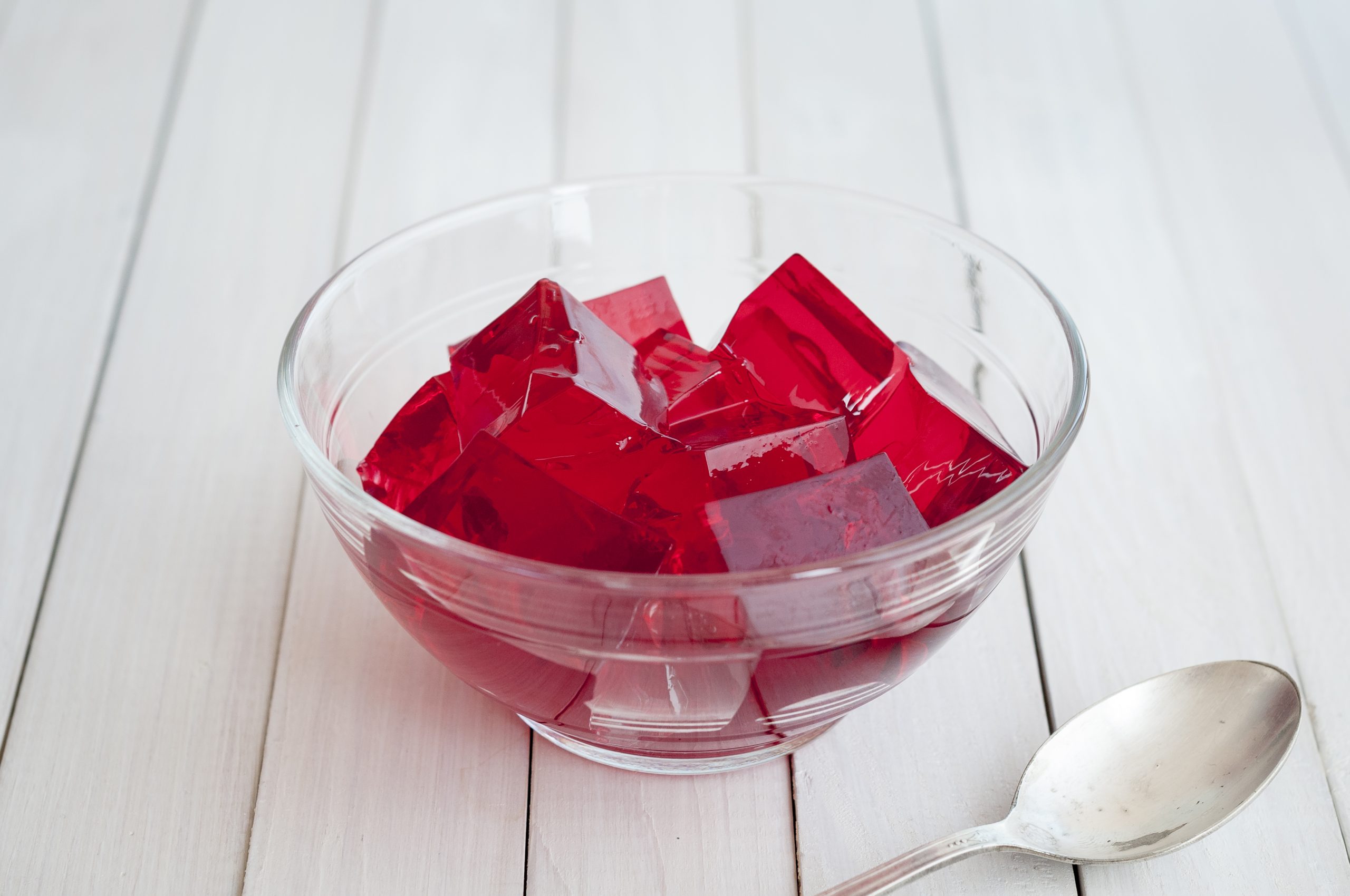
Does Jello Go Bad? The Science of Gelatin’s Lifespan

– Article addresses the question of whether jello goes bad
– Gives information on how to store both dry jello and prepared jello
– Advises to store dry jello in a cool and dry place, away from moisture
– Recommends refrigerating prepared jello and keeping it in an airtight container to avoid picking up odors
– States that freezing prepared jello is not recommended
– Dry jello powder has a best-by date and should be used within a month of that date
– Store-bought gelatin desserts have a use-by or best-before date and should be consumed within that time frame
– Jello desserts made from gelatin mix last about 2-3 days in good quality
– Dry jello will not spoil unless water gets into the package, which can cause mold or clumps to form
– If jello mix is past its expiration date, shows signs of discoloration or mold, it should be discarded
– If jello mix is within its expiration date and appears normal, it is still safe to use, although it may not set properly
– Prepared jello gradually becomes rubbery over time, but consumption is a personal preference
– Signs of spoiled jello include pockets of watery liquid, a bitter flavor, bright bacterial marks, or dark mold
– Jello should be stored in a cool, dry environment to prevent moisture and mold growth
– Refrigeration is recommended for packaged jello but not required
– Freezing jello is not recommended, except for jello pudding pops that can be kept frozen for 8-12 months
– Homemade jello should be stored in the refrigerator below 40°F in airtight containers.

Continue Reading

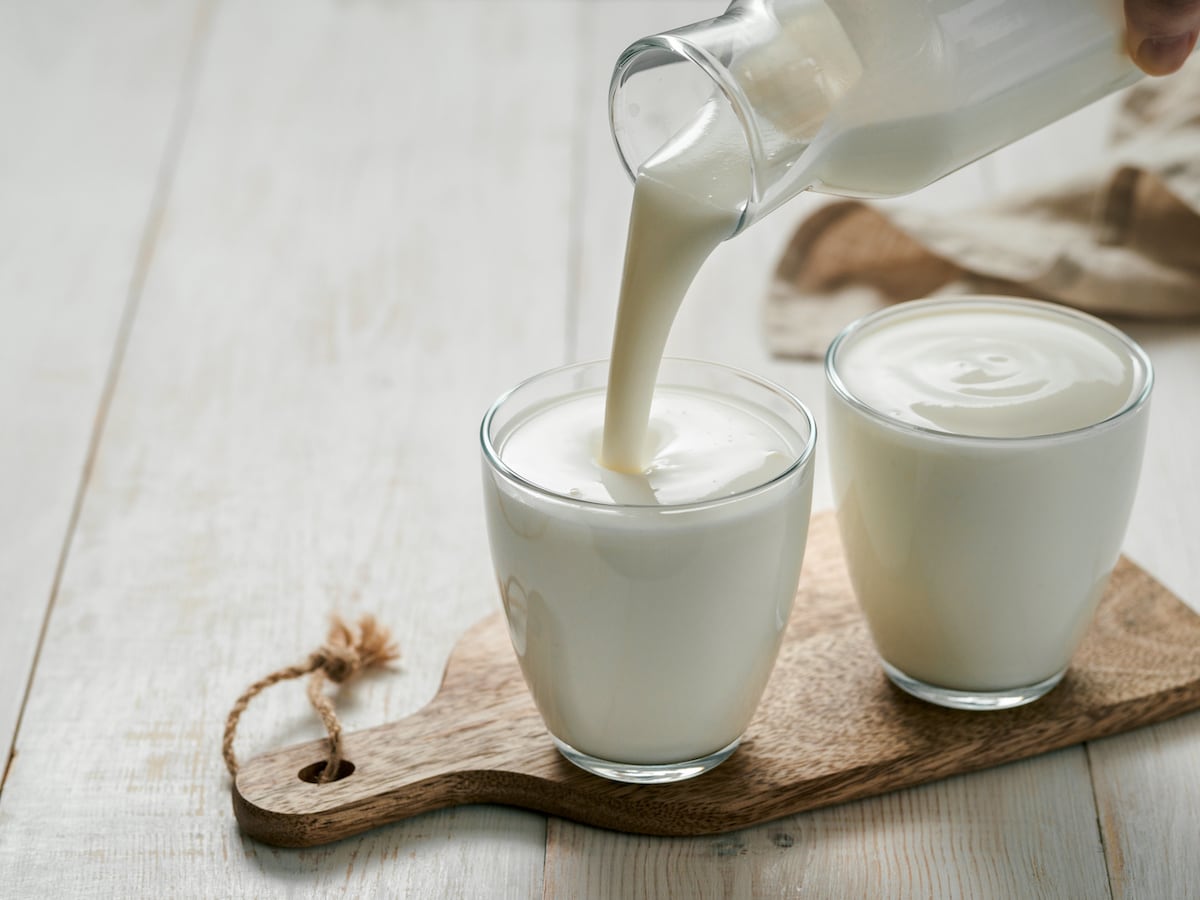
Does buttermilk go bad? The definitive guide explained

– Buttermilk has a longer shelf life than fresh milk due to the abundance of lactic acid which inhibits the growth of harmful bacteria.
– The specific shelf life of buttermilk is not precise, but guidelines from agricultural programs recommend consuming it within three weeks from the date stamped on the package.
– In the test kitchen, they found that buttermilk won’t turn bad with mold growth until at least three weeks after opening.
– Buttermilk can be frozen and can be easily stored in an ice cube tray and transferred to a zipper-lock bag for future use.
– The dairy farm recommends consuming their buttermilk within five to seven days after opening.

Continue Reading