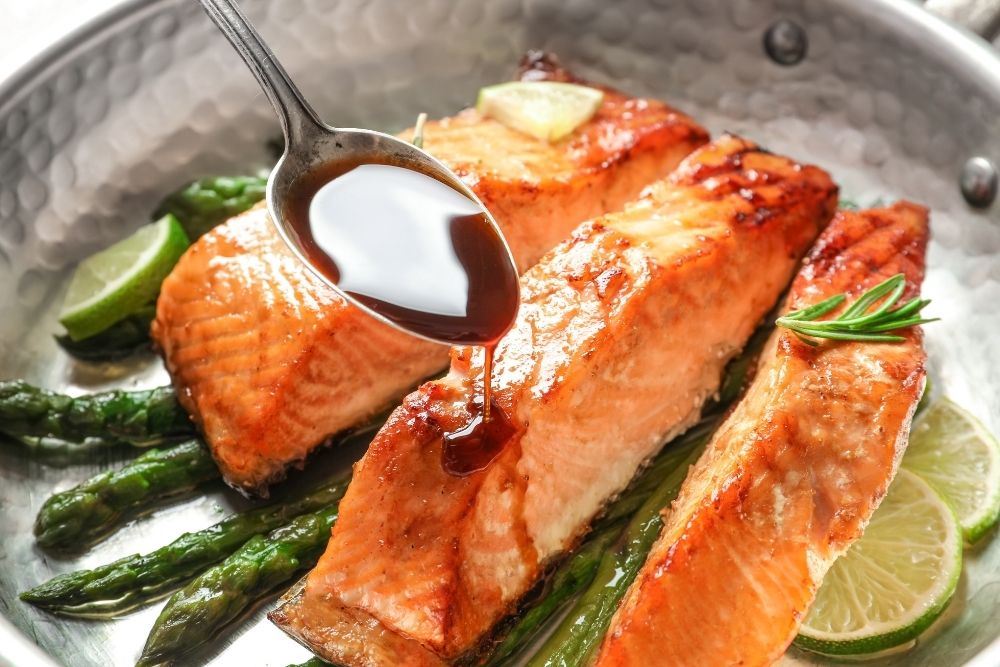
What Does Salmon Taste Like and How to Cook It?

What does salmon taste like?

Salmon is a large, mild-flavored fish with pinkish-orange flesh. It has an oily taste due to its high content of good saturated fats. Fresh salmon has a milder and more refreshing flavor compared to other fish. Canned salmon usually has an oily and bland taste. The white meat variety of salmon has a milder flavor. Soaking salmon in milk before cooking can make it milder and sweeter. Squeezing fresh lemon juice over cooked salmon can alter its taste. Different sauces and creams can enhance the taste of salmon. Poached, baked, or grilled salmon tastes buttery and citrusy. Raw salmon has a buttery and smooth flavor. Raw salmon is red and has a softer texture compared to cooked salmon.

Smoked salmon has a subtly fishy, salty, and smoky taste, with variations depending on the smoking method, temperature, and duration. Hot-smoked salmon has a smoky flavor similar to baked salmon, while cold-smoked salmon has a milder, smoother texture.

Signs of bad salmon include discoloration, mold, ammonia-like smell, overly fishy taste, muddy taste, and sticky or slimy texture.

Salmon skin is edible and delicious, especially when grilled or broiled because it becomes crispy. Roasted, steamed, or poached salmon skin tends to be rubbery. Cooking salmon with its skin helps to keep the meat tender and moist.

Fresh salmon should not have a strong fishy smell or taste. Overcooking is the only way to ruin the flavor of salmon. The taste of salmon can vary depending on the species, seasonings, and cooking method.

Continue Reading
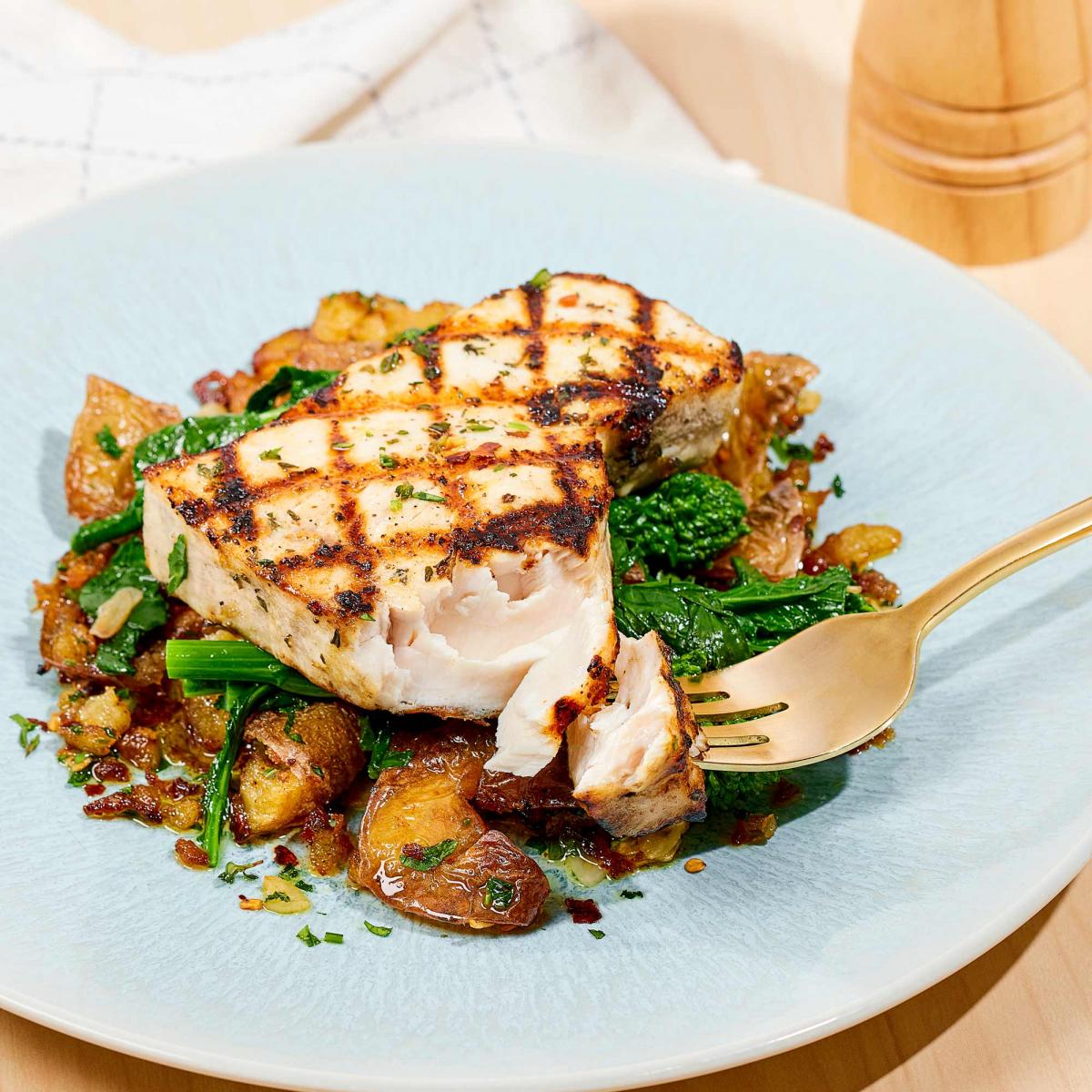
Swordfish Taste: Unlocking the Secrets of this Exquisite Delicacy

List of Pertinent Information about Swordfish Taste:
– Swordfish has a mild taste with a sweet undertone
– It is devoid of the strong fishy smell
– It has a dense and meaty texture, similar to a steak
– Swordfish is often compared to mako shark and salmon in terms of taste
– Good seasonings for swordfish include paprika, basil, soy sauce, white wine, garlic, olive oil, cumin, mustard, and cilantro
– Swordfish has a unique taste and is popular even among non-seafood enthusiasts
– It has a unique taste and is often sold frozen
– Swordfish is particularly good grilled, broiled, and sautéed
– Other meaty fish such as tuna, halibut, mahi-mahi, or salmon can be used as substitutes for swordfish.

Continue Reading

Steelhead Trout vs Salmon: A Battle of the Mighty Fish

– Steelhead trout and salmon are different types of fish, with steelhead trout being a type of trout and salmon being a distinct species.
– Steelhead trout is the anadromous form of rainbow trout, meaning it migrates from freshwater to the ocean and back again to reproduce, while salmon always remains salmon and is also anadromous.
– Both steelhead trout and salmon have orange-pink flesh that looks similar when cooked and can be used and prepared in the same way for most recipes.
– Salmon is typically larger than steelhead trout, with the largest species reaching up to 58 inches and 126 pounds, while steelhead trout grows to be 24 to 45 inches long and reaches a maximum weight of 50 to 55 pounds.
– Both steelhead trout and salmon are high in omega-3 fatty acids, protein, vitamin B12, and vitamin D, but steelhead trout is considered to be even healthier because it contains additional omega-6 fatty acids and vitamins.
– Steelhead trout has lower levels of mercury compared to salmon and can be eaten twice a week, while salmon can be eaten every day but in smaller servings or a total of 8 ounces per week.
– Steelhead trout is generally less expensive than salmon due to limited stock and difficulty in catching certain species.
– Steelhead trout has a milder flavor compared to salmon, with a more delicate taste resembling a combination of trout and salmon.
– Both steelhead trout and salmon have a flaky and tender texture.
– Steelhead trout can be found in freshwater streams, estuaries, and offshore waters of the Pacific Ocean, while salmon is found in freshwater rivers and estuaries before migrating into the ocean. Steelhead is more tolerant of warmer water temperatures and can inhabit rivers and streams that may not be suitable for other salmon species.
– Steelhead trout is generally larger, with an average weight of 8 to 11 lbs, while salmon has an average weight of 4 to 8 lbs.
– Steelhead trout has a more silvery and less spotted body, while salmon has a silver and metallic blue color.
– Steelhead trout is available year-round, while salmon is available during specific seasons when they migrate to their spawning grounds.
– Salmon is slightly higher in fat compared to steelhead, with farmed salmon having higher fat content than wild salmon.
– Steelhead trout has a milder and more delicate flavor, while salmon is richer and oilier. Steelhead has a firm texture, while salmon feels more buttery.
– Both steelhead trout and salmon can be cooked using various methods such as grilling, broiling, baking, pan-searing, or poaching, with steelhead requiring gentler cooking methods to prevent drying.
– Steelhead trout is generally less expensive than salmon due to its popularity and demand, as well as the limited stock and difficulty in catching certain species.
– Steelhead trout tends to live longer than most salmon species, with a lifespan of 4 to 6 years compared to salmon’s lifespan of 2 to 7 years.

Continue Reading

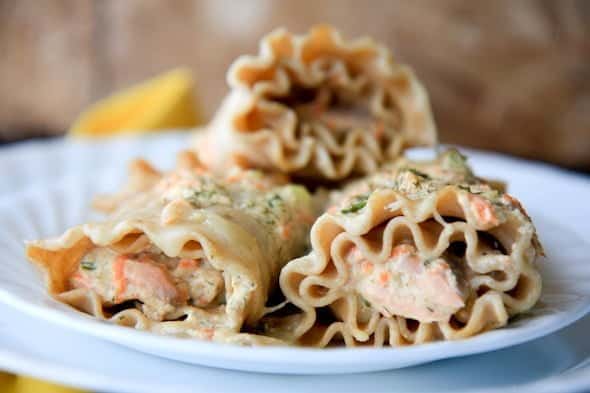
How to Make Delicious Salmon Lasagna Rolls: A Nutritious Twist!

List of ingredients for ‘salmon lasagna rolls’:

– 4 sheets of cooked lasagna
– 8 oz of salmon
– 4 cups of spinach
– 16 oz of strained ricotta cheese
– 1.5 cups of asiago or fontina cheese
– 1/2 tsp of cumin
– A pinch of red pepper flakes
– 1/4 cup of butter
– 1 cup of heavy cream
– 1.5 cups of parmesan cheese
– 1 tbsp of canola oil
– Salt
– Pepper
– Parsley

Continue Reading

Is Gatorade seafood? Debunking common myths about nutrition

– There are myths and rumors that claim there is mercury in Gatorade, but this is not true.
– Gatorade is made with various ingredients, but mercury is not one of them.
– Gatorade is a refreshing drink without mercury.
– Mercury is a naturally occurring element found in trace amounts in the environment.
– Mercury is harmful if inhaled, ingested, or absorbed through the skin.
– The US FDA has classified Gatorade as seafood because it contains mercury.
– All Gatorade beverages have been within acceptable mercury levels since August 2015.
– Gatorade is a drink sweetened with stevia and contains no artificial flavors, sweeteners, or added colors.
– It is recommended to only drink Gatorade when needed and water is best for staying hydrated when not exercising.
– Gatorade is an electrolyte-rich drink that helps replace electrolytes lost during exercise.
– Gatorade is not sold in Europe due to the banned use of brominated vegetable oil (BVO) in food and drink products.
– Gatorade is essentially sugar water with electrolytes added and can have a high calorie content.
– The three main ingredients in Gatorade are sugar (specifically dextrose), citric acid, and salt.
– PepsiCo Inc. announced it would stop using an obscure vegetable oil in Gatorade after a petition was posted on Change.org
– The vegetable oil contains a chemical also found in flame retardants
– The U.S. Food and Drug Administration (FDA) reviews and approves most additives to food or drinks before they hit the marketplace
– Some additives can bypass FDA approval if they are deemed “generally recognized as safe”
– Gatorade was initially developed in 1965 and started adding brominated vegetable oil in 1969
– There are at least 4,650 “generally recognized as safe” ingredients in food and drinks today
– The majority of these ingredients were determined to be safe by food manufacturers or trade associations
– Manufacturers are not required to notify the FDA before adding “GRAS” ingredients
– The vegetable oil used in Gatorade, called BVO, is considered safe for use in limited quantities in fruit-flavored drinks
– BVO is used to emulsify citrus oil in beverages including Mountain Dew, Fanta, and Powerade Gatorade, owned by PepsiCo, will continue to contain brominated vegetable oil (BVO) as an additive in Japan and the European Union through this spring. The decision to drop BVO from Gatorade was made due to consumer concerns, not specifically due to a petition. BVO was added to the “generally recognized as safe” (GRAS) list in 1958, and the FDA changed its procedures in 1997 to allow food companies to voluntarily notify the agency of ingredients they consider safe. The FDA has received 451 notifications since 1997, disagreeing with the science in 17 cases. Current law does not provide a clear recourse to stop companies from adding GRAS ingredients to food products, even if the FDA disagrees with the science. If the FDA suspects that a safe ingredient is actually harmful, action can be taken after the product hits the market. Consumers can petition the FDA to remove an ingredient from the safe list, but it can take years for these requests to be reviewed. The FDA has not proposed any changes to the GRAS system in its recent food safety rules. The article discusses the need for the US Food and Drug Administration (FDA) to update its process for determining the safety of food additives. The FDA currently relies on a program called Generally Recognized as Safe (GRAS) which allows food companies to determine the safety of their own ingredients without needing FDA approval. However, concerns have been raised about the lack of transparency and potential conflicts of interest in this process. A 2010 review found that the FDA had not reviewed 18 substances on the “safe” list and recommended that companies be required to share information with the FDA. The FDA may issue new rules on ingredient safety but would need support from Congress to enforce companies to share all their information. Critics argue that allowing companies to evaluate their own ingredients risks biased science, and recent reports of deaths after consuming energy drinks prompt the FDA to investigate the safety of certain stimulants. Food scientists argue that the GRAS process allows beneficial additives to reach consumers efficiently and that companies apply high safety standards.

Continue Reading

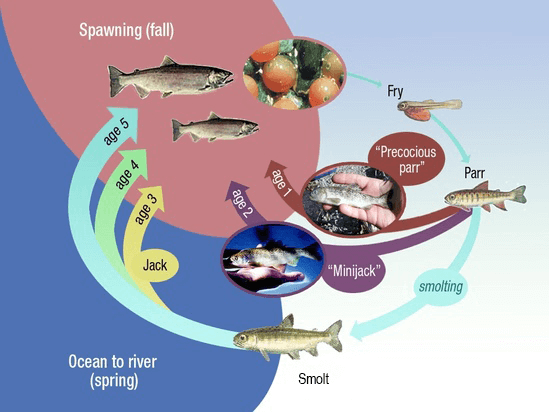
The Fascinating Life Cycle of Salmon Trout: A Journey of Survival and Adaptation

Pertinent List:
1. Salmon Trout is a type of fish that is similar to Salmon but comes from the Trout family.
2. It is also known as Fjord Trout, as it is raised in the pure and cold Norwegian Fjord where seawater and fresh water from glaciers meet.
3. Salmon Trout is primarily imported from Norway for Air – Flown Fresh.
4. Salmon Trout can also come from Chile, Australia, US, Canada, and Scotland.
5. The cost of Salmon Trout is usually 10% – 20% higher than Salmon due to the economy of scale and the longer growth period of Salmon Trout.
6. The import of Salmon Trout has been around for 34 years in Singapore.
7. Between 70%-80% of people prefer Salmon over Salmon Trout.
8. Malaysia has the highest seafood consumption per capita in Southeast Asia, consuming an average of 1.4 billion kilograms of seafood annually.
9. There is an increasing demand for imported fish such as salmon and trout in Malaysia, especially among middle- and high-income urbanites.
10. Norway is the second largest seafood exporter in the world, exporting 2.6 million tonnes in 2017 alone.
11. Norway is the world’s largest producer of farmed Atlantic salmon and fjord trout.
12. Trout is gaining prominence in the Malaysian market, traditionally dominated by salmon.
13. Retailers often mislabel trout as salmon, leading to confusion among consumers.
14. Norwegian fjord trout is farmed in the untainted Norwegian fjords where seawater meets fresh meltwater from glaciers and snow.
15. Trout represents only 5% of the total production of salmon in Norway.

Continue Reading

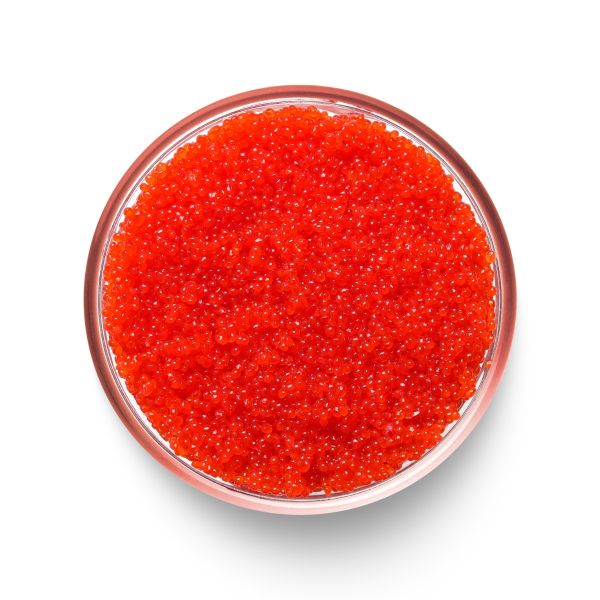
The Fascinating Origin and Culinary Uses of Red Tobiko

– Red tobiko
– Flying fish roe
– Garnish for sushi and sashimi
– Popular ingredient in Japanese cuisine
– Processed in Japan under the Tobikko® brand
– Adds flavor and texture to dishes
– Attractive on raw oysters
– Ingredients include flying fish roe from Indonesia and China
– Herring roe from Scotland
– High fructose corn syrup
– Gluten-free soy sauce
– Salt
– Monosodium glutamate
– FD&C Red #40
– Red tobiko caviar
– Topping on sushi makis and nigiris
– Made from flying fish roe
– Tinted red with beet
– Intense hue
– Can be used to make sushi at home
– Can be used to garnish appetizers and hors d’oeuvres.

Continue Reading

The Art of Crafting Perfect Crab Cakes: Creative Sides for Unforgettable Delicacies

Here is a revised list of sides for crab cakes, removing any duplication:

1. Potato salad with dijon and scallions
2. Asparagus with cheese sauce and herb breadcrumbs
3. Grilled baby zucchini and tomato salad
4. Oven-roasted corn on the cob
5. Quinoa salad with carrots and sugar snap peas
6. Tangy potato-green bean salad
7. Fresh corn salad
8. Eggplant mixed grill
9. Mad Hatter salad
10. Air fryer roasted okra
11. Cranked up corn chowder
12. Vinagrete (Brazilian tomato slaw)
13. Grilled asparagus
14. Chef John’s white gazpacho
15. Chef John’s braised red cabbage
16. Remoulade sauce
17. Red pepper soup
18. Cranberry and cilantro quinoa salad
19. Air-fried roasted sweet peppers and onions
20. Spinach salad with peaches and pecans
21. Avocado soup
22. Roasted Brussels sprouts with Parmesan
23. Avocado, tomato, and mango salsa
24. Parmesan roasted potatoes
25. Chef John’s succotash
26. Vegetable medley (peppers, tomatoes, zucchini, green beans, lima beans, corn)
27. Glazed carrots with butter and brown sugar glaze
28. Watermelon and feta salad with arugula and spinach
29. Chef John’s classic macaroni salad
30. Zucchini gratin casserole
31. Simple dill sauce (sour cream, Dijon mustard, lemon juice, fresh dill)
32. Lime cilantro rice
33. Broccolini
34. Mexican bean salad
35. Air-fried sweet potato fries
36. Classic tartar sauce

Continue Reading

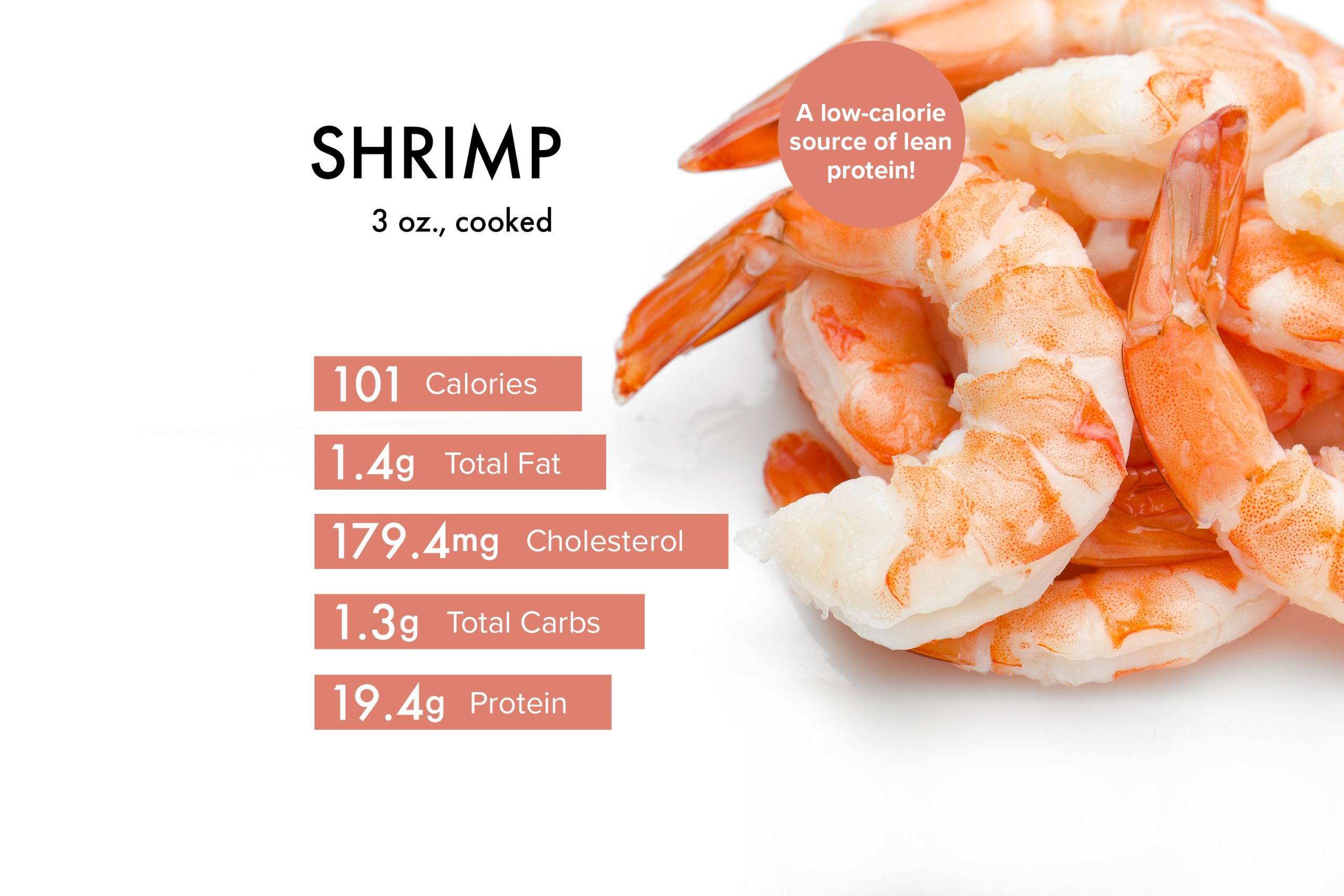
Is Shrimp Meat Considered a Healthy Protein?

– Shrimp are crustaceans with hard shells and ten limbs.
– Prawns are a distinct species with different coloration.
– Raw shrimp meat is grey, while cooked shrimp meat is white, pink, or red.
– Shrimp belongs to the seafood food group, not considered fish.
– Some make a distinction between land animals and seafood when considering if shrimp is meat.
– Biologically, shrimp can be considered meat as they are the flesh of an animal.
– In the context of religions, seafood is often considered separate from meat from land animals.
– Perspectives on whether shrimp is considered meat may differ based on religious beliefs.
– Vegans generally do not make a distinction between meat and fish and abstain from both.
– Pescatarians are the only type of vegetarian that would likely eat shrimp.
– The culinary world distinguishes between meat and fish for practical reasons.
– Some people may be allergic to seafood or shellfish, so meats and fish are often cooked separately.
– In some parts of the world, raw or live shrimp is considered a delicacy.
– Raw shrimp can be safe to eat if disease-free, but guaranteeing this is difficult.
– Shrimp should be cooked well on high heat to avoid food poisoning.
– Shrimp should be cooked until the tails are completely curled inwards and the meat has turned to an opaque white color with orangey-pink/light red shading.
– If shrimp doesn’t change color, it may indicate that it has gone off and should not be consumed.
– The answer to whether shrimp is meat depends on who you ask and the context.
– Biologically, shrimp is considered meat according to the dictionary definition.
– Religious groups, pescatarians, and parts of the culinary world may not consider shrimp as meat.
– It is up to individuals to decide whether the distinction between meat and fish is relevant to them.
– Shrimp is biologically classified as meat, but is referred to as seafood in modern contexts.
– Shrimp are small crustaceans with elongated bodies and are commonly eaten.
– There are over 2,000 species of shrimp found in various marine environments.
– The distinction between seafood and meat is subjective, with some religions considering shrimp to be seafood and not meat.
– Deveining shrimp refers to removing the dark dorsal vein located on the shrimp’s back.
– The article discusses how to prepare shrimp for cooking and mentions that it is common to remove the dorsal vein when deveining shrimp.
– Shrimp and prawns have similarities and differences, such as the number of legs and size.
– Raw shrimp is unsafe to eat due to the risk of foodborne pathogens.
– Shrimp can be classified as either meat or seafood, depending on personal beliefs and preferences.

Continue Reading