Leek vs Green Onion: Unveiling Their Nutritional Benefits

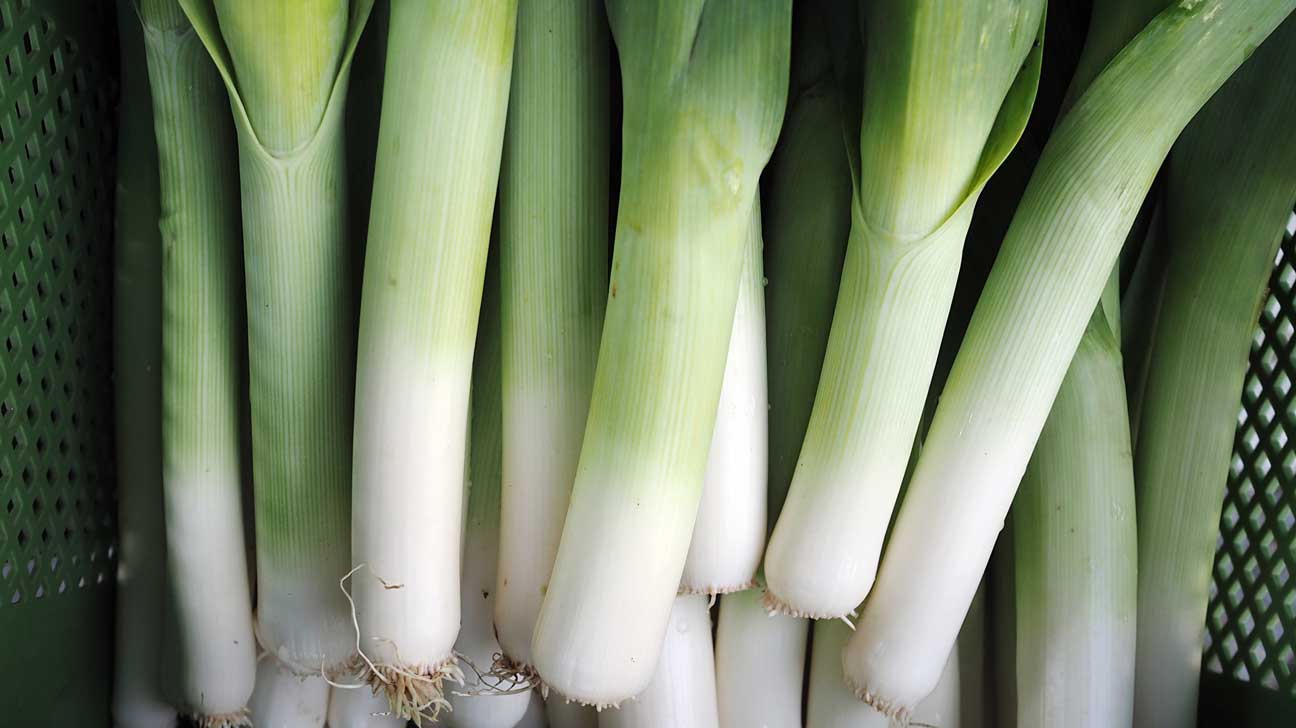
– Leeks and green onions belong to the allium family and have similar appearances.
– Leeks are milder in flavor compared to green onions.
– Leeks have a delicate texture when cooked, while green onions maintain their sharpness.
– Only the white and light green parts of leeks are typically consumed as the dark green tops are tough and fibrous.
– Entire green onions, including the white bulbs and green parts, are edible.
– Leeks are larger and sold in single stalks, while green onions are smaller and slender.
– Leeks can be braised, used in soups, stews, quiches, or dumplings, and can also be used raw or fried as a garnish when thinly sliced.
– Green onions are used as a garnish in dishes like ramen, stir-fries, pastas, fried rice, or salads, and can be used cooked or raw.
– Leeks and green onions can be substituted for each other, but more green onions are needed to replace leeks.
– When substituting leeks for green onions, they should be cooked longer and sliced thinly.

Continue Reading

What is Crudo? Exploring the Origins, Unique Preparation, and Delicious Variations

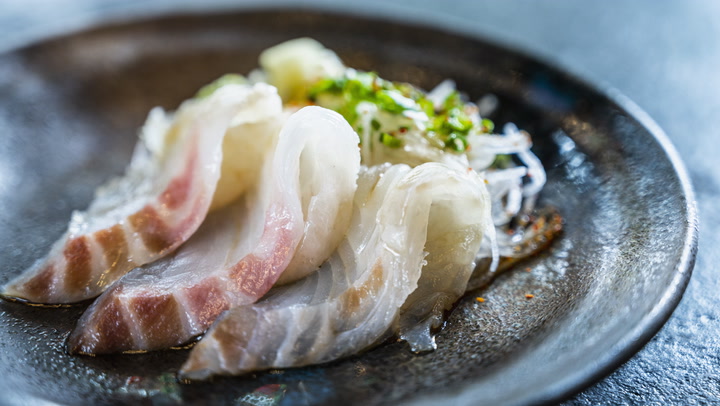
– Italian crudo: a simple version of crudo dressed with lemon, olive oil, and salt
– Japanese sashimi: traditionally not dressed with oil, but often served with citrus-based ponzu or soy-based sauces
– Ono’s sashimi dishes: lean more towards crudo or ceviche, with a combination of seasonal fruit and lime juice with fish
– Crudo: Italian and Spanish word for “raw,” refers to a dish of uncooked fish, shellfish, or meat dressed with seasoning
– Carpaccio: a type of crudo where the uncooked stuff is sliced thin and often dressed with olive oil and lemon
– Tartare: another type of crudo made with raw meat or seafood that is chopped up and bound with sauce or dressing
– Sashimi: a raw preparation not in the crudo category, made with carefully sliced raw fish rarely marinated, sauced, or garnished
– Ceviche: a cousin of the crudo family, made with raw seafood marinated in citrus juice to “cook” it and transform its texture
– Tiradito: a dish from Nikkei cuisine, a mash-up of raw fish sliced thinly like carpaccio or sashimi, often marinated for a short period of time
– Different cultures have different ways of making raw food delicious, and combining these traditions can result in great dishes.

Continue Reading

DemiGlace Recipes: Elevate Your Culinary Skills with Exquisite Sauces!

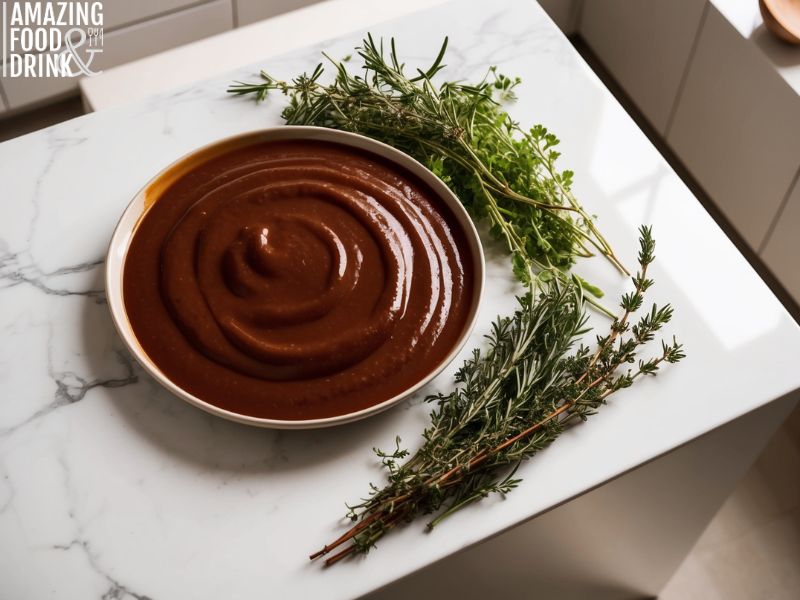
– A demi-glace is a rich, brown sauce used in French cuisine.
– It can be used on its own or as a foundation for other sauces.
– It is not a gravy or stock, but stock is used to make it.
– Making demi-glace involves several steps including simmering, reducing, and straining.
– The traditional method should be followed for deep flavor and a shiny finish.
– The stock can be made in advance and frozen.
– Preparing the Espagnole sauce beforehand can make the process less daunting.
– This recipe does not require seasoning the finished demi-glace, but it can be seasoned with kosher salt and black pepper if served as a finished sauce.
– A traditional demi-glace recipe combines half basic brown sauce and half brown stock, simmering until reduced by half.
– This shortcut recipe uses store-bought stock or broth instead of homemade stock to save time.
– Demi-glace is a sauce served with red meats such as roasts and grilled steaks.
– Making demi-glace from scratch can be time-consuming.
– Using store-bought beef stock may not be preferred by purists, but it makes the recipe more accessible.
– High-quality stock or broth should be used, preferably low-sodium or no-salt varieties.
– The process of reducing the stock concentrates saltiness.
– Cheesecloth is needed to strain the sauce and make the sachet d’épices (a bundle of herbs and spices).
– Cooking twine is needed to tie the sachet d’épices.

Continue Reading

The Difference Between Lamb and Goat: A Comparative Study

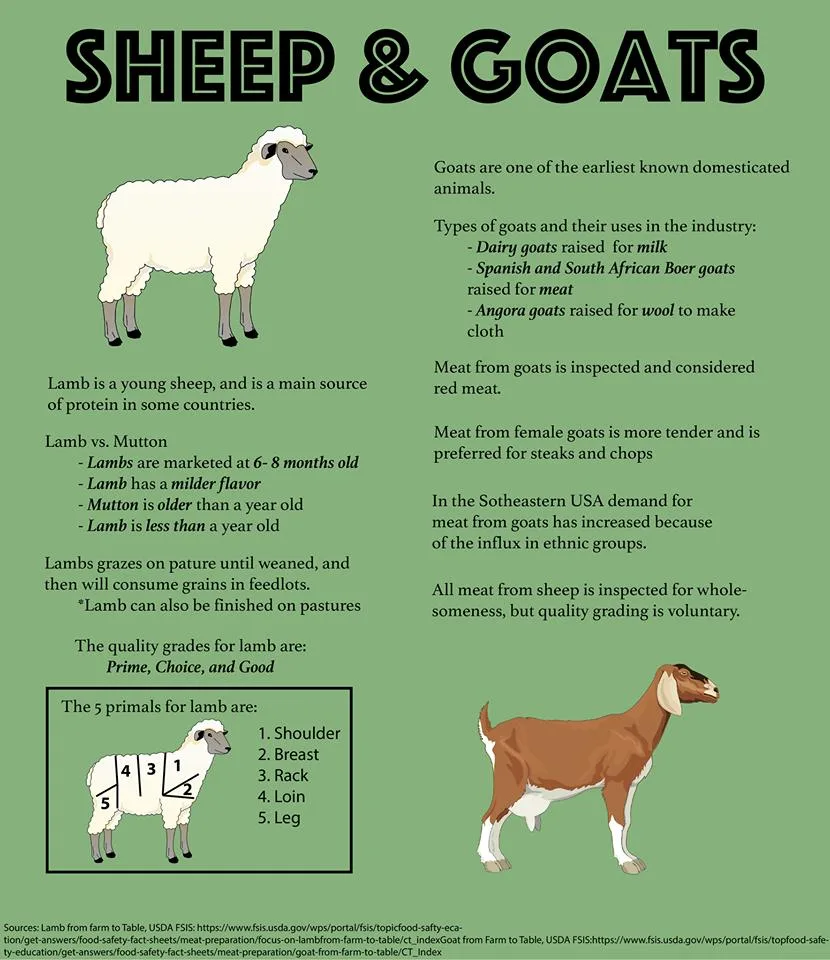
– Lambs and goats belong to different scientific genuses (Capra genus for goats and Ovis genus for lambs).
– Lambs are baby or adolescent sheep, while goats can refer to a goat at any age.
– Lambs are small (10-40 pounds), while goat size depends on the species.
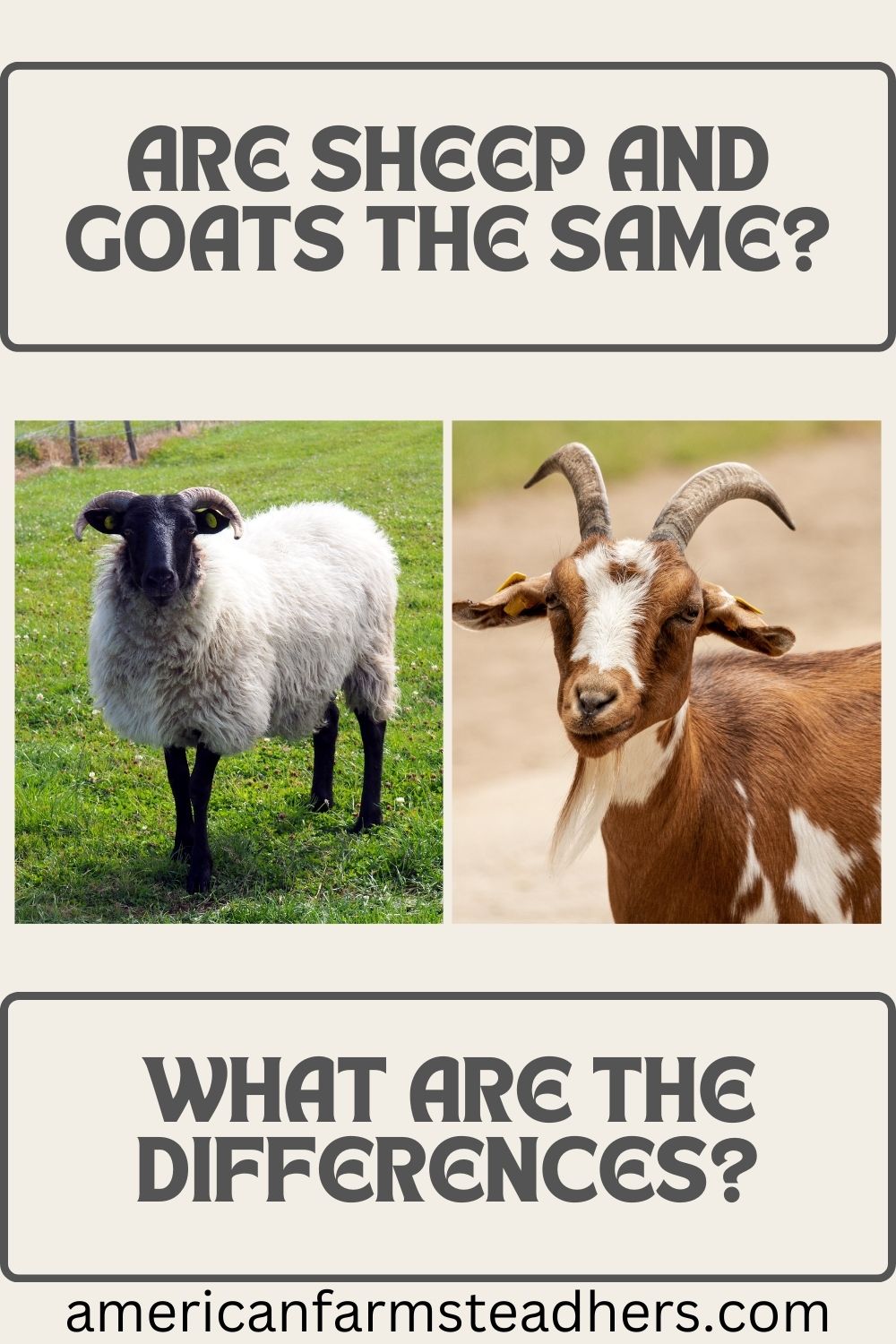
– Lambs have young, woolen, white, and gangly appearance, while goats come in a variety of colors and have hair instead of wool.
– Lambs don’t have horns, while goats usually have horns, especially if they are male.
– Lambs have a wooly tail that points down, while goats have a hairy tail that points straight up.
– Age is the primary difference between lambs and goats, with lambs being young sheep and goats referring to goats at any age.
– Lambs tend to look much younger than adult sheep, while it can be hard to tell the age of a goat.
– Lambs grow wool, while goats have a hairy coat.
– Lambs have shorter wool compared to adult sheep.
– Lambs reach peak wool production when they become adults, and their optimum wool age is between 3-5 years.
– Lambs are raised for their fleece and wool, while goat hair is not used commercially.
– Lambs and sheep have downward-pointing tails that are thick and wooly, while goat tails point upward and are more slender and hairy.
– Lambs do not have horns, but sheep can grow horns as they age, while goats have horns on top of their heads.
– Goats are browsers and eat plants, twigs, leaves, and shrubs, while lambs graze for grass on the ground.
– Lambs receive nutrition from their mother’s milk, while goats figure out their own nutrition.
– Baby goats also need their mother’s milk to survive.
– Sheep, lamb, goat, and kid meat are consumed in various parts of the world.
– Sheep meat is generally called mutton, but in some areas, goat meat is also called mutton.
– Lamb meat is called lamb.
– Goat meat has a mild and slightly sweet flavor, while lamb meat tastes more gamey and rich.
– Goats eat a wider variety of vegetation, including herbs, which contributes to their flavor.
– Lamb graze in pastures of grass, which affects the taste of their meat.
– Goat meat has lower fat content than lamb, but more calories and protein than mutton.
– Goat and lamb meat both have vitamins and minerals beneficial to humans.
– Lamb meat is more vitamin-rich, while goat meat is more mineral-rich.
– Goat meat is usually smoked, roasted, or braised due to its toughness.
– Lamb meat is delicate and tender, and can be pan-fried or slow-roasted.
– Lambs and goats are from different scientific genuses: goats are from the Capra genus, while lambs are from the Ovis genus.
– Lambs are considered young sheep, while goats can refer to a goat of any age.
– Lambs are usually under one year of age, while goats can be any age.
– Lambs have white and woolen fur, while goats come in a variety of colors and have hair.
– Lambs tend to look much younger than their older sheep counterparts.
– Goat horns are often found atop their heads and can be pointy or uniquely shaped, while sheep horns can also be rounded.
– Goats have a hairy coat, while lambs are just beginning to grow their wool.
– Wool is dense and soft, while goat hair is coarse and ranges in length.

Continue Reading

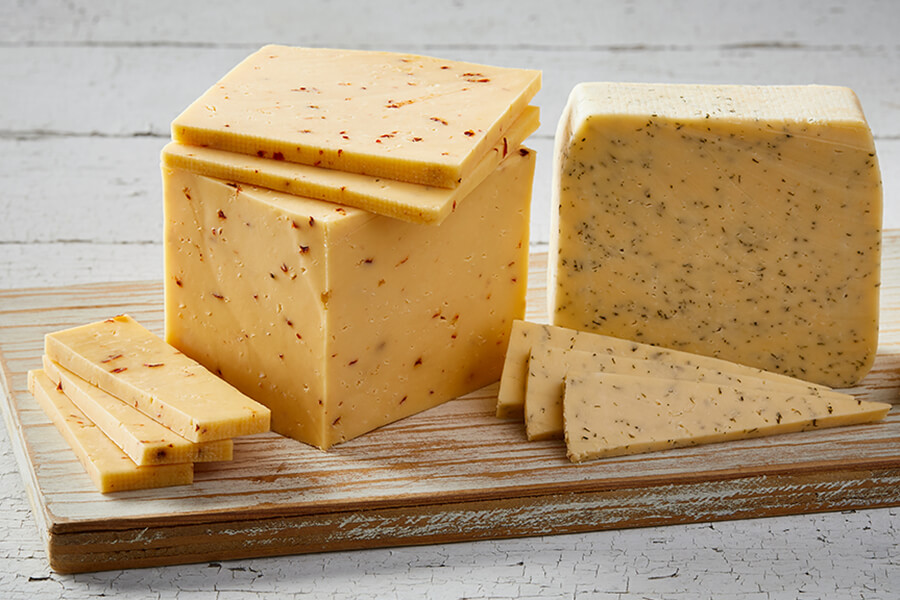
What does Havarti cheese taste like and why?

This article provides a guide to finding a substitute for Havarti cheese. It discusses the characteristics of Havarti cheese, including its origin and flavor. The article also explores reasons why someone might need a substitute, such as dietary restrictions or wanting to try something new. The article provides a list of the top 10 Havarti cheese substitutes and compares their qualities. Tips are given on selecting the best substitute and using it effectively in cooking.

Continue Reading

Is a burger a sandwich? The fascinating debate!

List of Pertinent Information:

– The article discusses the differences between a burger and a sandwich.
– A sandwich is prepared by fixing greens and meat between two flatbread slices.
– A burger is prepared by putting the dressing between a sliced bun.
– A sandwich requires little or no cooking.
– A burger requires frying the meat and heating the bun.
– The shape of a sandwich can vary.
– A burger is usually cylindrical.
– The article promotes a sandwich shop in Fairfield, Connecticut, and mentions catering services are available.
– The National Hot Dog and Sausage Council stated in 2015 that a hot dog is not a sandwich and called it a separate category.
– Nathan’s Famous, a hot dog company, agrees and also states that a hot dog is not a sandwich.
– Hot dog buns are typically not cut in half.
– Some believe that a hot dog qualifies as a sandwich once paired with bread.
– Portillo’s, a famous hot dog spot in Chicago, believes their hot dogs belong in a category of their own.
– There is no official conclusion on whether a hot dog is a sandwich.

Continue Reading

What is a chicken oyster: Unveiling the culinary gem!

List:

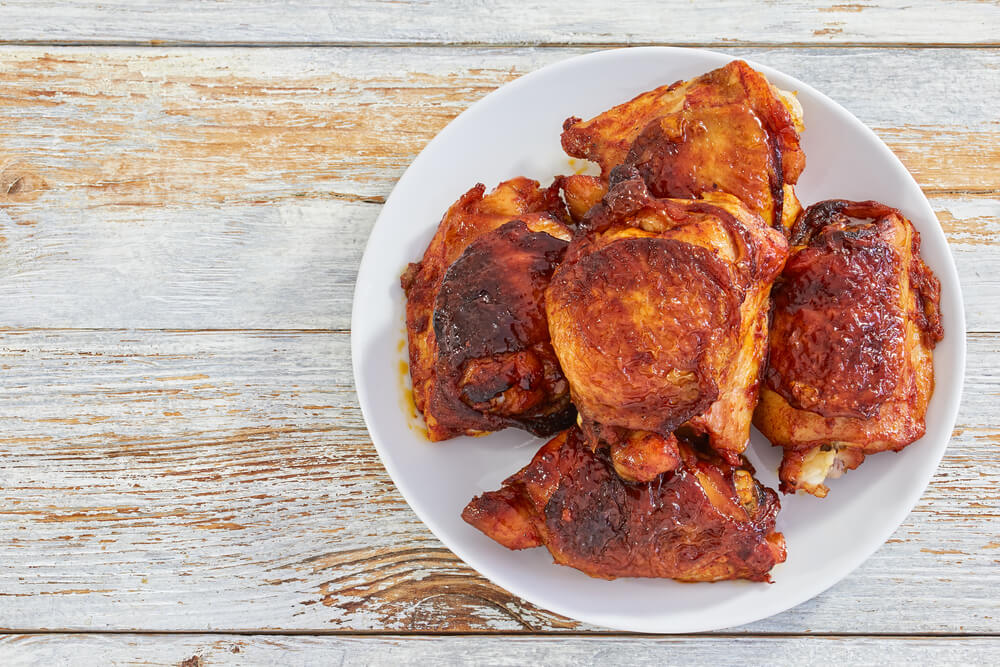
1. Chicken oysters are small, oyster-sized pieces of meat found on the back side of the chicken, near the lower spine and thighs.
2. There are two oysters on every chicken.
3. They are tender, juicy, and concentrated in rich chicken flavor.
4. Chicken oysters do not have any bones or tough bits of connective tissue.
5. They are often considered a “chef’s treat” and are prized by those who know about them.
6. Removing the chicken oysters is easier when the chicken is cooked, but it can be more difficult when breaking down a raw chicken.
7. Turkeys also have oysters that are larger and similarly tender.
8. Chicken oysters are not related to the sea creature and are named after their size, which is similar to a standard oyster.
9. In French, chicken oysters are called sot-l’y-laisse, which translates to “the part only a fool leaves behind.”
10. Chicken oysters are small pieces of dark meat located on the back of the chicken’s thigh near the backbone.
11. They are protected from scorching temperatures and roast in the natural juices of the chicken.
12. Chicken oysters are known for being juicy, boneless, and rich in flavor.
13. They are considered the best and most succulent part of the bird.
14. Chicken oysters are currently available at Central Markets in Texas.

Continue Reading

Is Veal Lamb: The Differences, Benefits, and Nutrition

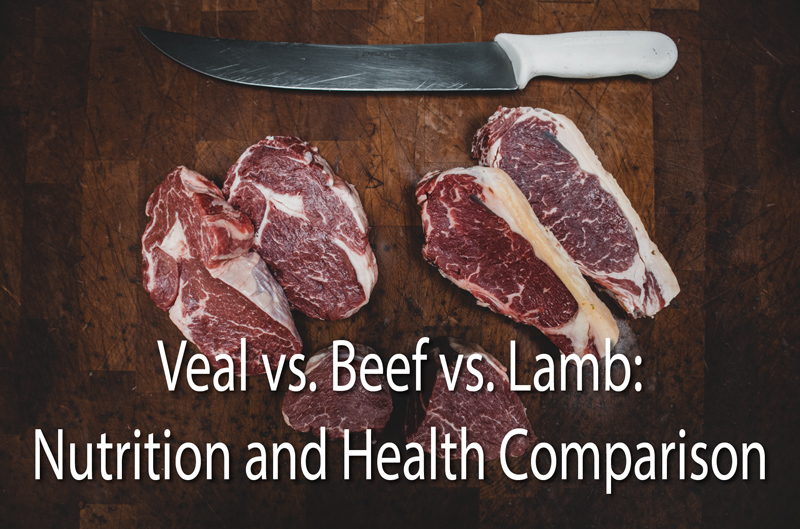
– Veal comes from calves
– Lamb comes from young sheep
– Veal has a neutral flavor similar to beef
– Lamb has a gamey and more intense taste
– Veal is best grilled or broiled
– Lamb is usually cooked to a medium level
– Veal comes from young males bred in dairy cow families
– Veal weighs between 150 to 350 lbs
– Veal is lighter in color and more expensive than beef
– Australia is known for producing quality veal
– Lamb comes from sheep aged between 12 to 14 months
– Lamb has a tender texture
– Lamb is produced in countries such as Australia, New Zealand, India, China, Algeria, and the UK
– Australia and New Zealand are the largest producers of lamb
– Lamb meat is pink or reddish in color
– Lamb has a stronger and gamier flavor compared to veal
– American-raised lambs are usually grain-fed
– Lamb is commonly used in Greek cuisine and is usually well-cooked
– Veal is commonly used in Italian and French cuisine
– A 4 oz serving of lamb has around 330 calories and 20g of fat
– A 4 oz serving of veal has about 260 calories and 13g of fat
– Veal is considered healthier due to its lower fat content and less saturated fat
– Veal has more protein compared to lamb
– Lamb is higher in Vitamin K, iron, and vitamin B12
– Veal has more cholesterol and three times the amount of vitamin B6 compared to lamb
– When buying lamb, choose meat with a light red or dark pink color
– When buying veal, choose meat that is pink with bright white fat

Continue Reading

Chives vs Scallions: Unveiling the Culinary and Nutritional Differences

– Scallions are part of the allium family
– Scallions are harvested early
– Scallions have a small white base
– Scallions have long green stalks
– Both the white and green parts of scallions can be used in cooking
– Scallions can be consumed raw or lightly cooked
– Scallions are not the same as spring onions
– Spring onions have a larger white base
– Spring onions have a more bulbous white base.

Continue Reading