Are Quest Bars Healthy? The Facts and Myths Explored

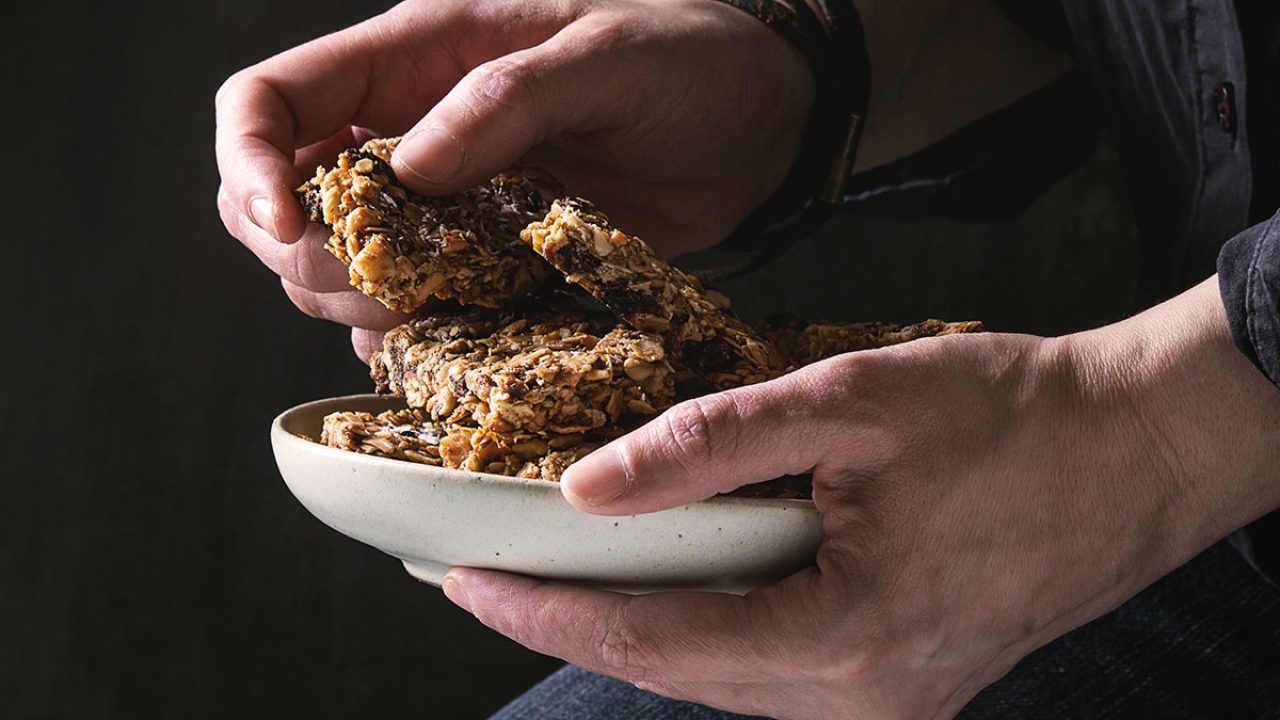
– Quest Bars are protein bars that have gained popularity as a healthy on-the-go snack.
– They have a high amount of protein and fiber, with only 1 gram of sugar.
– The protein blend in Quest Bars is derived from whey protein isolate and milk protein isolate, which are not natural sources of protein and can cause digestion issues.
– The ingredient isomalto-oligosaccharides (IMO) is added to Quest Bars after a lengthy processing method and is harder for the body to digest.
– Sucralose, an artificial sweetener, is also used in Quest Bars.
– Studies have found that sucralose increases the chances of cancer and digestive diseases.
– While Quest Bars can be tasty and convenient, there are healthier options available for a nutritious on-the-go snack.

Continue Reading

Is Bologna Bad for You? What You Need to Know!

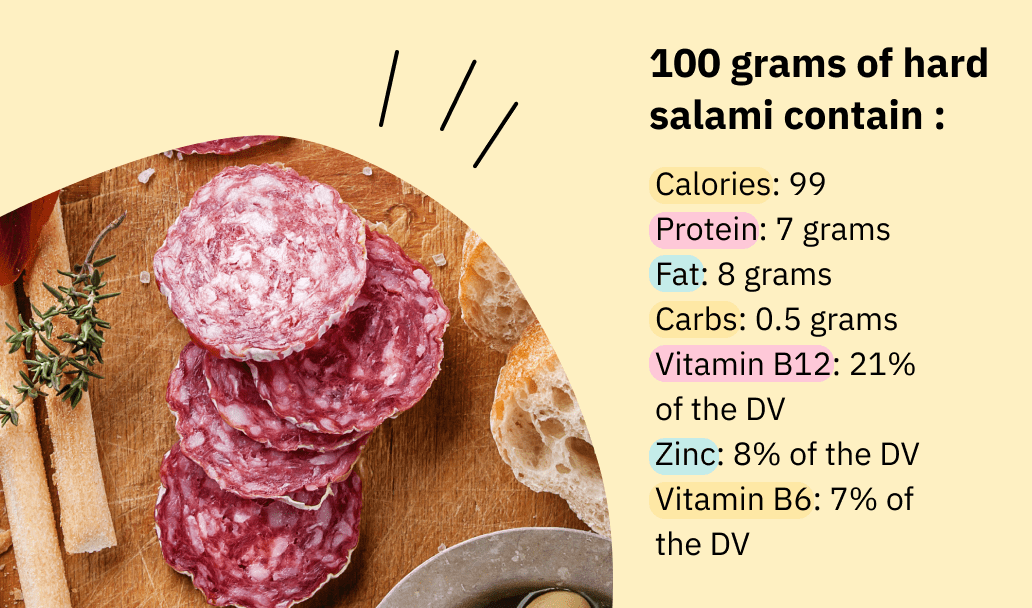
– Bologna is generally made from low-quality meat sources, often containing leftover trimmings and byproducts from other cuts of meat.
– Bologna should be eaten in moderation as part of a balanced diet that includes fruits and vegetables.
– It is recommended to opt for bologna made from higher-end cuts and grass-fed beef as a healthier choice.
– Bologna is associated with an increased risk of chronic diseases like diabetes, heart disease, stroke, and cancer.
– Eating 50 grams or more of processed meats, like bologna, daily increases the risk of colorectal cancer by 18%.
– Bologna has about three times the calories per weight than turkey and is high in fats, particularly saturated fats, which can raise LDL cholesterol and increase the risk of heart disease and stroke.
– Many bolognas contain nitrates, which can lead to health risks such as blue baby syndrome, increased cancer risk, and complications during pregnancy.
– Bologna is high in protein and can be filling, but there are leaner and healthier protein options available.
– The quality of the bologna is important, and purchasing from higher-quality sources can increase its nutritional value.
– Bologna is generally highly-processed meat and should be eaten in moderation.
– The World Health Organization classifies processed meat as a Group 1 carcinogenic, alongside cigarettes and alcohol.
– Bologna is closer to the “bad” camp in terms of food quality, especially cheap bologna from supermarkets.
– Even higher-end bologna like mortadella should be eaten in moderation.
– Classic American bologna is usually a combination of leftover beef and pork trimmings.
– Bologna is made from leftover meat parts and is a staple of industrial meat, often coming from low-quality sources.
– Processed meats like bologna may increase the risk of cancer.
– Bologna tends to be high in sodium content.
– Bologna is not considered healthy, but it can be consumed in moderation as part of a balanced diet.
– It is recommended to buy bologna made by companies that prioritize natural diets and healthy environments for their animals.
– US Wellness Meats’ Beef Bologna is a grass-fed beef option that is free of nitrates, nitrites, MSG, additives, preservatives, soy, dairy, and gluten.

Continue Reading

How Long to Soak Chia Seeds for Maximum Nutritional Benefits: ExpertBacked Tips!

– Chia seeds have benefits such as increased omega-3 and fiber intake, antioxidant support, blood sugar stabilization, and weight loss.
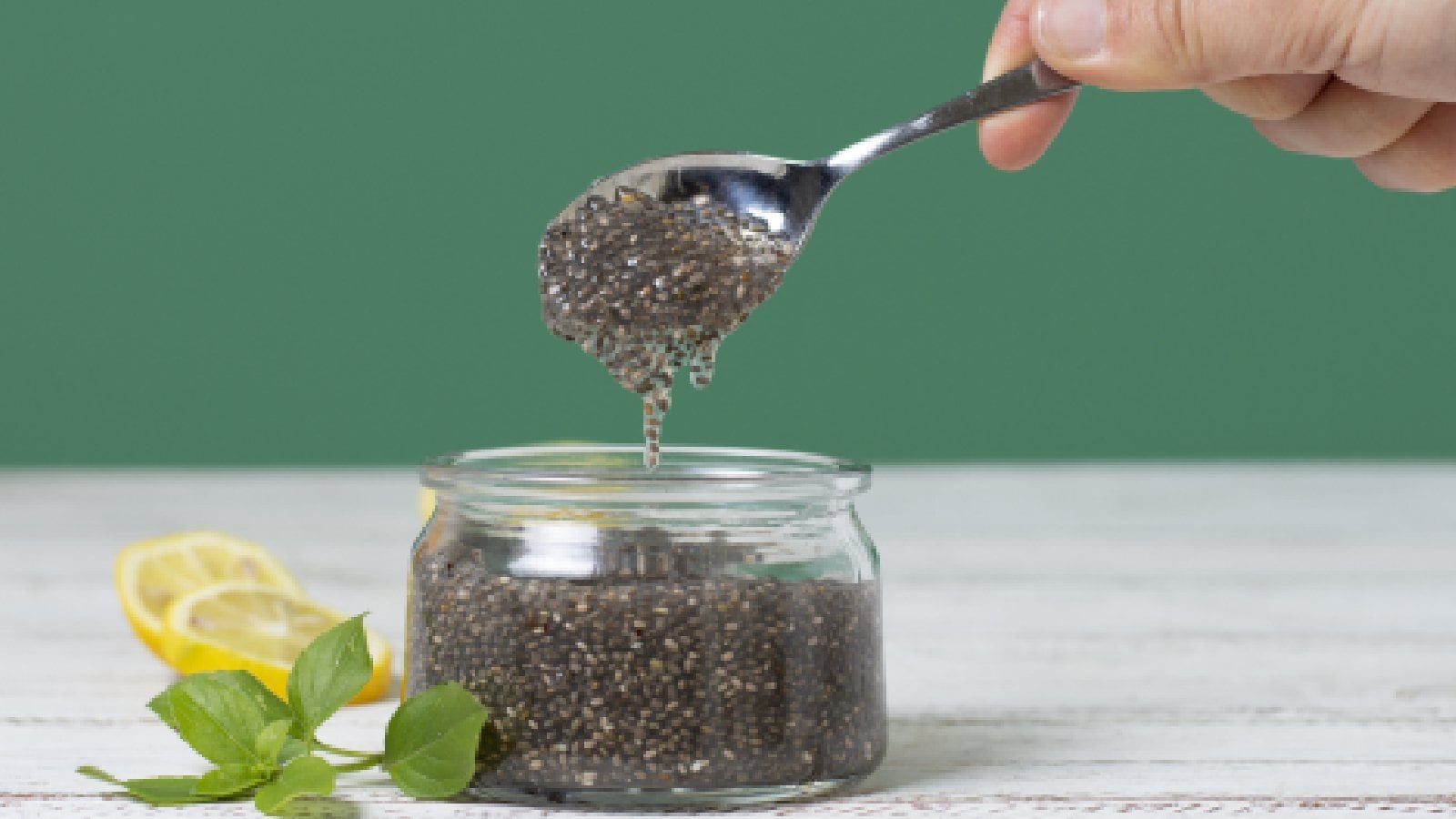
– The best way to consume chia seeds is by soaking them in water or other liquids to bring out their gel-like consistency.
– Protein powder or meal replacement shakes can be used alongside soaked chia seeds for weight loss.
– Chia seeds are excellent sources of dietary fiber, protein, calcium, magnesium, and omega-3 fatty acids.
– Chia seeds contain chlorogenic acid, which may help regulate blood pressure.
– Chia seeds contain caffeic acid, an antioxidant with anti-inflammatory properties.
– Chia seeds are packed with fiber and alpha-linolenic acid (ALA), an omega-3 fatty acid, which may benefit heart health.
– The ALA in chia seeds also promotes bone health and may help prevent conditions like osteoporosis.
– Some research suggests that chia seeds can help manage blood sugar levels.
– Soaking chia seeds in water brings out their gel-like consistency and makes them tasty and enjoyable in various recipes.
– Soaking chia seeds effectively ensures maximum absorption and a gel-like texture.
– Chia seeds can be used as an egg substitute in baking and in chia pudding recipes.
– For a chia egg replacement in baking, let 1 tablespoon of chia seeds sit in 3 tablespoons of water for 5 minutes until it forms a gel-like consistency.
– To add chia seeds to meals, sprinkle 1-2 tablespoons over dishes like salads, rice bowls, stir-fries, yogurt, or breakfast cereal.
– For chia pudding, combine ½ cup of chia seeds with 2 cups of soy milk (or preferred milk). Add sweetener, flavorings, and any desired toppings. Let it sit in the fridge for at least 2 hours or overnight.
– To make chia water, mix 1-2 tablespoons of chia seeds with 1 cup of water. Let it sit for 15-20 minutes or overnight in the fridge.

Continue Reading

Are Raw Potatoes Bad for You? Debunking Myths

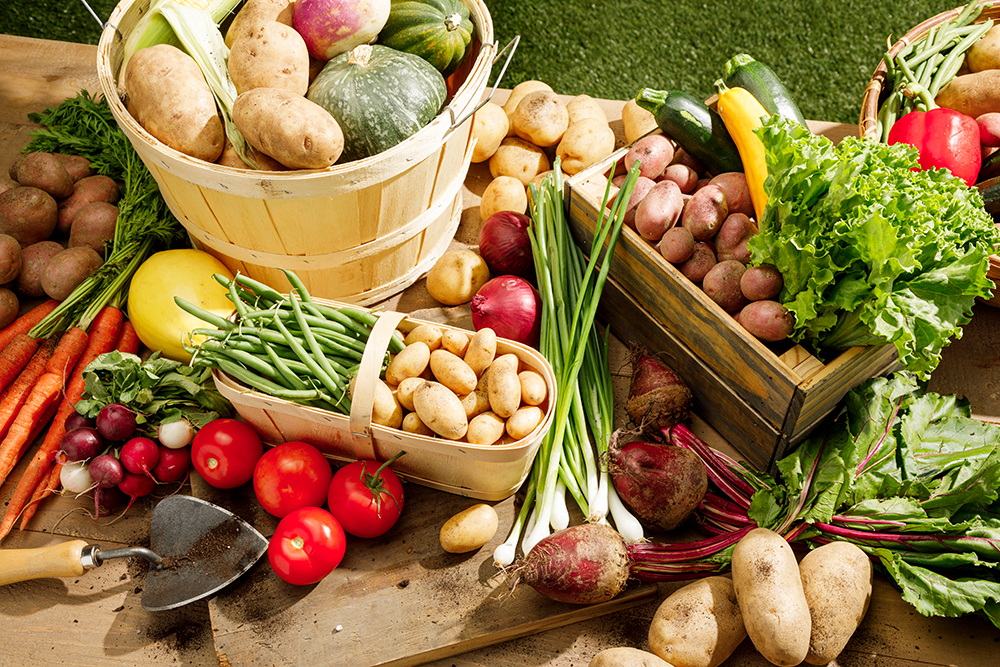
– Raw potatoes have a bitter taste and starchy texture compared to cooked potatoes.
– Raw potatoes are high in resistant starch, which provides energy for beneficial gut bacteria and has potential health benefits such as lowering blood sugar levels, improving insulin sensitivity, promoting weight loss, and improving digestive health.
– Resistant starch is converted into butyrate, which can suppress inflammation in the colon and block the growth of colon cancer cells.
– Treatment with butyrate may also help decrease symptoms of irritable bowel syndrome.
– Raw potatoes contain fewer calories, carbs, protein, and potassium compared to baked potatoes.
– Raw potatoes are significantly higher in vitamin C, with twice as much vitamin C per gram compared to baked potatoes.
– Potatoes contain antinutrients like protein trypsin inhibitor and lectins, which can interfere with nutrient absorption. Cooking potatoes helps reduce antinutrient content for better absorption of nutrients.
– Potatoes can contain toxic compounds called glycoalkaloids, particularly green potatoes. High consumption of glycoalkaloids can cause symptoms like drowsiness, itchiness, and digestive issues. Boiling, baking, and microwaving potatoes can reduce glycoalkaloid levels.
– Raw potatoes, due to high levels of resistant starch, can contribute to digestive problems such as gas and bloating. They may also harbor contaminants.
– Eating raw potatoes in high amounts may cause digestive issues like stomach discomfort, gas, and bloating. This is because raw potatoes may contain bacteria from the soil that is usually destroyed by cooking.
– Eating raw potatoes may not be advisable as they contain solanine and lectins, which can cause gastric distress and potentially make a person sick. Solanine is a poisonous compound that can cause symptoms such as nausea, stomach cramps, vomiting, dizziness, and headaches. Lectins are proteins that can cause nausea, upset stomach, vomiting, and diarrhea when consumed in large amounts.
– Feeding raw potatoes to dogs is also dangerous due to the presence of solanine. Baked or broiled potatoes are safer options for dogs.

Continue Reading

Can You Eat Potato Skin? Discover Surprising Facts!

– Eating potato skin is recommended as it contains more nutrients than the interior of the potato.
– Potato skin is high in fiber, with about half of the fiber in a medium potato coming from the skin.
– Consuming potato skin can provide added nutritional benefits.
– A suggested recipe is a baked Idaho Potato with salsa, a low-calorie, healthy lunch option.
– For more information on potato nutrition, there is a link provided.

Continue Reading

Can You Drink Egg Whites? Uncovering the Health Benefits and Risks!

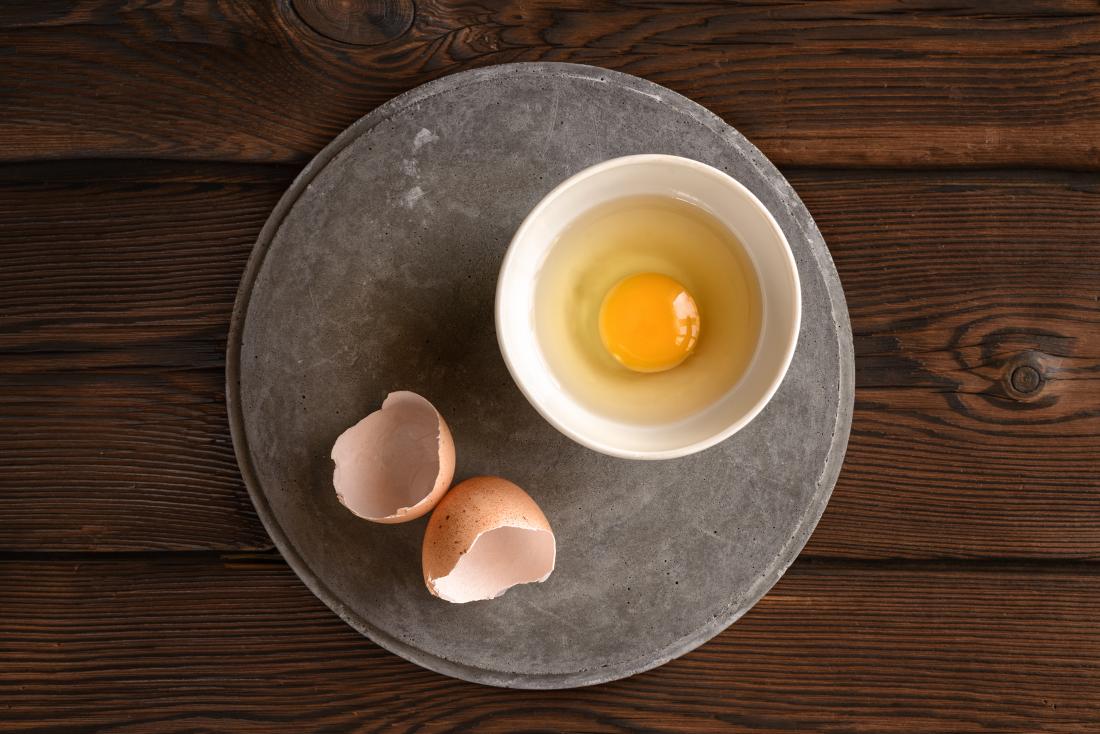
– Some people, especially athletes and bodybuilders, drink raw egg whites for muscle-building protein.
– Liquid egg whites are beaten and pasteurized before being packaged and are safe to consume.
– It is important to purchase pasteurized eggs if planning to eat them raw.
– Raw egg whites can be contaminated with Salmonella bacteria.
– Salmonella can cause illness, with symptoms appearing within 6 hours to 6 days after consumption.
– Children, older adults, and immunocompromised individuals are at higher risk for severe illness from Salmonella.
– Symptoms of Salmonella may include vomiting, fever, diarrhea, and abdominal cramps.
– Raw egg whites are not considered safe to eat, but the risk can be reduced by choosing pasteurized eggs.
– The article discusses the question of whether it is safe to drink egg whites.
– To reduce the risk of exposure, it is recommended to eat fully cooked eggs or choose pasteurized egg whites.
– Pasteurization involves exposing eggs to rapid heat treatments at high temperatures within a specific timeframe.
– It is important to store eggs in the refrigerator at 40°F (4°C) or lower to further reduce the risk.
– If one prefers to drink egg whites as part of their diet, it is crucial to purchase pasteurized liquid egg whites.
– One 1/2 cup (120 mL) serving of pasteurized liquid egg whites contains 54 calories, 11 grams of protein, 0 grams of fat, 0 grams of cholesterol, 152 mg of potassium, and 163 mg of sodium.
– Raw eggs are not considered safe to eat because of the risk of Salmonella.
– Pasteurized eggs are a safer option.
– The article discusses the safety of drinking egg whites and suggests that to reduce potential health risks, it is best to consume fully cooked eggs or pasteurized egg whites.
– Pasteurization is a heat treatment process that helps eliminate harmful bacteria in eggs.
– It is recommended to store eggs in the refrigerator at 40°F or lower.
– If drinking egg whites, it is advised to choose pasteurized ones.

Continue Reading

Edamame vs Soybeans: Nutritional Differences, Health Benefits, Cooking

– Edamame beans are soybeans that are harvested when they are still young and tender.
– Edamame beans are typically eaten as a fresh steamed vegetable.
– Soybeans are left to mature and harden.
– Edamame beans are served fresh, often steamed.
– Soybeans are used to make various soy products such as tofu, soy milk, and soy sauce.
– Both edamame and soybeans are a good source of protein.
– Edamame provides 18.2 grams of protein per 100 grams.
– Mature raw soybeans contain 36.5 grams of protein.
– Edamame beans are low in calories.
– Edamame beans have 172 calories per 1/2 cup serving.
– Roasted soy nuts and whole raw soybeans contain 449 calories.
– Edamame beans have a low count of carbohydrates.
– Edamame beans have 8.4 grams of carbs per 100 grams.
– Dry roasted soy nuts and whole raw soybeans contain about 30 grams of carbs.
– Both edamame and soybeans are low in saturated fat and do not contain cholesterol.
– Raw mature soybeans contain 19.9 grams of total fat.
– Edamame beans contain 9 grams of total fat.
– Edamame beans contain 1,981 milligrams of monounsaturated fat and 5,064 milligrams of polyunsaturated fat per 100 grams.
– Raw soybeans contain 4,404 milligrams of monounsaturated fat and 11,255 milligrams of polyunsaturated fat per 100 grams.
– Raw soybeans have higher amounts of essential minerals compared to edamame beans.
– Soybeans have higher percentages of calcium, iron, potassium, magnesium, zinc, copper, manganese, phosphorus, and selenium compared to edamame beans.
– Edamame beans contain less thiamin, riboflavin, vitamin B5, vitamin B6, and folate compared to soybeans.
– Edamame and soybeans are high in fiber.
– A 1/2 cup of raw soybeans contains 37% of the daily value of fiber.
– Edamame beans contribute 24% of the daily value of fiber in the same-sized serving.
– The fiber content in soybean products and edamame may help lower cholesterol.
– Soybeans and edamame contain compounds such as antioxidants, isoflavones, lecithins, and saponins that have protective effects on the heart.
– Increased consumption of soybeans and edamame is recommended for a cardioprotective diet.
– Soybeans and edamame are rich in minerals important for bone health.
– Soy isoflavones have shown potential positive effects on bone health by reducing bone resorption and stimulating bone formation.

Continue Reading

Are Lunchables Healthy? Everything You Need to Know

List of Pertinent Information on the Healthiness of Lunchables:

1. Lunchables are considered bad for one’s health.
2. The article rates Lunchables with a grade of F, indicating they are harmful.
3. Lunchables are highly processed and nutrient poor.
4. Lunchables come in various varieties such as crackers, hot dogs, pizzas, nachos, burgers, and subs.
5. They often include high-fructose drinks and desserts with GMO corn syrups.
6. The creator of Lunchables does not feed them to his children.
7. Lunchables have very low nutritional value and contain unhealthy substances.
8. Harmful ingredients in Lunchables include HFCS, artificial colors/flavors, modified cornstarch, nitrates, cellulose powder, and mechanically separated meat.
9. Short-term side effects of consuming Lunchables can include headaches, nausea, irritability, tiredness, heartburn, diarrhea, and muscle spasms.
10. Possible long-term side effects may include increased blood pressure, cholesterol, neurological issues, cardiac arrest, cell damage, inflammation, reproductive system complications, cancer, stroke, and diabetes.
11. Lunchables are convenient, ready-to-eat, and cost-effective despite their negative effects.
12. Lunchables contain saturated and trans fats, which can increase the risk of heart attacks and stroke.
13. Palm oil, used in Lunchables, has a similar saturated fat level as coconut oil and can have detrimental effects on the environment and wildlife.
14. The article advises avoiding palm oil unless the sourcing is known to be ethical.

Continue Reading

Are refried beans healthy for weight loss?

Refried beans health benefits:

1. Contains vitamins, minerals, and fiber that benefit heart and digestive health
2. Can be made with plant-based oils like olive oil, which are lower in saturated fat
3. Provides 234 calories, 13 grams of protein, 5 grams of fat, 35 grams of carbohydrates, 10 grams of fiber, 20% of iron DV, 22% of magnesium DV, 64% of sodium DV, and 14% of zinc DV per cup
4. Eating more fiber from beans is associated with a lower risk of heart disease and stroke
5. Beans are a good source of magnesium and potassium, which may help lower blood pressure
6. Beans have a low glycemic index, which may help prevent and manage type 2 diabetes
7. The fiber in beans promotes digestion and bowel regularity
8. Beans are high in polyphenols, antioxidants that may protect against age-related disease and death
9. Refried beans may reduce the risk of constipation, heart disease, and type 2 diabetes
10. Homemade refried beans with healthy ingredients like olive oil can be a low-fat option
11. Serving refried beans instead of meat can lower saturated fat and cholesterol intake

Drawbacks of refried beans:

1. Refried beans cooked with lard can hinder weight loss, increase cholesterol levels, and raise blood pressure
2. Lard adds calories and fat, with 1 cup of refried beans containing 234 calories and 5 grams of fat
3. Refried beans made with lard also contain saturated fat, which should be limited to reduce the risk of heart disease
4. Refried beans can be high in sodium, exceeding the recommended daily limit
5. Commercially prepared refried beans vary in the amount of fat, cholesterol, and sodium they contain
6. Making your own refried beans with healthy ingredients such as olive oil can be a low-fat option

Tips for incorporating refried beans into a healthy diet:

1. Cook homemade refried beans with olive oil and herbs
2. Choose low-fat or fat-free canned versions of refried beans
3. Pair refried beans with nutrient-dense foods like vegetables and whole grains
4. Pay attention to portion sizes, with a recommendation of 1 cup as a main protein source and 2-3 tablespoons as a side dish
5. Read nutrition labels carefully to determine the fat, cholesterol, and sodium content of commercially prepared refried beans

Continue Reading