Does Kahlua need to be refrigerated? Discover expert advice!

– Kahlua, a coffee liqueur, should be consumed within 6-8 months after opening for best taste
– Kahlua has a shelf life of four years after opening
– Kahlua will expire if it has a sour smell, discoloration, sugar crystals, curdling, or mold growth
– Kahlua should have a strong coffee flavor with caramel and vanilla notes
– Once opened, Kahlua can be stored for up to 18 months before it starts to lose flavor
– Kahlua does not need to be refrigerated, but storing it in a cool, dry place is recommended
– Refrigerating Kahlua will not increase its shelf life
– Freezing Kahlua will alter its texture, flavor, and quality
– To extend the shelf life of Kahlua, keep it away from direct sunlight, store it in a cool, dark, and dry place, and tightly seal the bottle after opening

Continue Reading

Can You Leave Eggs Out Overnight? Safety, Storage Tips & More

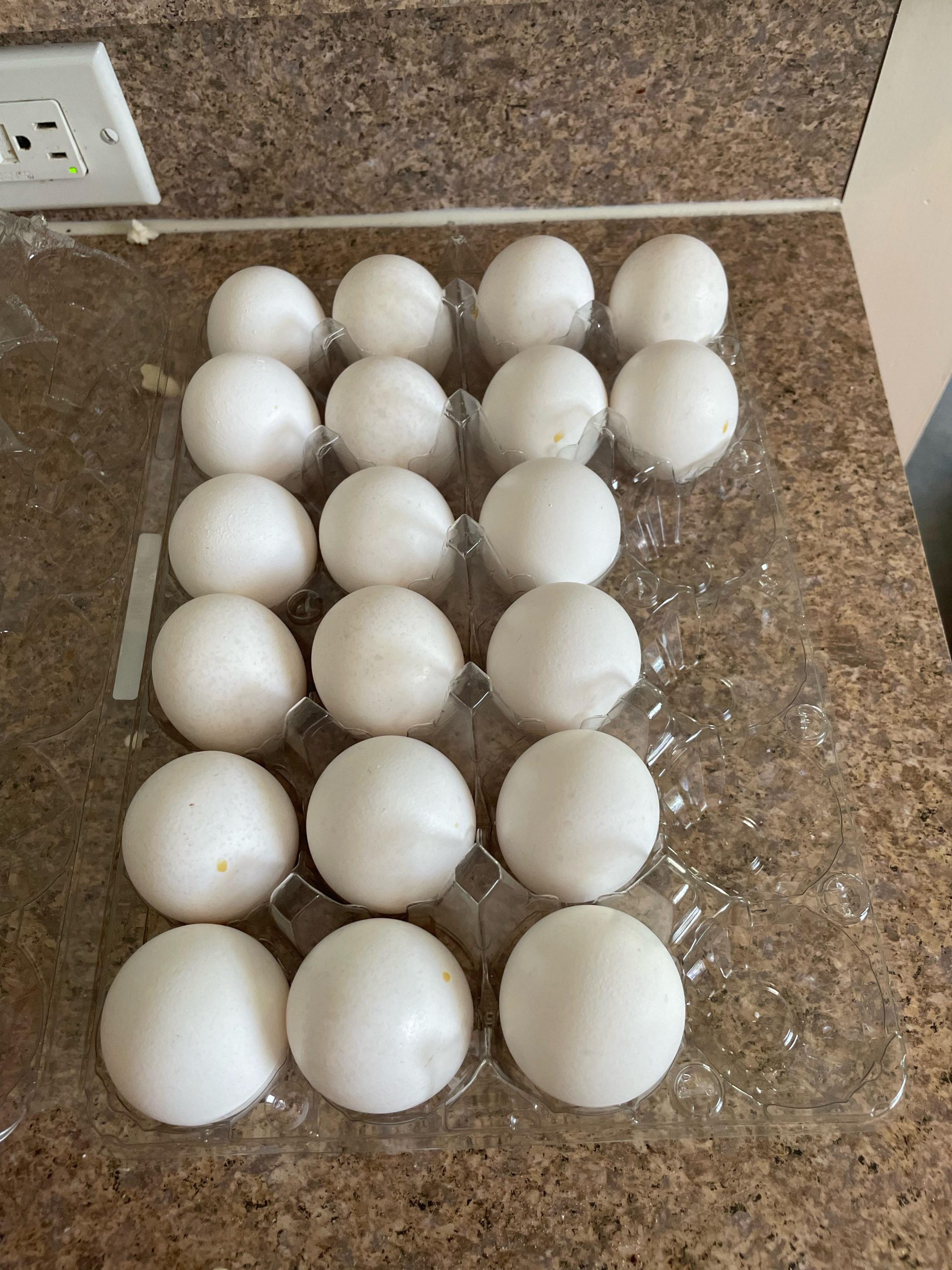
– Keeping eggs in the fridge is an American quirk.
– Eggs sold in many countries are unrefrigerated and kept on the counter.
– Farm-fresh eggs can be kept on the counter for about a week if they have never been refrigerated.
– Once refrigerated, eggs must be kept refrigerated.
– Refrigerated eggs can last four to five weeks after packaging date if stored properly.
– Eggs can be left on the counter for two hours at room temperature or one hour if temperature is 90 degrees F or hotter.
– After two hours, it is safer to throw out the eggs due to potential bacterial growth, particularly Salmonella.
– Symptoms of Salmonella include diarrhea, fever, abdominal cramps, and vomiting.
– Salmonella contamination from eggs causes about 79,000 illnesses and 30 deaths per year according to FDA estimates.
– Proper guidelines include keeping eggs refrigerated below 40 degrees F, discarding cracked eggs, and washing hands and utensils that come in contact with raw eggs.

Continue Reading

How Long is Cooked Sausage Good for in the Fridge? Expert Tips to Keeping it Fresh!

– Cooked sausage can last in the fridge for a couple of days.
– It is recommended to consume cooked sausage within 3-4 days for maximum freshness and safety.
– Pre-cooked sausages like hot dogs can last up to 7 days in the fridge if stored properly at 40 degrees F or below.
– Pre-cooked sausages can last up to 2 months in the freezer if stored properly.
– Hard and dry-cured sausages like pepperoni can last up to 3 weeks in the refrigerator after opening.
– If perishable food has been left out for more than 2 hours, it should be thrown out to avoid harmful bacteria.
– Raw sausages or cooked sausages can be refrozen as long as they were thawed in the refrigerator and never reached above 40 degrees Fahrenheit or were entirely cooked before freezing.
– The best way to store pre-cooked sausage is in shallow airtight containers or heavy-duty freezer bags, following FDA and USDA guidelines for temperature (fridge at 40˚F or freezer).
– Freezing pre-cooked sausage is a safe way to extend the storage period.
– Pre-cooked sausages can be safely thawed in the microwave or oven.
– Pre-cooked sausages can be heated in various ways such as steaming, pan-frying, grilling, or air frying.
– It is safe to eat cold pre-cooked sausage, but it may be more appetizing when warm or hot.
– Overcooking smoked sausages can cause them to dry out and lose flavor.
– Symptoms of food poisoning from spoiled sausage include vomiting, diarrhea, upset stomach, and sometimes fevers.
– Tips include using different types of sausages to add protein to meals, using an air fryer for quick and easy sausage dishes, steaming for a seared and crunchy casing, cooking frozen pre-cooked sausage straight away, and preventing casings from splitting by poking holes or cutting slivers before cooking.

Continue Reading

How Long Does Chinese Food Last in the Fridge? Proven Tips for Safe Storage & Consumption

– Chinese food leftovers should last between three to four days in the fridge
– Shrimp has a short shelf life and may not last as long
– Vegetable-based dishes generally last longer than meat dishes
– Leftovers should be consumed based on the shortest shelf-life ingredient
– Chinese food left out at room temperature is not safe to eat and should be refrigerated immediately
– Placing leftovers in a clean, airtight container can maximize their shelf life
– According to PreparedCooks, Chinese leftovers should last between three to four days in the fridge

Continue Reading

Do Macarons Need to be Refrigerated: Tips and Recommendations

– Macarons made with butter need to be refrigerated.
– There are two types of macaron filling: buttercream and ganache.
– Buttercream macarons need to be refrigerated, while ganache macarons do not.
– Buttercream macarons last over 14 days when refrigerated.
– Frozen macarons can be stored for 6 months, but they may “sweat” water and lose their texture.
– Freezing macarons causes the water in them to turn from liquid to solid, and when thawed, moisture in the air causes the shells to absorb water.
– The best way to eat macarons is at room temperature to maintain the balance of texture.
– Macarons can be stored in a number of ways, including in an airtight plastic container.
– Storing macarons in the fridge keeps them fresher.
– It is recommended to take macarons out of the fridge at least 20 minutes before serving.
– Freezing macarons after they have been cooked and filled is not recommended as it may change the texture.
– Macarons should not be left uncovered to prevent them from drying out.
– Storing macarons in the fridge or refrigerated displays is recommended for bakers or store owners who want to sell them.

Continue Reading

How Long is Deli Cheese Good for? Essential Shelf Life Tips

– Sliced deli cheese can last 2 to 3 weeks if stored properly and immediately after purchase.
– Once opened, use cheese slices within 5 days to 1 week for best quality.
– Factors that can affect shelf life include storage temperature, packaging type, and firmness.
– Harder types of cheese last longer than softer ones.
– Sliced deli cheese should not be at room temperature for more than four hours to prevent bacterial growth.
– Refrigerated sliced deli cheese should be stored between 35 and 45 degrees Fahrenheit.
– Freezing sliced deli cheese can extend its storage life to around 6-8 months or longer.
– Freezing may affect the flavor and overall quality of the cheese.
– Discoloration, mold growth, and a strong, off-putting smell are signs that the deli cheese has gone bad.
– Proper storage methods, such as keeping the cheese in the refrigerator or freezer, can help prevent molding.
– Block cheese generally has a longer shelf life compared to sliced deli cheese.

Continue Reading

Does Hummus Need to be Refrigerated? An Informed Guide

– Hummus needs to be refrigerated due to food safety concerns
– Ingredients in hummus, such as chickpeas, tahini, and olive oil, can spoil quickly at room temperature
– Hummus can last for a week or two at room temperature if made with fresh ingredients, but the longer it sits out, the more likely it is to develop mold or bacteria
– Commercial brands of hummus may have preservatives that extend their shelf life, so refrigeration may not be necessary for these types – Homemade hummus or brands without preservatives should be refrigerated.
– Hummus can sit out at room temperature for up to two hours before it should be refrigerated.
– Leaving hummus unrefrigerated will cause it to spoil within a few days.
– To determine if hummus has gone bad, check for brown or black color, sour or off smell, and lumpy or watery texture.
– Hummus can be stored for up to a week.
– Store hummus in an airtight container in the fridge and give it a stir before each use to maintain freshness.
– Hummus is vegan, made from chickpeas, tahini, olive oil, and lemon juice.
– Hummus does not contain dairy.
– Hummus is keto-friendly, made from low-carb and high-fiber chickpeas.
– Hummus is low FODMAP in small amounts, with one cup of chickpeas containing 1.6 grams of FODMAPs and one cup of tahini containing 6.3 grams.

Continue Reading

How Long Can Almond Milk Sit Out Safely?

– Almond milk is different from cow’s milk and doesn’t go bad in the same way.
– Homemade or refrigerated almond milk should not sit out for more than two hours.
– Unopened shelf-stable almond milk can sit out until the expiration date (generally 6-12 months).
– Homemade almond milk can be kept fresh for about 7 days in the refrigerator.
– Store-bought refrigerated almond milk is made the same way as homemade but with added ingredients to prolong shelf life.
– Almond milk manufacturers use pasteurization to kill bacteria, allowing the milk to stay fresh for weeks.
– After opening refrigerated almond milk, it should last about seven days.
– Almond milk should not sit out at room temperature for more than two hours.
– Unopened shelf-stable almond milk can sit out longer than opened almond milk.
– Shelf-stable almond milk can last several months or up to a year without refrigeration.
– Opened almond milk (regardless of type) can last about 7 days after opening.
– If refrigerated or opened shelf-stable almond milk is left out for more than two hours, it is recommended to throw it away to avoid potential food poisoning symptoms.
– Leaving almond milk out, even for a short time, can lead to the growth of mold and bacteria, increasing the risk of food poisoning.

Continue Reading

The Real Dangers and Consequences of Eggs Left Out Overnight:

Important information related to the keyword ‘eggs left out overnight’:

– Leaving eggs out overnight can cause bacteria to grow rapidly, increasing the risk of food poisoning.
– Unrefrigerated eggs can last for up to 2 hours at room temperature.
– Refrigerating eggs helps to slow down the growth of bacteria and prevent spoilage.
– Leaving eggs in water overnight can cause them to spoil and develop a bad odor.
– Eggs must be refrigerated as soon as possible to ensure their freshness and prevent the growth of harmful bacteria.
– Eggs left in a car for an extended period of time should be thrown out due to the risk of food poisoning.
– Raw eggs that have been refrigerated should remain in the refrigerator until ready to cook.
– Eggs should not be kept out of the refrigerator for longer than two hours.
– Leaving eggs out at room temperature increases the risk of bacteria growth.
– To determine if raw eggs are still good, the float test can be used – if the egg sinks in water, it is good to use, but if it floats, it is not safe.
– Any questionable eggs should be discarded to avoid the risk of salmonella.
– Europeans do not refrigerate eggs and use unwashed eggs to prevent salmonella.
– Left eggs in a car overnight can fluctuate in temperature and are not safe to cook or eat.
– Eggs left in a car for over 2 hours should be thrown out.
– Cooked eggs left out at room temperature for more than an hour can deteriorate in quality and become unsafe to eat.
– Leaving eggs in a hot car (85°F or higher) for 30 minutes causes bacteria growth.
– Eggs left in a cold car (below 40°F) are safe to eat, but fluctuations to higher temperatures for more than two hours can cause contamination.
– Eggs can spoil due to infection with germs or going rotten.
– Proper storage and refrigeration can prevent eggs from spoiling.
– The washing process of eggs reduces their natural protection quality and makes them vulnerable to contamination.
– Eggs should be kept cool to prevent bacterial infection, but the quality of older eggs decreases.
– Eggs can carry Salmonella if they come into contact with contaminated droppings.
– Proper cooking kills harmful bacteria, so raw eggs should be avoided.
– Pasteurized eggs can help decrease the risk of Salmonella contamination.
– There is a debate on the best way to store fresh eggs; in the US, eggs are refrigerated to prevent bacterial contamination.
– In Europe, many chickens are vaccinated against Salmonella, making it unlikely for eggs to be affected. They are not cleaned and should not be refrigerated.
– The need for refrigerating eggs depends on the country of residence.
– Commercially produced eggs in North America, Japan, Australia, Sweden, and the Netherlands must be refrigerated.
– If chickens are not vaccinated, their eggs can be at risk of Salmonella and should be cleaned before use.
– It is not recommended to wash eggs as it can destroy the protective properties of the shells.
– Eggs should be kept in their containers in the fridge towards the rear to ensure safety and avoid temperature fluctuations.
– Eggs can remain fresh for up to 4-5 weeks if kept cold.
– If eggs are not washed, they can be stored on the counter or in a cabinet, but must be consumed within three weeks.
– Cooked eggs should be consumed or chilled as soon as possible and can remain in good condition for three to four days when stored in a sealed container.

Note: I have removed any duplicate information from the original text.

Continue Reading