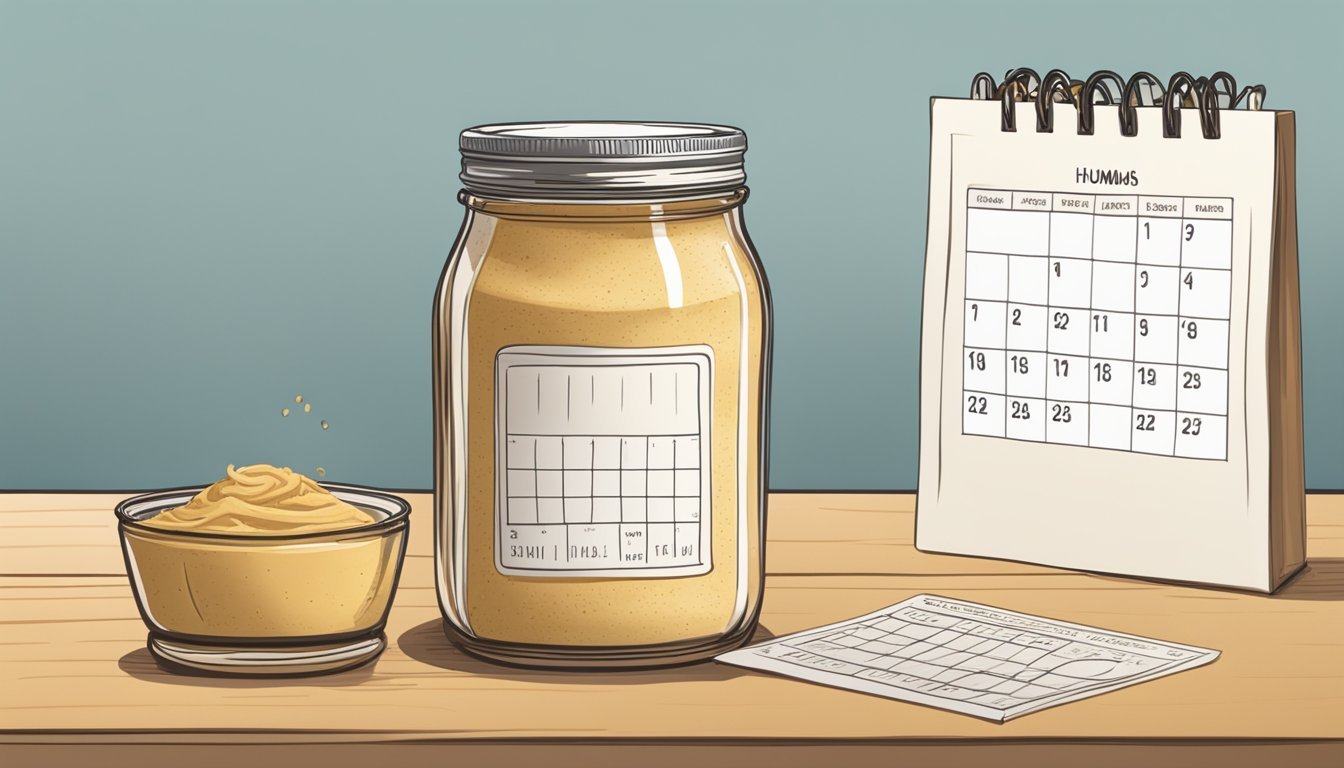
Does Hummus Need to be Refrigerated? An Informed Guide

– Hummus needs to be refrigerated due to food safety concerns
– Ingredients in hummus, such as chickpeas, tahini, and olive oil, can spoil quickly at room temperature
– Hummus can last for a week or two at room temperature if made with fresh ingredients, but the longer it sits out, the more likely it is to develop mold or bacteria
– Commercial brands of hummus may have preservatives that extend their shelf life, so refrigeration may not be necessary for these types – Homemade hummus or brands without preservatives should be refrigerated.
– Hummus can sit out at room temperature for up to two hours before it should be refrigerated.
– Leaving hummus unrefrigerated will cause it to spoil within a few days.
– To determine if hummus has gone bad, check for brown or black color, sour or off smell, and lumpy or watery texture.
– Hummus can be stored for up to a week.
– Store hummus in an airtight container in the fridge and give it a stir before each use to maintain freshness.
– Hummus is vegan, made from chickpeas, tahini, olive oil, and lemon juice.
– Hummus does not contain dairy.
– Hummus is keto-friendly, made from low-carb and high-fiber chickpeas.
– Hummus is low FODMAP in small amounts, with one cup of chickpeas containing 1.6 grams of FODMAPs and one cup of tahini containing 6.3 grams.

Continue Reading

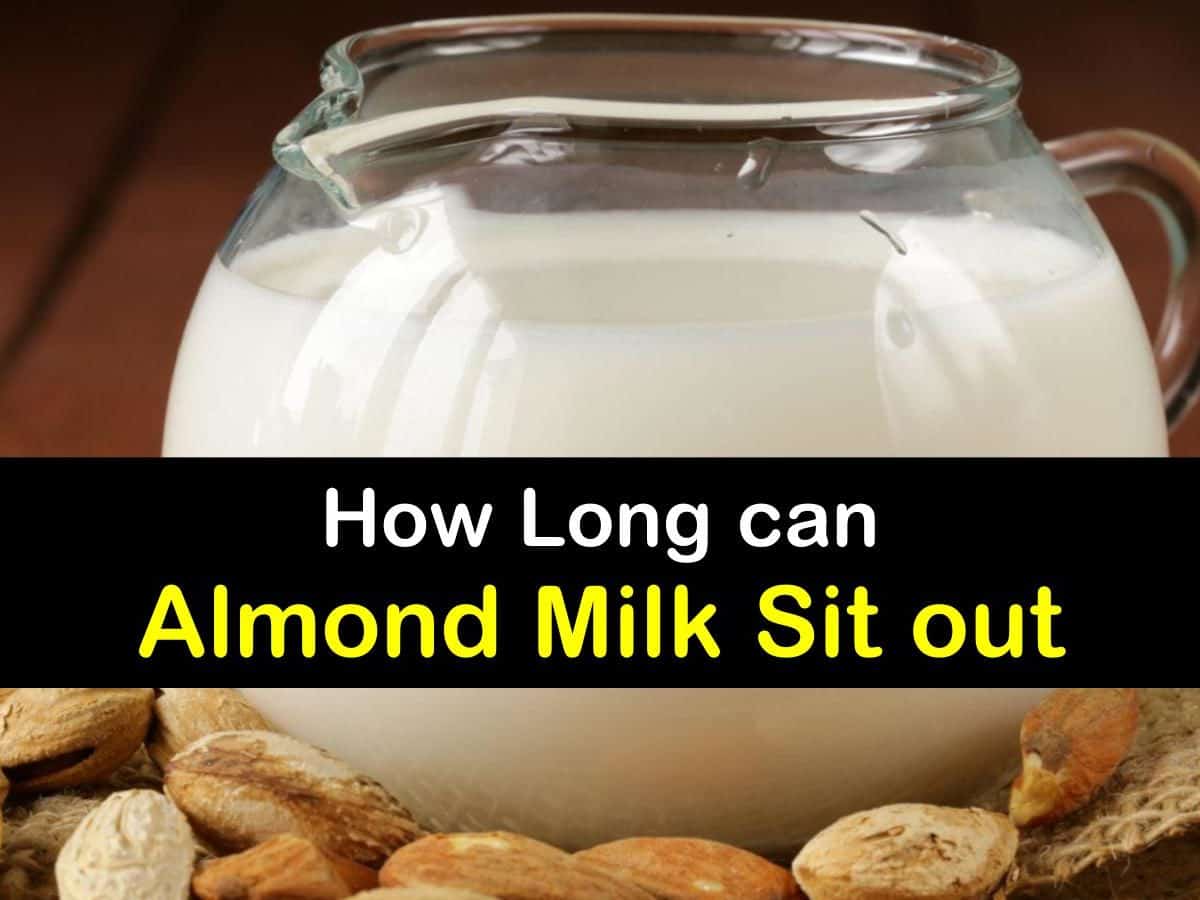
How Long Can Almond Milk Sit Out Safely?

– Almond milk is different from cow’s milk and doesn’t go bad in the same way.
– Homemade or refrigerated almond milk should not sit out for more than two hours.
– Unopened shelf-stable almond milk can sit out until the expiration date (generally 6-12 months).
– Homemade almond milk can be kept fresh for about 7 days in the refrigerator.
– Store-bought refrigerated almond milk is made the same way as homemade but with added ingredients to prolong shelf life.
– Almond milk manufacturers use pasteurization to kill bacteria, allowing the milk to stay fresh for weeks.
– After opening refrigerated almond milk, it should last about seven days.
– Almond milk should not sit out at room temperature for more than two hours.
– Unopened shelf-stable almond milk can sit out longer than opened almond milk.
– Shelf-stable almond milk can last several months or up to a year without refrigeration.
– Opened almond milk (regardless of type) can last about 7 days after opening.
– If refrigerated or opened shelf-stable almond milk is left out for more than two hours, it is recommended to throw it away to avoid potential food poisoning symptoms.
– Leaving almond milk out, even for a short time, can lead to the growth of mold and bacteria, increasing the risk of food poisoning.

Continue Reading

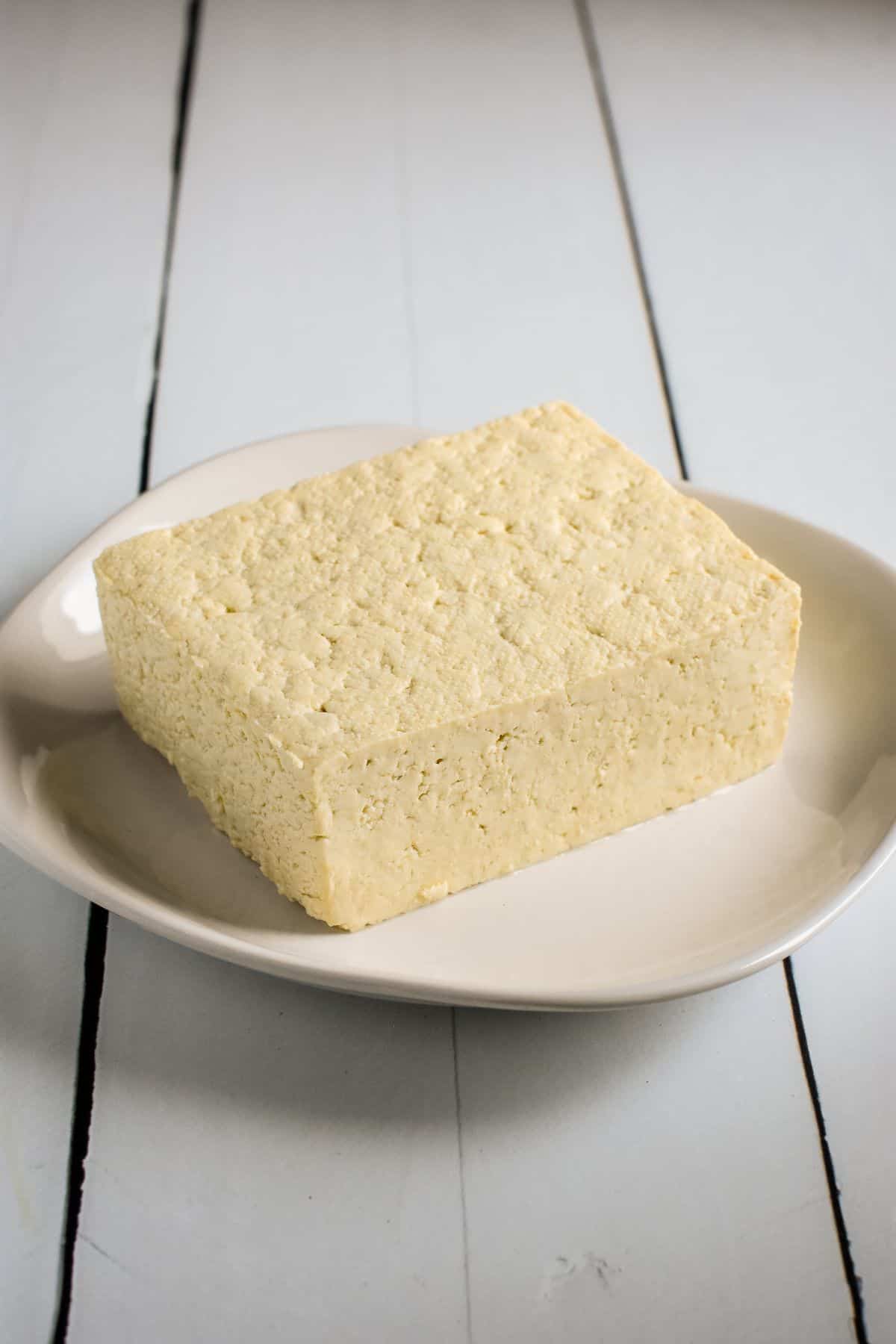
Does tofu go bad? How to tell, store and extend its shelf life

The article explains that the “use by” or “best by” date on packages of tofu indicates the best quality of the food, not its safety. Tofu should always be refrigerated when packaged and ideally used by the date on the package. However, it can still be cooked and eaten after this date. Tofu can also be frozen by draining excess water and wrapping it well before placing it in the freezer.

Continue Reading

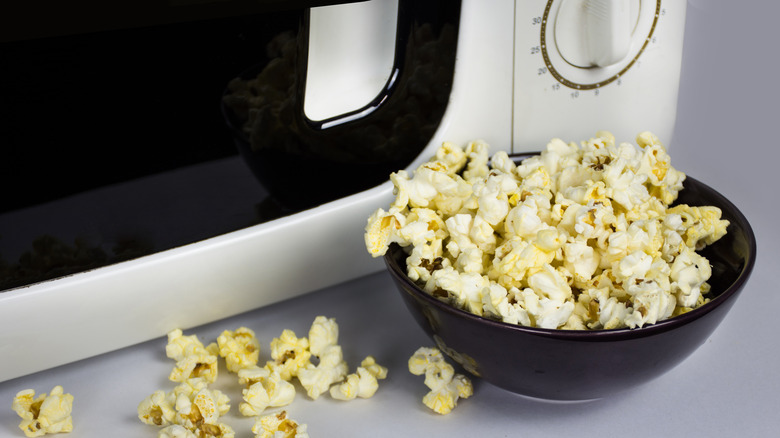
Does Microwave Popcorn Go Bad? Learn the Shelf Life!

– Microwave popcorn can go bad
– Fats and oils in microwave popcorn can become rancid
– Popcorn lasts indefinitely
– Microwave popcorn lasts for six to eight months
– Microwave popcorn used to contain actual butter and had to be refrigerated
– Microwave popcorn now has butter flavorings like diacetyl
– Microwave popcorn has an expiration date or “best by date”
– Microwave popcorn doesn’t need to be refrigerated
– Microwave popcorn can dry out over time

Continue Reading

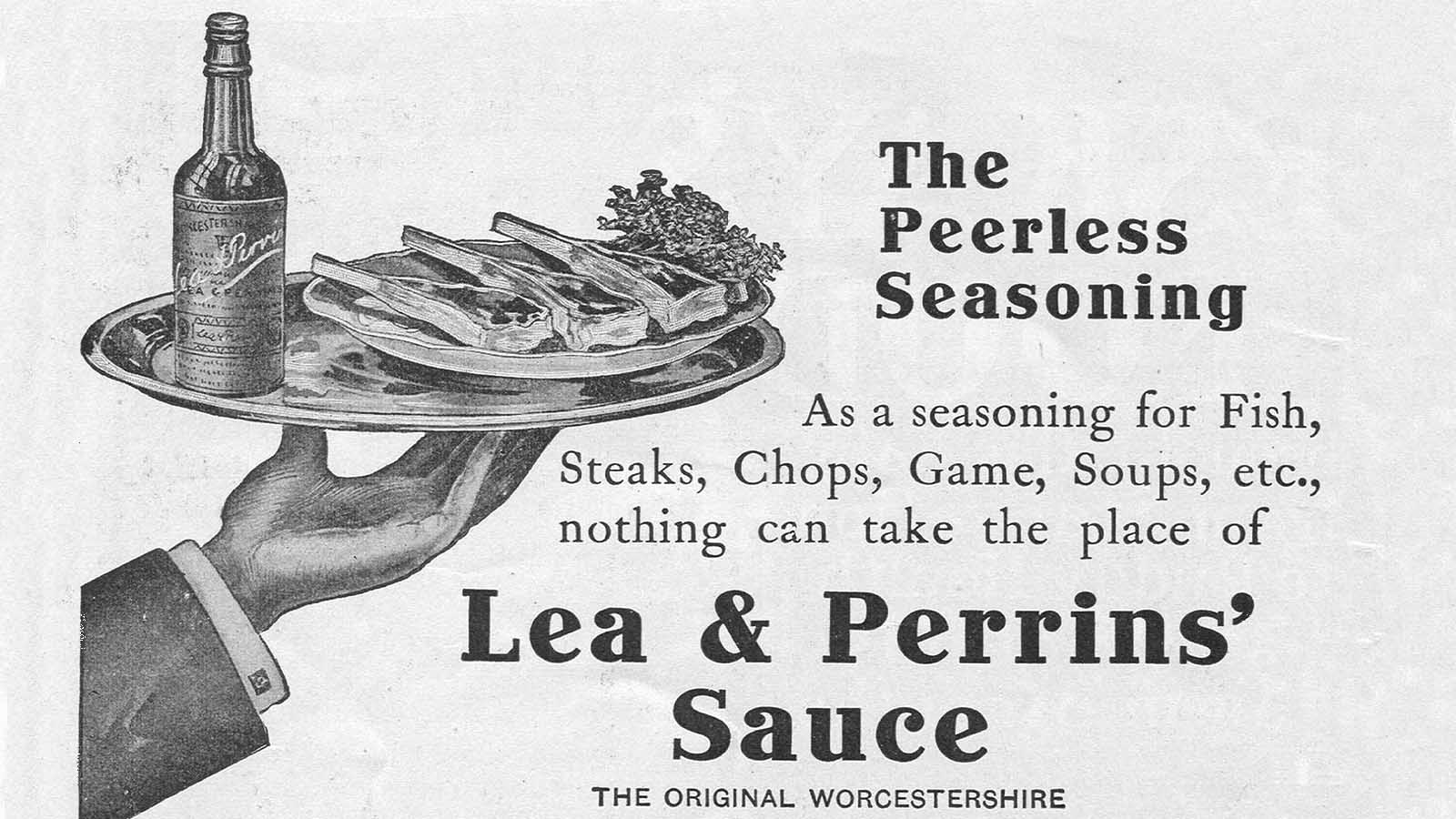
Does Worcestershire Sauce Go Bad? Unveiling the Truth

– The main ingredients of Worcestershire sauce do not require refrigeration.
– The shelf life of Worcestershire sauce is 1.5 to 3 years.
– An opened bottle of Worcestershire sauce can last for about a year in the pantry and up to 3 years in the fridge.
– Worcestershire sauce does not really go bad but its quality degrades slowly over time.
– The taste may not be great if a bottle is opened after 10 years, but it could still be good.
– Once opened, the sauce starts to lose its quality slowly, and dishes flavored with it may not be as good as before.
– The general consensus is that an opened bottle of Worcestershire sauce stays best for about 2-3 years.
– If stored properly, Worcestershire sauce can last much longer.
– Sediment at the bottom of the bottle is normal and can be dissolved by shaking.
– If the sauce develops an unpleasant smell, signs of mold, or a buildup of gas, it should be discarded.

Continue Reading

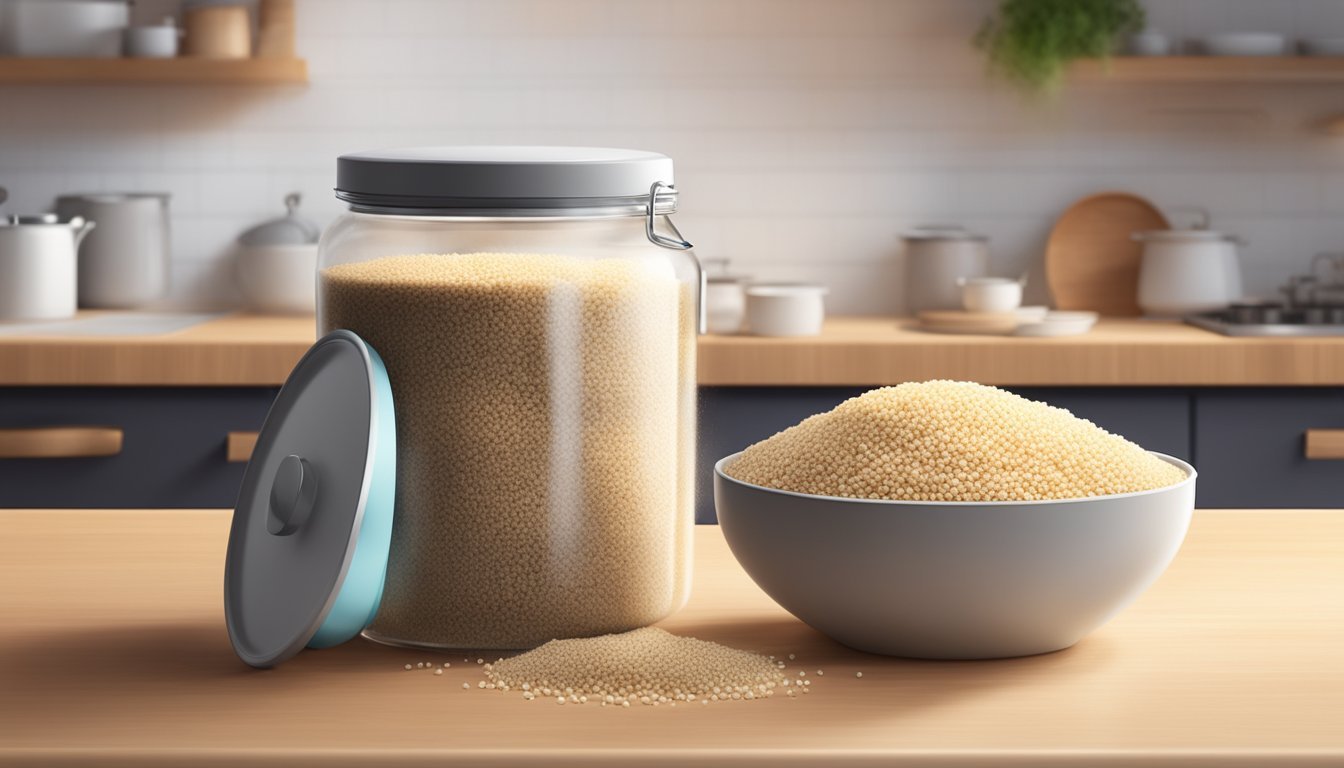
How long does cooked quinoa last and proper storage methods

– Cooked quinoa will last for about 5 to 7 days in the fridge if stored properly in an airtight container.
– Frozen cooked quinoa will last around 10 months in an airtight, freezer-safe container or freezer bag.
– Uncooked (dry) quinoa can last between 2 and 5 years if stored properly in a sealed container in a cool, dry place.
– Signs of spoiled quinoa include a sour odor and flavor, runnier consistency, and mold growth.
– It is recommended to follow the 3-year shelf life rule for dry quinoa.
– Cooked quinoa should be transferred to an airtight container and placed in the fridge to minimize bacterial growth.
– It is important to store and handle food properly to avoid the risk of consuming spoiled food.

Continue Reading

Does Vanilla Extract Go Bad? How to Properly Store and Extend Shelf Life

– Vanilla extract lasts a long time and is unlikely to go bad.
– Both pure and artificial vanilla extracts can be stored in a cool and dark place, away from heat sources.
– It is not recommended to refrigerate or freeze the extract.
– Pure vanilla extract has an indefinite shelf life and may have a slightly more intense flavor after a few years.
– Imitation vanilla extract has a shorter shelf life and its quality will degrade over time.
– The best-by date on the label is a good indicator of its quality.
– Imitation vanilla extract can last for up to 6-12 months after the best-by date, but the taste will worsen over time.
– Vanilla extract should be kept sealed tightly to prevent it from going bad.
– If the extract smells off or has growth on the inside of the cap, it should be thrown away.
– Pure vanilla extract is made with vanilla beans and is brown in color.
– The primary flavor compound in pure extract is vanillin.
– Imitation vanilla extract only contains vanillin and is a synthetic substance made in a lab.
– Vanilla beans are expensive, leading to the creation of synthetic vanilla for a cheaper alternative.
– Most people opt for the less expensive imitation vanilla extract because it still works well in desserts.

Continue Reading

Does Oat Milk Go Bad? The Ultimate Guide

– Oat milk is lower in fat and cholesterol than cow’s milk and contains more fiber.
– Oat milk does go bad, but it tends to last longer than cow’s milk and other alternative milks.
– Signs of spoiled oat milk include a musty or sour smell, changes in appearance (lumpiness, sliminess, separation, congealment), and discoloration.
– Spoiled oat milk can potentially cause food poisoning if consumed.
– If oat milk is past its expiration date or suspected to be spoiled, it should be discarded.
– Store-bought oat milk typically lasts for 2-3 weeks in the refrigerator, up to 5-7 days past the printed expiration date, and up to 6 months in the freezer.
– Shelf-stable oat milk can last unopened for at least 6 months or longer.
– To keep oat milk fresh, store it in the coldest part of the refrigerator, ideally between 32 and 40 degrees.
– Homemade oat milk should be consumed within 5 days and store-bought oat milk within 2-3 weeks.
– Oat milk is popular among vegans, those sensitive to dairy, and those seeking a healthier alternative to cow’s milk.
– Oat milk is free from lactose, dairy, soy, and nuts, and some brands are gluten-free.
– If oat milk is past its expiration date but shows no signs of spoilage, it should be safe to consume.
– If oat milk shows signs of spoilage or has been left out at room temperature for over two hours, it may cause food poisoning.
– Spoiled oat milk should be discarded to avoid the risk of food poisoning.
– Unopened shelf-stable oat milk should be stored in a cool, dark place like a pantry. Once opened, it should be kept in the fridge and consumed within 1-2 weeks.

Continue Reading

Do Pistachios Go Bad? Exploring Shelf Life & Tips

– Pistachios can go bad due to their high oil and fat content
– Proper storage can extend their shelf life to 6 months at room temperature and one year in the refrigerator or freezer
– Signs that pistachios are bad include mold, discolored nutmeat, bugs, and withered texture
– The expiration date on packaged pistachios should be checked, although it is more of a “Best Before” date
– Rancid pistachios can still look fine, but they will smell sour or like nail polish
– If unsure, it is best to throw them out or taste one to check for bitterness and mealy texture
– Storing pistachios in an airtight container in a cool, dark place will increase their shelf life
– Pistachios can be stored in a cupboard away from light or in the refrigerator or freezer for longer shelf life
– Storing them in an airtight container is necessary to prevent odors from other foods
– Refrigeration or freezing can keep pistachios good for up to 1 year
– Buying fresh pistachios is important and packaged ones provide an expiration date
– Unshelled pistachios last longer than shelled ones
– Pistachios are actually seeds and not nuts
– They contain fiber, protein, minerals, and unsaturated fat
– Pistachios can be used for snacking, adding crunch to salads, or adding flavor and texture to any meal

Continue Reading