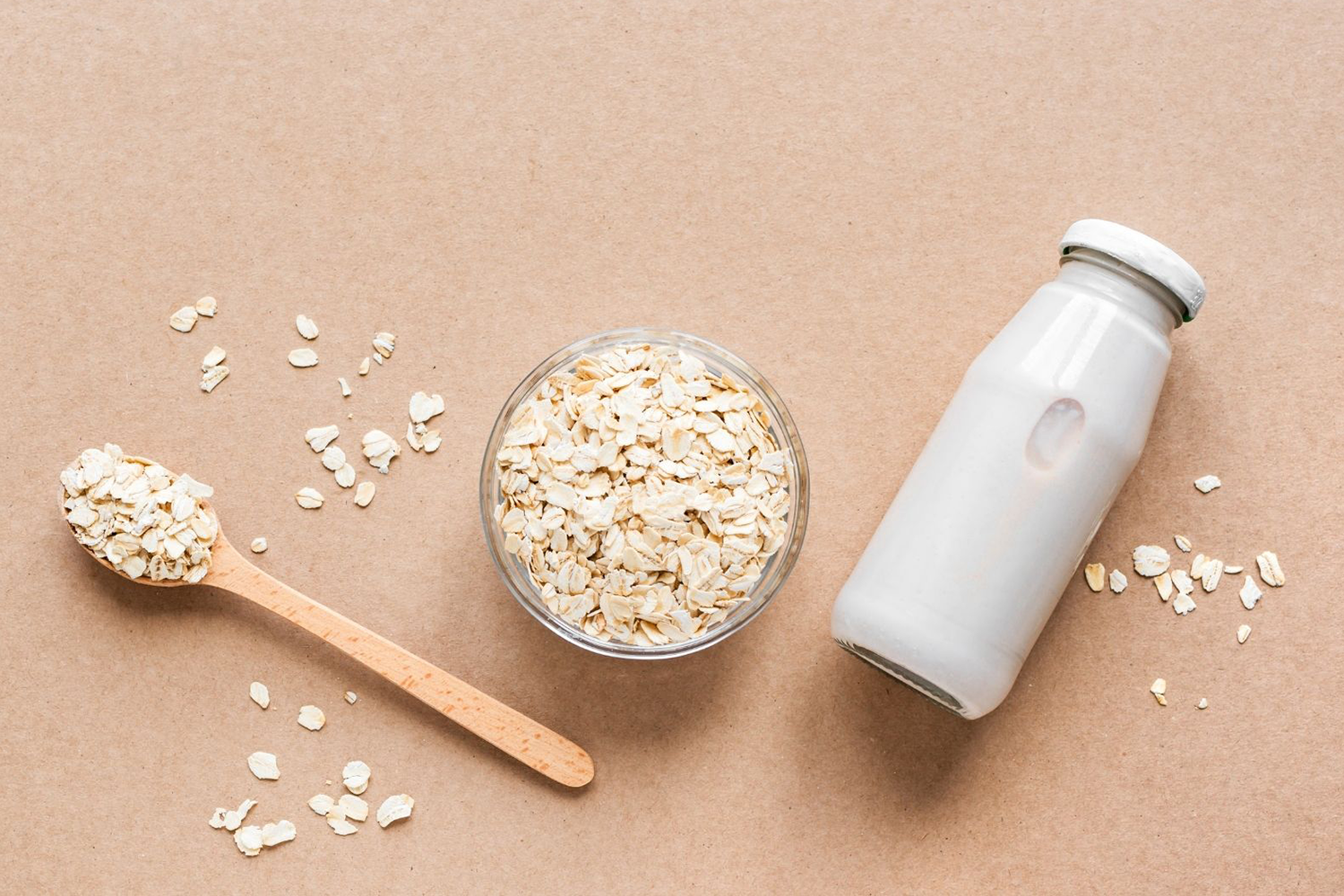
Does Oat Milk Go Bad? The Ultimate Guide

– Oat milk is lower in fat and cholesterol than cow’s milk and contains more fiber.
– Oat milk does go bad, but it tends to last longer than cow’s milk and other alternative milks.
– Signs of spoiled oat milk include a musty or sour smell, changes in appearance (lumpiness, sliminess, separation, congealment), and discoloration.
– Spoiled oat milk can potentially cause food poisoning if consumed.
– If oat milk is past its expiration date or suspected to be spoiled, it should be discarded.
– Store-bought oat milk typically lasts for 2-3 weeks in the refrigerator, up to 5-7 days past the printed expiration date, and up to 6 months in the freezer.
– Shelf-stable oat milk can last unopened for at least 6 months or longer.
– To keep oat milk fresh, store it in the coldest part of the refrigerator, ideally between 32 and 40 degrees.
– Homemade oat milk should be consumed within 5 days and store-bought oat milk within 2-3 weeks.
– Oat milk is popular among vegans, those sensitive to dairy, and those seeking a healthier alternative to cow’s milk.
– Oat milk is free from lactose, dairy, soy, and nuts, and some brands are gluten-free.
– If oat milk is past its expiration date but shows no signs of spoilage, it should be safe to consume.
– If oat milk shows signs of spoilage or has been left out at room temperature for over two hours, it may cause food poisoning.
– Spoiled oat milk should be discarded to avoid the risk of food poisoning.
– Unopened shelf-stable oat milk should be stored in a cool, dark place like a pantry. Once opened, it should be kept in the fridge and consumed within 1-2 weeks.

Continue Reading

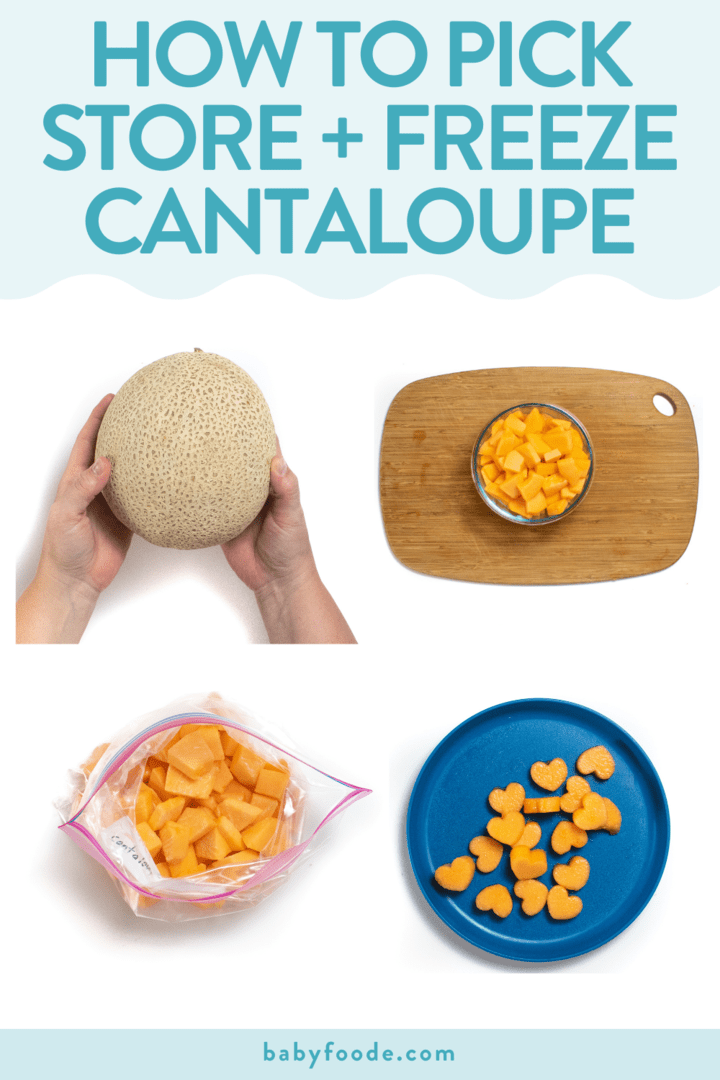
Can you freeze cantaloupe? Learn the best methods!

– Cantaloupe can be frozen
– Freezing cantaloupe extends its shelf life
– Steps to freeze cantaloupe: 1) Select ripe cantaloupe, 2) Cut into pieces or chunks, 3) Place on baking tray lined with plastic wrap, 4) Freeze for a few hours until solid, 5) Transfer to a freezer bag or container
– Cantaloupe cubes can be frozen using the same method
– Frozen cantaloupe can last up to 8 months in the freezer
– Frozen cantaloupe can be eaten, but it is best enjoyed thawed at room temperature or slightly chilled
– Frozen cantaloupe can be used in smoothies
– Frozen cantaloupe can be added to fruit salad
– Frozen cantaloupe can be used to make sorbet
– Frozen cantaloupe can be used in baked goods
– Frozen cantaloupe can be used as a base for smoothie bowls
– Frozen cantaloupe can be blended into ice cubes for drinks
– Ripe cantaloupes are best for freezing
– Cantaloupes should be washed and split in half before freezing
– Lemon juice can be added to maintain color and taste
– Cantaloupes can be cleaned with water and soap if soil is present
– Frozen cantaloupe can be stored in airtight containers or freezer bags
– Cantaloupe can be pureed and stored in ice cube trays and Ziplock bags
– Frozen cantaloupe can be kept for up to six months
– Cantaloupe is high in vitamins C and A, low in fat, and contains antioxidants and anti-inflammatory components
– Frozen cantaloupe is a nutrient-dense and low-calorie meal or snack

Continue Reading

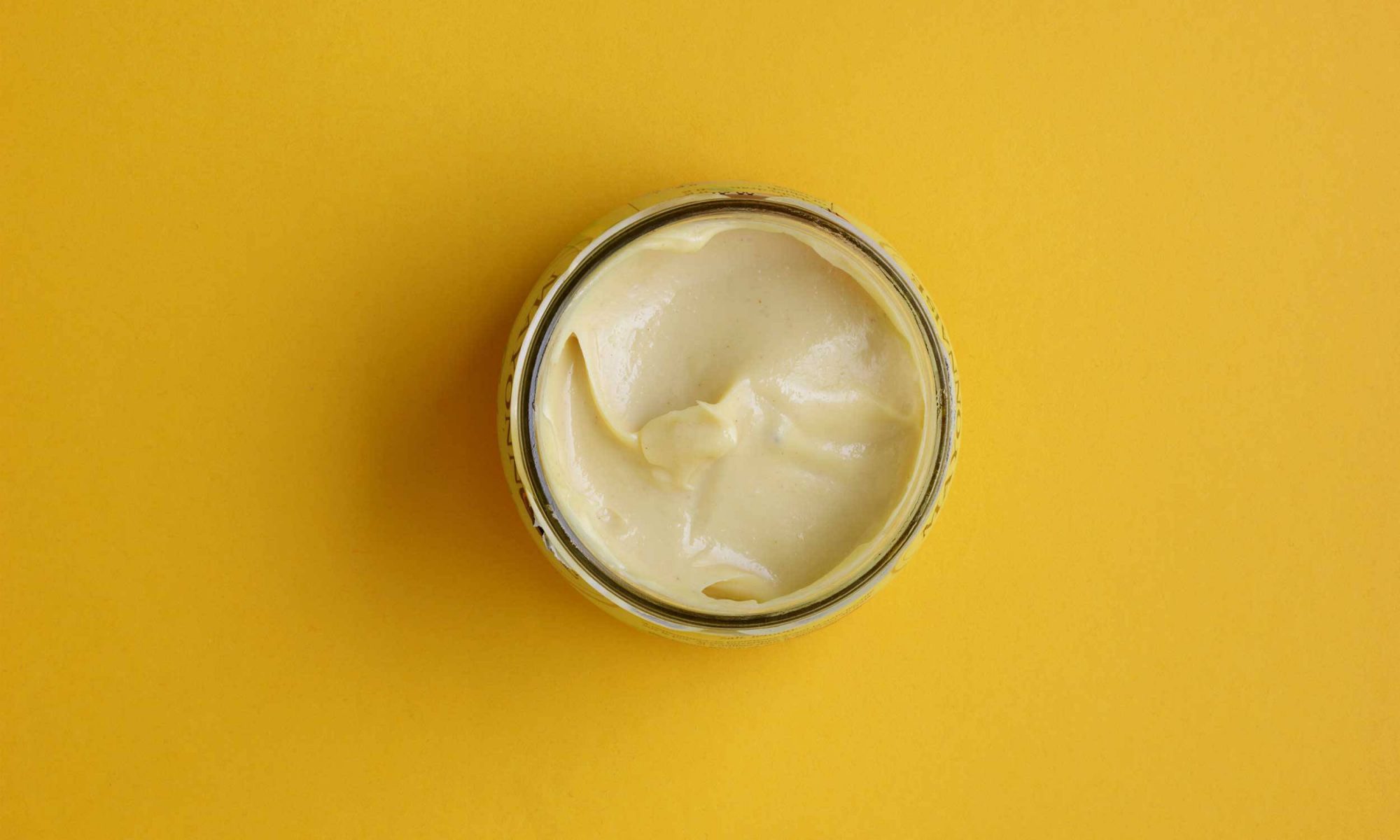
How Long Can Mayo Sit Out? Safety Guide

– Mayonnaise contains eggs and should be stored properly to avoid foodborne illness.
– Mayo should ideally be stored in the fridge or served immediately.
– Mayo should not be left out at room temperature for more than two hours.
– Mayo stored at 50°F or more should be discarded after 8 hours.
– Commercial mayonnaises are shelf-stable before opening but should be refrigerated after opening.
– Open mayo should be stored in the fridge and discarded after 2 months.
– Homemade mayonnaise should be stored in the fridge for up to 1 week if made with raw eggs.
– Homemade mayonnaise made with pasteurized eggs can be stored in the fridge for up to 4 days.
– Most home cooks successfully store homemade mayonnaise in the fridge for 1 month or more.
– Mayo should be tossed if it is perishable or if it has been stored improperly.
– Unopened store-bought mayo can be stored in the pantry until the sell-by date.
– Opened mayonnaise will last for approximately 2 months when refrigerated.
– If mayo shows signs of mold, has an off-smell, or unusual color, it should be discarded.
– Mayonnaise should be stored in the fridge or served immediately to reduce the risk of foodborne illness.
– Homemade mayonnaise should be stored in the fridge for up to 1 week max, or up to 4 days if made with pasteurized eggs.
– Mayonnaise that has been left out at room temperature for 2 or more hours should be discarded.

Continue Reading

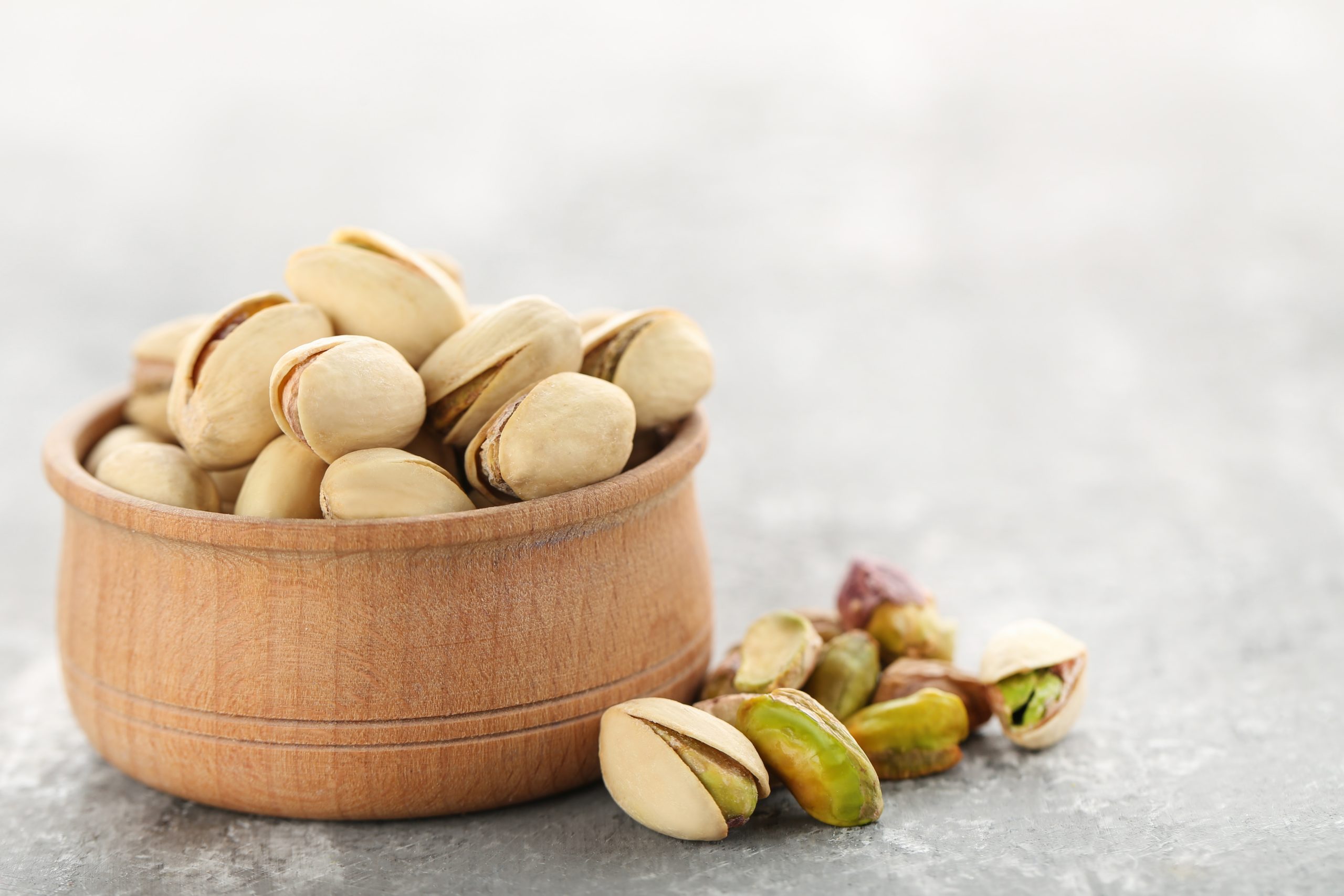
Do Pistachios Go Bad? Exploring Shelf Life & Tips

– Pistachios can go bad due to their high oil and fat content
– Proper storage can extend their shelf life to 6 months at room temperature and one year in the refrigerator or freezer
– Signs that pistachios are bad include mold, discolored nutmeat, bugs, and withered texture
– The expiration date on packaged pistachios should be checked, although it is more of a “Best Before” date
– Rancid pistachios can still look fine, but they will smell sour or like nail polish
– If unsure, it is best to throw them out or taste one to check for bitterness and mealy texture
– Storing pistachios in an airtight container in a cool, dark place will increase their shelf life
– Pistachios can be stored in a cupboard away from light or in the refrigerator or freezer for longer shelf life
– Storing them in an airtight container is necessary to prevent odors from other foods
– Refrigeration or freezing can keep pistachios good for up to 1 year
– Buying fresh pistachios is important and packaged ones provide an expiration date
– Unshelled pistachios last longer than shelled ones
– Pistachios are actually seeds and not nuts
– They contain fiber, protein, minerals, and unsaturated fat
– Pistachios can be used for snacking, adding crunch to salads, or adding flavor and texture to any meal

Continue Reading

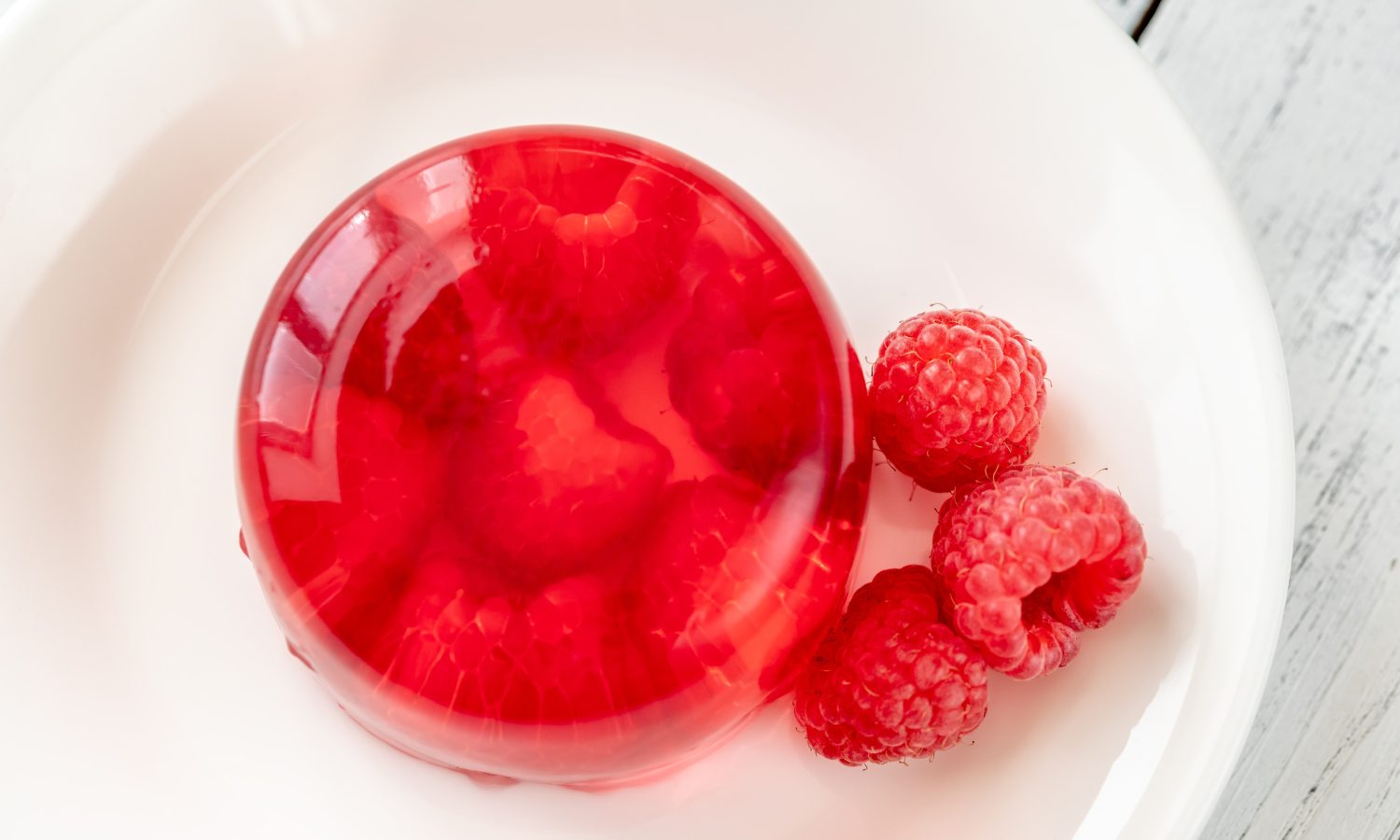
Does jelly go bad? Shelf life and storage tips

– Shelf life of opened grape jelly can be maximized by keeping it refrigerated and tightly covered.
– Opened grape jelly can stay at best quality for about 1 year when continuously refrigerated.
– The expiration date on the jar is not a safety date, but an estimate of how long the jelly will remain at peak quality.
– After the best quality period, the texture, color, or flavor of the jelly may change, but it will still be safe to consume if stored properly and there are no signs of spoilage.
– If the grape jelly develops an off odor, flavor, appearance, or if mold appears, it should be discarded.
– Spoiled jelly may have a darker color, off texture, strange taste, mold growth, or if the expiration date has passed.
– Signs of spoiled jelly to look out for include separation, off-color, off odor, strange taste, and visible mold.
– Even if the expiration date has not passed, the quality and flavor of the jelly may have diminished.
– The smell of fresh jelly is sweet and fruity, so if it smells off-putting or sour, it should be discarded.
– Spoiled jelly may also have changes in texture, such as becoming runny, excessively thick, lumpy, or grainy.
– Once opened, jelly should be consumed within 6 months to a year.
– Unopened jelly can last up to a year past its expiration date.
– Homemade jelly can last for 6 to 12 months when stored in the refrigerator.
– Sugar-free jelly can last 6 to 9 months in the fridge, while low sugar jelly can last 8 to 9 months.
– Jelly can be frozen to extend its shelf life for over 12 months, but it may lose some texture and flavor quality.
– Eating expired jelly can potentially lead to an upset stomach or food poisoning, so it is best to avoid it.
– Frozen jelly should be stored in an airtight container with some headspace for expansion.
– Consuming spoiled jelly can lead to foodborne illnesses caused by harmful bacteria or mold.

Continue Reading

Does Fudge Need to be Refrigerated? Exploring Storage Recommendations

– Fudge should be stored at room temperature for 2 to 3 weeks wrapped in its original wax paper.
– It should not be refrigerated as this will dry it out.
– If you want to keep fudge for longer than 3 weeks, it can be frozen for up to a year.
– To freeze fudge, wrap it in an airtight container using several layers of saran wrap, vacuum seal, or Tupperware.
– When ready to enjoy the frozen fudge, thaw it on the counter for a couple of hours.
– If fudge becomes hard due to being left unwrapped or accidentally refrigerated, it may be possible to soften it by wrapping it in several layers of clear wrap to allow moisture to re-permeate it.
– Another option for hard fudge is to melt it with a splash of milk in a saucepan and use it as a fudge sauce for ice cream.

Continue Reading

Do Carrots Need to be Refrigerated: A Comprehensive Guide

– The article provides tips on how to defrost frozen carrots
– It suggests two methods – thawing in the refrigerator and thawing in cold water
– Sliced carrots should not be left out at temperatures above 40°F for more than 2 hours, according to USDA recommendations
– The article recommends using Glad® FLEX’N SEAL™ to allow the carrots to come up to room temperature without any liquid getting on the fridge or countertop
– The importance of knowing how to store and freeze carrots properly
– Instructions on how to store leftovers
– Mention of the Glad Flex’N Seal as a way to thaw carrots at room temperature without making a mess
– Importance of knowing how to store and freeze carrots for future use

Continue Reading

Does Molasses Go Bad? Storage Tips and Shelf Life

– Molasses usually has a best before date, rather than an expiration date.
– Molasses can still be safely used after the best before date has passed.
– The age of molasses is difficult to determine as it looks, feels, and smells the same over time.
– The flavor of molasses can be compromised over time according to manufacturers.
– Tasting a 10-year-old bottle of molasses resulted in the same taste.
– The shelf life of molasses after the best before date is uncertain and the product’s quality may not be the same.
– Mold, change in appearance, or change in aroma are signs to discard the molasses.
– Molasses does not go bad if stored properly but its flavor can deteriorate over time.
– Signs of spoilage include mold on the surface, bad smell, or significantly different taste.
– Three types of molasses: light, dark, and blackstrap. Bitter taste indicates spoilage.
– Molasses has a shelf life of 1 to 4 years and can last for at least a few months past the printed date.
– Some brands recommend using molasses within half a year of opening, while others say to use it before the printed date.
– Opened molasses may have a less good flavor but can still be safe to use.
– The expiration date on the label is a best-by date, not an expiration date.
– Proper storage includes keeping molasses in a cool and dry place, sealing it tightly when not in use.
– Refrigerating molasses is not required but can help retain quality.

Continue Reading