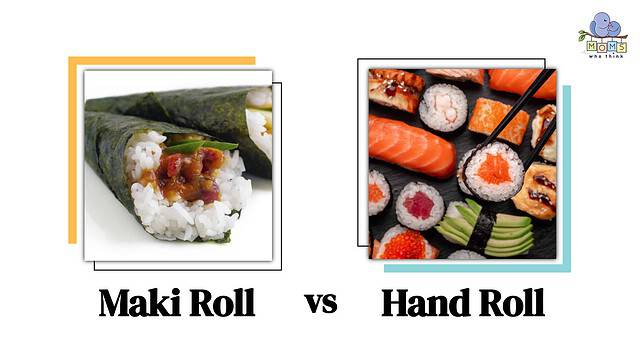
Maki vs Hand Roll: Unraveling the Sushi Differences

– The article discusses the difference between maki rolls and hand rolls in sushi.
– Sushi originated from ancient China and spread to Japan in the 9th century.
– Maki rolls are rolls that are cut into bite-size pieces and made by layering nori, sushi rice, and fresh fish/vegetables, rolling them into a log, and cutting into pieces.
– There are two types of maki rolls: hosomaki with one ingredient and futomaki with two or more ingredients.
– Hand rolls, or temaki, are kept in a cone or log shape and meant to be bitten into.
– Some sushi restaurants offer both traditional maki rolls and specialty rolls with various toppings and sauces, while others focus on a more traditional sushi experience with simple rolls like spicy tuna or cucumber.
– Maki rolls are typically not filled with tempura or specialty fillings like dynamite and eel sauce.
– Examples of classic maki rolls include spicy tuna roll, California roll, cucumber roll, salmon and avocado roll, and rainbow roll.
– Hand rolls, also known as temaki, are difficult to eat with chopsticks and are meant to be eaten with hands.
– Popular fillings for hand rolls include baked salmon skin with radish sprouts and cucumber slices, spicy tuna with radish sprouts, salmon avocado with sesame seeds and scallion strips, and blue crab mixed with Kewpie Japanese mayonnaise.
Continue Reading

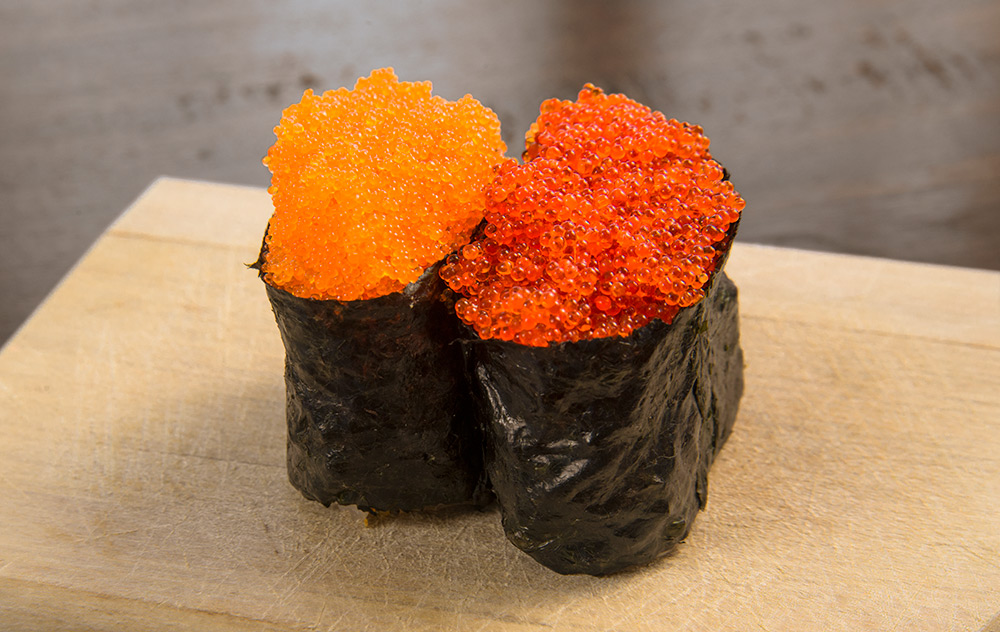
Masago vs Tobiko: Exploring the Differences, Nutrition & Origins

Masago vs Tobiko: Key Facts

– Masago is typically colored using food dye rather than squid ink.
– There are different varieties of masago including red masago and wasabi masago.
– Masago tastes similar to tobiko, but slightly milder, with a subtly sweet, salty, and citrusy flavor.
– Masago is typically cured in soy sauce, MSG, high fructose corn syrup, and food coloring agents.
– Masago and caviar are both fish roes, but they come from different species of fish.
– Masago is less expensive than caviar, costing around $5 per ounce.
– Masago can be used as a garnish for sushi rolls, sashimi, seafood and rice dishes, and can also be made into a creamy masago sauce.
– Masago and tobiko can be bought at Asian grocery stores, seafood markets, and online.
– The natural color of tobiko is golden, while masago is a duller yellow.
– Tobiko is flying fish roe, while masago is the eggs of smelt fish.
– Tobiko is larger in size compared to masago.
– Masago freezes well and is available year-round in the frozen section.
– Both tobiko and masago can be found online and in Asian grocery stores.
– Fish eggs are safe to consume in moderation during pregnancy if they are pasteurized and properly refrigerated.
– Fish roe is nutritious and high in protein, omega-3 fatty acids, phosphorus, selenium, folate, choline, antioxidants, and vitamins A, B12, and D.

Continue Reading

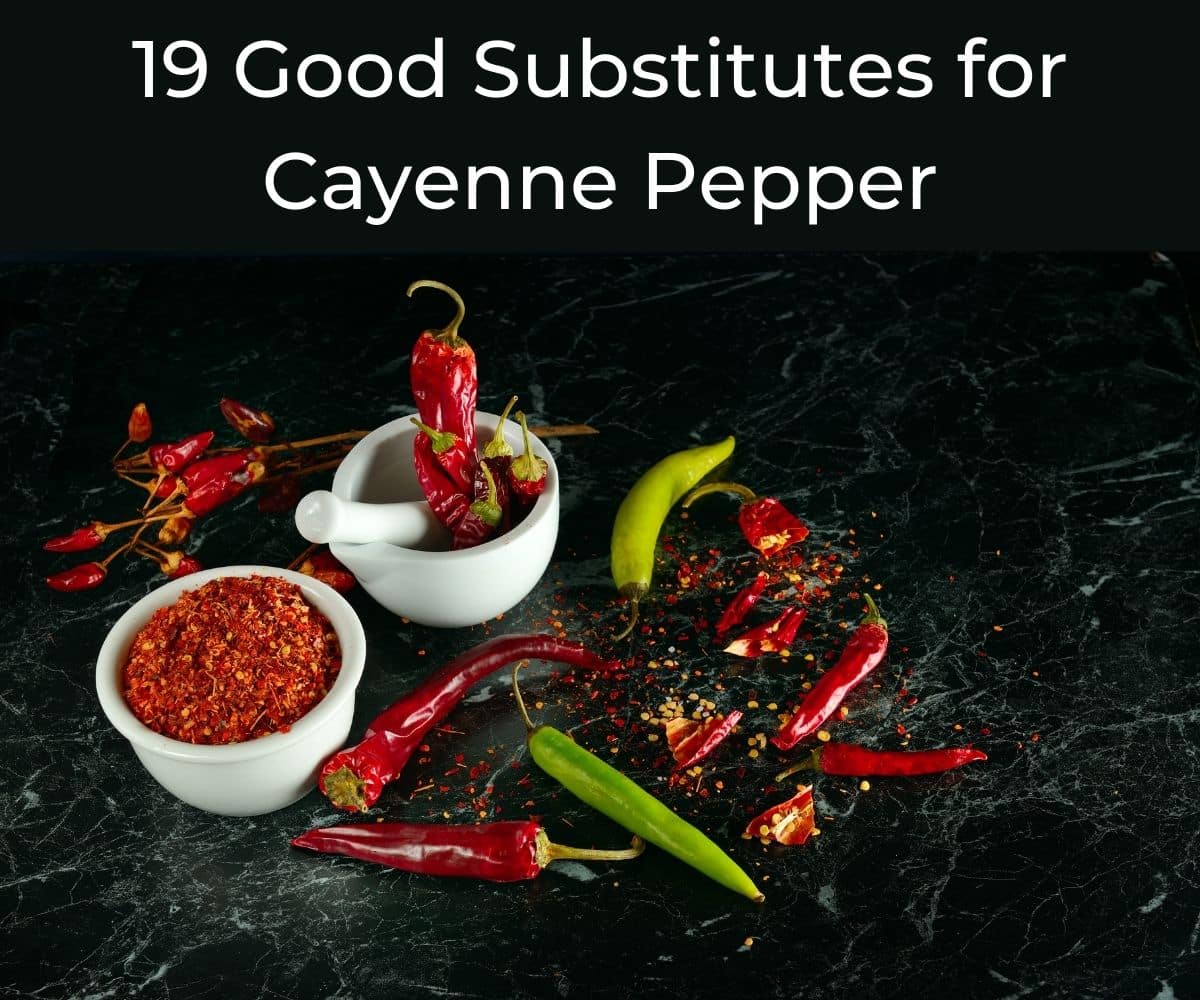
Discover the Perfect Substitute for Cayenne Pepper: Enhance Your Culinary Creations!

– Ground cayenne powder
– Red pepper flakes
– Hot paprika
– Hot sauce (matching cuisine)
– Paprika
– Chili powder
– Frank’s RedHot sauce
– Cholula hot sauce
– Texas Pete hot sauce
– Tabasco hot sauce
– Tapatío hot sauce
– Fresh hot peppers (jalapeño, Fresno, Serrano, habanero, Tabasco)
– Red pepper flakes
– Gochugaru (Korean red pepper)
– Jalapeno pepper powder

Continue Reading

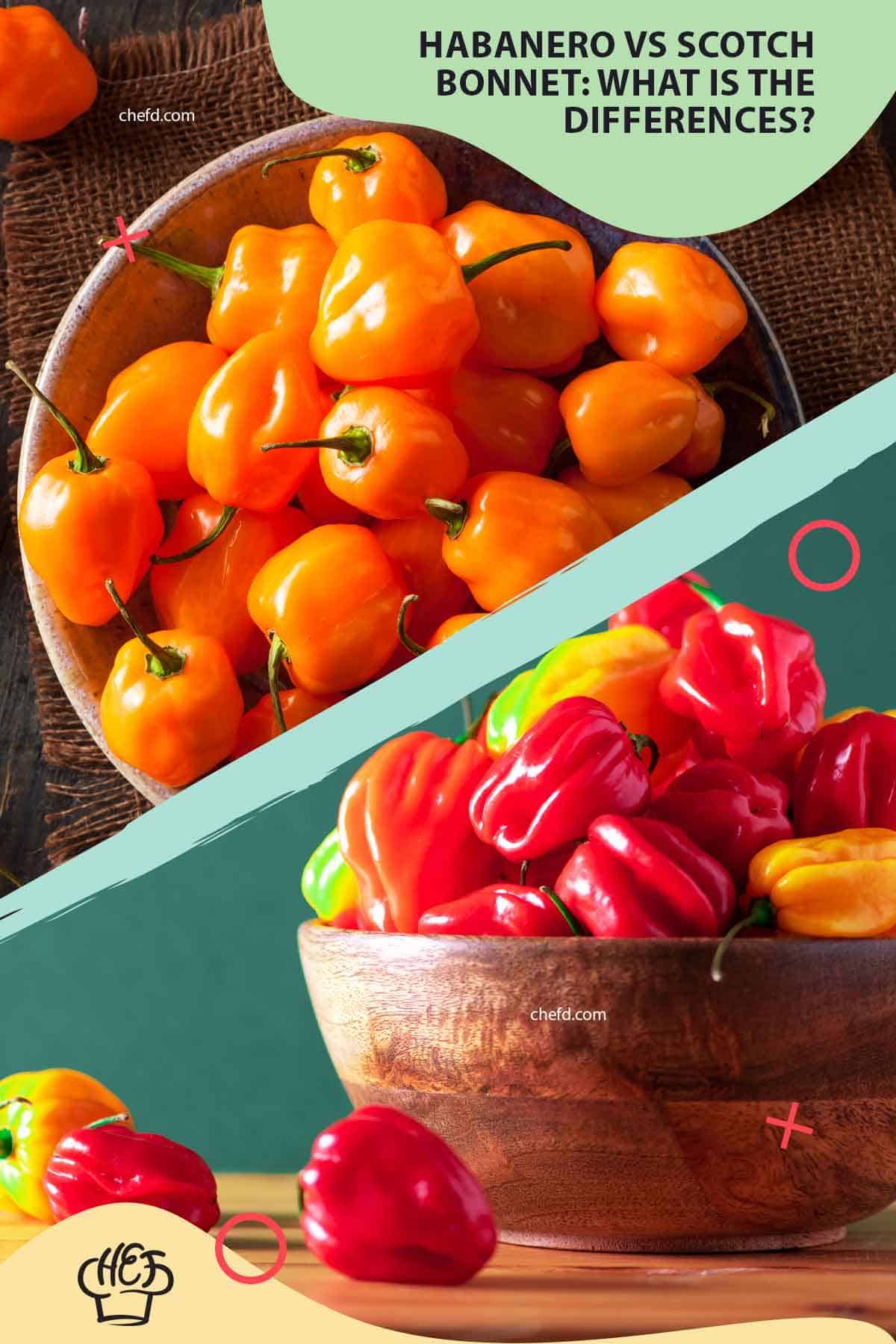
Scotch Bonnet vs Habanero: Unleashing the Fiery Debate

Scotch bonnet and habanero peppers are similar in origin and belong to the Capsicum chinense species. They prefer warm and humid climates with well-drained soil. Traditional scotch bonnets are yellow or red, while traditional habaneros are orange or red with a smoother skin and pointed blossom end. The flavors of the two peppers differ, with habaneros being floral and smoky with fruity notes. Scotch bonnets have a strong citrus note. Both peppers are hot, ranging from 100,000-350,000 SHUs on the Scoville scale. However, there are super-spicy habanero cultivars that exceed this rating, and scotch bonnets have been crossbred with hotter peppers to create extra-spicy varieties. Scotch bonnets are popular in Jamaican cuisine, while habaneros are popular in the Mexican Yucatán peninsula. Both peppers can be grown in containers or directly in the ground.

Continue Reading

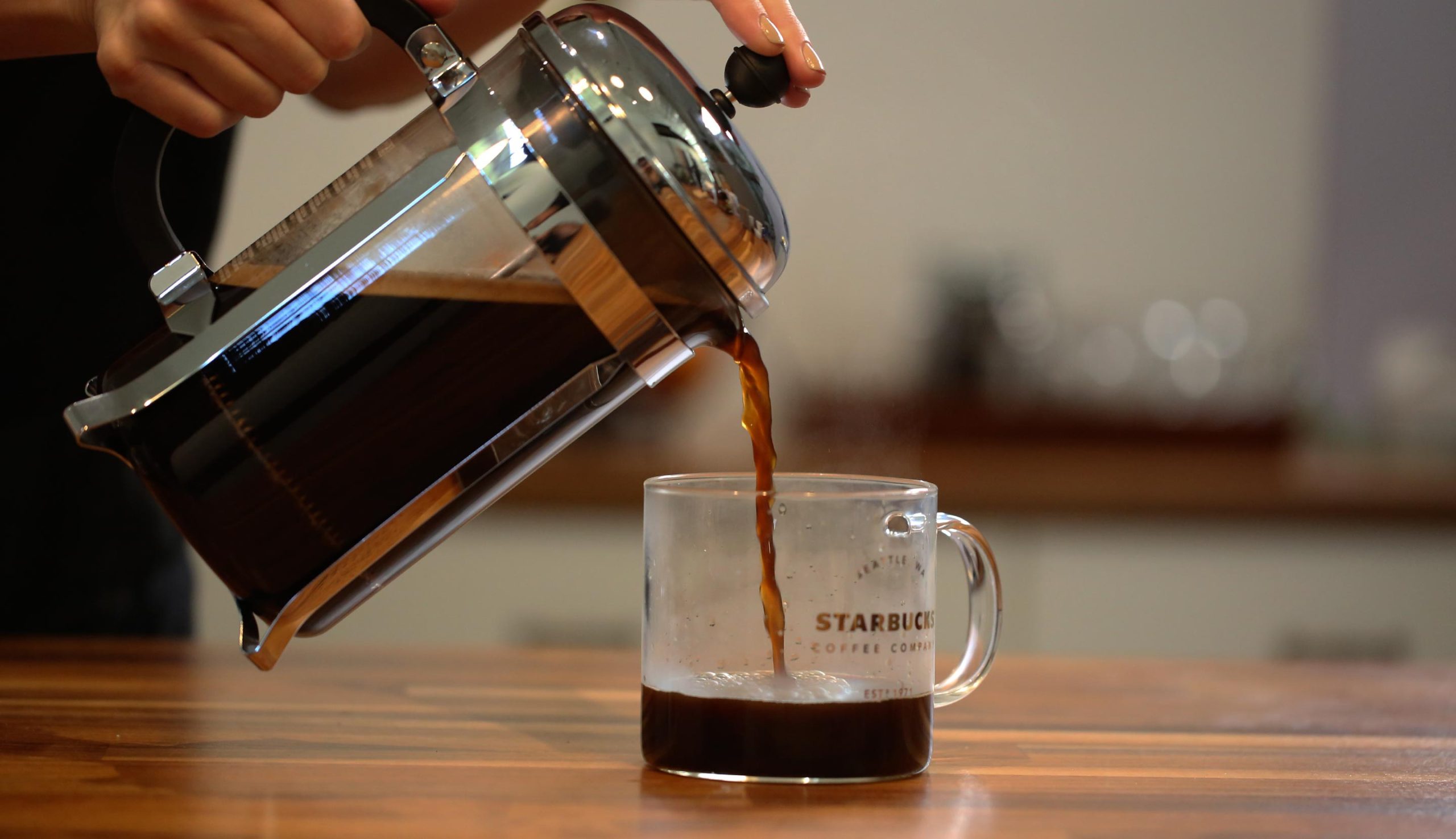
Starbucks French Press: Brewing the Perfect Cup of Coffee

– Starbucks sells an 8-cup plastic French press coffee maker
– The press is made from BPA-free Tritan plastic
– Lightweight for easy handling
– Manufactured by Bodum
– Safe to use
– Aesthetic appeal with a classic design
– Black color
– Rubber handle for easy pouring
– Skid-proof base
– Compact size: 10.2 x 6 x 5.71 inches
– Made in Portugal
– 40% of the plastic used is post-consumer recycled
– Easy to use and suitable for beginners
– Instructions provided for using the Starbucks French Press coffee maker
– Experiment with the amount of coffee and water for desired taste
– Allows coffee oils into the final cup for a full-bodied flavor
– Using coarser grind size helps avoid sediment in the cup
– Can be used to make cold brew or brew tea
– Small and lightweight, somewhat portable
– Plastic build safer for travel but less durable than stainless steel
– Comparison of different French press coffee makers, including Starbucks Coffee Press
– Starbucks Coffee Press is an affordable option made from plastic and glass materials
– Black color
– 34 fl oz water tank size
– Makes 8 cups of coffee
– Rubber gasket-covered plunger
– Lid made of plastic
– Dishwasher safe
– Dimensions: 10.24 x 5.98 x 5.71 inches
– Customer review rating of 4.5/5
– Comes with a 1-year warranty
– Not SCA certified
– Priced at $34.99
– French Press coffee maker offers cafe-quality coffee at an affordable price
– Consider alternatives for a prettier or sturdier French Press
– No facts, stats, or figures provided in the given text.

Continue Reading