How long are carrots good for? A detailed, nutritious guide

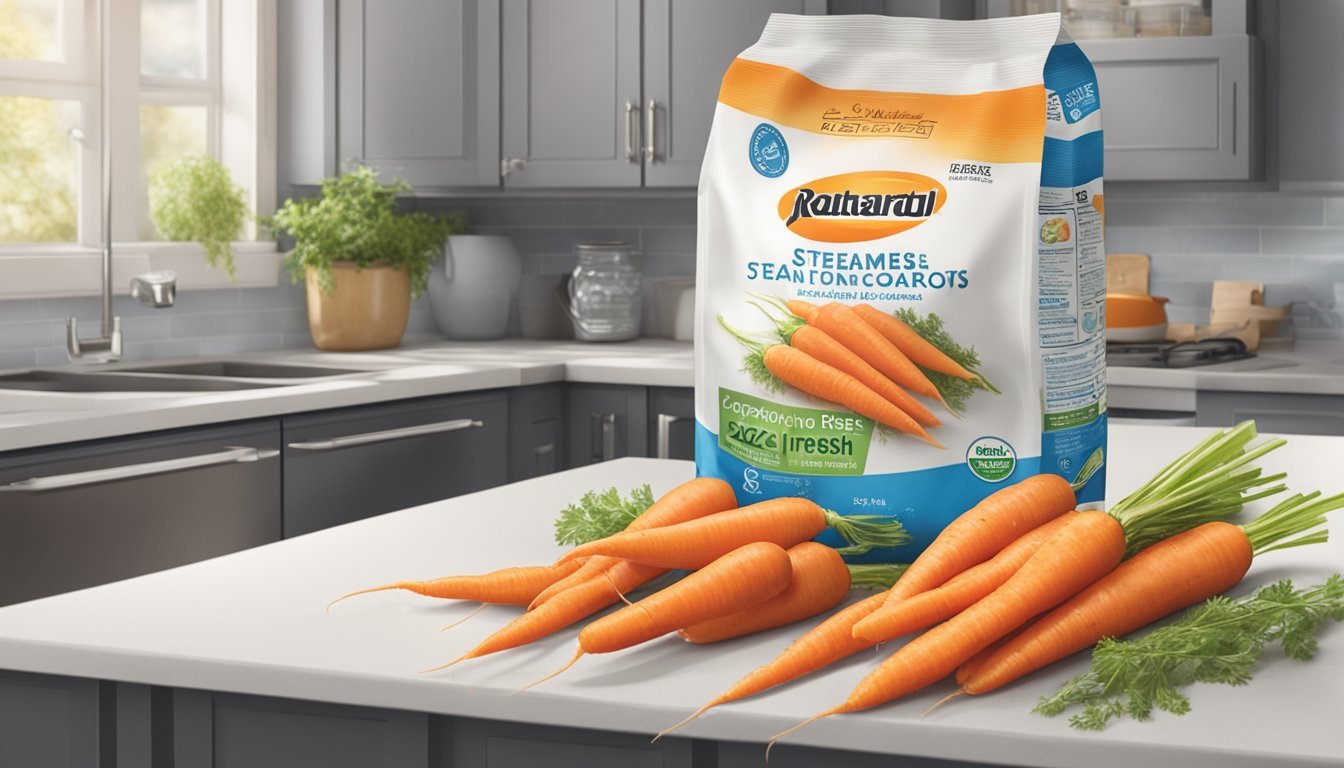
– Carrots should be stored in an airtight container in the fridge
– Whole, unpeeled carrots are less susceptible to moisture loss than peeled or baby carrots
– Don’t wash whole, unpeeled carrots until you plan to use them
– Remove carrot greens as they can cause wilting
– Wrap carrots in a paper towel before storing in an airtight container
– Keep carrots in the coolest part of the fridge away from fruits that produce ethylene gas
– Peeled carrots need moisture to prevent drying out
– Store peeled carrots in cool water that needs to be periodically changed every 4-5 days
– Cut carrots can be stored by wrapping them in a damp paper towel and placing them in an airtight container in a colder section of the fridge
– Raw, unpeeled carrots last 3-4 weeks in the fridge, while peeled or sliced carrots last 2-3 weeks
– Cooked carrots last 3-5 days in the fridge
– Spoiled or bad carrots have an odor, slimy texture, dark discoloration, wilting, or softness. This article provides information about how to store and freeze carrots. It mentions that if mold is growing on carrots, they should be thrown out. However, carrots with a white blush can be eaten after rinsing them to add moisture. The article also explains how to blanch carrots before freezing them, and provides step-by-step instructions for blanching and freezing. It suggests storing frozen carrots in a zip-top bag in the freezer for up to a year. The article also mentions that frozen carrots can be cooked directly from frozen, but if thawing is desired, the methods of thawing in the fridge or in cold water are provided. Finally, it advises not leaving cooked carrots at temperatures above 40 degrees F for more than two hours to avoid bacterial growth.

Continue Reading

What to Serve with Brisket: Delicious and Complementary Side Dishes to Perfect Your Meal

Side Dishes to Serve with Brisket:
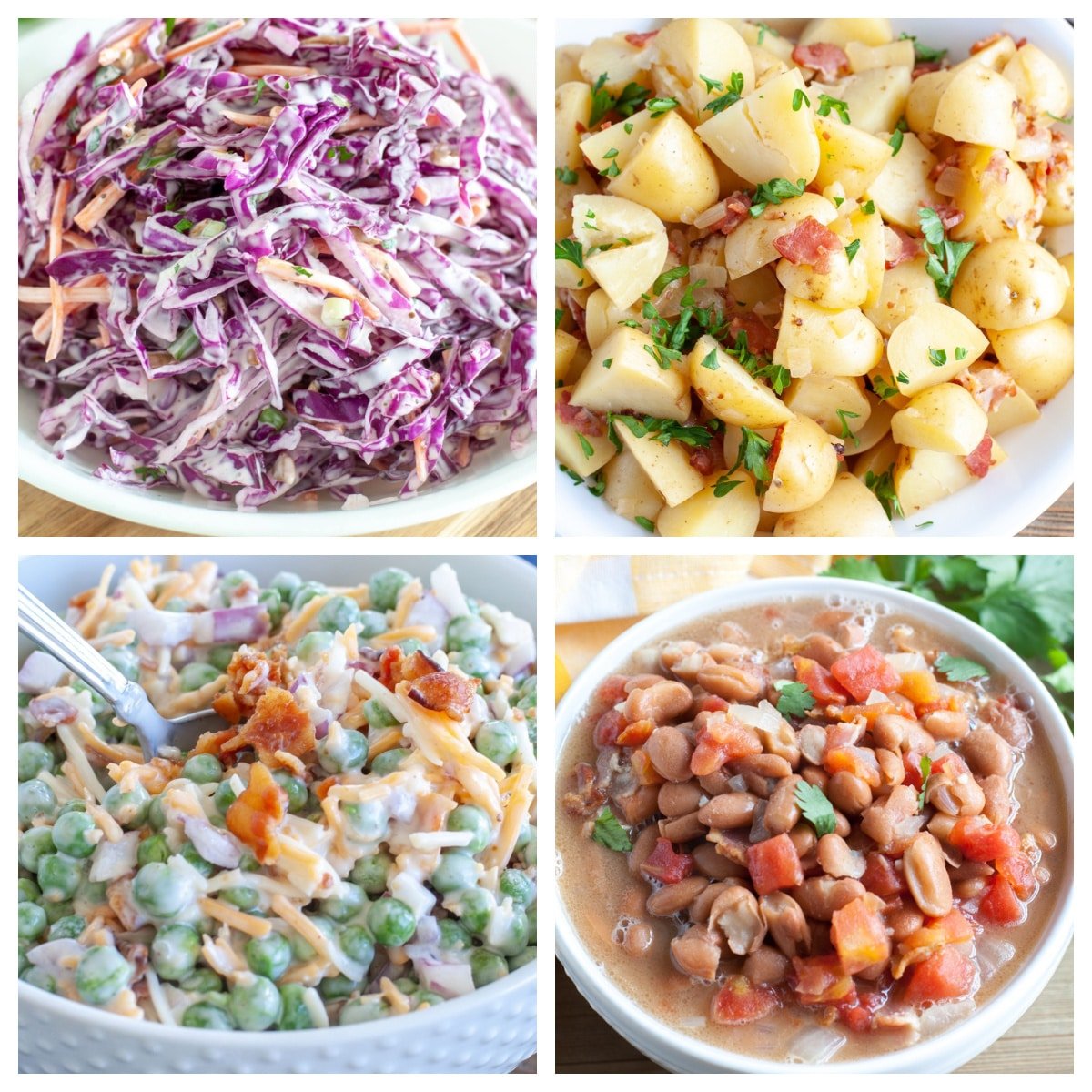
– Creamy Coleslaw
– Baked Beans
– Corn Pudding
– Scalloped Potatoes
– Mac & Cheese
– Brussels Sprouts
– Grilled Potato Skins
– Corn on the Cob
– Elote (Mexican Street Corn)
– Dinner Rolls
– Microwaved Asparagus with Lemon and Pepper or Browned Butter
– Spring Carrots Flavored with Broth, Vinegar, and Brown Sugar
– Brazilian Tomato Slaw
– Creamed Corn
– Hush Puppies
– Sauteed Radishes
– Potato Latkes
– Roasted Root Vegetables
– Plant-Based Tacos
– Chipotle Roasted Sweet Potatoes
– Collard Greens
– Apple Baked Beans
– Oven-Roasted Red Potatoes and Asparagus
– Creamy Corn Casserole
– Southern Mac and Cheese
– Skillet-Braised Brussels Sprouts with Bacon and Garlic
– Anne’s Amazing Roasted Green Beans
– All-American Loaded Baked Potato Salad
– Grilled Peaches
– Fried Green Tomatoes
– Creamy Broccoli Salad

Continue Reading

What Do Figs Taste Like? A Flavorful Culinary Exploration

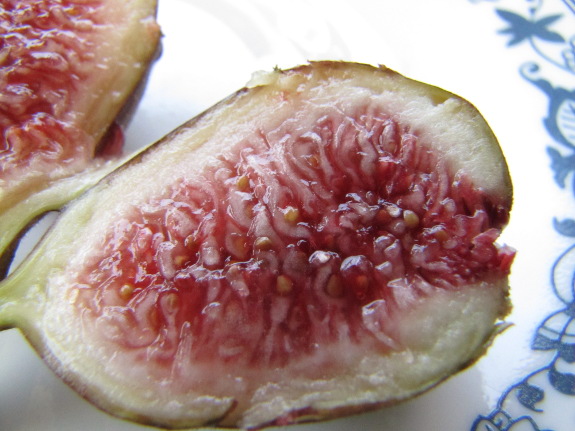
Figs have a base “figgy” flavor similar to dried fruits like raisins, dates, and persimmons. Underripe figs have a melon-like and resinous flavor, which fades as they ripen. Figs also have a fruitiness referred to as “Berry,” ranging from mild fruit punch to stronger flavors like raspberries or currants. Each fig variety has its own unique sugar flavor, such as honey, caramel, or cotton candy. The three most common flavor profiles of figs are Sugar, Honey, and Berry. Some figs have a sugar base with fruity berry flavors, while others have a strong melon and berry flavor. Complex berry figs have strong flavors of raspberry, blackberry, currant, and/or honeyberry. Figs taste sweet and moist, with a jelly-like and pulpy texture. The taste can vary depending on the variety, with some having a nutty or fruity flavor. Figs are highly nutritious, containing natural sugars, soluble fiber, minerals, essential vitamins, and antioxidants. They are particularly high in potassium and provide small amounts of protein and fiber. Figs can act as a natural laxative and help control blood pressure due to their potassium content. However, they should be consumed moderately due to their high sugar content. The best way to eat figs is to pluck and eat them fresh, but they can also be used in various recipes such as fig bruschetta and fig jam. Figs can be eaten raw or dried. Figs can be used to tenderize meat.

Continue Reading

What is hard cheese and why is it popular?

List of pertinent information about ‘what is hard cheese’:

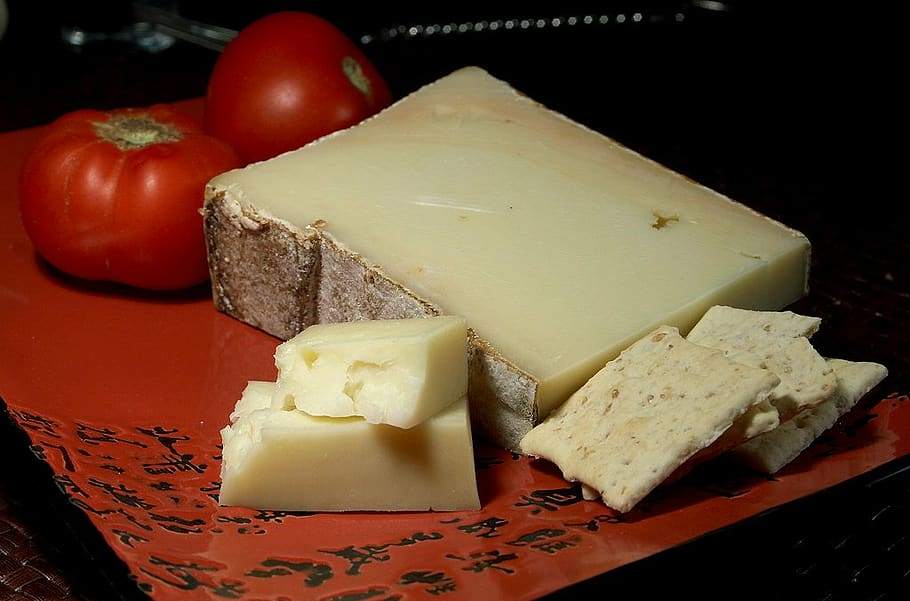
– Hard cheese is a firm type of cheese that can be categorized into hard and semi-hard varieties.
– It is made by separating and draining most of the whey before pressing the curd.
– The curd is then either brined or waxed, and the cheese is aged for two to 36 months, or even longer.
– Aging determines the intensity of the flavor, with well-aged cheese being less creamy and grainier in texture.
– Hard cheeses are dense, savory, and often have strong notes of hazelnut and sautéed butter.
– They are favored for their umami taste and have a mild tang, followed by a sharp and aromatic finish.
– The texture is granular and firm, and the cheese often forms natural salt crystals with age, resulting in a crumbly body.
– Most hard cheeses develop a tough rind that adds flavor when mixed into soups, sauces, and stews.
– Some types of hard cheeses include Parmigiano-Reggiano, Pecorino, Manchego, and Grana Padano.
– Parmigiano-Reggiano is sharp, intense, and full-bodied, aging for at least 12 months.
– Pecorino is slightly milder than Parmigiano-Reggiano and has notes of spice and caramelized butter.
– Manchego is nutty with hints of sweet fruit and spice, made from sheep’s milk.
– Grana Padano is similar to Parmigiano-Reggiano but milder in taste, requiring only 9 months of maturation.

Continue Reading

How long does lemon juice last and why?

– Fresh lemon juice can last up to 4 days in the refrigerator.
– Commercial lemon juice can last up to 12 months.
– Lemon juice can go bad and develop a bad taste and smell over time.
– Lemon juice can grow mold and bacteria if not stored properly.
– Freshly squeezed lemon juice lasts up to 4 days in an airtight container in the refrigerator.
– Commercial lemon juice undergoes pasteurization to extend its shelf life and prevent the growth of microorganisms.
– Consuming spoiled lemon juice can lead to food poisoning.
– Symptoms of food poisoning include chills, nausea, diarrhea, vomiting, cramping, dehydration, stomach aches, and physical weakness.
– Mold is a sign that lemon juice has gone bad.
– The container should also be washed well to remove any bacteria.
– The shelf life of lemon juice depends on how it is stored.
– Fresh squeezed lemon juice can last 3-4 days in the refrigerator in a sealed container.
– Commercial bottled lemon juice, due to pasteurization and added preservatives, can last much longer.
– Unopened bottles can last 3-6 months in the pantry or 6-12 months in the fridge.
– To extend the shelf life of lemon juice, it is best to store it in an airtight container in the refrigerator.
– Canning the juice is another option, as properly canned lemon juice can last for years.
– Freezing lemon juice is also possible, using a freezer-friendly storage container such as ice cube trays for portion control.

Continue Reading

How long do brownies last and stay fresh? Expert tips

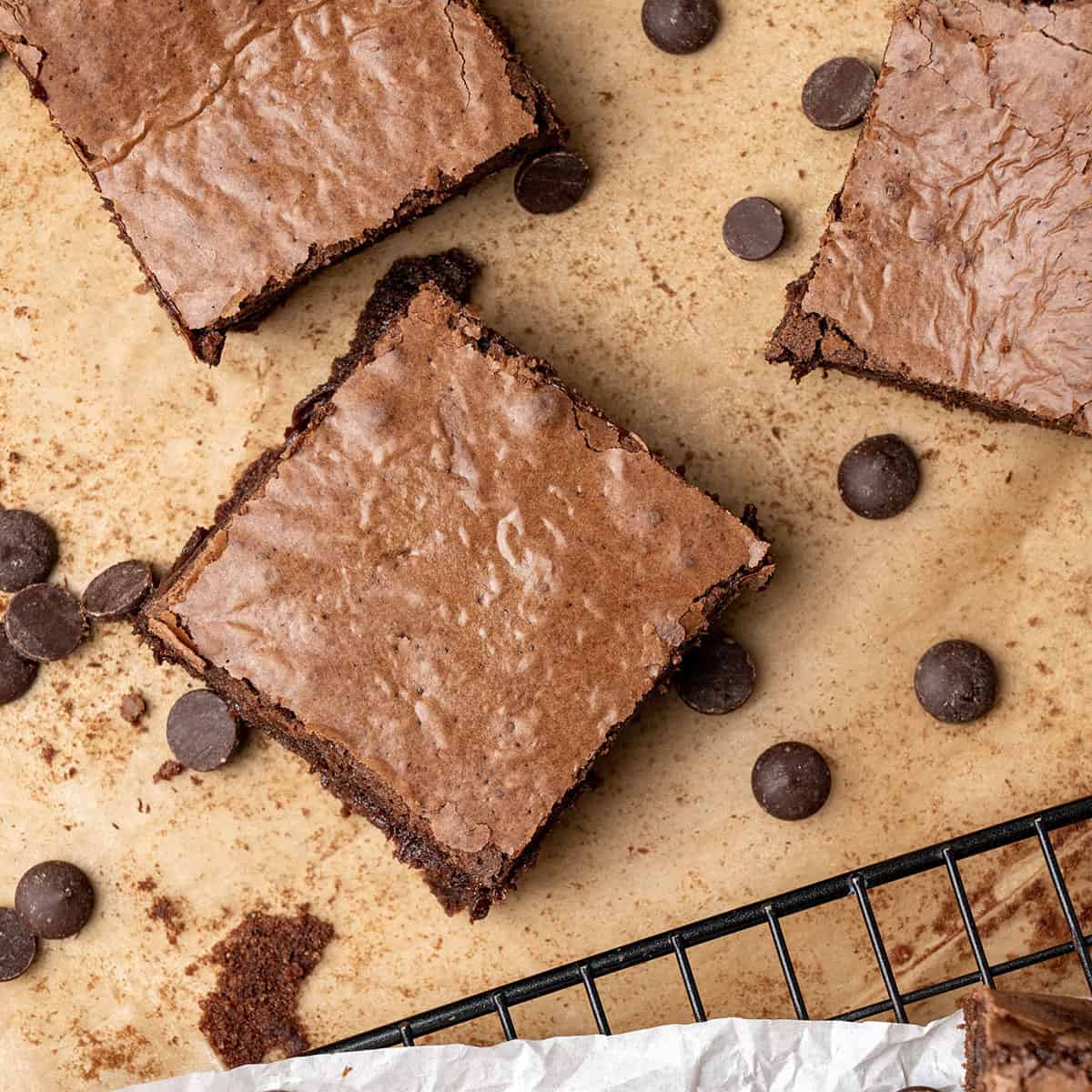
– Brownies can last for about 3 to 4 days at room temperature if stored properly
– Brownies with frosting or filling should be refrigerated and can last for 3 to 4 days in the fridge
– Brownies can be frozen for 4 to 6 months and will remain safe beyond that time
– Brownies that have been kept constantly frozen at 0°F can remain safe indefinitely
– If brownies have an off smell or appearance, or if mold appears, they should be discarded
– Brownies can be stored at room temperature by wrapping them tightly in plastic wrap or foil, or placing them in an airtight container.
– Brownies with perishable toppings or mix-ins should be refrigerated and stored in an airtight container.
– Brownies don’t need to be refrigerated, but they will last a few more days if they are.
– Brownies can be frozen by wrapping them tightly with plastic wrap and aluminum foil, and placing them in an airtight container.
– Individual brownies can be frozen in a zip-top freezer bag.
– A slab of brownies can be frozen by lining the baking pan with parchment paper, baking the brownies as directed, letting them cool, lifting them via the parchment paper, and then wrapping them tightly with plastic wrap and foil before placing them in an airtight, zip-top bag.
– Frozen brownies can be defrosted at room temperature or in the microwave using low power.
– Brownies will last 3 to 4 days in an airtight container at room temperature and up to a week in the refrigerator.
– Brownies will last up to 3 months in the freezer, but their taste and quality may deteriorate over time.
– Unopened boxed brownie mix will last between 12 and 18 months in a cool, dark place.

Continue Reading

How many coffee beans per cup: Unlocking caffeine’s secrets

– The average human-sized cup of coffee takes about 70 coffee beans to make.
– The strength and intensity of a cup of coffee depend on the ratio of beans to water and the size of the grind.
– It is recommended to measure coffee using a coffee scale for accuracy.
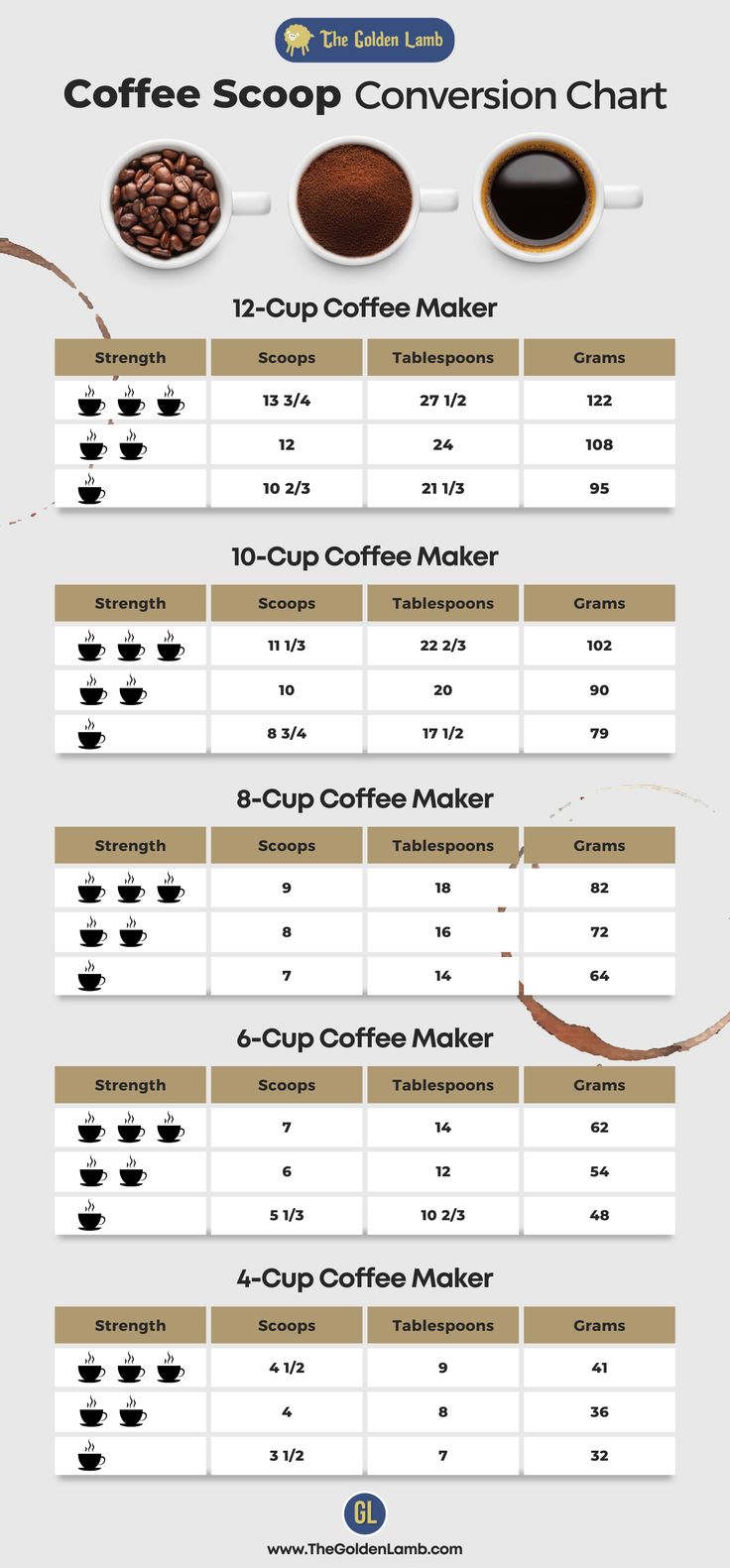
– For one 6-ounce cup of coffee, the ideal amount is generally considered to be 0.38 ounces or 10.6 grams of ground coffee beans (roughly 2 tablespoons).
– If a scale is not available, you can use four tablespoons of coffee beans and then measure out two even tablespoons of ground coffee for each cup required.
– Different beans vary in weight, so adjustments may be needed if using a different variety of beans.
– Some high-tech coffee grinders contain accurate digital scales, such as the Baratza Grinder Sette 270WI which uses Acaia weighing technology.

Continue Reading

Can You Freeze Cranberry Sauce? Learn the Best Tips

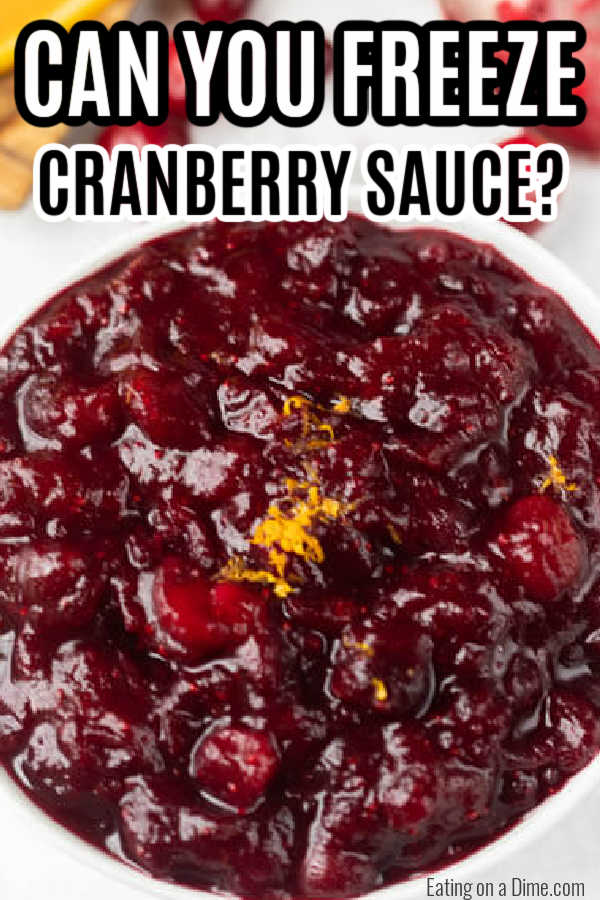
– Cranberry sauce, whether homemade or canned, can be kept in the fridge for about two weeks if stored in a covered container.
– Homemade cranberry sauce can be frozen for up to 3 months, but its taste may be affected if frozen longer.
– Canned cranberry sauce does not freeze or defrost well and becomes more watery in texture.
– To freeze homemade cranberry sauce, let it cool and then pour it into an airtight container or freezer-safe plastic bag. Label it with the freeze date and remove air from the bag before sealing.
– Canned cranberry sauce can be frozen following the same steps, but it should be used within a few weeks of freezing.
– Thaw frozen cranberry sauce in the refrigerator overnight or reheat it on the stove or in the microwave before stirring well and serving.

Continue Reading