Weber Spirit vs Genesis: Uncover the Perfect Grill

Weber Spirit vs Genesis gas grill lines are compared in the article. The Weber Spirit II E-310 is recommended as the best value gas grill without extra features. The Genesis E-335 is suggested as a good option for those willing to pay more for higher quality and extra functionality. The new Genesis lineup in 2022 includes the top-of-the-line Genesis SPX-435 Smart Gas Grill. Key differences between Spirit and Genesis grills include simplicity and price for Spirit grills, while Genesis grills offer a 13,000 BTU searing burner, enclosed cart, more prep areas, more burners, higher BTU numbers, and the option to add Weber CONNECT Smart Technology. The main Spirit II models discussed are the Spirit II E-210 and E-310. The Spirit II E-210 has 450 square inches of cooking space, two burners emitting 26,500 BTUs, GS4 grilling upgrades, an open-cart design, and two side tables. The Spirit II E-310 has three stainless steel burners emitting 30,000 BTUs, 529 square inches of cooking space, and reversible porcelain-enameled cast-iron cooking grates. The Weber Genesis line offers more models starting with the three-burner E-325 and features like an extra-large searing zone, expandable top cook grate, and extra large prep tables. The article also mentions the option to add accessories from the Weber Crafted Outdoor Kitchen Collection. The Genesis grills have different naming conventions based on features and fuel type, with the first number indicating the number of burners. The article discusses the basic Genesis model, the E-325s, which has three burners and a dedicated sear-zone burner. The comparison also includes the Genesis EX-325S, E-335, E-435, and Summit line models with more quality and versatility. The article mentions iGrill, Weber’s Bluetooth meat thermometer, which can be mounted on a grill and connected to a smartphone app for temperature monitoring. The Weber Spirit and Genesis grills are popular choices for gas grills, with the Spirit line offering more affordable and smaller models, while the Genesis line offers larger grills with advanced features for slightly higher prices. The choice between the two depends on budget and the number of people to be served.

Continue Reading

Sheep vs Lamb vs Goat: Understanding Their Differences

List:
1. Sheep
2. Lambs
3. Goats
4. Animal family Bovidae
5. Subfamily Caprinae
6. Genus Capra
7. Genus Ovis
8. Mouflons
9. Wool
10. Leather
11. Meat
12. Red meat
13. Hogget/mutton
14. Delicacy
15. Middle East
16. Cholesterol levels
17. Iron
18. Potassium
19. Colors of goat meat
20. Goatskin
21. Lambskin
22. Goat leather
23. Lamb leather
24. Marbling of fat
25. Insulation
26. Immunity
27. Saturated fats
28. Flavor
29. Texture
30. Aged goat
31. Sweeter flavor
32. Gamey flavor
33. Gamier flavor
34. Human history

Continue Reading

Comparing Mei Fun vs Chow Fun: A Gustatory Journey

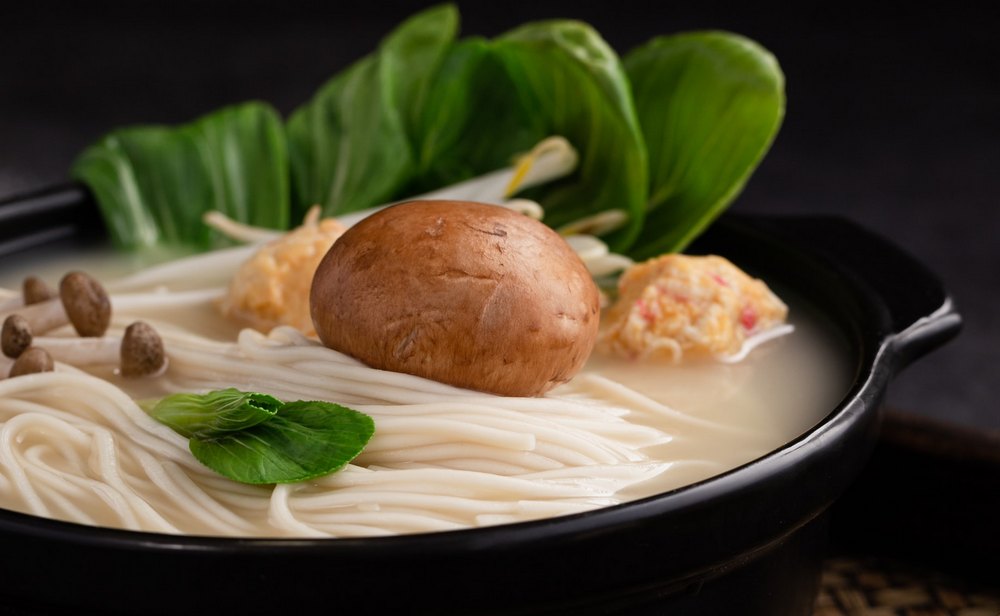
– Chow Fun and Mei Fun are Chinese noodle dishes.
– The key difference between the two is the thickness of the noodles.
– Chow Fun has wide and thick noodles, while Mei Fun has thin noodles similar to vermicelli.
– Chow Fun is better for stir-fries, while Mei Fun is more delicate and best in soups and salads.
– Chow Fun is a flat rice noodle dish native to Guangdong and is a staple of Cantonese cuisine.
– There are two types of Chow Fun: dry (with mung bean sprouts) and wet (with vegetables and a sauce).
– Beef is the most common protein choice for Chow Fun.
– To make Chow Fun, you need a high-heat wok or deep skillet, high-heat oil, and Chow Fun noodles.
– Other ingredients, including choice of protein and vegetables, are flexible and versatile.
– Mei Fun can be made with a variety of proteins and vegetables.
– Popular versions of Mei Fun include traditional Mei Fun, Singapore noodles, and local styles.
– Mei Fun is typically a dry stir fry dish.
– Both dishes originated from China, but from different provinces.
– Both dishes can include various proteins such as beef, chicken, pork, or tofu.
– Common vegetables for Chow Fun include green beans, bok choy, mung bean sprouts, cabbage, sugar snap peas, broccoli, onions, and green onions.
– Mei Fun can be sweet and spicy, and uses a wider variety of vegetables.
– The healthiness of both noodles depends on what you cook them in, such as sauces and oils.
– Lo mein noodles are made from wheat and eggs, making them higher in carbs and fats compared to rice noodles.

Continue Reading

Sushi Roll vs Hand Roll: Unveiling the Delicious Differences

List of Pertinent Information about Sushi Roll vs Hand Roll:

– Sushi originated in ancient China and spread to Japan.
– Sushi translates to “sour” or “sour-tasting” in Japanese.
– The first type of sushi was called nare-zushi or “aged-sushi.”
– Maki rolls are cut into bite-size pieces, while temaki are hand rolls.
– Cut sushi rolls are also known as makimono, makizushi, or norimaki.
– Makizushi is made by layering nori, seasoned sushi rice, and fresh fish and/or vegetables.
– Makizushi can be thin (hosomaki) or thick (futomaki) rolls.
– Sushi restaurants offer classic, regular, and specialty rolls.
– Hand rolls are not cut into bite-size pieces and are eaten with hands.
– Hand rolls are made with a bed of seasoned sushi rice and various ingredients wrapped in nori.
– Hand rolls are less popular than sushi rolls but are growing in popularity.
– Hand roll restaurants include KazuNori and Temakira.
– Popular hand roll fillings include baked salmon skin, spicy tuna, salmon avocado, and blue crab.
– Sushi rolls are made with sushi rice and wrapped in nori seaweed.
– Sushi rolls can have various fillings like fish, shellfish, veggies, and cream cheese.
– Sushi rolls are typically eaten with chopsticks.
– Hand rolls are similar to tacos and are made with a folded sheet of nori.
– To make sushi rolls, a bamboo mat with plastic wrap is used.
– To make hand rolls, a large, cone-shaped piece of seaweed is used.
– Hand rolls should be eaten immediately after rolling.
– Nigiri, maki, uni sushi, temaki sushi, and chirashi are other types of sushi.

Continue Reading

Funnel cake vs elephant ear: Delightful fried treats deconstructed

– Funnel cakes and elephant ears are popular sweet treats found at carnivals and fairs
– Funnel cakes have a lacy, pretzel-like appearance with overlapping pieces, while elephant ears are a single, bubble-filled blob
– The differences between the two treats include their ingredients, how they are made, and the tools used to make them
– Elephant ears and funnel cakes are popular fair foods
– Elephant ears are more commonly found in the Midwest, while funnel cakes are more widespread
– Funnel cakes are made from a pancake or waffle batter, while elephant ears are made from sweet pastry dough
– The original topping for elephant ears is cinnamon and sugar, while powdered sugar is used for funnel cakes
– There will be no elephant ears at the County Fair Chicago event, but there will be corn dogs, funnel cakes, lemon shake-ups, and cotton candy served by Bo’s Concessions.

Continue Reading

Chimichanga vs Enchilada: Unraveling the Delicious Differences Explained!

– Enchiladas are a classic Mexican cuisine entrée made with soft corn tortillas rolled around filling ingredients, smothered in a spicy tomato-based chili pepper sauce, and baked in the oven.
– The sauce is a defining characteristic of an enchilada, which stems from the Spanish word “enchilar” meaning “to season with chili.”
– Ingredients in an enchilada typically include a corn tortilla wrap, meat fillings, tomato-based chili sauce, cheese, and garnishes such as green onions, cilantro, sour cream, guacamole, and fresh salsa.
– Authentic enchiladas are made with soft corn tortillas.
– Enchiladas are typically eaten with a fork and knife and are served with rice and beans.
– Enchiladas are not considered healthy due to their high calories, saturated fat, and refined carbohydrates. A plate of beef enchiladas at a restaurant can have anywhere from 600 to 1,200 calories.
– Enchiladas can be made healthier by reducing oil, using chicken or beans instead of beef, skipping cheese, and pairing with lighter sides like salads and salsa.
– Chimichangas are deep-fried Mexican dishes that typically contain meat, cheese, and vegetables.
– Common fillings for chimichangas include shredded chicken, ground beef, pork, refried beans, sautéed peppers and onions, and various cheeses.
– Chimichangas are always deep-fried, but can be made healthier by baking or air frying them instead.
– Chimichangas are typically served on a plate and topped with garnishes such as sour cream, guacamole, and salsa.
– Chimichangas are considered unhealthy, with a typical restaurant chimichanga containing around 800 calories, over 30 grams of fat, nearly 80 grams of carbs, and almost 2,000 milligrams of sodium.
– To make a healthier chimichanga, one can use a large flour tortilla, lean chicken or vegetarian options for the filling, and bake or air fry instead of deep frying.
– Enchiladas are traditionally made with corn tortillas, while chimichangas are made from white flour or whole wheat tortillas.
– Enchiladas have minimal fillings, usually meat (beef or chicken), and can be made vegetarian. Chimichanga fillings vary and include a mixture of meat (beef or chicken), beans, veggies, and cheese.
– Enchiladas are baked in an oven, while chimichangas are deep-fried.
– An enchilada is usually soft and eaten with a fork, while a chimichanga is a crispy deep-fried burrito.

Continue Reading

Lychee vs Rambutan: Unraveling the Exotic Delights

– Rambutan and lychee are both sweet, exotic fruits from Southeast Asia.
– Rambutan has a dark crimson skin covered in soft hairs and a sweet, creamy flesh.
– It is grown in Southeast Asia, Thailand, Vietnam, and Central America, as well as some parts of the US.
– Rambutan tastes similar to grapes, with a slightly sour flavor.
– It is considered a “superfood” due to its high levels of antioxidants and is rich in vitamins and nutrients.
– Rambutan can be eaten raw and used in fruit salads, smoothies, and cooked dishes.
– Lychee is another fruit from the same family as rambutan, with a pinkish-red skin and firm, juicy flesh.
– It is native to Southeast Asia and grows on trees up to 100 feet tall.
– Lychee is commonly eaten raw or used in smoothies, drinks, and salads.
– It is cultivated in various countries including China, Thailand, Vietnam, India, Brazil, the Caribbean, Australia, California, and Florida.
– Lychee is also known as litchi or lichi and sometimes referred to as “alligator strawberry” due to its bumpy, reddish-pink skin.
– Lychee has a sweet and slightly floral flavor, often compared to pineapple, grapes, and strawberries.
– It is high in vitamins and minerals, including iron, copper, manganese, phosphorus, and magnesium.
– The flesh of lychee should be eaten, while the skin and seeds should be avoided due to toxins.
– Lychee is commonly used in sweet treats, smoothies, juices, and desserts.
– Rambutan is another popular tropical fruit that grows in Southeast Asia.
– It shares similarities with lychee in terms of sweetness and acidity, as well as being high in vitamins and antioxidants.
– Rambutan has hairy skin ranging from yellow-orange to crimson red.
– Rambutan is creamier and sweeter compared to lychee, often likened to a sweet and slightly tart grape.
– Rambutan is lower in calories and sugar than lychee.
– Lychee has bumpy skin, while rambutan is hairy.
– Lychee is crisp and tart, while rambutan is sweet, fruity, slightly acidic, and mildly tart.
– Rambutan is also known as “hairy lychee” due to its hairy appearance.
– Rambutan and lychee are similar fruits but have notable differences in appearance, texture, and taste.

Continue Reading