Are Paper Plates Microwave Safe? A Comprehensive Guide

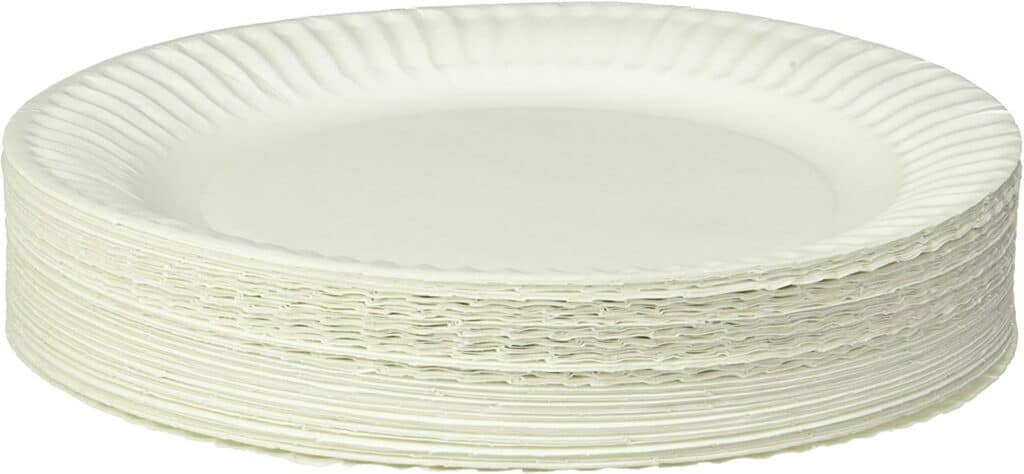
– Most paper plates are safe to heat up in the microwave, according to the USDA.
– However, not all paper plates are made equal, so it is important to check if they have a microwave-safe label.
– Paper plates with a decorative sheen could be coated in a thin layer of plastic, which may not react well in the microwave.
– Plain white paper plates are generally the safest option, while printed or glossy materials should be avoided.
– Other paper products like napkins, towels, and parchment paper are also safe to heat in the microwave.
– It is advised to steer clear of paper products like newspaper or brown paper bags, especially if there is any metal involved.

Continue Reading

Lamb vs Mutton: Understanding the Key Differences

– Mutton, lamb, hogget, and sheep meat are terms used to describe the meat of domestic sheep.
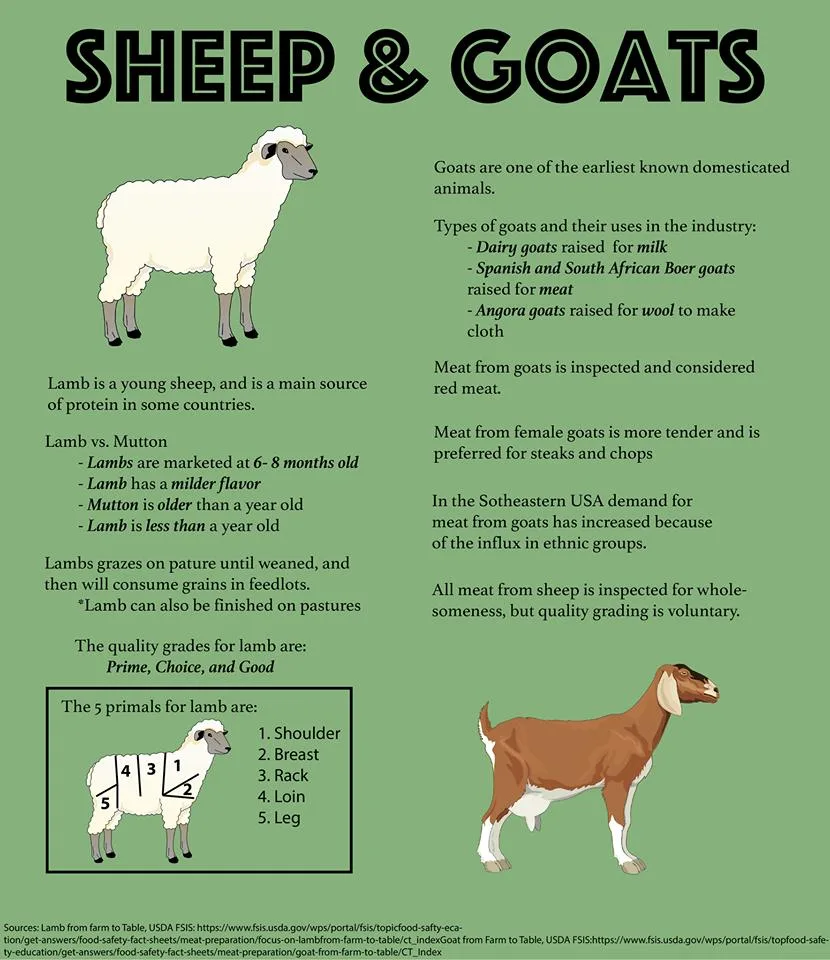
– A lamb is a sheep in its first year and its meat is called lamb.
– Hogget refers to the meat from sheep in their second year, while mutton is the meat from older sheep.
– The terms hogget and sheep meat are not commonly used outside of certain countries.
– In South Asia and the Caribbean, the term “mutton” often refers to goat meat.
– Lamb is the most expensive of the three types of sheep meat.
– Mutton is harder to find in many areas.
– In some countries, such as Australia, the term “prime lamb” is used to refer to lambs raised for meat.
– The definitions for lamb, hogget, and mutton vary between countries.
– Younger lambs are smaller and more tender, while mutton comes from sheep over two years old.
– In the UK, “hogget” refers to animals that are 11 to 24 months old, while Australian butchers use the term for animals that are 13 to 24 months old.
– “Hogget” is still used in farming and specialty butcher usage but is rare in British, Australian, and New Zealand supermarkets.
– “Mutton” refers to the meat of a female or castrated male sheep with more than two permanent incisors in wear.
– In the US, mutton consumption has declined since World War II and most sheep meat comes from animals between 12 and 14 months old, labeled as “lamb.”
– USDA grades for lamb consider factors other than age.
– “Spring lamb” is slaughtered between March and October, according to USDA definition.
– In the Indian subcontinent, the term “mutton” is used for goat meat.
– Goat population has been increasing, and over a third of the goat population is slaughtered and sold as “mutton” each year.
– Domestic sheep population in India has been declining, mainly used for wool production.
– “Milk-fed lamb” refers to meat from an unweaned lamb, typically 4-6 weeks old, weighing 5.5-8 kg.
– Salt marsh lamb is the meat of sheep that graze on salt marshes, with different plants depending on the location.
– Salt marsh lamb is popular in France and growing in popularity in the United Kingdom.
– Saltgrass lamb is a type of lamb exclusive to Flinders Island in Tasmania.
– Lamb meat is taken from sheep between one month and one year old.
– Mutton and hogget have a stronger flavor and higher concentration of fatty acids compared to lamb.
– Mutton and hogget tend to be tougher and are better suited for slow cooking methods.
– Lamb can be sorted into three kinds of meat: forequarter, loin, and hindquarter.
– Lamb chops are cut from the rib, loin, and shoulder areas.
– Shoulder chops are considered inferior to loin chops and are usually grilled.
– Leg of lamb and saddle of lamb are usually roasted.
– Forequarter meat contains more connective tissue and is best cooked slowly using moist methods like braising or stewing.
– The popularity of lamb and mutton varies by region, with mutton being common in Middle Eastern, Indian, Mongolian, and South American cuisines, while lamb is preferred in Australia, Europe, New Zealand, and Canada.
– Many Americans do not like lamb because they have actually been sold mutton.
– The production of lamb emits more greenhouse gases per gram of protein than other common foods, except for beef.
– Lamb has a lighter, pink color when raw, while mutton has a deep, dark red hue.
– Raw lamb meat has a sweet and fresh smell, while raw mutton meat has a pungent and gamey scent.
– Lamb cuts like Lamb Rib Chops and Rack of Lamb can be expensive, ranging from $18 to $40 per lb. for good quality organic grass-fed lamb.
– Mutton is cheaper than lamb, with prices ranging from $9 to $12 per lb.
– Mutton and goat meat are sometimes sold as lamb in the US.
– Visual differences between lamb and mutton include color, fat content, size, and rib size.
– Lamb is considered to taste better than mutton, with a softer texture and mouthfeel.

Continue Reading

Substitute for Heavy Cream in Pasta: Healthy and Delicious Alternatives

Substitutes for Heavy Cream in Pasta Sauces:

1. Half and Half – An equal blend of whole milk and cream.
2. Whole Milk – Contains 3.5% fat and can be used as a substitute.
3. Greek Yogurt – Use 3/4 cup of Greek yogurt for every 1 1/2 cups of heavy cream.
4. Evaporated Milk – Lower in water content compared to regular milk. Use 1 cup of evaporated milk for every 1 cup of heavy cream.
5. Coconut Milk – Dairy-free alternative with a creamy texture. Use as a 1:1 substitute for heavy cream.
6. Soy Milk – Dairy-free alternative with a similar consistency to whole milk.
7. Cashew Cream – Vegan alternative made by blending soaked cashews with water until smooth and creamy. Use as a 1:1 substitute for heavy cream.
8. Almond Milk – Dairy-free alternative with a thin consistency. Can be used as a lower-calorie option in pasta sauces.
9. Buttermilk – Has a tangy flavor that may alter the taste of the sauce. Use in moderation and adjust other ingredients accordingly.
10. Cream Cheese – Thick and creamy consistency, but may add a slightly tangy flavor to the sauce. Use in moderation and adjust other ingredients accordingly.
11. Cottage Cheese – Can be blended until smooth and used as a substitute for heavy cream. Adds a subtle tangy flavor to the sauce. Use in moderation and adjust other ingredients accordingly.
12. Mascarpone – Rich and creamy Italian cheese that can be used as a substitute for heavy cream in pasta sauces. Similar texture and flavor, but may be more expensive and harder to find.
13. Silken Tofu – Blend until smooth and use as a substitute for heavy cream in certain pasta sauces. Creamy texture, but may not provide the same richness as heavy cream. Can be used as a vegan alternative.

Other Tips and Substitutions:
– Use low-fat milk and butter together, with the butter adding fat to the milk.
– Combine milk and cornstarch to thicken a pasta sauce if only low-fat milk is available.
– Crème fraîche or sour cream can be used as substitutes for heavy cream, with crème fraîche having a slightly soured taste.
– Mascarpone needs to be thinned out with water or milk due to its thick consistency.
– Cream cheese and cottage cheese can be used as creamy substitutes for heavy cream, but adjust other ingredients accordingly.
– Experiment with these substitutes to achieve the desired taste and consistency in your pasta sauces.

Continue Reading

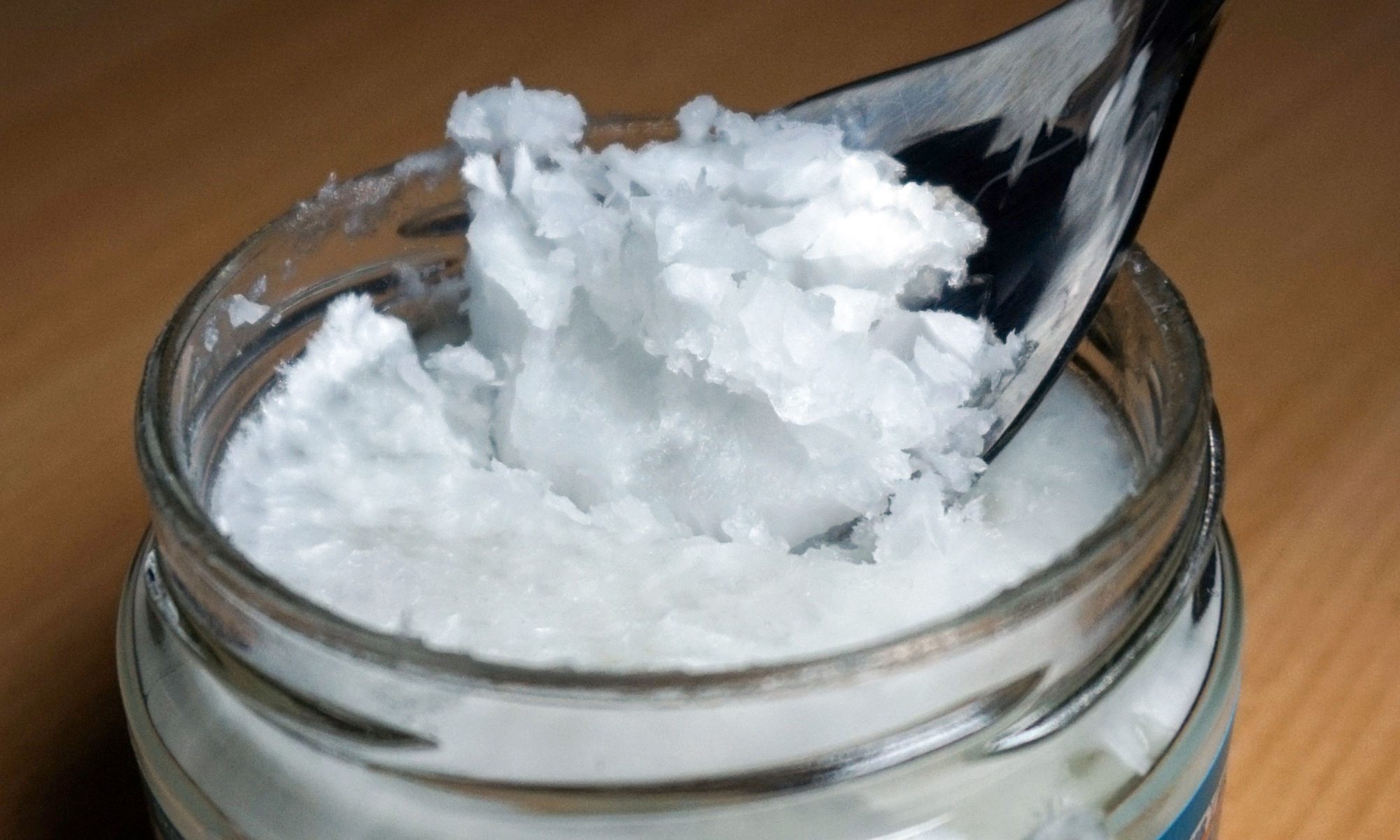
Does Coconut Oil Expire? Learn About Proper Storage

– Coconut oil can stay good for long periods of time due to its high concentration of saturated fat.
– Coconut oil can spoil if it is not stored properly.
– Liquid coconut oil should be stored in a cool place without exposure to light, similar to olive oil.
– Solid coconut oil can also be stored in the fridge.
– Heat, light, and air can contribute to the degradation of coconut oil.
– Even if stored well, coconut oil can still spoil if not used within its shelf life.
– There are signs that can indicate if coconut oil has spoiled.
– Coconut oil has a shelf life of around 3 years when stored properly.
– Unrefined virgin coconut oil has the longest shelf life of up to 3 years.
– Refined coconut oil should be used within 18 months of opening.
– After 12 months, the levels of beneficial fatty acids begin to decrease.
– Coconut oil can go bad if exposed to air and light, causing oxidation and the formation of free radicals.
– Factors that contribute to rancidity include moisture, light, heat, air, metals, bacteria, and other germs.
– To determine if coconut oil has gone bad, one can use their sense of smell.
– The smell of coconut oil can indicate if it is fresh or turning rancid. A strong coconut scent means it is still fresh, while a sour or musty odor could mean it is going bad.
– The appearance of coconut oil should be white or slightly yellow.
– If it is darker, has a strange color, or is cloudy with floating particles, it is likely past its best.
– The texture of fresh coconut oil will be either liquid or solid, depending on storage temperature.
– It should have a thick, glossy texture if liquid and an even texture if solid.
– If it becomes grainy, runny, or curdled, it should be discarded.
– The taste of coconut oil should be slightly sweet and nutty.
– If it tastes sour, bitter, or tasteless, it is time to throw it away.
– Proper storage, such as keeping it tightly sealed, avoiding direct sunlight, and refrigerating it, can help extend the shelf life of coconut oil.
– Coconut oil can last for months or even years if stored properly.
– It is less prone to oxidation, so it is best to keep the oil sealed properly.
– Avoid storing it near heat sources like the cooker or oven.
– Clean utensils should be used to take out the oil to prevent introducing bacteria and food particles.
– It is recommended to buy coconut oil in small batches to avoid it going bad before it is used.

Continue Reading
How do you convert bushels to gallons

A Bushel Is A Unit Of Measure Containing 8 Gallons, 32 Quarts, 64 Pints, Or 128 Cups. There Are 256 Ounces Or 16 Cups In A Bushel. There Are 4 Pecks In A Bushel.

If you’re looking for a way to measure large quantities of food, look no further than the bushel. A bushel is a unit of measure containing 8 gallons, 32 quarts, 64 pints, or 128 cups. That’s a lot of food! And there’s no need to worry about conversions, because there are 4 pecks in a bushel. So next time you’re planning a big event, make sure to use a bushel to get the most accurate measurements.

Continue Reading