Pasilla vs Poblano: Unraveling the Pepper Puzzle A Comparative Culinary Exploration

– Pasilla peppers are dried chilaca peppers that are long, thin, and dark brown or black in color.
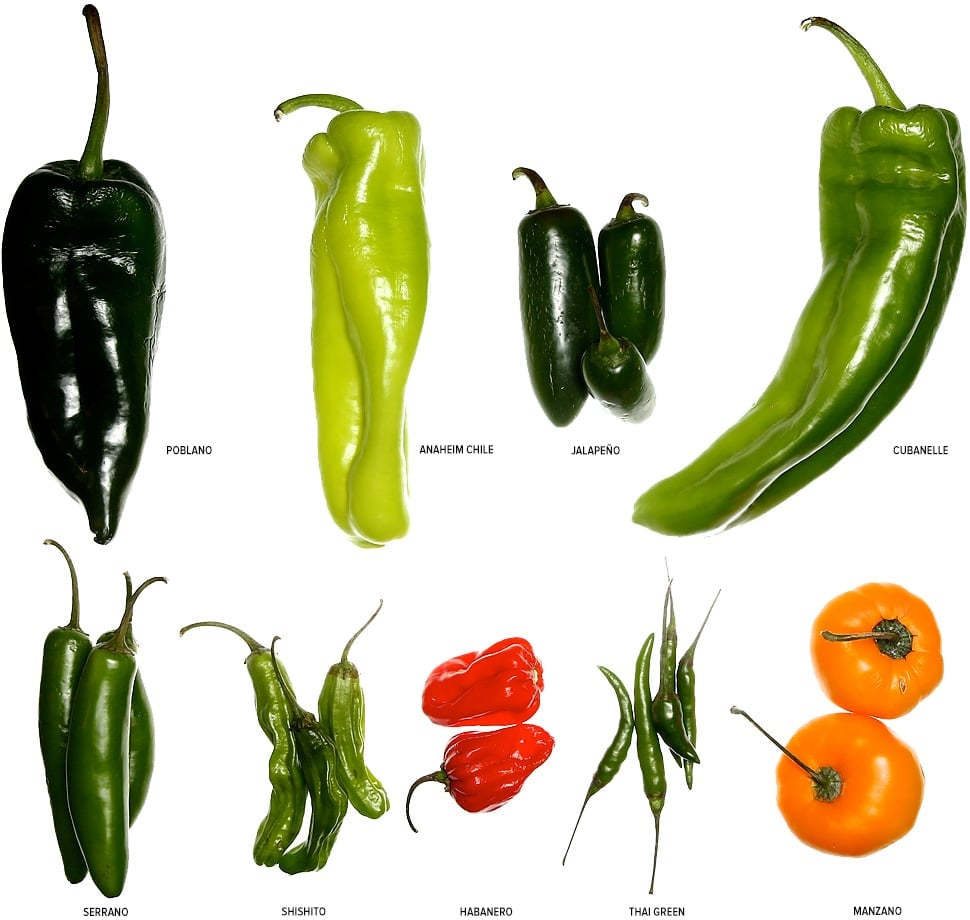
– Poblano peppers are large and heart-shaped, similar to bell peppers. They are typically used fresh and have a mild to medium heat level.
– Dried poblano peppers are called ancho chiles and have a sweeter, smokier flavor than pasilla peppers.
– Pasilla and poblano peppers are sometimes mislabeled or confused with each other at supermarkets.
– Pasilla peppers are native to Mexico and grown in the central and southern regions of the country.
– They are also known as chile negro or chile pasilla, meaning “little raisin” in Spanish.
– Pasilla peppers are long and thin, growing up to 20 cm in length, with a curved shape and a tapered end.
– When fresh, they have a deep green color, but when dried, they turn dark brown or black.
– Pasilla peppers have a rich, smoky flavor with a mild to medium heat level.
– They are less spicy than jalapeño peppers but hotter than bell peppers.
– Pasilla peppers are often used in sauces, stews, soups, and mole sauce.
– They are a staple ingredient in Mexican cuisine and used in enchiladas, tamales, and chiles rellenos.
– Pasilla peppers are low in calories and high in nutrients, including vitamin C.
– Poblano peppers are large, heart-shaped peppers that are mild in heat.
– Poblano peppers are commonly used in Mexican cooking, particularly in the state of Puebla.
– Poblano peppers have a Scoville rating of 1,000 to 1,500.
– They are often used in dishes such as chiles rellenos and mole sauces.
– Substitute options for poblano peppers include bell peppers and Anaheim peppers.
– Both peppers can add depth and complexity to dishes.
– Both pasilla and poblano peppers can be used in soups, sauces, salsas, and stuffing.
– Poblano peppers have a sweet and earthy flavor with a fruity undertone.
– Pasilla peppers have a smoky and meaty flavor with a hint of fruitiness.
– Poblano peppers have a mild heat level, while pasilla peppers have slightly higher heat.
– Poblano peppers have a crunchy texture, while pasilla peppers have a slightly chewy texture.
– Poblano peppers have a bright green color, while pasilla peppers are dark brown or black when dried.
– Pasilla peppers can be substituted for poblano peppers, but adjustments may need to be made due to differences in heat and flavor.
– Dried ancho peppers can be used as a substitute for pasilla peppers.
– Anaheim peppers and bell peppers can be used as substitutes for poblano peppers.
– Heat tolerance varies from person to person.
– When substituting peppers, adjust the amount used based on desired heat level.
– Both pasilla and poblano peppers are used for their flavor rather than their heat in Mexican cuisine.

Continue Reading

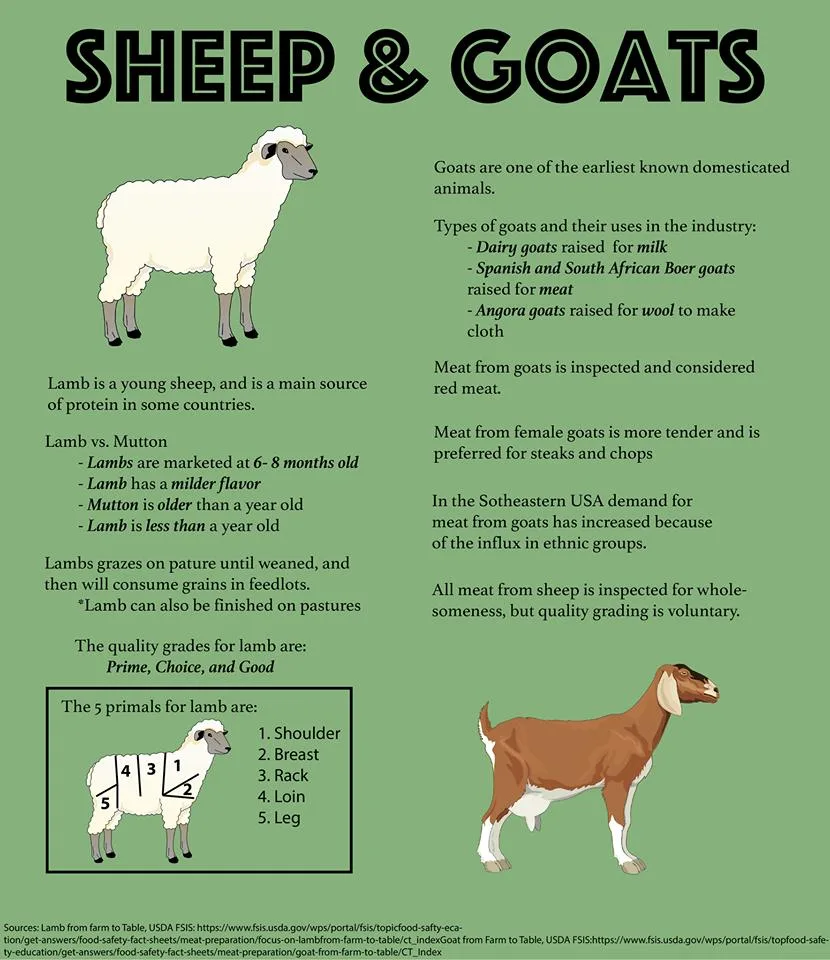
Lamb vs Mutton: Understanding the Key Differences

– Mutton, lamb, hogget, and sheep meat are terms used to describe the meat of domestic sheep.
– A lamb is a sheep in its first year and its meat is called lamb.
– Hogget refers to the meat from sheep in their second year, while mutton is the meat from older sheep.
– The terms hogget and sheep meat are not commonly used outside of certain countries.
– In South Asia and the Caribbean, the term “mutton” often refers to goat meat.
– Lamb is the most expensive of the three types of sheep meat.
– Mutton is harder to find in many areas.
– In some countries, such as Australia, the term “prime lamb” is used to refer to lambs raised for meat.
– The definitions for lamb, hogget, and mutton vary between countries.
– Younger lambs are smaller and more tender, while mutton comes from sheep over two years old.
– In the UK, “hogget” refers to animals that are 11 to 24 months old, while Australian butchers use the term for animals that are 13 to 24 months old.
– “Hogget” is still used in farming and specialty butcher usage but is rare in British, Australian, and New Zealand supermarkets.
– “Mutton” refers to the meat of a female or castrated male sheep with more than two permanent incisors in wear.
– In the US, mutton consumption has declined since World War II and most sheep meat comes from animals between 12 and 14 months old, labeled as “lamb.”
– USDA grades for lamb consider factors other than age.
– “Spring lamb” is slaughtered between March and October, according to USDA definition.
– In the Indian subcontinent, the term “mutton” is used for goat meat.
– Goat population has been increasing, and over a third of the goat population is slaughtered and sold as “mutton” each year.
– Domestic sheep population in India has been declining, mainly used for wool production.
– “Milk-fed lamb” refers to meat from an unweaned lamb, typically 4-6 weeks old, weighing 5.5-8 kg.
– Salt marsh lamb is the meat of sheep that graze on salt marshes, with different plants depending on the location.
– Salt marsh lamb is popular in France and growing in popularity in the United Kingdom.
– Saltgrass lamb is a type of lamb exclusive to Flinders Island in Tasmania.
– Lamb meat is taken from sheep between one month and one year old.
– Mutton and hogget have a stronger flavor and higher concentration of fatty acids compared to lamb.
– Mutton and hogget tend to be tougher and are better suited for slow cooking methods.
– Lamb can be sorted into three kinds of meat: forequarter, loin, and hindquarter.
– Lamb chops are cut from the rib, loin, and shoulder areas.
– Shoulder chops are considered inferior to loin chops and are usually grilled.
– Leg of lamb and saddle of lamb are usually roasted.
– Forequarter meat contains more connective tissue and is best cooked slowly using moist methods like braising or stewing.
– The popularity of lamb and mutton varies by region, with mutton being common in Middle Eastern, Indian, Mongolian, and South American cuisines, while lamb is preferred in Australia, Europe, New Zealand, and Canada.
– Many Americans do not like lamb because they have actually been sold mutton.
– The production of lamb emits more greenhouse gases per gram of protein than other common foods, except for beef.
– Lamb has a lighter, pink color when raw, while mutton has a deep, dark red hue.
– Raw lamb meat has a sweet and fresh smell, while raw mutton meat has a pungent and gamey scent.
– Lamb cuts like Lamb Rib Chops and Rack of Lamb can be expensive, ranging from $18 to $40 per lb. for good quality organic grass-fed lamb.
– Mutton is cheaper than lamb, with prices ranging from $9 to $12 per lb.
– Mutton and goat meat are sometimes sold as lamb in the US.
– Visual differences between lamb and mutton include color, fat content, size, and rib size.
– Lamb is considered to taste better than mutton, with a softer texture and mouthfeel.

Continue Reading

Steelhead Trout vs Salmon: A Battle of the Mighty Fish

– Steelhead trout and salmon are different types of fish, with steelhead trout being a type of trout and salmon being a distinct species.
– Steelhead trout is the anadromous form of rainbow trout, meaning it migrates from freshwater to the ocean and back again to reproduce, while salmon always remains salmon and is also anadromous.
– Both steelhead trout and salmon have orange-pink flesh that looks similar when cooked and can be used and prepared in the same way for most recipes.
– Salmon is typically larger than steelhead trout, with the largest species reaching up to 58 inches and 126 pounds, while steelhead trout grows to be 24 to 45 inches long and reaches a maximum weight of 50 to 55 pounds.
– Both steelhead trout and salmon are high in omega-3 fatty acids, protein, vitamin B12, and vitamin D, but steelhead trout is considered to be even healthier because it contains additional omega-6 fatty acids and vitamins.
– Steelhead trout has lower levels of mercury compared to salmon and can be eaten twice a week, while salmon can be eaten every day but in smaller servings or a total of 8 ounces per week.
– Steelhead trout is generally less expensive than salmon due to limited stock and difficulty in catching certain species.
– Steelhead trout has a milder flavor compared to salmon, with a more delicate taste resembling a combination of trout and salmon.
– Both steelhead trout and salmon have a flaky and tender texture.
– Steelhead trout can be found in freshwater streams, estuaries, and offshore waters of the Pacific Ocean, while salmon is found in freshwater rivers and estuaries before migrating into the ocean. Steelhead is more tolerant of warmer water temperatures and can inhabit rivers and streams that may not be suitable for other salmon species.
– Steelhead trout is generally larger, with an average weight of 8 to 11 lbs, while salmon has an average weight of 4 to 8 lbs.
– Steelhead trout has a more silvery and less spotted body, while salmon has a silver and metallic blue color.
– Steelhead trout is available year-round, while salmon is available during specific seasons when they migrate to their spawning grounds.
– Salmon is slightly higher in fat compared to steelhead, with farmed salmon having higher fat content than wild salmon.
– Steelhead trout has a milder and more delicate flavor, while salmon is richer and oilier. Steelhead has a firm texture, while salmon feels more buttery.
– Both steelhead trout and salmon can be cooked using various methods such as grilling, broiling, baking, pan-searing, or poaching, with steelhead requiring gentler cooking methods to prevent drying.
– Steelhead trout is generally less expensive than salmon due to its popularity and demand, as well as the limited stock and difficulty in catching certain species.
– Steelhead trout tends to live longer than most salmon species, with a lifespan of 4 to 6 years compared to salmon’s lifespan of 2 to 7 years.

Continue Reading