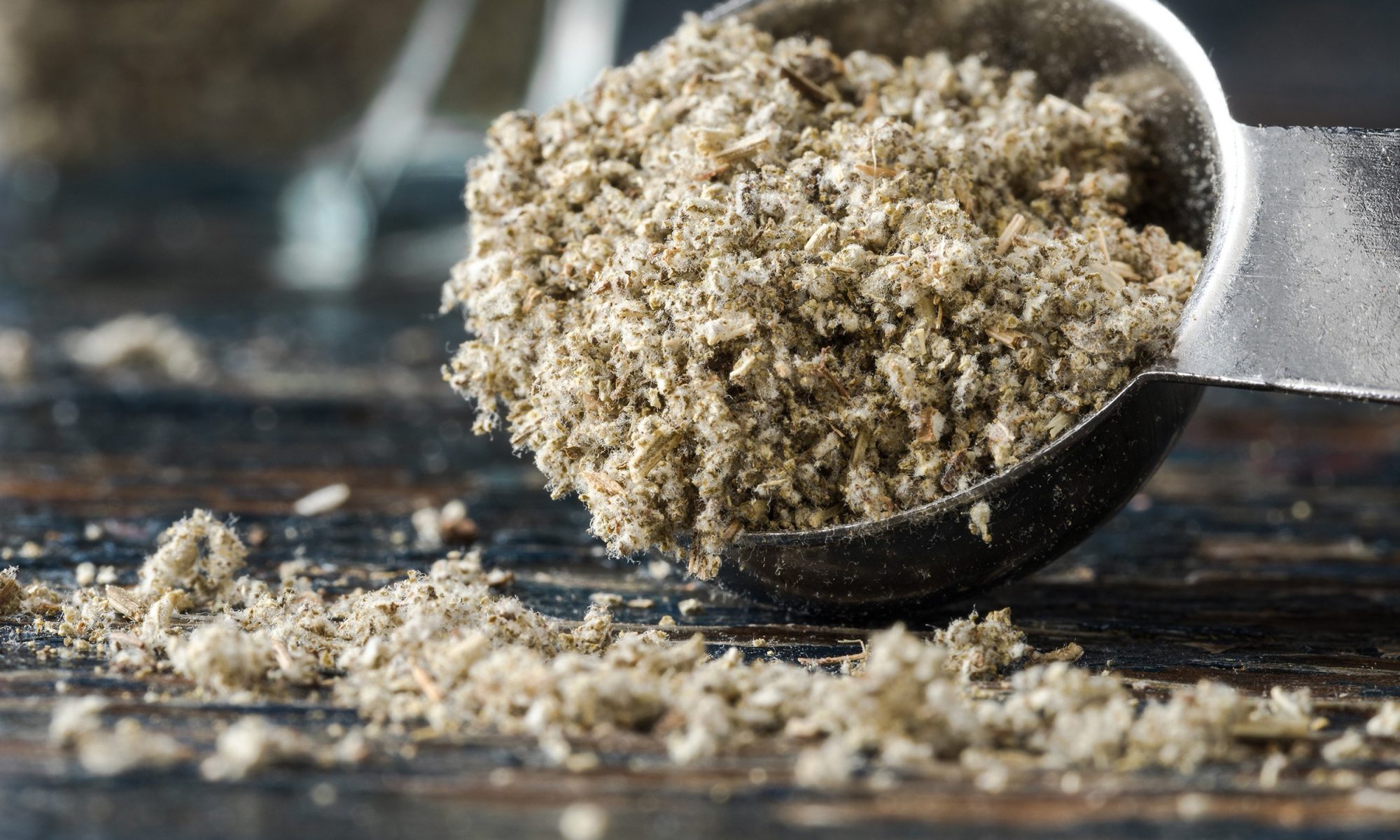
Does Almond Flour Go Bad? Learn Proper Storage

– Almond flour is a popular gluten-free flour with impressive nutrition stats
– When sealed, almond flour can last 1-2 months past its best-by date in the pantry
– Sealed almond flour in the fridge or freezer can last 6-12 months past the best-by date
– Opened almond flour should be used by the printed date on the package in the pantry
– Opened almond flour in the fridge or freezer can last 3-6 months
– Some sources suggest that tightly sealed opened almond flour can last 6-12 months in the freezer
– It is best to taste and smell almond flour after 6-12 months in the freezer to determine freshness
– The article discusses the topic of whether almond flour can go bad.
– It states that there is no absolute date when almond flour goes bad, but rather an estimation of how long it will stay fresh.
– To determine if almond flour has gone bad, one should look for signs such as a musty, sour, or unusual smell, the presence of bugs, wet clumps, or mold, and a taste that is “off” compared to fresh almond flour.
– Eating almond flour that has gone bad may result in an upset stomach, but serious illness is unlikely.
– To preserve the freshness and prolong the shelf life of almond flour, it is recommended to store it in the fridge or freezer, tightly sealed, away from direct sunlight or intense heat.
– Almond flour can be used past its expiration date if properly stored.
– Signs of almond flour going bad include a musty, sour, or unusual smell, the presence of bugs, wet clumps, or mold, and an off taste.
– Consuming almond flour after it has gone bad may result in an upset stomach but is unlikely to cause serious illness.

Continue Reading

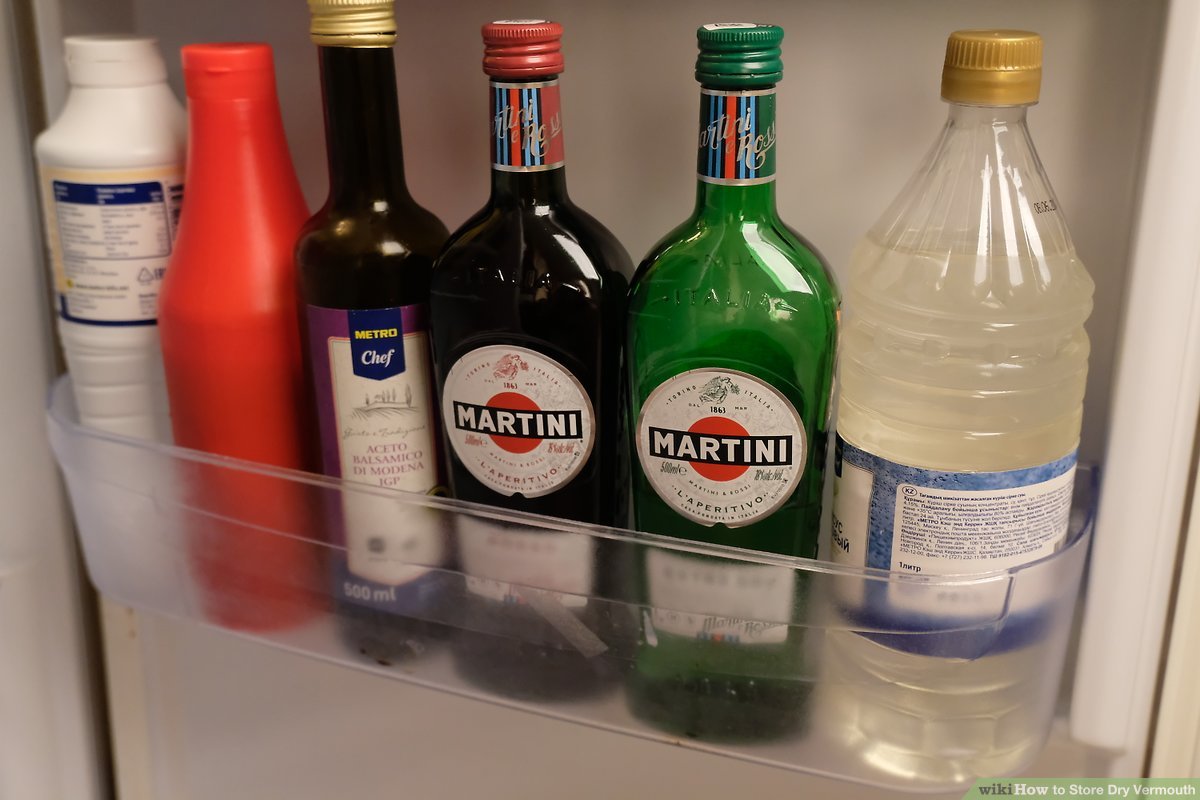
How Long Does Vermouth Last and Proper Storage

– Vermouth typically has an alcohol by volume (ABV) of 16-22%.
– Once opened, the shelf life of vermouth begins to slowly count down.
– Vermouth is a blend of wine and botanicals, with wormwood being a standard ingredient.
– Vermouth can be consumed as an aperitif or mixed into cocktails.
– The history of vermouth dates back to Ancient Greece, where it was originally created for medicinal purposes.
– Monks later continued the production and spread of vermouth making across Europe.
– Vermouth is an essential ingredient in cocktails such as Manhattans, martinis, and Negronis.
– Vermouth can also be enjoyed on its own or mixed with soda water.
– Vermouth is an aromatized wine that gets its flavor from botanicals, herbs, spices, and other ingredients.
– Vermouth is fortified with distilled alcohol, making it last longer than regular wine.
– Proper storage is crucial to keep vermouth fresh and maintain its flavor.
– Using vermouth that has gone off in a cocktail will result in a sub-par drink.
– There are tips available for keeping both dry and sweet vermouth at its best.

Continue Reading

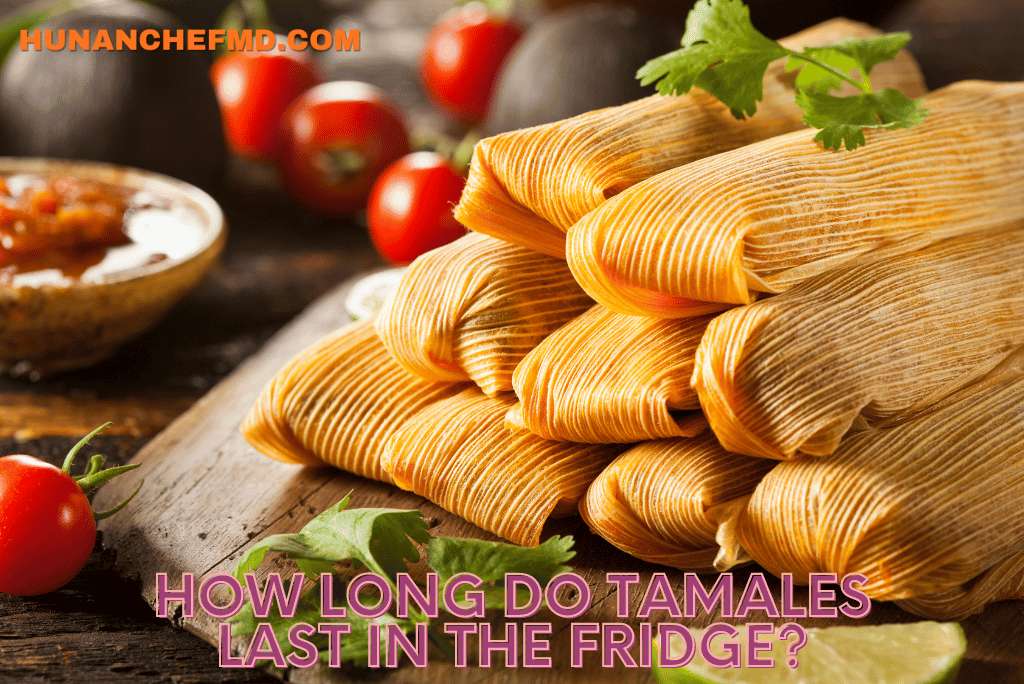
How Long Do Tamales Last in the Fridge? Essential Storage Tips for Fresh Delights

– Leftover tamales can be safely stored in the freezer
– Raw tamales, if properly packaged, can also be stored in the freezer for about 6 months
– Tamales that have gone bad will have a different texture and a sour smell
– When thawing frozen tamales, it is recommended to do so in the refrigerator
– The recommended time for tamales to stay fresh in the freezer is 6 months
– Cooked tamales in the refrigerator last for 1 week
– Cooked and raw tamales frozen can last up to 6 months
– Raw tamales will remain fresh in the fridge for about 3 to 4 days
– Vegan and vegetarian tamales generally have a longer shelf life than meat-filled tamales
– It is important to prevent freezer burn when freezing tamales
– Tamales can be wrapped in plastic wrap and placed in a plastic bag or airtight container for freezing
– Frozen tamales can stay fresh in the freezer for about 6 months
– Tamales should be cooked within the next day or so for optimal freshness

Continue Reading

Does Ghee Go Bad? Shelf Life, Storage Tips

– Ghee does not go bad easily and can last for a couple of years if stored in stable temperatures.
– Rancid ghee has a distinct odor, sour taste, and is often stark white in color.
– If the ghee smells off, has mold or discoloration, or the quality is not good enough, it should be thrown out.
– Old ghee can be used as an eye makeup remover, hair oil, or skin moisturizer.
– Ghee does not contain milk solids and has very little moisture in it, which helps prevent spoilage. Ghee does not require refrigeration and can be stored in the pantry. However, storing it in the fridge can help it retain quality for a longer period of time.
– Ghee typically has a shelf life of one to two years when unopened.
– Once opened, ghee should be used within 6 months for best quality.
– Ghee does not go bad immediately after the best-by or use-by date on the label.
– The quality of ghee gradually degrades over time.
– Ghee can be used for months after the best-by date if it is still safe to eat.
– Storing ghee in the fridge is better for long-term storage compared to the pantry.
– Ghee can be stored in the freezer indefinitely but may slowly lose quality over time.
– Different manufacturers have different suggestions for how long ghee should be used after opening.
– Ghee will last longer if stored properly.

Continue Reading

Does Triple Sec Go Bad? The Secrets Unveiled!

– Triple sec is an orange-flavored liquor made from the distillation process of wine
– Once opened, triple sec will start to lose its flavor and aroma
– Triple sec lasts for at least six months
– Triple sec should be kept in the refrigerator to maintain its flavor
– Triple sec can become stale if exposed to light, heat, and air
– Triple sec bottles typically have a “Best Before” date indicating that the product has been stored for at least six months
– Spoiled triple sec may not have a “Best Before” date or may have a brownish yellow color due to oxidation and the presence of mold
– Triple sec can become difficult to drink if it spoils
– If triple sec smells like vinegar, it means the alcohol level is low and it has been exposed to air for a long time
– A bitter taste in triple sec indicates spoilage and too much sugar
– Dark color in triple sec means the alcohol has evaporated
– Cloudiness in triple sec indicates exposure to air and deterioration
– Triple sec can be refrigerated for up to two weeks or frozen for six months after opening
– Triple sec can go bad if exposed to heat, sunlight, or other unfavorable conditions
– It is recommended to check the expiration date on the bottle and discard if there is none or if it cannot be read
– The taste, smell, and appearance of triple sec can indicate if it has gone bad
– Testing triple sec with lemon juice can help determine if it is still good
– Proper disposal of bad triple sec includes pouring it into a glass jar with water and baking soda, letting it sit for 24 hours, pouring off the liquid, and sealing the solid residue in a plastic bag for landfill disposal
– Triple sec does not require refrigeration but should be stored in a cool and dry place away from sunlight and heat
– Tightly sealing the bottle and transferring to a smaller bottle can help maintain the flavor over time
– While triple sec does not have a definite expiration date, its flavor can slowly change over time
– An unopened bottle of triple sec can last for 10+ years, while an opened bottle can last for 3+ years
– If an opened bottle smells off or lacks flavor, it is not recommended to drink it neat or on the rocks, but it can be used in cocktails
– Trust your instincts if something seems unsafe to consume.

Continue Reading

Do Macarons Need to be Refrigerated: Tips and Recommendations

– Macarons made with butter need to be refrigerated.
– There are two types of macaron filling: buttercream and ganache.
– Buttercream macarons need to be refrigerated, while ganache macarons do not.
– Buttercream macarons last over 14 days when refrigerated.
– Frozen macarons can be stored for 6 months, but they may “sweat” water and lose their texture.
– Freezing macarons causes the water in them to turn from liquid to solid, and when thawed, moisture in the air causes the shells to absorb water.
– The best way to eat macarons is at room temperature to maintain the balance of texture.
– Macarons can be stored in a number of ways, including in an airtight plastic container.
– Storing macarons in the fridge keeps them fresher.
– It is recommended to take macarons out of the fridge at least 20 minutes before serving.
– Freezing macarons after they have been cooked and filled is not recommended as it may change the texture.
– Macarons should not be left uncovered to prevent them from drying out.
– Storing macarons in the fridge or refrigerated displays is recommended for bakers or store owners who want to sell them.

Continue Reading

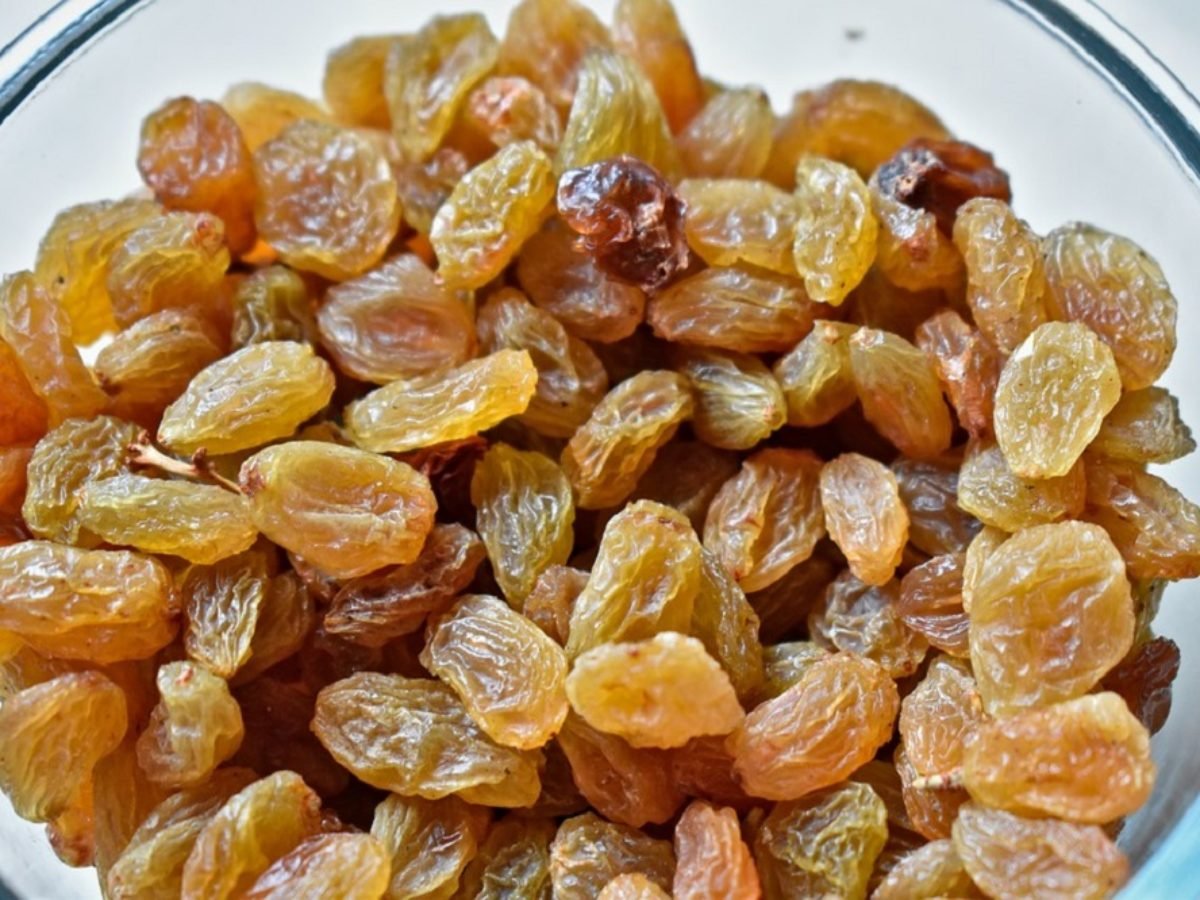
Do raisins go bad? The truth revealed!

List:

– Raisins can go bad under certain conditions, such as if they have a strange smell or visible mold.
– The quality of raisins will decline over time and they may also dry out.
– Unopened raisins can stay fresh for up to three months after the “best by” date.
– Opened packages of raisins can be enjoyed for up to six months after opening.
– Raisins typically have a shelf life of 6 to 12 months, but if unopened and stored in the fridge, they may last up to 2 years.
– Opened raisins can last up to a year when stored in the fridge.
– Unopened raisins in an airtight container last longer.
– Frozen raisins have an even longer shelf life.
– Organic raisins have better flavor but don’t last as long.
– Signs that raisins may be turning bad include visible mold, fungus, or any kind of growth on the raisins.
– Checking for mold growth, changes in color or scent can help determine if raisins have gone bad.
– Discard any raisins that show signs of being bad.

Continue Reading

Does Bacon Grease Go Bad? Tips for Preservation

– Bacon grease can be stored in the refrigerator at or below 40 degrees F for up to three months.
– Storing bacon grease in a cool, dark place such as the refrigerator or freezer will help it last longer.
– Bacon grease left uncovered at room temperature has a shelf life of only two hours.
– Exposure to heat and light can make bacon grease spoil quicker, so avoid storing it near the stove or in direct sunlight.
– If bacon grease has a sour or rancid odor, or if it has turned from white to yellow in color, it is no longer safe to consume.
– Freezing bacon grease can make it last for up to six months, as long as it is tightly sealed in an airtight container.
– Bacon grease should be stored in a sealed container to prevent contact with air, which can turn the fat rancid.
– Removing the particles from bacon grease by straining it can help it last longer.
– Bacon grease has a higher smoke point and can be used for cooking at higher temperatures without burning.
– It can be used for sautéing, frying, and baking as a substitute for butter.
– Proper storage can extend the lifespan of bacon grease.

Continue Reading

Do bitters go bad? The science behind expiration

– Bitters can be stored in a cool, dry area away from direct sunlight and heat
– Fruit-based bitters may need to be kept in the refrigerator
– Excess bitters can be used in jams, marinades, dressings, and dips
– Bitters are made by infusing herbs, fruits, bark, spices, seeds, and other ingredients into a neutral spirit
– Most bitters have a shelf life comparable to any spirit, essentially indefinite
– Some fruit bitters made by Fee Brothers may have a shorter shelf life if made with glycerin instead of ethanol

Continue Reading

Do marshmallows go bad? Understanding marshmallow expiration dates

– Marshmallows do not spoil in the traditional sense because they are made of sugar, corn syrup, and gelatin.
– Marshmallows have a “best by” date on the packaging, which is a rough estimate of how long they will maintain their flavor.
– Shelf life varies between brands, with popular brands lasting between 5 and 7 months and some claiming to last up to three years.
– Once opened, marshmallows will deteriorate in quality faster but can still stay fresh for at least 2 to 3 months.
– Homemade marshmallows have a rough shelf life of about a month.
– Marshmallow cream lasts about 3 to 4 months due to the inclusion of egg whites.
– Storing marshmallows in the fridge does not affect their taste, but prevents them from sticking together.
– Some flavored marshmallows may last an additional 2 to 3 months when stored in the fridge.
– Marshmallows do not turn bad like eggs or milk, but there are scenarios in which they may not be desirable to eat.
– Marshmallows can attract pantry pests if left open, but the pests pose no health risks if eaten.
– If insects are found near an open bag of marshmallows, it is best to throw the entire bag away.
– Marshmallows do not spoil but can become tacky and stick together in a humid environment.
– They can also become chewy and lose their fluffy texture in warm temperatures.
– Over time, the taste of marshmallows will become bland.
– Marshmallows with artificial flavors do not go bad, but those with perishable ingredients like fruit, chocolate, or nuts can spoil.
– Unopened marshmallows can be stored in a pantry or kitchen cabinet, while opened marshmallows should be sealed tightly to protect from moisture and pests.
– Marshmallows get their fluffy texture from trapped air bubbles.
– When you create a vacuum inside the packaging, air molecules start to expand and the marshmallows will expand until there’s no more room.
– When you open the container, the marshmallows will shrink and become dry.
– Marshmallows can be stored in the freezer, but they don’t turn solid. They may become slightly harder.
– Freezing may not extend the shelf life or keep them fresh for longer, but some people prefer eating frozen marshmallows.
– If the bag is unopened, you can throw it in the freezer, but if opened, transfer the content to an airtight container.
– Marshmallows don’t need to be thawed, and they come to room temperature quickly.
– They might become sticky once taken out of the freezer, but you can prevent them from sticking together by applying a thin coat of cornstarch or powdered sugar before freezing.
– Unopened marshmallows can stay fresh for a few months after the “best by” date.
– Once opened, their quality will deteriorate within the next few months.
– It’s important to keep them in airtight packaging.
– Marshmallows can change texture when exposed to heat or moisture, so it’s important to store them in airtight packaging.
– There is no specific expiration date for marshmallows, but they can go bad over time.
– The shelf life of marshmallows can range from 6 months to 1 year, depending on storage conditions.
– Marshmallows can become stale, dry, and hard when they are not stored properly.
– Storing marshmallows in a cool and dry place will help to maintain their freshness.
– If marshmallows develop an off smell or taste, or if they have been exposed to moisture, they should be discarded.

Continue Reading